
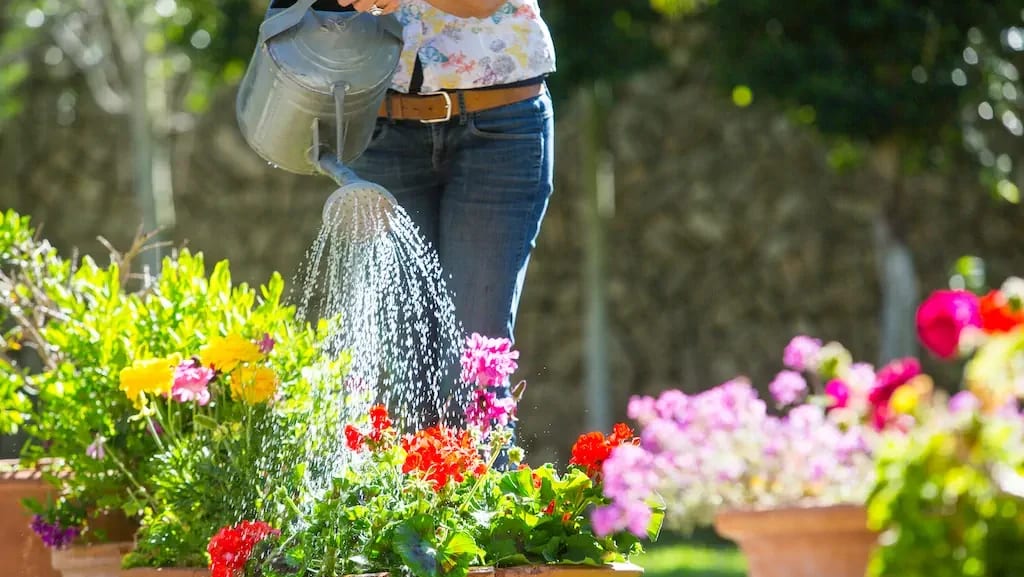
In the summer of 2024, my own basil plant, usually a picture of vibrant health, began to droop dramatically during a relentless heatwave. A deep morning soak, combined with a quick shade cloth deployment, brought it back from the brink, a testament to the power of timely hot weather gardening strategies. As temperatures rise and heatwaves become increasingly common, mastering effective gardening tips for hot weather has never been more crucial for maintaining a flourishing garden. Climate change is intensifying heat stress on plants worldwide, with heat stress now recognized as a major limiting factor for crop production and garden success. Understanding how to protect your plants during extreme heat whilst maintaining their health and productivity requires a comprehensive approach that addresses everything from watering strategies to plant selection.
Understanding the impact of heat on plants
The physiology of heat stress
Heat stress fundamentally alters plant physiology in ways that can severely compromise garden health and productivity. When plants experience temperatures above their optimal range, several critical processes become disrupted, beginning with photosynthesis—one of the most heat-sensitive physiological functions. The photosystem II complex, essential for capturing light energy, becomes particularly vulnerable to damage when temperatures exceed 40°C, leading to reduced photosynthetic capacity and diminished plant vigor.
During heat stress, plants lose water faster than they can absorb it from the soil through increased transpiration rates. This rapid water loss occurs as plants attempt to cool themselves through evaporation, but when soil moisture is insufficient, the cooling mechanism fails and cellular damage begins. The disruption extends to nutrient uptake, as heat stress can cause nutrient lockout, preventing plants from accessing essential minerals even when they’re present in the soil.

Signs of plant dehydration and heat stress
Recognizing the early warning signs of heat stress in plants enables gardeners to take prompt action before irreversible damage occurs. The most common initial symptom is wilting, particularly evident in leafy greens like lettuce and spinach, which are among the most heat-sensitive crops. Leaf curling, especially along the edges, serves as another early indicator that plants are struggling with excessive heat.
As heat stress progresses, leaves may develop brown, scorched edges or yellow patches, indicating cellular damage from excessive temperatures. Flower and fruit drop becomes evident in heat-sensitive vegetables like tomatoes, where temperatures above 32°C can severely impact fruit set and reduce yields. Stunted growth, premature bolting in cool-season crops, and reduced flowering are additional symptoms that gardeners should monitor closely.

Different plant tolerances to heat
Understanding plant heat tolerance is fundamental to successful hot weather gardening, as different species have evolved varying mechanisms to cope with elevated temperatures. Mediterranean plants such as lavender, rosemary, and olive trees demonstrate exceptional heat tolerance due to their evolutionary adaptation to hot, dry climates. These plants typically feature characteristics like small, waxy leaves, deep root systems, and silvery foliage that reflects excess heat.
Cool-season vegetables including lettuce, spinach, and broccoli are particularly vulnerable to heat stress and may bolt prematurely when temperatures exceed 25°C. Conversely, warm-season crops like tomatoes, peppers, and aubergines have higher heat tolerance but still require protection during extreme heatwaves. Native plants offer the best heat adaptation for specific regions, having naturally evolved to thrive in local climate conditions.
Essential watering strategies for hot weather
Deep and infrequent watering techniques
Deep and infrequent watering forms the cornerstone of effective hot weather plant care, encouraging robust root development that enhances drought tolerance. This technique involves applying water slowly and thoroughly, ensuring moisture penetrates several inches into the soil rather than remaining on the surface. Deep watering encourages roots to grow downward in search of moisture, creating a more resilient root system capable of accessing water from deeper soil layers during dry periods.
Research demonstrates that shallow, frequent watering creates weak, surface-dwelling root systems that make plants more vulnerable to heat stress and drought conditions. Instead, gardeners should aim to water less frequently but for longer periods, ensuring the entire root zone receives adequate moisture. This approach typically means watering two to three times per week rather than daily light applications, depending on soil type and plant requirements.
Best time to water garden summer
Timing water application correctly can dramatically improve water efficiency whilst reducing the risk of plant stress and disease. Early morning watering, ideally between 5:00 AM and 9:00 AM, provides optimal conditions for plant water uptake whilst minimizing evaporation losses. During these cooler hours, plants can absorb water effectively before the day’s heat begins, and any moisture on leaves has time to dry before nightfall.

Evening watering, whilst acceptable, carries some risks including increased fungal disease development and pest activity due to prolonged leaf moisture. Midday watering should be avoided as it results in significant water loss through evaporation and can potentially scorch wet foliage when droplets act as magnifying glasses under intense sunlight. However, if plants show severe wilting during peak heat, emergency watering is preferable to allowing complete dehydration. Consider integrating solar-powered irrigation timers for automated, eco-friendly watering that ensures your plants get water when they need it most, even when you’re away.
Advanced watering techniques and equipment
Drip irrigation systems represent the gold standard for water-efficient hot weather gardening, delivering moisture directly to the root zone whilst minimizing evaporation and foliar wetting. These systems can reduce water usage by up to 50% compared to overhead sprinklers whilst providing consistent moisture levels that help plants better withstand heat stress. Soaker hoses offer a more budget-friendly alternative, slowly releasing water along their length to provide deep, even irrigation.

For hand watering, using a watering can or hose with a soft spray attachment allows for precise water placement at the soil level, avoiding leaf wetting that can promote disease. Moisture meters provide valuable feedback about soil moisture levels, helping gardeners avoid both under-watering and over-watering during variable weather conditions. Regular monitoring prevents the common mistake of surface watering that fails to reach plant roots effectively.
Water conservation and sustainability
Implementing water conservation strategies becomes essential during extended hot periods, particularly as water restrictions become more common. Rainwater harvesting systems can provide a sustainable water source for gardens, with simple calculations showing that one inch of rainfall on a 1,000 square foot roof yields approximately 600 gallons of collectible water. Rain barrels and larger cisterns allow gardeners to store this precious resource for use during dry spells.
Greywater systems, where legal and appropriate, can supplement garden irrigation using water from baths, showers, and washing machines. However, greywater requires careful consideration of plant compatibility and potential salt buildup, making it most suitable for ornamental plants rather than edibles. Passive water harvesting techniques, including rain gardens and swales, can capture and direct stormwater runoff to planted areas, reducing reliance on supplemental irrigation.
Soil health and mulching strategies
Building heat-resilient soil
Healthy soil forms the foundation of successful hot weather gardening, with organic matter content directly influencing water retention and nutrient availability. Soils rich in organic matter can hold significantly more water than depleted soils, with each 1% increase in organic matter content improving water-holding capacity by approximately 20,000 gallons per acre. Incorporating compost, well-rotted manure, and other organic amendments creates a sponge-like soil structure that retains moisture during hot periods whilst providing steady nutrient release.
Soil temperature regulation becomes critical during heatwaves, as excessive soil heat can damage plant roots and reduce nutrient uptake. Organic matter helps moderate soil temperature fluctuations, keeping roots cooler during the day and preventing rapid temperature swings that stress plants. Regular soil testing and amendment ensures optimal pH levels and nutrient balance, creating conditions that help plants better withstand environmental stress.
Strategic mulching for hot climates
Mulching provides multiple benefits that are particularly valuable during hot weather, including moisture retention, temperature regulation, and weed suppression. A properly applied mulch layer can reduce soil water evaporation by up to 70% whilst keeping soil temperatures 10-15°F cooler than unmulched areas. These effects combine to significantly reduce plant water stress and extend the time between necessary irrigation cycles.

Different mulch materials offer varying benefits for hot weather applications, with organic mulches generally providing superior long-term soil improvement. Straw, wood chips, and shredded leaves decompose gradually, adding organic matter to the soil whilst providing excellent insulation properties. Bark mulches offer longer-lasting coverage but decompose more slowly, making them ideal for permanent plantings like shrubs and trees. Consider biodegradable mulches as an eco-friendly option that enriches your soil as it breaks down, reducing waste and improving soil health.
Proper mulching techniques and depth
Correct mulch application techniques ensure maximum benefit whilst avoiding potential problems like root rot and pest harborage. For most garden applications, a 2-4 inch layer provides optimal benefits, though the specific depth varies by plant type and mulch material. Vegetable gardens typically require 2-3 inches, whilst trees and shrubs benefit from 3-4 inch applications.

Maintaining proper distance between mulch and plant stems prevents moisture-related problems and reduces pest habitat near sensitive plant tissues. A 2-3 inch gap around tree trunks and plant stems allows for air circulation whilst preventing bark rot and rodent damage. Regular mulch maintenance, including replenishment and occasional cultivation, ensures continued effectiveness throughout the growing season.
Providing shade and protection
Temporary shade solutions
Shade cloth represents one of the most effective tools for protecting plants during extreme heat events, with different densities available to suit various plant needs. For most vegetables, 30-50% shade cloth provides sufficient protection whilst maintaining adequate light for photosynthesis. In particularly hot climates or during severe heatwaves, higher density cloth (60-70%) may be necessary for heat-sensitive crops.

Installation flexibility makes shade cloth ideal for temporary protection, allowing gardeners to deploy coverage when needed and remove it during cooler periods. Simple frame systems using PVC pipes or metal hoops can support shade cloth over individual beds or entire garden sections. Portable umbrellas and temporary structures offer additional options for protecting specific plants or newly transplanted areas.
Strategic planting and natural shade
Companion planting strategies can create beneficial microclimates that protect vulnerable plants from excessive heat. Tall, heat-tolerant plants like sunflowers, corn, or climbing beans can provide natural shade for smaller, more sensitive crops planted nearby. This technique mimics natural forest edge conditions where larger plants shelter understory species.
Tree and shrub placement requires long-term planning but provides invaluable permanent shade that can transform growing conditions in previously unsuitable areas. Deciduous trees offer the ideal combination of summer shade and winter sun penetration, whilst evergreen options provide year-round protection where needed. Strategic landscaping with heat-tolerant shrubs can create windbreaks and shade islands that benefit entire garden sections.
Protecting vulnerable plants
Newly transplanted seedlings and young plants require special attention during hot weather due to their underdeveloped root systems and increased transplant shock susceptibility. Row covers, individual plant protectors, and temporary shade structures can provide crucial protection during the establishment period. Gradual acclimatization, starting with partial shade and gradually increasing sun exposure, helps young plants adapt to challenging conditions.
Heat-sensitive vegetables including lettuce, spinach, and cool-season herbs benefit from strategic timing of planting and harvesting to avoid peak heat periods. Succession planting allows gardeners to maintain continuous harvests whilst working around weather patterns. Container gardening offers the ultimate flexibility, allowing rapid relocation of vulnerable plants to protected areas during extreme weather.
Plant selection for hot climates

Heat tolerant plants UK and beyond
Selecting appropriate plant varieties forms the foundation of successful hot weather gardening, with heat-tolerant species requiring significantly less intervention during challenging conditions. Mediterranean herbs including lavender, rosemary, thyme, and oregano demonstrate exceptional heat tolerance whilst providing culinary and aromatic benefits. These plants have evolved waxy, small leaves and deep root systems that enable survival in hot, dry conditions.
| Plant name | Type | Hardiness zone | Water needs | Sun requirements | Heat tolerance | Special features |
|---|---|---|---|---|---|---|
| Lavender (Lavandula spp.) | Perennial Herb | 5-9 | Low | Full Sun | Excellent | Fragrant, attracts bees, drought-tolerant |
| Mediterranean Herbs (Rosemary, Thyme, Oregano) | Perennial Herbs | 4-9 | Low | Full Sun | Excellent | Culinary use, aromatic, pest-repellent |
| Sedum (Stonecrop) | Succulent Perennial | 3-9 | Very Low | Full Sun | Excellent | Succulent foliage, low maintenance |
| Agave | Succulent | 8-11 | Very Low | Full Sun | Excellent | Architectural form, extremely drought-tolerant |
| Salvia | Perennial | 4-10 | Low-Medium | Full Sun | Very Good | Long blooming, attracts pollinators |
| Echinacea (Coneflower) | Perennial | 3-9 | Low-Medium | Full Sun | Very Good | Attracts butterflies, seed heads for birds |
| Rudbeckia (Black-eyed Susan) | Perennial | 3-9 | Low-Medium | Full Sun | Very Good | Bright flowers, long blooming season |
| Geranium (Pelargonium) | Annual/Perennial | 9-11 (tender) | Medium | Full Sun-Partial Shade | Good | Colorful flowers, container-friendly |
| Catmint (Nepeta) | Perennial | 3-8 | Low | Full Sun-Partial Shade | Very Good | Aromatic, attracts beneficial insects |
| Daylilies (Hemerocallis) | Perennial | 4-9 | Medium | Full Sun-Partial Shade | Very Good | Reliable bloomer, various colors |
| Ornamental Grasses (Miscanthus, Pampas) | Grasses | 5-9 | Low | Full Sun | Very Good | Movement, texture, winter interest |
| Yarrow (Achillea) | Perennial | 3-9 | Low | Full Sun | Very Good | Cut flowers, naturalizing |
| Buddleja (Butterfly Bush) | Shrub | 5-9 | Medium | Full Sun | Good | Fragrant, attracts butterflies |
| Escallonia | Shrub | 7-9 | Medium | Full Sun | Very Good | Evergreen, coastal tolerance |
| Spanish Lavender | Perennial Herb | 8-10 | Low | Full Sun | Excellent | More heat-tolerant than English lavender |
| Olive Tree (container) | Tree/Shrub | 8-11 | Low | Full Sun | Excellent | Edible fruit, architectural form |
| Bay Laurel | Shrub | 6-9 | Low-Medium | Full Sun-Partial Shade | Very Good | Aromatic leaves, culinary use |
| Eucalyptus | Tree | 8-11 | Low | Full Sun | Excellent | Attractive bark, aromatic leaves |
| Succulents (Aeonium, Jade Plant) | Succulents | 9-11 | Very Low | Full Sun | Excellent | Water storage in leaves, easy care |
| Verbena | Annual | 7-11 | Medium | Full Sun | Good | Long flowering, trailing varieties available |
For gardeners in the UK, consider plants like Sea Holly (Eryngium maritimum) and various ornamental grasses which are well-suited to dry, hot spells. In the US, especially in the Southwest, desert-adapted plants like agave, yucca, and specific varieties of cacti are excellent choices, alongside heat-loving perennials such as Salvia greggii and Gaillardia. For India’s varied climate, traditional choices like bougainvillea, periwinkle (Vinca rosea), and even some native fruit trees like Jamun (Syzygium cumini) and Neem (Azadirachta indica) can thrive in heat. Drought-tolerant perennials such as echinacea, rudbeckia, and salvia offer reliable flowering performance even during extended hot periods. Ornamental grasses including miscanthus and fountain grass provide texture and movement whilst requiring minimal water once established. Succulents like sedum and agave store water in their tissues, making them virtually maintenance-free during hot weather.
Heat tolerant plants for the US
In the US, regional climates vary significantly, leading to diverse recommendations for heat-tolerant plants.
- Southwest US (e.g., Arizona, New Mexico, parts of California, Nevada, Texas): This region experiences intense heat and drought. Excellent choices include desert-adapted plants like Agave, Yucca, and specific varieties of cacti. Heat-loving perennials such as Salvia greggii (Autumn Sage) and Gaillardia (Blanket Flower) also thrive here. Other options include Bougainvillea, Lantana, and resilient native grasses like Big Muhly (Muhlenbergia lindheimeri).
- Southeast US (e.g., Florida, Georgia, Louisiana, Mississippi): Characterized by high heat and humidity. Consider plants like Ornamental Sweet Potato Vine, Vinca, Coleus, and certain varieties of Hibiscus. Many native plants, such as Southern Magnolia (Magnolia grandiflora) and Live Oak (Quercus virginiana), are also well-adapted to these conditions.
- Midwest US (e.g., Kansas, Missouri, Nebraska): Experiences hot summers with varying humidity. Reliable heat-tolerant options include Coneflower (Echinacea), Black-Eyed Susan (Rudbeckia hirta), Daylilies (Hemerocallis), and Switchgrass (Panicum virgatum).
- Northeast US (e.g., New York, Pennsylvania, Massachusetts): Summers can be hot and humid. Plants like Sedum, Russian Sage (Perovskia atriplicifolia), and Butterfly Weed (Asclepias tuberosa) are good choices for handling heat.
| Plant name | Type | Hardiness zone | Water needs | Sun requirements | Heat tolerance | Special features |
|---|---|---|---|---|---|---|
| Agave | Succulent | 8-11 | Very Low | Full Sun | Excellent | Architectural form, extremely drought-tolerant, spiky foliage |
| Yucca | Succulent/Shrub | 4-11 | Very Low | Full Sun | Excellent | Architectural form, tall flower spikes, drought-tolerant |
| Lantana (Lantana camara) | Perennial (often grown as annual in cooler zones) | 8-11 | Low-Medium | Full Sun | Excellent | Continuous blooms, attracts butterflies, drought-tolerant once established |
| Gaillardia (Blanket Flower) | Perennial | 3-10 | Low-Medium | Full Sun | Very Good | Bright, daisy-like flowers, long blooming season, attracts pollinators |
| Salvia greggii (Autumn Sage) | Perennial | 6-10 | Low | Full Sun | Excellent | Long-blooming, attracts hummingbirds, fragrant foliage |
| Coneflower (Echinacea purpurea) | Perennial | 3-9 | Low-Medium | Full Sun | Very Good | Attracts butterflies, distinctive seed heads, various colors |
| Black-Eyed Susan (Rudbeckia hirta) | Perennial | 3-9 | Low-Medium | Full Sun | Very Good | Classic yellow flowers, long blooming, attracts pollinators |
| Sedum (Stonecrop) | Succulent Perennial | 3-9 | Very Low | Full Sun | Excellent | Succulent foliage, low maintenance, attracts butterflies |
| Daylilies (Hemerocallis) | Perennial | 4-9 | Medium | Full Sun-Partial Shade | Very Good | Reliable bloomer, wide range of colors, adaptable |
| Ornamental Grasses (e.g., Little Bluestem, Switchgrass) | Grasses | 3-9 | Low | Full Sun | Excellent | Adds texture and movement, drought-tolerant, native options available |
| Bougainvillea | Shrub/Vine | 9-11 | Medium | Full Sun | Excellent | Vibrant bracts, good for hot climates, can be trained on trellises |
| Texas Sage (Leucophyllum frutescens) | Shrub | 8-11 | Low | Full Sun | Excellent | Silvery foliage, purple flowers after rain, drought-tolerant |
| Desert Willow (Chilopsis linearis) | Small Tree/Large Shrub | 7-9 | Low | Full Sun | Excellent | Beautiful trumpet-shaped flowers, fast-growing, attracts hummingbirds |
| Red Yucca (Hesperaloe parviflora) | Succulent Perennial | 6-10 | Very Low | Full Sun | Excellent | Long-lasting red/coral flower stalks, attracts hummingbirds, low maintenance |
| Crape Myrtle (Lagerstroemia indica) | Tree/Shrub | 7-10 | Medium | Full Sun | Excellent | Long blooming period, attractive bark, various sizes and colors |
| Verbena (e.g., Glandularia x hybrida) | Annual/Perennial | 7-11 (tender perennial) | Medium | Full Sun | Good | Long flowering season, trailing varieties, attracts butterflies |
| Firebush (Hamelia patens) | Shrub | 8-11 | Medium | Full Sun-Partial Shade | Excellent | Bright red-orange flowers, attracts hummingbirds and butterflies |
| Russian Sage (Perovskia atriplicifolia) | Perennial | 4-9 | Low | Full Sun | Very Good | Aromatic silvery foliage, lavender-blue flowers, drought-tolerant |
| Live Oak (Quercus virginiana) | Tree | 7-10 | Low-Medium | Full Sun | Excellent | Evergreen, long-lived, provides significant shade in hot climates |
| Trumpet Vine (Campsis radicans) | Vine | 4-9 | Medium | Full Sun | Excellent | Fast-growing, orange-red trumpet-shaped flowers, attracts hummingbirds |
When selecting plants for any US region, local nurseries and extension services can provide the most accurate recommendations for varieties that thrive in specific microclimates and soil conditions.
Native plant advantages
Native plants offer unparalleled adaptation to local climate conditions, having evolved over thousands of years to thrive in specific regional weather patterns. UK native species such as sea holly, lavender, and various ornamental grasses require minimal supplemental irrigation once established whilst supporting local wildlife populations. Regional adaptations mean these plants naturally cope with local temperature extremes and seasonal variations.
Biodiversity benefits extend beyond heat tolerance, as native plants support beneficial insect populations that provide natural pest control and pollination services. Creating habitat corridors with native species helps maintain ecological balance whilst reducing garden maintenance requirements. Local extension services and native plant societies can provide region-specific recommendations for the best heat-adapted species.
Timing and variety selection
Heat-tolerant vegetable varieties enable food production even during challenging summer conditions, with plant breeders developing increasingly resilient cultivars. Heat-resistant tomato varieties like ‘Roma’ and ‘Sun Gold’ maintain fruit production during temperatures that would severely stress standard varieties. Similarly, heat-tolerant lettuce and spinach cultivars extend the growing season for these typically cool-weather crops.
Succession planting strategies help maintain continuous harvests whilst working with natural temperature patterns. Planting heat-sensitive crops early in the season or later in autumn allows gardeners to avoid peak summer stress periods. Cool-season crop alternatives like New Zealand spinach and summer purslane provide similar nutritional benefits whilst thriving in hot conditions.
Optimizing feeding and pruning
Reduced fertilisation during heat stress
Plant nutrition management during hot weather requires a fundamentally different approach than standard growing conditions, as excessive fertilisation can exacerbate heat stress and increase water requirements. High nitrogen applications during extreme heat can promote excessive leafy growth that increases transpiration rates and makes plants more vulnerable to moisture stress. Research shows that plants under heat stress have reduced ability to uptake and process nutrients, making heavy feeding counterproductive.
Slow-release fertilisers provide a more appropriate nutrition source during hot periods, delivering nutrients gradually as plants can utilise them rather than creating sudden flushes of growth. Organic fertilisers such as compost and well-aged manure offer additional benefits by improving soil water retention whilst providing steady nutrient release. Timing fertiliser applications to coincide with cooler weather or irrigation schedules helps minimise stress on already challenged plants.
Foliar feeding considerations
Foliar feeding can provide emergency nutrition to heat-stressed plants when applied correctly, but timing and concentration become critical factors. Early morning applications, before temperatures rise above 24°C, allow plants to absorb nutrients through their leaves without risking foliar burn. Diluted liquid fertilisers, typically at quarter to half strength, provide sufficient nutrition without overwhelming stressed plants.
Kelp meal and fish emulsion offer organic foliar feeding options that provide not only nutrients but also beneficial compounds that help plants cope with environmental stress. However, gardeners must avoid foliar feeding during peak heat hours or when plants show signs of severe water stress, as this can cause additional harm. Soil-applied liquid fertilisers often provide safer alternatives during extremely hot periods.
Strategic pruning practices
Pruning strategies during hot weather focus on removing damaged material whilst avoiding exposures that increase plant stress. Deadheading spent flowers and removing diseased or damaged foliage helps redirect plant energy toward essential functions rather than supporting compromised tissue. However, heavy pruning that exposes previously shaded plant parts to direct sunlight can cause sunscald and additional stress.
Timing pruning activities to coincide with cooler periods reduces stress on both plants and gardeners. Early morning or late evening work sessions avoid peak heat whilst allowing plants time to recover before facing daily temperature challenges. Selective pruning that maintains protective canopy whilst removing excess growth provides the best balance between plant health and heat protection.
Pest and disease management in hot weather
Heat-related plant vulnerability
Heat stress significantly compromises plant immune systems, making gardens more susceptible to pest infestations and disease outbreaks that typically occur during hot, dry conditions. Spider mites thrive in hot, dry environments and reproduce rapidly when temperatures exceed 27°C, often causing severe damage to stressed plants before gardeners notice their presence. Aphid populations also increase during warm weather, particularly on plants weakened by heat and drought stress.
Fungal diseases present a paradox during hot weather, with some thriving in the warm, humid conditions created by frequent watering whilst others prefer the dry conditions that stress plants. Powdery mildew often appears when plants experience moisture stress followed by humid conditions, whilst root rot can develop when gardeners overcompensate with excessive watering. Understanding these relationships helps gardeners develop appropriate prevention and treatment strategies.
Integrated pest management strategies
Implementing integrated pest management (IPM) principles becomes particularly important during stressful growing conditions, focusing on prevention and biological controls rather than chemical interventions. Regular monitoring allows for early detection of pest problems before populations reach damaging levels, enabling more effective and targeted interventions. Beneficial insect habitats, including diverse plantings and water sources, support natural predator populations that provide ongoing pest control.
Organic treatment options including neem oil, insecticidal soaps, and horticultural oils can effectively manage pest populations when applied during cooler parts of the day to avoid phytotoxicity. Companion planting with aromatic herbs like basil, marigolds, and nasturtiums provides natural pest deterrence whilst adding diversity to garden ecosystems. Maintaining plant health through proper watering and nutrition remains the most effective long-term pest prevention strategy.
Container gardening in hot weather
Container selection and management
Container gardening during hot weather presents unique challenges related to rapid soil heating and increased water loss through both plant transpiration and evaporation from container surfaces. Terracotta containers offer excellent breathability and root temperature regulation but require more frequent watering due to evaporation through porous walls. Plastic containers retain moisture longer but can cause soil overheating and poor root development without proper management.
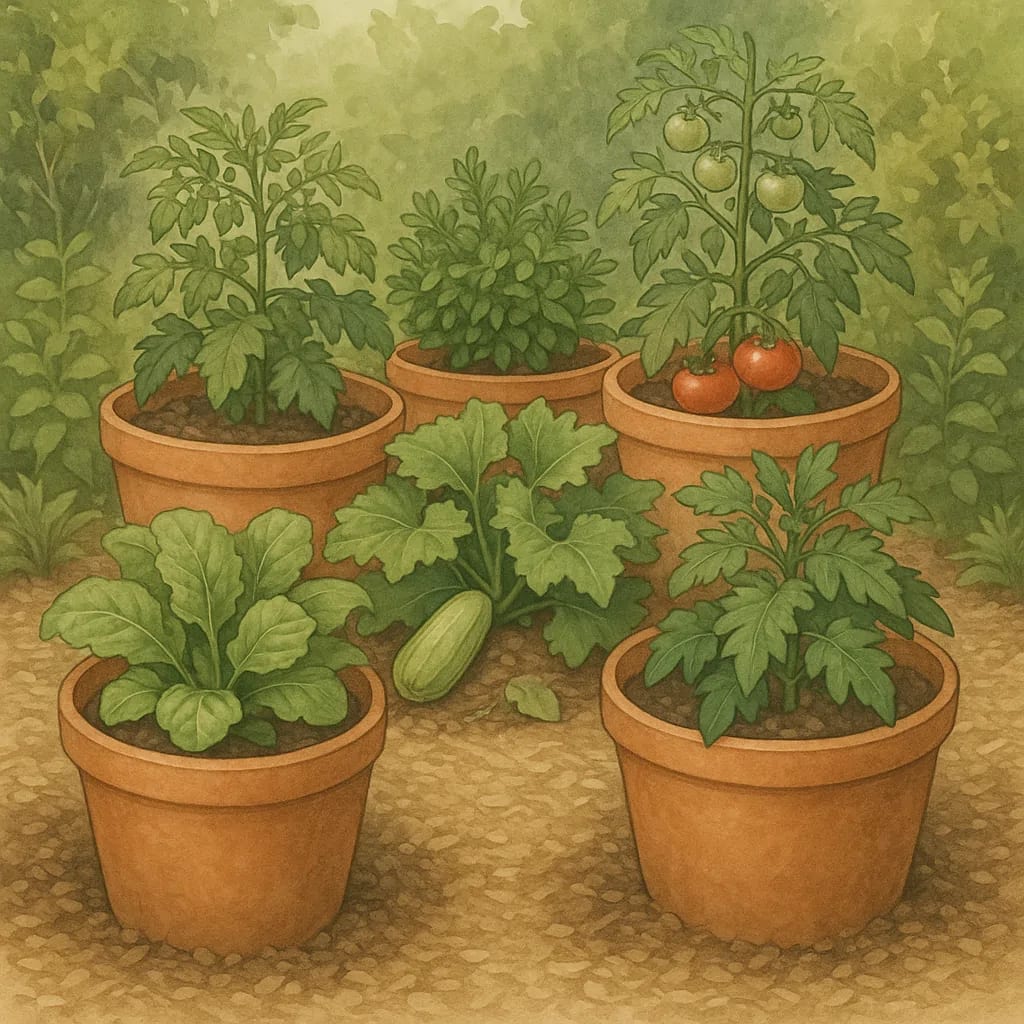
Large containers provide better insulation and water storage capacity, helping plants survive hot periods with less frequent irrigation. Container grouping creates beneficial microclimates that reduce individual pot heating whilst making watering more efficient. Elevating containers on bricks or pot feet improves air circulation around the base whilst preventing heat buildup on hot surfaces like concrete patios.
Specialised container techniques
Double-potting systems, where smaller containers sit inside larger ones with insulating material between, provide excellent temperature buffering during extreme heat. Mulching container surfaces with organic materials or decorative stones reduces evaporation whilst keeping root zones cooler. Self-watering containers or sub-irrigation systems maintain consistent moisture levels without the risk of overwatering during variable weather conditions.
Shade cloth specifically designed for container gardens allows for easy seasonal protection that can be removed during cooler periods. Mobile container systems using wheeled bases enable rapid relocation to protected areas during heatwave warnings. Regular monitoring of container moisture levels becomes critical, as container plants may require daily watering during extreme heat despite best management practices.
Additional hot weather gardening strategies
Air circulation and microclimate management
Proper air circulation plays a crucial role in preventing heat buildup and reducing fungal disease pressure during hot, humid conditions. Strategic plant spacing ensures adequate airflow whilst avoiding the wind damage that can exacerbate moisture stress. Installing temporary fans or natural windbreaks helps create beneficial air movement patterns that cool plants through enhanced transpiration.
Hardscape materials significantly influence garden microclimates, with light-coloured surfaces reflecting heat whilst dark materials absorb and radiate excessive temperatures. Gravel paths and concrete surfaces can create heat islands that stress nearby plants, whilst organic groundcovers and living mulches moderate temperature extremes. Water features including small ponds or fountains provide evaporative cooling that can reduce local air temperatures by several degrees.
Harvest timing and garden monitoring
Harvest timing becomes critical during hot weather, as many crops deteriorate rapidly when left on plants during extreme heat. Early morning harvesting, ideally before 8:00 AM, ensures peak flavour and quality whilst avoiding the stress of midday heat on both crops and gardeners. Prompt harvesting also encourages continued production in heat-tolerant crops like tomatoes and peppers.
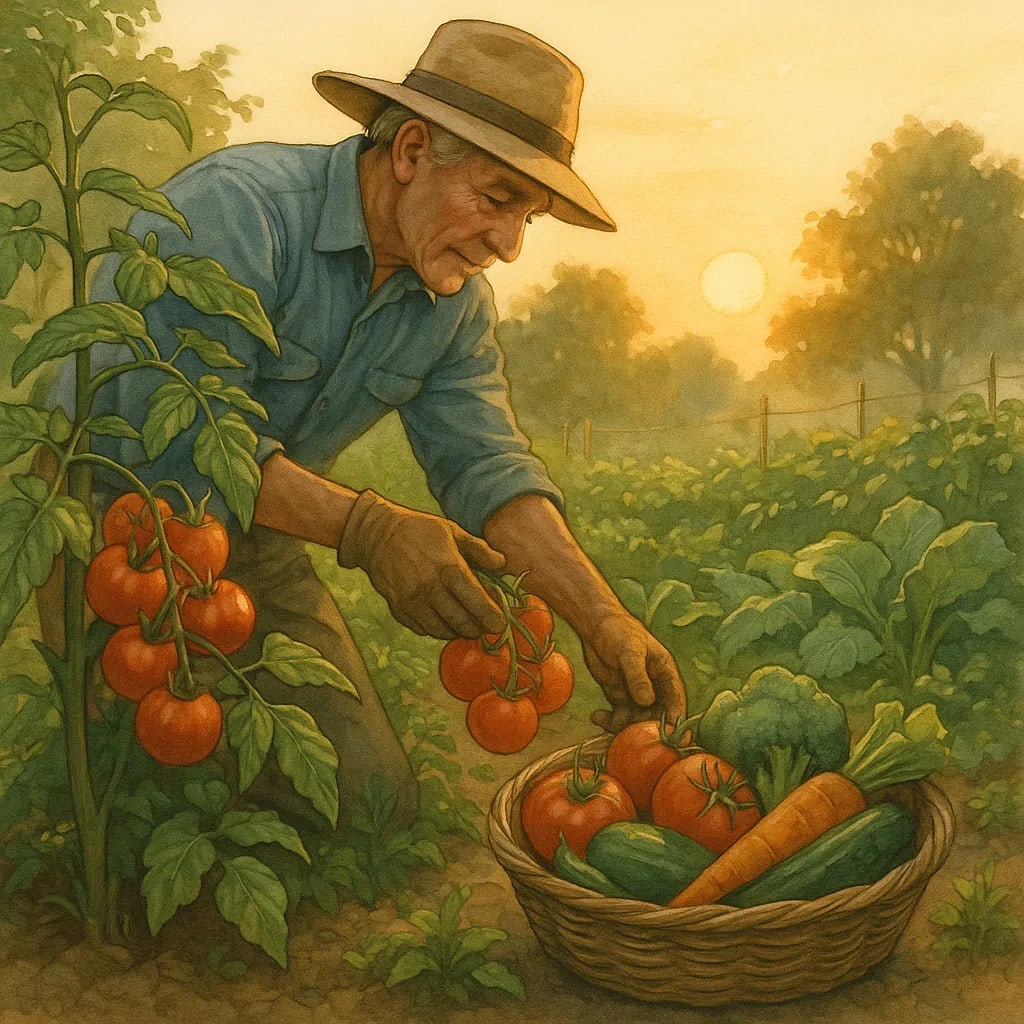
Weather monitoring and heatwave preparation allow gardeners to implement protective measures before damaging conditions develop. Many regions now provide early warning systems for extreme heat events, giving gardeners time to increase watering, deploy shade structures, and harvest vulnerable crops. Keeping detailed garden records helps identify which varieties and techniques work best in local conditions, informing future planting and management decisions.
Gardener safety and comfort
Gardener safety during hot weather requires the same attention given to plant protection, with heat-related illness presenting serious risks during extended outdoor work. Scheduling garden activities during cooler morning or evening hours protects both gardener and plant health whilst improving work efficiency. Staying hydrated, wearing appropriate sun protection, and taking frequent breaks in shade prevents heat exhaustion and heat stroke.
Proper tools and techniques can reduce physical stress whilst improving garden outcomes during challenging conditions. Long-handled tools reduce bending and allow work from shade, whilst wheeled carts minimise carrying during hot weather garden tasks. Understanding personal heat tolerance limits and recognising early warning signs of heat-related illness ensures safe gardening practices throughout the summer season.
Through implementing these comprehensive gardening tips for hot weather, gardeners can maintain thriving, productive gardens even during the most challenging summer conditions. Success requires a holistic approach that addresses plant selection, soil health, water management, and environmental protection whilst prioritising both plant and gardener wellbeing. With proper planning and techniques, hot weather gardening can yield abundant harvests and beautiful landscapes that demonstrate resilience in our changing climate.
Quick-reference hot weather gardening tips
- Water deeply & infrequently: Aim for 2-3 times a week, ensuring soil is saturated several inches down.
- Water early morning: Best time for absorption and minimal evaporation (5:00 AM – 9:00 AM).
- Mulch generously: Apply a 2-4 inch layer to retain moisture and cool soil.
- Provide shade: Use shade cloth (30-50% density) or create natural shade with taller plants.
- Choose heat-tolerant plants: Select varieties adapted to your climate, including native species.
- Reduce fertilisation: Avoid high-nitrogen feeds during extreme heat; opt for slow-release or organic.
- Monitor for pests: Heat-stressed plants are vulnerable; early detection is key.
- Protect containers: Use large, light-colored pots, group them, and mulch their surfaces.
- Harvest early: Pick ripe produce in the morning to maintain quality.
- Stay hydrated & take breaks: Prioritize your own well-being in the heat.
FAQ: Common hot weather gardening concerns
Q: How often should I water tomatoes in a heatwave?
A: Tomatoes are warm-season crops but still require consistent moisture. During a heatwave, established tomato plants may need deep watering every day or every other day, depending on your soil type and container size. Monitor soil moisture diligently with a moisture meter to ensure the root zone stays adequately hydrated without becoming waterlogged.
Q: My lettuce always bolts in summer. What can I do?
A: Lettuce is a cool-season crop and is highly prone to bolting (going to seed) in temperatures above 25°C. To combat this, choose heat-tolerant lettuce varieties, plant them in partial shade, or consider succession planting in early spring and late autumn to avoid peak summer heat. New Zealand spinach or summer purslane are good heat-tolerant alternatives.
Q: Is it okay to prune plants during a heatwave?
A: Generally, heavy pruning should be avoided during a heatwave as it can stress plants and expose previously shaded areas to direct sun, leading to sunscald. Focus only on removing dead or diseased foliage. If necessary, light selective pruning should be done in the early morning or late evening.
Q: Can I use greywater for all my garden plants?
A: Greywater can be a sustainable irrigation source, but it requires careful consideration. It’s generally best for ornamental plants and established trees and shrubs, not typically for edible crops due to potential salt buildup or chemical residues from soaps. Always check local regulations regarding greywater use.
Q: What are the best eco-friendly mulches?
A: Organic mulches like straw, wood chips, shredded leaves, and compost are excellent eco-friendly choices. They decompose over time, enriching the soil with organic matter, improving water retention, and moderating soil temperature. Biodegradable mulches are also a great option as they break down naturally, reducing waste and improving soil health.
