

The padel fastest growing sport phenomenon has captured the imagination of athletes and recreational players worldwide, transforming from a Mexican backyard invention into a global sporting sensation. With over 30 million active players across 130 countries and 46,000 courts worldwide, padel represents one of the most remarkable success stories in modern sport. This explosive growth shows no signs of slowing, as the sport continues to attract celebrities, professional athletes, and everyday enthusiasts who are drawn to its unique blend of accessibility, strategy, and social interaction.

What is padel? Understanding the sport that’s conquering the globe
Padel is a racquet sport that ingeniously combines elements of tennis and squash, creating a dynamic game that’s both accessible to beginners and strategically complex for advanced players. Played exclusively in doubles format on an enclosed court, padel offers a unique sporting experience that emphasises teamwork, quick reflexes, and tactical thinking over raw power.

Brief history and origins
The history of padel traces back to 1969 when Enrique Corcuera, a wealthy Mexican businessman, invented the game at his holiday home in Acapulco. Initially planning to build a squash court, Corcuera decided to add walls to prevent balls from flying out of bounds, inadvertently creating the foundation for modern padel. The sport’s journey from Mexico to global prominence began when Prince Alfonso de Hohenlohe, a friend of Corcuera, discovered the game during a visit and subsequently built the first European padel courts in Marbella, Spain, in 1974.
Spain became the epicentre of padel development, where the sport rapidly evolved from an elite pastime to the nation’s second most popular sport after football. Argentina simultaneously embraced padel, developing a passionate playing culture that continues to produce world-class professional players. The establishment of the International Padel Federation (FIP) in 1991 marked a crucial milestone in the sport’s organisation and global promotion.
Basic rules and gameplay
Padel rules are refreshingly straightforward, making the sport accessible to newcomers whilst maintaining strategic depth. The game begins with an underarm serve, which must bounce once before being struck below waist height and directed cross-court into the opponent’s service box. Unlike tennis, the serve cannot be overpowering, immediately establishing a more tactical tone to rallies.
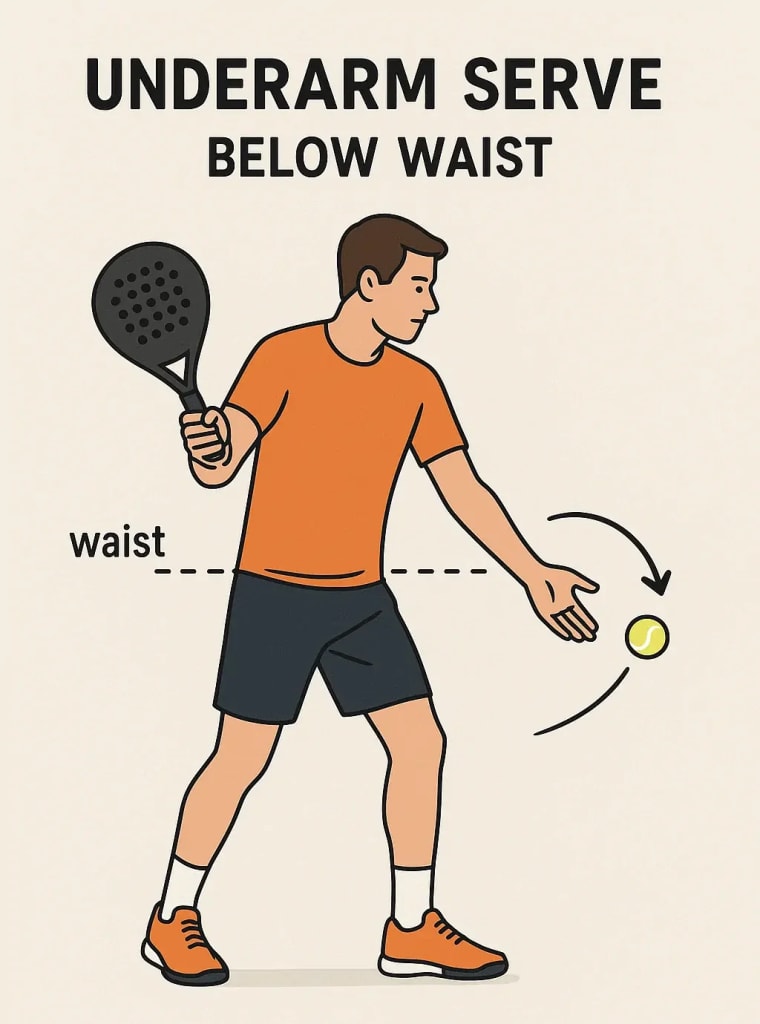
The scoring system mirrors tennis exactly, using the familiar 15-30-40 progression, with matches typically played as best-of-three sets. Players have only one bounce before returning the ball, and crucially, the ball may hit the walls after bouncing on the court surface, adding a unique strategic dimension borrowed from squash. However, the ball cannot touch the walls or mesh before bouncing in the opponent’s court, which would result in a point loss.
One of padel’s most distinctive features is the ability to play balls that bounce and travel outside the court area through specially designed openings, provided players can return them successfully. This rule creates spectacular rallies and extends points beyond what traditional court sports typically allow.
Essential equipment
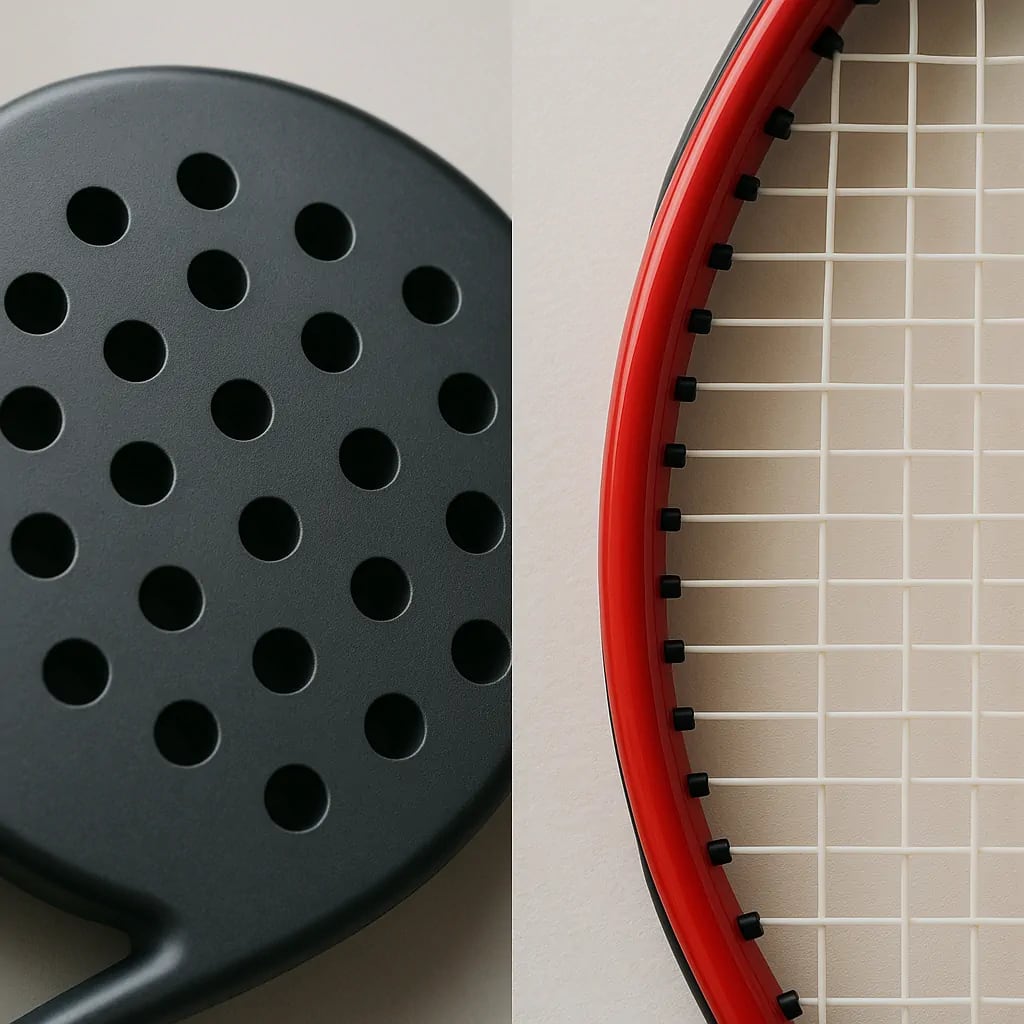
Padel equipment requirements are minimal, contributing to the sport’s accessibility. Padel rackets feature solid, perforated surfaces without strings, typically weighing between 360-370 grams and measuring no more than 45.5cm in length. The holes in the racket surface reduce air resistance and provide better control, distinguishing them from traditional tennis rackets.
Padel balls resemble tennis balls but with slightly less pressure, creating a slower bounce that suits the enclosed court environment. This design choice ensures longer rallies and reduces the physical demands compared to tennis. Court surfaces typically feature artificial grass or synthetic materials, providing consistent bounce and reducing injury risk.
Key differences from similar sports
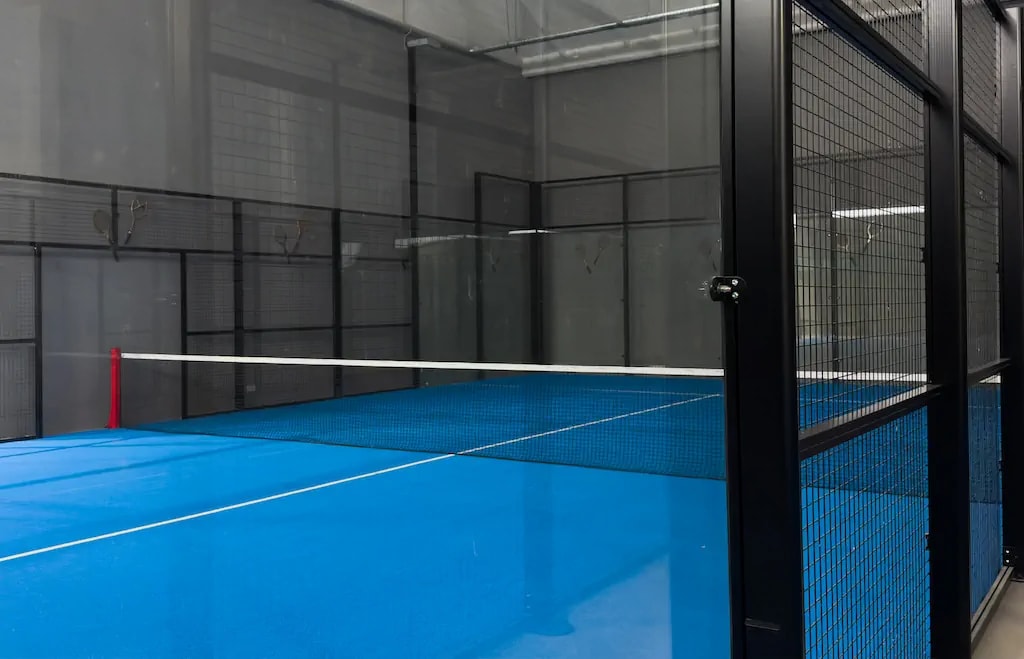
Understanding padel vs tennis distinctions helps explain the sport’s unique appeal. While tennis courts measure 23.77m x 8.23m for singles play, padel courts are significantly smaller at 20m x 10m and exclusively designed for doubles. The enclosed nature of padel courts, surrounded by glass walls and metal mesh, fundamentally changes gameplay strategy compared to tennis’s open-court format.
The serving technique represents another crucial difference, with padel’s mandatory underarm serve creating more democratic rallies compared to tennis’s potentially dominant overhead serves. Equipment distinctions include padel’s stringless, solid rackets versus tennis’s larger, stringed rackets, and padel’s depressurised balls versus tennis’s fully pressurised balls.
Compared to squash, padel offers a larger court with lower walls and doubles play, making it more social and less physically demanding whilst retaining the strategic wall-play element.
Why padel is exploding in popularity
The padel popularity surge stems from multiple factors that address modern sporting preferences, combining accessibility, social interaction, and engaging gameplay. Understanding these drivers helps explain why padel has achieved such remarkable global penetration in such a short timeframe.
Accessibility and learning curve
Why is padel so popular becomes clear when examining its remarkable accessibility. The underarm serve eliminates the intimidating power element that can discourage tennis beginners, whilst the smaller court size reduces the physical demands significantly. Most players can engage in meaningful rallies within their first session, a stark contrast to tennis where basic competency requires months of practice.
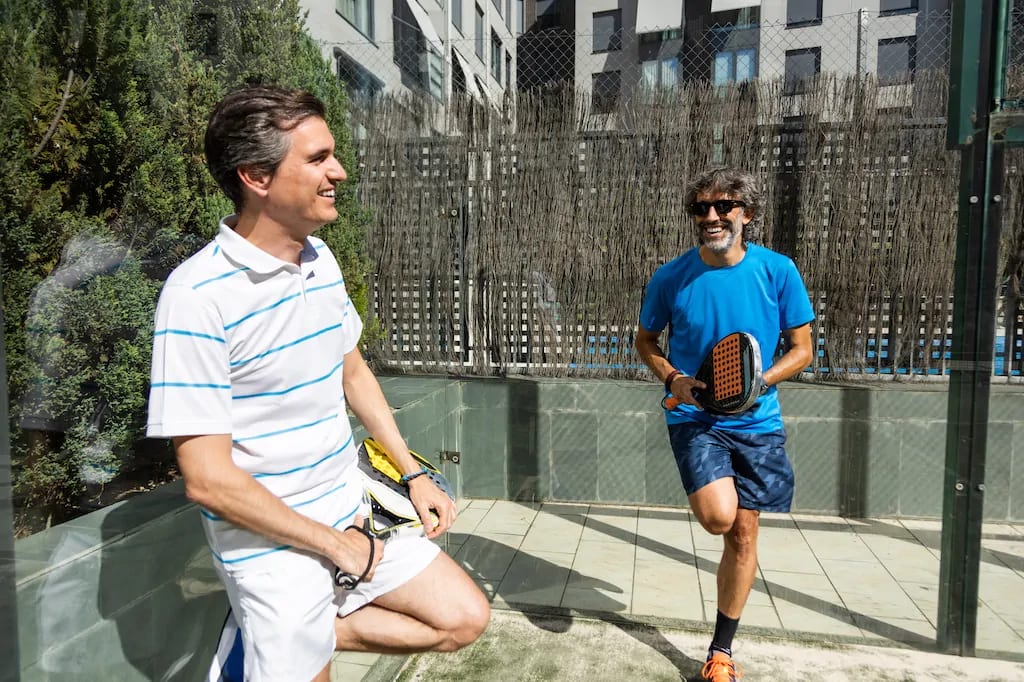
The doubles-only format means beginners can rely on their partner’s strengths whilst developing their own skills, creating a supportive learning environment. Age barriers are virtually non-existent, with players ranging from teenagers to septuagenarians enjoying competitive matches. This broad appeal has contributed to remarkable demographic diversity, with 40% of players being female—significantly higher than tennis’s 15% female participation rate.
Social aspect and community building
Padel’s social dimension represents perhaps its greatest strength in attracting new participants. The doubles format naturally creates partnerships and fosters communication, whilst the enclosed court design keeps players in close proximity, encouraging interaction. Post-match socialising has become integral to padel culture, with many clubs designing social spaces specifically for player interaction.
The sport’s community aspect extends beyond individual matches, with clubs organising leagues, tournaments, and social events that strengthen player bonds. This social infrastructure has proven particularly effective in urban areas where professionals seek both fitness and networking opportunities.
Court design innovation
The enclosed padel courts design creates unique gameplay dynamics that maintain engagement throughout matches. Glass walls allow spectators to follow action closely whilst providing players with additional strategic options through wall play. The standardised court dimensions ensure consistency globally, enabling players to adapt quickly when travelling or relocating.

Modern padel facilities often feature multiple courts with premium amenities, creating destination venues rather than simple sporting facilities. This approach has attracted significant investment from sports facility developers and tennis clubs seeking diversification.
Celebrity endorsement and media attention
High-profile celebrity adoption has significantly boosted padel global growth and mainstream awareness. Tennis legends including Rafael Nadal and Serena Williams have become passionate advocates, with Nadal incorporating padel courts into his tennis academy. Football superstars such as David Beckham, Lionel Messi, and Neymar regularly play padel, sharing their experiences on social media platforms.
Professional football managers Pep Guardiola and Jürgen Klopp have installed padel courts at training facilities, with Klopp famously stating: “Padel is, besides football, the best game I’ve ever played”. This celebrity endorsement extends beyond sports, with entertainment figures and business leaders embracing padel as both recreation and networking opportunity.
Global growth and key markets
The padel global growth trajectory represents one of modern sport’s most impressive expansion stories, with participation and infrastructure development accelerating across multiple continents.

Established powerhouses
Spain dominates the global padel landscape with 3.7 million players and over 22,120 courts, representing the sport’s most mature market. The country’s infrastructure density supports a thriving professional circuit and grassroots participation, with some regions achieving higher padel court density than tennis courts.
Argentina maintains its position as padel’s second-largest market with 2.1 million players and approximately 4,900 courts. The country’s passionate playing culture continues producing world-class professional players who compete on international circuits. Both nations benefit from decades of development and cultural integration that newer markets aspire to replicate.
European expansion
European markets have experienced explosive growth, with Sweden and Italy emerging as unexpected padel powerhouses. Sweden’s remarkable trajectory saw court numbers grow from fewer than 100 to over 5,740 in just three years, accompanied by 563,000 active players. Italy follows closely with 521,000 players and 8,347 courts, representing one of Europe’s fastest-growing padel markets.
France has exceeded all growth projections with 45% expansion in 2023 alone, adding 673 new courts and establishing itself as a major European hub. Belgium and the Netherlands have sustained growth rates of 26% and 20% respectively, adding 656 combined courts in 2023. The UK market shows tremendous potential with 400,000 people playing padel in 2024—a threefold increase from 2023’s 129,000 participants.
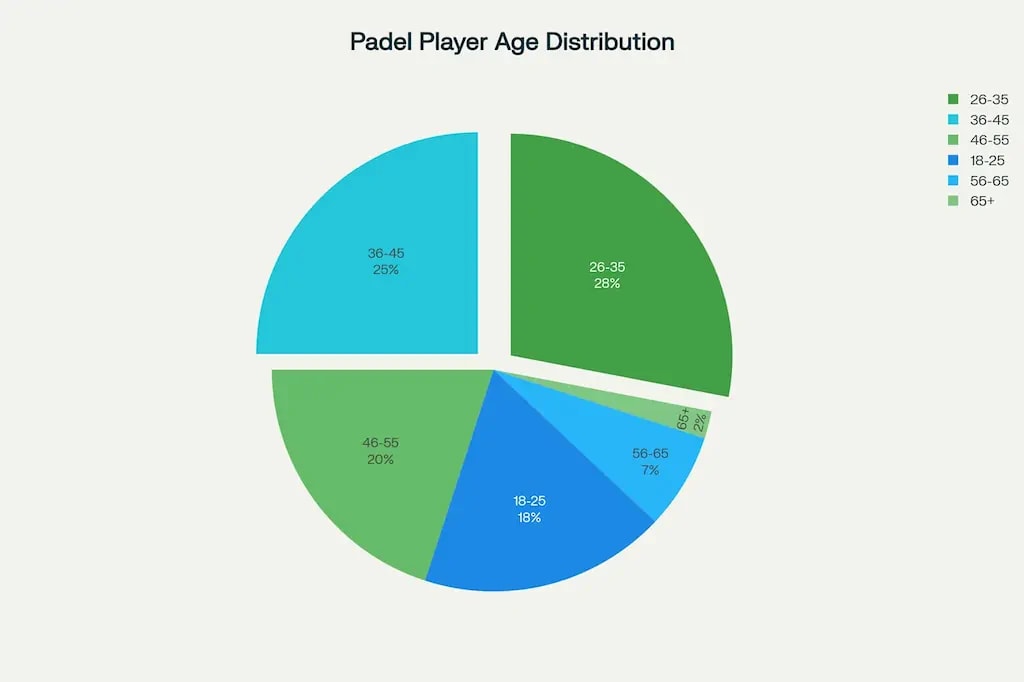
Emerging markets and investment
The United States represents perhaps the most significant growth opportunity, with 152% expansion in 2023 resulting in 274 new courts. Market projections suggest the US padel market could reach $1.2 billion by 2030, driven by urban adoption and celebrity endorsement. Court booking rates of up to $200/hour in New York demonstrate strong demand despite limited infrastructure.
Middle Eastern markets, particularly the UAE and Saudi Arabia, have invested heavily in premium padel facilities targeting affluent demographics. Dubai commands some of the world’s highest court fees, exceeding €100/hour during peak times, whilst maintaining strong utilisation rates. Asian markets including China and Japan are exploring padel development, supported by international sports brands and promotional events.
Infrastructure development and investment
Global court construction has maintained impressive momentum, with 5,816 new courts and over 2,500 new clubs built in 2023 alone. This 16% growth rate has elevated total global courts to 43,249, with projections suggesting 70,000 courts by 2026. The compound annual growth rate of European courts stands at 26%, driven by both commercial operators and tennis club conversions.
Investment patterns reveal significant private sector confidence, with sports facility developers, tennis clubs, and real estate companies incorporating padel into mixed-use developments. The LTA alone has invested over £6 million in UK padel development, funding 80 courts across 42 venues.

Benefits of playing padel
The benefits of playing padel extend far beyond simple recreation, encompassing physical fitness, mental wellbeing, and social connection that collectively explain the sport’s magnetic appeal.
Physical health benefits
Padel provides an excellent cardiovascular workout whilst remaining more accessible than high-impact alternatives. A typical match burns 400-600 calories through constant movement, quick directional changes, and sustained rallies that elevate heart rate effectively. The sport’s intermittent nature—combining short bursts of intense activity with brief recovery periods—mirrors optimal fitness training protocols.
Lower body strength development occurs naturally through the lateral movements, lunges, and quick court coverage required for effective play. Upper body conditioning results from repetitive striking motions, volleys, and overhead shots that engage arms, shoulders, and core muscles. Unlike running or cycling, padel’s varied movement patterns enhance agility, balance, and coordination simultaneously.
The enclosed court design and controlled ball speed reduce injury risk compared to tennis, making padel particularly suitable for older participants or those returning from injury. Research indicates that padel elicits anti-inflammatory responses in competitive players, suggesting potential health benefits from regular participation.
Mental and cognitive benefits
Padel’s strategic complexity provides excellent mental stimulation, requiring players to process multiple variables quickly whilst executing precise shots. The constant tactical decision-making—when to attack, defend, or utilise walls—enhances cognitive flexibility and reaction times. These mental demands translate to improved concentration and decision-making abilities in daily life.
Stress reduction represents a significant benefit, with the sport’s social nature and physical activity combining to release endorphins and reduce cortisol levels. The requirement for present-moment focus helps players disconnect from work or personal stressors, providing mental restoration. Research suggests that female players experience particular benefits in brain-derived neurotrophic factor (BDNF) production, supporting cognitive health.
Social and networking benefits
The doubles format inherently creates social connections, with successful partnerships requiring communication, trust, and mutual support. Many players form lasting friendships through regular club participation, with padel communities becoming important social networks. Business networking opportunities frequently develop, as professionals use padel as an alternative to traditional corporate entertainment.
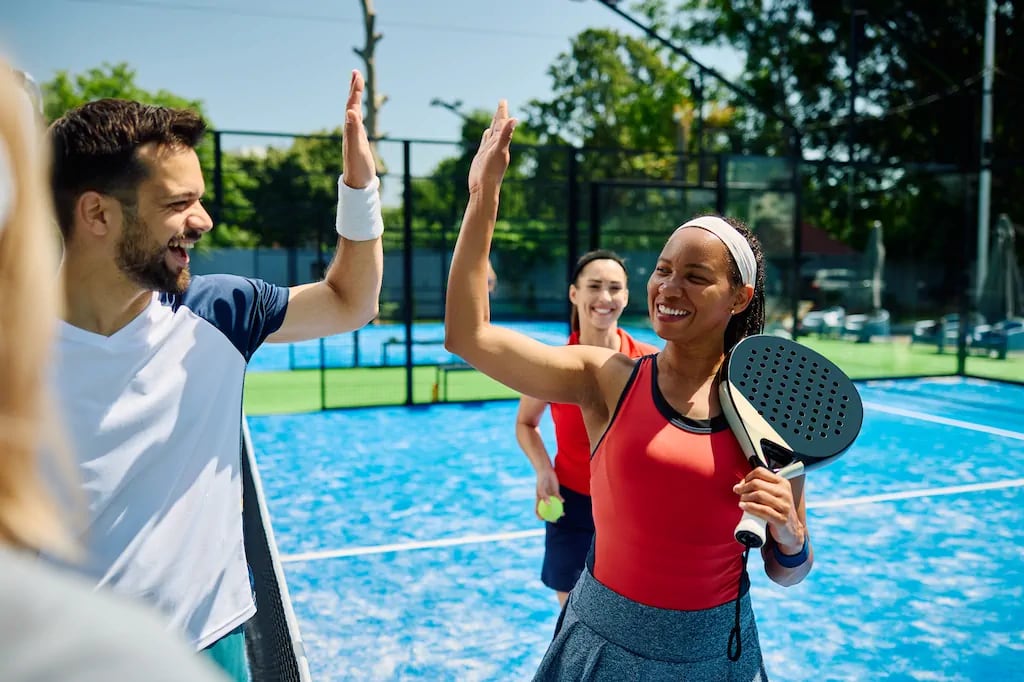
Club environments foster inclusive communities where players of different ages, backgrounds, and skill levels interact regularly. This diversity enhances social experiences and creates mentoring relationships between experienced and novice players. Women’s participation rates of 40% globally indicate the sport’s success in creating welcoming environments for all genders.
How to get started with padel
Getting started with padel requires minimal initial investment whilst offering multiple pathways to skill development. The sport’s accessibility means beginners can enjoy meaningful play almost immediately, though structured learning accelerates progress significantly.
Finding local courts and clubs
Locating padel courts near me has become increasingly straightforward as infrastructure expands globally. Most major cities now feature dedicated padel facilities, with many tennis clubs adding courts to diversify offerings. Online platforms and mobile applications help players locate nearby courts, check availability, and book sessions.
When selecting a facility, beginners should prioritise locations offering coaching services, equipment rental, and welcoming community atmospheres. Many clubs provide trial sessions or beginner packages that include instruction, equipment, and court time. Social media groups and local padel communities often organise newcomer events that provide gentle introductions to the sport.
Equipment recommendations for beginners
Best padel rackets for beginners typically feature round shapes that provide larger sweet spots and enhanced control. Weight should range between 360-365 grams to ensure manoeuvrability whilst building strength gradually. Carbon fibre rackets offer superior performance but fiberglass alternatives provide adequate quality at lower costs for initial purchases.
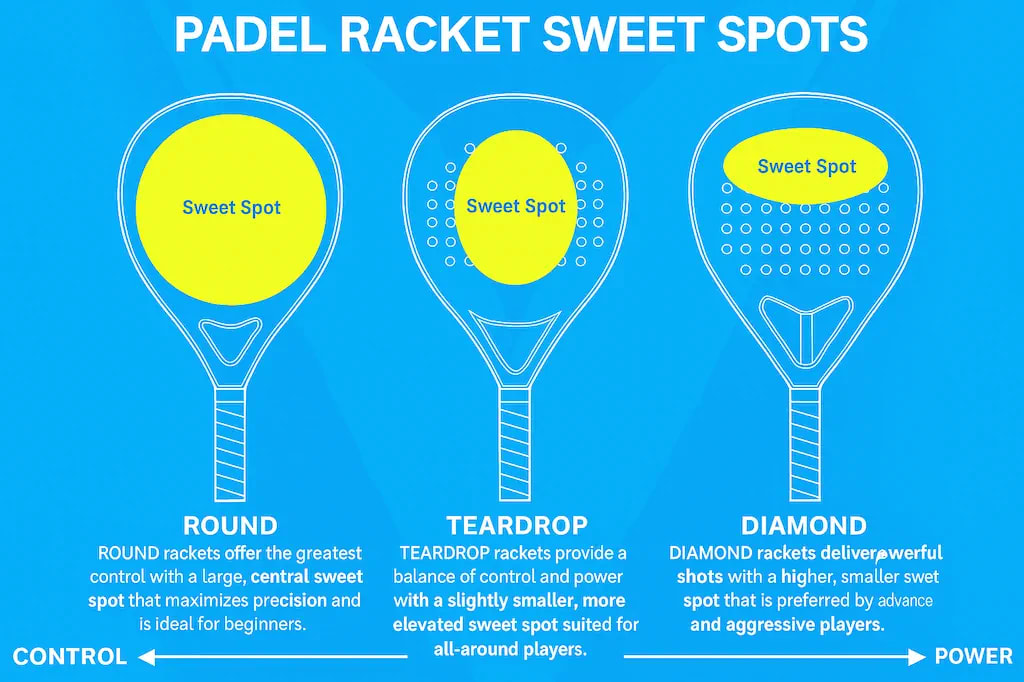
Proper footwear represents the most important safety consideration, with non-slip soles essential for artificial turf surfaces. Many beginners underestimate footwear importance, but quality padel shoes prevent injuries and improve court movement. Comfortable athletic clothing that allows free movement completes basic equipment requirements.
Basic techniques and beginner tips
How to play padel effectively begins with mastering fundamental techniques that emphasise control over power. The continental grip works well for most shots, providing versatility for volleys, groundstrokes, and defensive play. Beginning players should focus on short backswings that enable quicker reactions and more consistent contact.
Court positioning represents perhaps the most crucial strategic element for beginners. The attacking position near the net allows players to control rallies through volleys and smashes, whilst defensive positioning at the back enables patience and counter-attacking opportunities. Successful padel requires understanding when to transition between these positions based on ball placement and opponent positioning.
Wall play initially confuses tennis players, but learning to use back walls defensively and side walls offensively adds strategic depth. Beginners should practice hitting balls off walls during training sessions to develop comfort with these unique shots. Patience proves essential, as padel rewards consistent play and tactical thinking over aggressive shot-making.
How to book a padel court
Booking a padel court is typically a straightforward process, often done through online platforms or dedicated club apps. Many clubs offer membership options for discounted rates or priority booking, while others allow pay-as-you-go sessions. It’s always a good idea to book in advance, especially during peak hours, as courts can fill up quickly due to the sport’s popularity. Some platforms also allow you to find other players if you don’t have a full foursome.
Beginner mistakes to avoid
- Hitting too hard: Unlike tennis, power isn’t everything in padel. Focus on control and placement, letting the walls do some of the work.
- Ignoring the walls: This is perhaps the biggest mistake tennis players make. The walls are your friends! Learn to use them for defensive returns and strategic attacks.
- Poor positioning: Don’t get stuck at the back of the court. Learn to advance to the net when the opportunity arises, as controlling the net is key in padel.
- Lack of communication: Since it’s a doubles sport, talking to your partner is crucial for covering the court effectively and avoiding confusion.
- Using the wrong equipment: While basic, having proper padel shoes and a beginner-friendly racket can significantly improve your experience and prevent injuries.
The future of padel
The future trajectory of padel appears extraordinarily positive, with professional circuits expanding, technological integration advancing, and global reach extending into previously untapped markets.
Professional tours and elite competition
The Premier Padel tour represents the sport’s pinnacle, featuring four Major tournaments with €525,000 prize pools that mirror tennis Grand Slams in prestige. Backed by the International Padel Federation (FIP) and supported by Qatar Sports Investments, Premier Padel provides global platforms for elite competition. The tour’s expansion into iconic venues like Roland Garros and Rome’s Foro Italico demonstrates padel’s growing legitimacy in mainstream sports.
Professional prize money has grown substantially, with total 2023 distributions exceeding €8.25 million across major tours. The integration of formerly competing circuits under the Premier Padel umbrella has streamlined professional pathways and increased sponsorship opportunities. World rankings now mirror tennis systems, providing clear progression routes for aspiring professionals.
Technological integration and innovation
Equipment technology continues advancing, with manufacturers developing increasingly sophisticated rackets that enhance performance whilst maintaining accessibility. Smart court technology enables detailed performance analytics, coaching feedback, and spectator engagement features. Video analysis systems specifically designed for padel help players and coaches identify tactical improvements and technical refinements.
Broadcasting technology has improved dramatically, with multiple camera angles and specialised graphics helping television audiences understand padel’s unique strategic elements. Streaming platforms have embraced padel content, providing global audiences access to professional tournaments and instructional content.
Global expansion opportunities
Market projections suggest the global padel market will reach $670 million by 2030, representing more than doubling from 2022 levels. North America shows particular promise, with projected compound annual growth rates exceeding 12% through 2030. Asian markets remain largely untapped, representing enormous potential for equipment manufacturers and facility developers.
The integration of padel into multi-sport complexes and residential developments indicates mainstream acceptance beyond dedicated sporting facilities. Educational institutions increasingly incorporate padel into physical education programmes, developing future generations of players. Corporate adoption for team building and client entertainment creates additional demand streams.
Olympic aspirations
Padel’s Olympic inclusion represents a logical next step given rapid global growth and international federation structure. The sport already features in regional multi-sport events, building the competitive infrastructure necessary for Olympic consideration. IOC criteria regarding global participation, gender equality, and spectator appeal align well with padel’s characteristics.
Challenges and opportunities
Despite remarkable growth, padel faces several challenges that could influence future development trajectories whilst simultaneously presenting opportunities for innovative solutions.
Infrastructure and accessibility challenges
Court availability remains the primary constraint in many emerging markets, with demand significantly exceeding supply. Construction costs for quality padel facilities require substantial investment, potentially limiting expansion in lower-income regions. Urban land scarcity in major cities creates additional challenges for facility development.
Conversion of existing tennis courts presents both opportunities and obstacles, as structural modifications require significant investment whilst potentially alienating tennis communities. Weather considerations in northern climates necessitate indoor facilities that increase operational costs. Standardising court specifications globally ensures consistency but may limit local adaptations.
Market saturation concerns
Mature markets like Spain show signs of saturation in certain regions, with some clubs struggling financially due to oversupply. The rapid pace of court construction has occasionally outstripped player development, resulting in underutilised facilities. Balancing growth ambitions with sustainable market development requires careful planning and realistic projections.
Competition from other racquet sports, particularly pickleball in North America, creates market share challenges. Tennis communities sometimes resist padel integration, viewing it as a threat rather than complement to traditional racquet sports. Educational initiatives help address misconceptions and promote coexistence.
Innovation and development opportunities
Technology integration offers numerous enhancement possibilities, from court booking systems to performance analytics and virtual coaching platforms. Sustainable court construction using eco-friendly materials appeals to environmentally conscious consumers and facility operators. Modular court designs could reduce installation costs and enable temporary facilities for promotional events.
Youth development programmes represent crucial investment areas for long-term growth sustainability. School partnerships and university programmes could establish padel as a mainstream sport for future generations. Corporate wellness programmes increasingly incorporate padel as team-building and fitness activities.
The pathway from recreational to professional play requires development to maintain elite competition standards whilst encouraging grassroots participation. Coach education and certification programmes ensure instruction quality as the sport expands globally.
Padel’s remarkable journey from a Mexican backyard invention to a global sporting phenomenon demonstrates the power of accessibility, social connection, and strategic innovation in modern sport development. With 30 million players across 130 countries and projections for continued exponential growth, the padel fastest growing sport designation appears well-deserved and sustainable. The sport’s unique combination of physical activity, social interaction, and strategic depth addresses contemporary lifestyle preferences whilst maintaining competitive integrity at elite levels.
As infrastructure development accelerates and new markets embrace padel, the sport’s future appears extraordinarily bright. The challenges of rapid growth—court availability, market saturation, and quality control—present opportunities for innovation and sustainable development. Whether padel achieves its Olympic aspirations or simply continues enriching recreational sporting landscapes, its impact on global sport culture has already proven transformational and enduring.
FAQ: Frequently Asked Questions about padel
Q: Is padel easy to learn?
A: Yes, absolutely! Padel is known for its incredibly accessible learning curve. The underarm serve and smaller court size make it much easier for beginners to pick up compared to tennis. Most players can enjoy meaningful rallies within their very first session.
Q: Where can I play padel near me?
A: Padel courts are rapidly expanding globally. You can often find them at dedicated padel clubs, or increasingly, at existing tennis clubs that have added padel courts. Many online platforms and mobile apps are available to help you locate nearby courts and book sessions. Additionally, apps like Playtomic allow you to search for courts and book online.
Q: What are the main differences between padel and tennis?
A: Padel is played on a smaller, enclosed court with glass walls and metal mesh, and exclusively in doubles. The serve is underarm, and players can use the walls strategically during rallies. Padel rackets are solid and stringless, and the balls are depressurised, resulting in a slower game with longer rallies compared to tennis.
Q: What are the health benefits of playing padel?
A: Padel offers excellent cardiovascular benefits, burning 400-600 calories per match. It improves agility, balance, and coordination, and helps develop lower and upper body strength. Beyond physical benefits, it’s great for mental stimulation, stress reduction, and fosters strong social connections.
Q: What kind of equipment do I need to start playing padel?
A: You’ll need a padel racket (round-shaped for beginners is recommended), padel balls (which are slightly depressurised), and proper padel shoes with non-slip soles for artificial turf courts. Comfortable athletic clothing is also essential for freedom of movement.

