

Did you know that the Guinness Book of Records no longer tracks the longest time without sleep because it’s considered too dangerous? The reason traces back to a seemingly innocent high school science project that went spectacularly wrong—and right—all at once. Randy Gardner sleep deprivation experiment in 1963 didn’t just break records; it fundamentally changed how we understand the critical importance of sleep and the devastating effects of prolonged wakefulness on the human mind and body.
What started as a teenage quest for science fair glory became one of the most documented and disturbing cases of voluntary sleep deprivation in modern history. Randy Gardner’s 11-day marathon without sleep revealed horrifying truths about what happens when we push our brains beyond their limits, leading to hallucinations, paranoia, and cognitive collapse that ultimately forced the scientific community to ban such dangerous pursuits forever.
Sixty years later, as we grapple with a global sleep crisis fueled by screen addiction, shift work, and the “hustle culture” mentality, Gardner’s harrowing experience serves as a stark reminder of why sleep isn’t a luxury—it’s a biological necessity as fundamental as breathing itself.
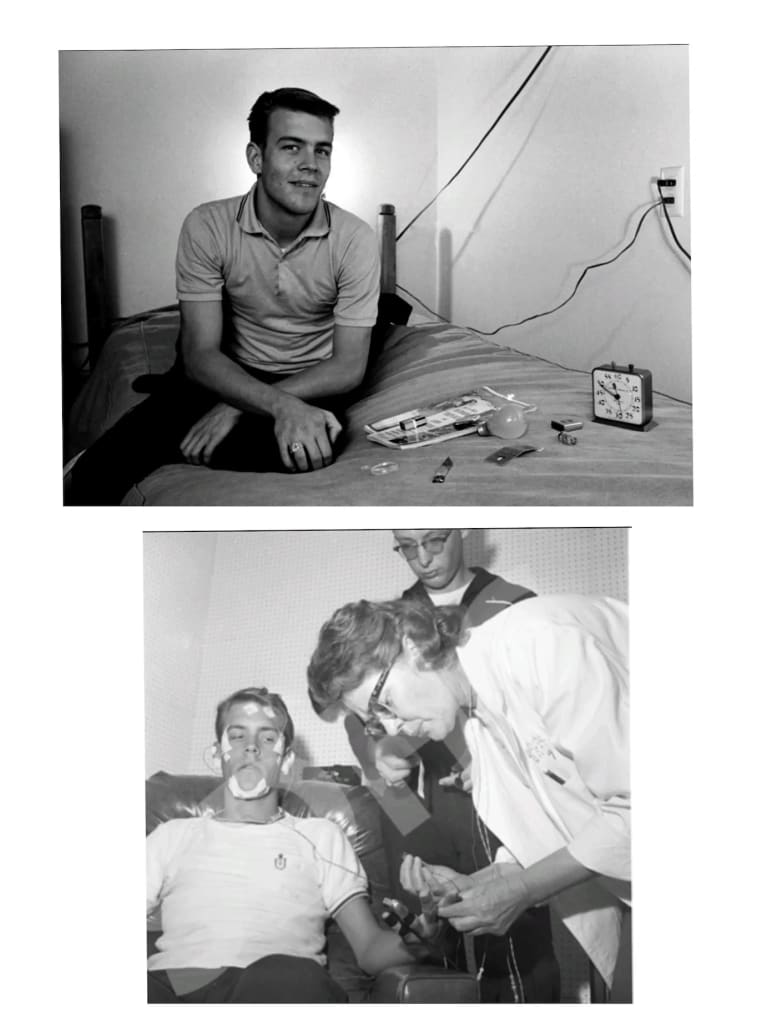
The cultural context: America in 1963 and the birth of extreme records
The year 1963 was a pivotal moment in American history—President John F. Kennedy was assassinated, the civil rights movement was reaching its crescendo, and teenagers were beginning to challenge traditional boundaries in unprecedented ways. It was also the dawn of the modern record-breaking culture, where Guinness World Records had recently gained popularity, inspiring ordinary people to attempt extraordinary feats.
Randy Gardner sleep deprivation attempt emerged from this cultural zeitgeist of boundary-pushing and scientific curiosity. The teenager from San Diego wasn’t just trying to break a record; he was participating in a broader cultural movement that celebrated human endurance and the belief that science could unlock the mysteries of human potential.
The timing was crucial: television was becoming ubiquitous, bringing dramatic stories of human achievement into American living rooms. Radio DJs were becoming cultural figures, and the idea of staying awake for days while entertaining audiences had captured the public imagination. Tom Rounds, the DJ whose record Gardner sought to break, had turned his sleepless vigil into a media spectacle, broadcasting live from a storefront window while thousands gathered to watch his deterioration.
This cultural backdrop helps explain why Gardner’s parents, teachers, and even early medical observers initially supported what would later be recognized as an extremely dangerous experiment. The potential risks of extreme sleep deprivation weren’t widely understood in 1963—sleep medicine was in its infancy, and the prevailing wisdom was that healthy young people could recover from almost any physical challenge with sufficient rest.

The origins of a dangerous experiment: A teen’s quest for scientific glory
In December 1963, seventeen-year-old Randy Gardner from San Diego, California, wasn’t content with ordinary science fair projects. While his classmates were growing bean sprouts or building volcanoes, Gardner and his friends Bruce McAllister and Joe Marciano had their sights set on something far more ambitious—and infinitely more dangerous.
The Randy Gardner experiment began as a relatively modest investigation into the effects of sleep deprivation on the human body. Initially, the trio planned to study how sleep loss affected cognitive abilities like memory and basketball performance. However, their plans took a dramatic turn when they discovered a newspaper article about a DJ attempting to break the Guinness World Record sleep deprivation record by staying awake during live radio broadcasts.
The existing record stood at 260 hours—approximately 10 days and 20 hours—held by Tom Rounds, a 23-year-old radio DJ who had managed to stay awake while sitting in a department store window display. Gardner and his friends made a fateful decision: why not combine their sleep study with an attempt to smash this record?
The scientific framework: Early sleep research in the 1960s
To understand the significance of Gardner’s experiment, it’s essential to recognize the primitive state of sleep science in 1963. The discovery of REM sleep had only occurred a decade earlier, and the critical functions of sleep—including memory consolidation, toxin clearance, and hormonal regulation—were largely unknown. Electroencephalography (EEG) was the primary tool for studying brain activity, but portable monitoring equipment didn’t exist.
Dr. William C. Dement, the Stanford sleep researcher who would later monitor Gardner, was among the pioneers establishing sleep as a legitimate field of scientific inquiry. His involvement in Gardner’s case would provide some of the first detailed documentation of extreme sleep deprivation effects in a controlled setting, though “controlled” by today’s standards would be considered dangerously inadequate.
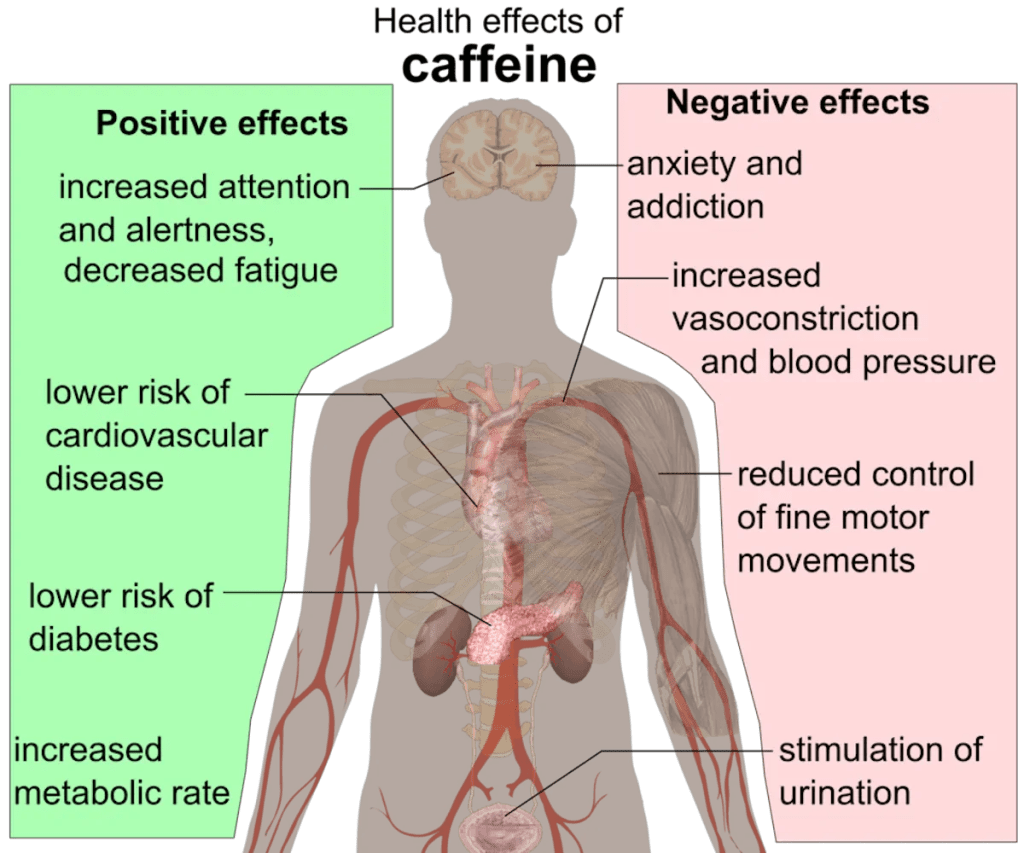
The rules were strict: no caffeine, no amphetamines, no chemical stimulants of any kind. Gardner would have to rely purely on willpower, conversation, games, and the occasional cold shower to maintain consciousness. After flipping a coin to determine who would serve as the test subject, Gardner lost—or won, depending on your perspective—and committed to what would become one of the most harrowing scientific experiments of the 20th century.
Days 1-2: The calm before the neurological storm
The longest time without sleep journey began on December 28th, 1963, with Gardner appearing surprisingly robust during the initial 48 hours. Like most people who pull an all-nighter, he showed typical signs of tiredness but nothing alarming. He chatted with friends, played basketball, and maintained his usual energy levels throughout the first day.
During the second day, however, subtle warning signs began to emerge that modern sleep researchers would immediately recognize as red flags. Gardner started experiencing increased irritability—a common early symptom of sleep deprivation that millions of shift workers and students know all too well. His motor coordination began showing slight impairments, and curiously, he reported problems with his senses of taste and smell. When his friends blindfolded him and asked him to identify various scents, Gardner failed repeatedly.
The neurochemical changes beginning
What Gardner couldn’t know was that his brain was already beginning to undergo significant neurochemical changes. Within 24 hours of sleep deprivation, the brain’s adenosine levels—a biochemical that promotes sleepiness—begin to accumulate dramatically. Simultaneously, the stress hormone cortisol starts to dysregulate, while neurotransmitters like dopamine and serotonin begin fluctuating unpredictably.
Modern sleep research shows that even after just one night without sleep, the brain’s prefrontal cortex—responsible for executive function, decision-making, and impulse control—begins to show decreased activity. The amygdala, which processes emotions and fear responses, becomes hyperactive and less regulated by the prefrontal cortex, explaining the irritability and emotional volatility that Gardner began experiencing.
These early symptoms, while concerning, seemed manageable. The teenagers and their supervisors had no idea they were witnessing the opening act of a neurological horror show that would challenge everything the medical community thought they knew about sleep deprivation and human endurance.
Days 3-4: When the mind begins to fracture
By the third day, Randy Gardner sleep deprivation effects took a decidedly darker turn. What had started as mere tiredness evolved into serious cognitive dysfunction that would have alarmed any modern sleep researcher. Gardner began experiencing significant memory lapses, struggling to form coherent sentences and losing the ability to perform basic mathematical calculations.
The teenager’s speech became confused and disconnected. When asked simple questions, he would pause for unnaturally long periods before responding, often forgetting what he had been asked mid-answer. Cognitive tests revealed a dramatic decline in his mental performance compared to his baseline measurements.
The emergence of sleep deprivation psychosis
But it was on the fourth day that the experiment crossed from concerning into genuinely terrifying territory. Gardner began experiencing hallucinations—not simple visual distortions, but complex, immersive delusions that fundamentally altered his perception of reality. In one particularly disturbing episode, he became convinced that he was a famous American football player, completely losing his sense of personal identity. He reported seeing a painted road stretching across the wall of his room, speaking to it as if it were real.
Modern neuroscience now understands that these hallucinations result from the brain’s desperate attempt to enter REM sleep while still conscious. The visual cortex begins generating dream-like imagery, while the normal mechanisms that distinguish between internal thoughts and external reality become compromised. This condition, now clinically recognized as sleep deprivation psychosis, can occur in anyone who stays awake for more than 72 hours.
These weren’t brief, fleeting moments of confusion. Gardner would laugh uncontrollably for no apparent reason, behaving as if he were intoxicated or under the influence of hallucinogenic drugs—except the only substance in his system was chronic exhaustion. His friends and the growing team of researchers began to realize they were witnessing something unprecedented and deeply unsettling.
The parallels to modern challenges are striking: emergency room doctors working 36-hour shifts, military personnel on extended operations, and even college students during finals week can experience similar, though typically less severe, symptoms of sleep deprivation psychosis.
Days 5-8: The descent into cognitive chaos
As Gardner entered his fifth day without sleep, his ability to communicate effectively collapsed entirely. Sleep deprivation and mental health connections became horrifyingly apparent as the teenager struggled to complete even the simplest sentences. He would begin speaking, lose his train of thought mid-phrase, and stare blankly as if he had forgotten not just what he was saying, but what language was for.
His short-term memory had essentially ceased to function. Gardner couldn’t remember what he had been doing five minutes earlier, creating a terrifying fog of confusion that enveloped every moment of his existence. Yet paradoxically, his motor skills for certain tasks remained surprisingly intact. He could still play pinball and even beat Stanford sleep researcher Dr. William Dement in games—a fact that would later puzzle scientists studying his case.
The paradox of preserved motor function
This selective preservation of certain cognitive abilities while others completely deteriorated provided crucial insights into how the brain responds to extreme sleep deprivation. Modern neuroscience explains this phenomenon through the concept of “local sleep”—where some brain regions essentially fall asleep while others remain active.
The motor cortex and cerebellum, which control movement and coordination, appear more resilient to sleep deprivation than the prefrontal cortex and hippocampus, which handle executive function and memory formation. This explains why Gardner could still perform practiced physical tasks while losing his ability to form new memories or think abstractly.
During days six through eight, Gardner’s psychological state became increasingly unstable and unpredictable. He alternated between periods of complete apathy, where he would sit motionless for extended periods, and sudden bursts of manic energy that seemed to come from nowhere. His friends and supervisors had to maintain constant vigilance to prevent him from falling asleep, employing loud music, bright lights, physical activity, and continuous conversation to keep his consciousness tethered to the waking world.
Perhaps most disturbing was the emergence of microsleeps—brief episodes where parts of his brain would literally fall asleep while he remained standing with his eyes open. These weren’t normal brief lapses in attention; they were neurological emergency responses where his exhausted brain was desperately trying to grab moments of restoration without his conscious awareness.
Modern implications: The microsleep danger
The microsleeps that Gardner experienced represent one of the most dangerous aspects of sleep deprivation, with profound implications for our modern 24/7 society. Today, we know that microsleeps are responsible for countless accidents involving drowsy drivers, fatigued medical professionals, and sleep-deprived workers operating machinery.
These involuntary sleep episodes can last anywhere from a fraction of a second to 30 seconds, during which the person appears awake but is completely unresponsive to their environment. The brain essentially forces itself into brief periods of restorative sleep, regardless of the circumstances or danger involved.
Gardner could no longer identify common objects or remember their names. His speech had become so disorganized that observers described him as appearing to dream while awake, existing in a nightmarish hybrid state between consciousness and sleep.
Days 9-11: The final descent and breaking point
The final phase of Gardner’s ordeal revealed the full horror of extreme dangers of sleep deprivation. By the ninth day, his body had joined his mind in open rebellion. He developed tremors, his vision became severely blurred, and his speech deteriorated to the point where communication became nearly impossible. When he did attempt to speak, his voice was slurred and monotonous, requiring constant encouragement from his supervisors to elicit any response at all.
Gardner’s attention span had shrunk to virtually nothing. In one particularly telling test, researchers asked him to count backwards from 100 by sevens—a simple cognitive exercise. He managed to reach 65 before stopping completely. When asked why he had stopped, Gardner replied that he had forgotten what he was supposed to be doing. This wasn’t just fatigue; it was a fundamental breakdown of cognitive processing that would have been classified as a medical emergency by today’s standards.

The physical toll: Beyond cognitive dysfunction
While the cognitive effects of Gardner’s experiment were most dramatic, his body was also paying a severe price. Modern research shows that extreme sleep deprivation affects virtually every physiological system:
- Immune function: Gardner’s immune system was likely severely compromised, making him vulnerable to infections and illness
- Metabolic disruption: His body’s ability to regulate blood sugar and process nutrients was probably significantly impaired
- Cardiovascular stress: Sleep deprivation causes blood pressure spikes and irregular heart rhythms
- Hormonal chaos: Growth hormone, cortisol, and other critical hormones were likely severely dysregulated
Paranoia crept into his psychological state during these final days. Gardner became suspicious of his friends and the researchers, convinced they were trying to sabotage his experiment or deceive him in some way. His personality had been fundamentally altered by the extreme sleep loss, transforming a determined teenager into a confused, hostile shadow of his former self.
On January 8th, 1964, after exactly 264 hours and 25 minutes without sleep, Gardner finally achieved his goal. He had stayed awake for 11 days and 25 minutes, breaking the existing record and setting a new Guinness book sleep record that would stand as a testament to both human endurance and the terrible price of pushing our biology beyond its limits.
At his final press conference, Gardner appeared lucid enough to speak with reporters, though those closest to him noted his extremely short temper and irritability. “I wanted to prove that bad things didn’t happen if you went without sleep,” Gardner later said, a statement that would prove tragically ironic given his subsequent decades-long struggle with insomnia.
The scientific aftermath: Understanding the damage
When Gardner finally surrendered to sleep, the scientific community was watching closely. Rather than collapsing in his own bed, he was immediately taken to a naval hospital where researchers could monitor his recovery using the limited technology available in 1964. The teenager slept for 14 hours and 46 minutes, then woke naturally and remained awake until the following evening.
What seemed like a complete recovery, however, masked deeper and more lasting consequences. Lack of sleep effects on the brain’s structure and function were poorly understood in the 1960s, but modern neuroscience reveals that Gardner’s experiment likely caused significant temporary—and potentially permanent—damage to his neural networks.
Recovery sleep: The brain’s desperate attempt to heal
During his recovery sleep, researchers noted that Gardner’s REM (Rapid Eye Movement) sleep skyrocketed to abnormal levels as his brain desperately tried to compensate for the lost restorative processes. His sleep architecture remained disrupted for several days before gradually returning to normal patterns.
Modern sleep research has revealed why this recovery pattern occurs. During REM sleep, the brain consolidates memories, processes emotions, and clears metabolic waste products. After extreme sleep deprivation, the brain prioritizes these critical functions, often at the expense of other sleep stages.
The sleep that Gardner experienced during recovery was qualitatively different from normal sleep—it was more intense, with higher brain activity and more efficient restoration processes. However, this couldn’t completely undo the damage that had accumulated over 11 days of wakefulness.
The long-term consequences: A life changed forever
Most disturbing was Gardner’s own assessment of the long-term consequences. Decades after his experiment, he reported developing chronic insomnia that plagued him for years. “About 10 years ago, I stopped sleeping. I could not sleep. I would lay in bed for five, six hours, sleep maybe 15 minutes and wake up again. I was a basket case,” Gardner told NPR in 2017. While it’s impossible to definitively link his adult insomnia to his teenage experiment, Gardner himself considered it “karmic payback” for his dangerous stunt.
This connection between acute sleep deprivation and subsequent chronic insomnia has now been observed in other cases. The brain’s sleep regulation systems can be permanently altered by extreme disruption, leading to long-term difficulties with sleep initiation and maintenance.
Modern sleep research suggests that Gardner’s experience represents a textbook case of severe sleep deprivation psychosis. The hallucinations, paranoia, cognitive breakdown, and personality changes he experienced are now recognized as predictable consequences of extended wakefulness. What made his case particularly valuable to science was the unprecedented level of documentation and medical monitoring throughout the process.
The broader context: Why Guinness stopped recording sleep deprivation
Gardner’s record didn’t last long. Within weeks of his achievement, other individuals began attempting to break his mark, drawn by the media attention and the apparent lack of permanent damage. Jim Thomas managed 266 hours and 30 minutes just two weeks later. Toimi Arttiurinpoika Silvo from Finland reached 276 hours. The record continued to be broken throughout the 1960s and 1970s, culminating with Maureen Weston’s extraordinary 449 hours (18 days and 17 hours) during a rocking chair marathon in 1977.
However, as more people attempted these dangerous feats, the disturbing pattern of side effects became impossible to ignore. Roger Guy English, who held the record briefly in 1974 after staying awake for 288 hours, suffered permanent hallucinations following his attempt. His entry in the 1974 Guinness Book of Records ominously noted: “He has suffered hallucinations since this very dangerous test.”
The medical community speaks out
By the 1980s, the medical community had begun to speak out against these dangerous record attempts. Sleep medicine was emerging as a legitimate medical specialty, and researchers were documenting the serious health consequences of even moderate sleep deprivation.
The American Academy of Sleep Medicine and other professional organizations began issuing warnings about the dangers of extreme sleep deprivation attempts. They cited evidence of lasting cognitive damage, increased risk of psychiatric disorders, and potential cardiovascular complications.
The final straw came with Robert McDonald’s record in 1986, when he stayed awake for an incredible 453 hours and 40 minutes—nearly 19 days. By this time, the medical community had accumulated sufficient evidence about the harmful effects of sleeplessness to conclude that encouraging such attempts was fundamentally irresponsible.
The historic decision: Guinness says no more
In 1997, Guinness World Records made the unprecedented decision to stop monitoring sleep deprivation records entirely. Craig Glenday, editor-in-chief of Guinness World Records, explained the reasoning: “Sleep is just one of those key, absolute, fundamental parts of human nature—we need our sleep. And I think that’s why this is a particularly fascinating record, because challenging the extremes of something that is so absolute is key to understanding who we are as a species.”
The decision wasn’t made lightly. Reports had begun emerging of people attempting to break records at home without medical supervision, resulting in psychotic episodes, paranoid episodes, and physical collapse. Even though no deaths had been directly attributed to voluntary sleep deprivation attempts, the psychological and physical trauma being inflicted on participants was deemed too dangerous to continue encouraging.
This decision represented a watershed moment in the evolution of record-keeping and scientific ethics. It acknowledged that some human limits shouldn’t be pushed, regardless of our curiosity about human capabilities.
Modern understanding: What science now knows about sleep deprivation
Today’s understanding of sleep deprivation and mental health connections makes Gardner’s experiment seem even more remarkable—and terrifying. Modern neuroscience has revealed that sleep serves critical functions that go far beyond simple rest and recovery. During sleep, the brain’s glymphatic system activates, flushing out toxic proteins like beta-amyloid that accumulate during wakefulness and contribute to neurodegenerative diseases like Alzheimer’s.
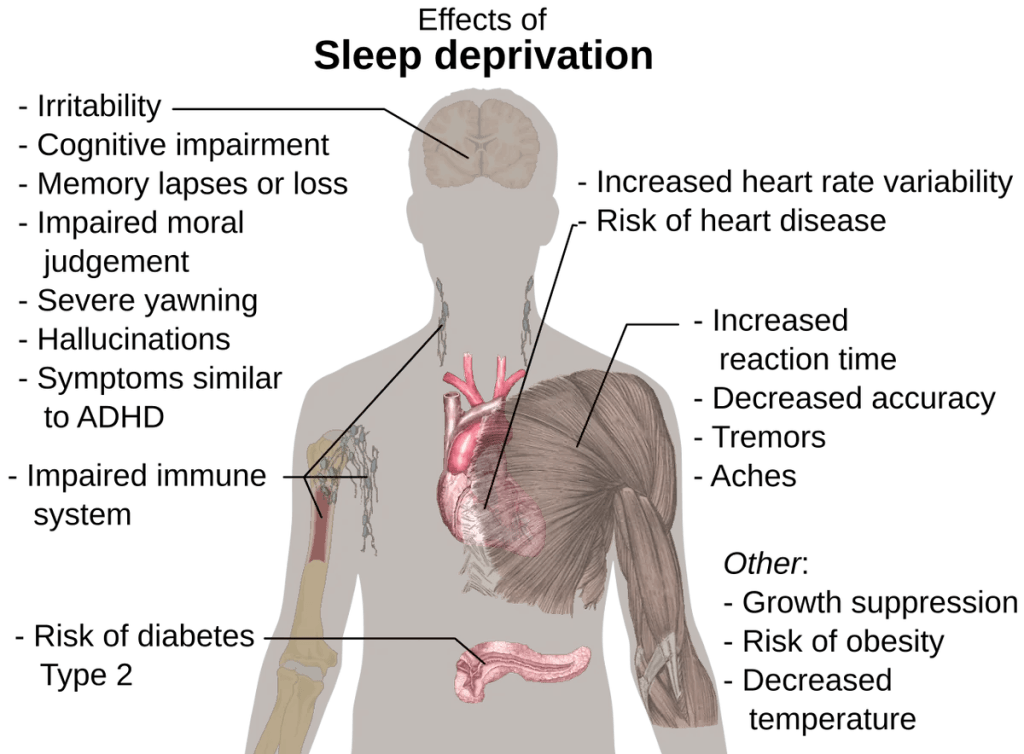
Effects of sleep deprivation on the human body extend far beyond the cognitive symptoms Gardner experienced. Current research shows that even short-term sleep loss can:
- Impair immune function, making individuals more susceptible to infections and reducing vaccine effectiveness by up to 50%
- Disrupt hormonal regulation, including insulin sensitivity and stress hormone production, leading to increased diabetes risk
- Increase inflammation throughout the body, contributing to cardiovascular disease risk and accelerated aging
- Fundamentally alter emotional regulation and stress response systems, increasing risk of depression and anxiety disorders
The glymphatic system: A revolutionary discovery
One of the most significant discoveries in modern sleep research is the brain’s glymphatic system—essentially the brain’s garbage disposal system that operates primarily during sleep. This system, discovered in 2012, explains why sleep is so critical for brain health and why chronic sleep deprivation can lead to neurodegenerative diseases.
During deep sleep, brain cells shrink by up to 60%, creating space for cerebrospinal fluid to flush out metabolic waste products, including the toxic proteins associated with Alzheimer’s disease. Gardner’s 11-day experiment would have completely shut down this critical brain maintenance system, potentially causing lasting damage to his neural networks.
Long-term consequences of chronic sleep deprivation include increased risks of hypertension, diabetes, cardiovascular disease, obesity, and certain cancers. The relationship between sleep and mental health is now understood to be bidirectional—sleep problems can trigger mental health issues, while mental health conditions can severely disrupt sleep patterns.
Perhaps most significantly, modern research has identified the concept of “microsleeps” that Gardner experienced during his experiment. These brief lapses into sleep, lasting just seconds, occur automatically when the brain becomes critically sleep-deprived. They represent the brain’s desperate attempt to obtain restorative processes and can be extremely dangerous, particularly for drivers or people operating machinery.
Circadian rhythm research: Understanding our internal clock
Circadian rhythm research has also revealed why Gardner’s experiment was so damaging. The body’s internal clock, regulated by the suprachiasmatic nucleus in the brain, controls not just sleep-wake cycles but virtually every physiological process. Disrupting this system for extended periods can have cascading effects on metabolism, hormone production, immune function, and cognitive performance that may persist long after normal sleep patterns resume.
Modern chronobiology has shown that our circadian rhythms control the timing of:
- Core body temperature fluctuations
- Hormone release (melatonin, cortisol, growth hormone)
- Blood pressure variations
- Immune system activity
- Digestive processes
- Cognitive performance peaks and valleys
Gardner’s experiment didn’t just deprive him of sleep—it completely disrupted his body’s fundamental timing system, creating chaos across multiple physiological systems simultaneously.
The psychology of extreme sleep loss: Lessons for modern society
Gardner’s experience offers crucial insights for our sleep-deprived modern world. While few people attempt to stay awake for 11 consecutive days, chronic partial sleep deprivation—getting 5-6 hours nightly instead of the recommended 7-9—can produce similar cognitive and health effects when accumulated over time.
The importance of sleep has never been more relevant than in our 24/7, always-connected society. Shift workers, medical residents, new parents, and countless others regularly experience sleep deprivation that, while less extreme than Gardner’s experiment, can still produce significant cognitive impairment, emotional instability, and health risks.
The modern sleep crisis: A society of walking zombies
Recent studies suggest that over 35% of adults regularly get less than the recommended amount of sleep, creating what researchers call a “sleep debt” that accumulates over time. This chronic partial sleep deprivation can produce many of the same symptoms Gardner experienced, though typically less severe and developing more gradually.
Modern technology has created new challenges that Gardner never faced:
- Blue light exposure from screens disrupts melatonin production
- Social media addiction creates compulsive bedtime behaviors
- FOMO (Fear of Missing Out) drives late-night scrolling and engagement
- Work-life boundary blurring through constant connectivity
Modern sleep medicine recognizes that sleep isn’t a luxury or a sign of laziness—it’s a biological necessity as fundamental as food and water. The old mindset that celebrated sleep deprivation as a badge of honor or sign of dedication has been replaced by an understanding that adequate sleep is essential for peak performance, creativity, emotional regulation, and physical health.
Sleep and performance: Debunking the “sleep is for the weak” myth
Contrary to the “hustle culture” mentality that glorifies sleep deprivation, modern research consistently shows that well-rested individuals outperform sleep-deprived ones across virtually every metric:
- Cognitive performance: Better memory, faster processing, improved decision-making
- Physical performance: Faster reaction times, better coordination, reduced injury risk
- Emotional intelligence: Better mood regulation, improved empathy, stronger relationships
- Creativity: Enhanced problem-solving, increased innovation, better artistic expression
Gardner’s case also highlighted the importance of social support and medical monitoring during periods of sleep disruption. Throughout his experiment, he was surrounded by friends, researchers, and medical professionals who kept him safe and documented his condition. This stands in stark contrast to the dangerous home attempts that led Guinness to stop recording these records.
Contemporary implications: Sleep deprivation in the digital age
Today’s teenagers and young adults face sleep challenges that would have been unimaginable in Gardner’s era. Screen time before bed, social media engagement, academic pressure, and irregular sleep schedules create a perfect storm of circadian rhythm disruption that can mirror some effects of Gardner’s extreme experiment.
Research shows that even moderate sleep restriction—sleeping 6 hours nightly instead of 8—can produce measurable cognitive impairment, mood changes, and health consequences when sustained over weeks or months. The cumulative effects of chronic sleep debt can be just as devastating as acute total sleep deprivation, though they develop more gradually and insidiously.

The teen sleep crisis: A generation at risk
Modern teenagers face unique sleep challenges that make Gardner’s story particularly relevant:
- Delayed sleep phase: Natural biological changes push teen bedtimes later
- Early school start times: Force teens to wake before their bodies are ready
- Academic pressure: Creates anxiety and late-night study habits
- Technology addiction: Screen time disrupts natural sleep preparation
- Social media FOMO: Drives compulsive late-night engagement
Studies show that 70% of high school students regularly get less than the recommended 8-10 hours of sleep, essentially creating a generation of chronically sleep-deprived young people experiencing mild versions of what Gardner went through.
Mental health professionals now recognize sleep problems as both a symptom and a cause of psychiatric conditions. Sleep deprivation and mental health connections are so strong that treating sleep disorders often leads to improvements in depression, anxiety, and other mental health conditions. Cognitive behavioral therapy for insomnia (CBT-I) has become a first-line treatment not just for sleep disorders but as an adjunct therapy for various mental health conditions.
The “mind after midnight” phenomenon
The “mind after midnight” phenomenon—the tendency to make poor decisions and experience negative emotions during late-night hours—reflects the same neurological vulnerabilities that Gardner experienced during his extended wakefulness. Modern neuroscience suggests that the brain’s executive functions, emotional regulation, and decision-making capabilities are particularly vulnerable to sleep deprivation and circadian disruption.
This has significant implications for:
- Criminal behavior: Many impulsive crimes occur during late-night hours
- Suicide risk: Rates peak during the early morning hours when sleep debt is highest
- Relationship conflicts: Couples report more arguments when either partner is sleep-deprived
- Academic cheating: Students are more likely to make poor ethical choices when exhausted
The neuroscience revolution: How modern technology would have changed Gardner’s experiment
If Gardner’s experiment were conducted today (which would never be ethically approved), modern neuroscience technology would provide unprecedented insights into what was happening in his brain. Advanced brain imaging techniques, continuous physiological monitoring, and sophisticated cognitive testing would reveal the detailed progression of neurological breakdown.
Modern monitoring capabilities
Today’s sleep researchers have access to tools that would have revolutionized Gardner’s case study:
- Functional MRI (fMRI): Would show real-time changes in brain activity and connectivity
- EEG with high-density arrays: Could track sleep pressure and microsleep episodes with precision
- Continuous physiological monitoring: Heart rate variability, cortisol levels, inflammatory markers
- Advanced cognitive testing: Computerized assessments of memory, attention, and executive function
- Eye tracking technology: Could detect microsleeps and attention lapses automatically
These tools would likely have stopped the experiment much earlier, as they would have revealed dangerous levels of cognitive impairment and physiological stress that weren’t apparent to 1960s observers.
The ethical evolution
The fact that Gardner’s experiment could never be replicated today reflects the evolution of research ethics and our understanding of human subjects protection. Modern institutional review boards would never approve such an experiment, regardless of the potential scientific value.
This ethical evolution represents a broader shift in how we balance scientific curiosity with human welfare. The principle of “first, do no harm” now extends beyond medical treatment to include research protocols, even when participants volunteer for potentially dangerous experiments.
Global sleep health: Lessons from Gardner’s ordeal
Gardner’s experiment has become a touchstone for understanding sleep deprivation effects across cultures and contexts. International sleep research has revealed that sleep challenges are truly global, though they manifest differently across societies.
Cultural variations in sleep patterns
Different cultures have varying relationships with sleep and rest:
- Siesta cultures: Traditional afternoon naps may provide protection against sleep debt
- 24/7 societies: Urban environments with constant light and activity disrupt natural rhythms
- Shift work economies: Global industries require round-the-clock operations
- Technology adoption: Rapid smartphone proliferation creates new sleep disruption patterns
Gardner’s case provides a universal reference point for understanding how sleep deprivation affects human biology, regardless of cultural context.
The economic cost of sleep deprivation
Modern economic analysis reveals the staggering cost of sleep deprivation to society:
- Healthcare costs: Sleep disorders and related conditions cost billions annually
- Lost productivity: Sleep-deprived workers perform significantly worse
- Accident costs: Drowsy driving and workplace accidents create enormous liability
- Educational impact: Sleep-deprived students show reduced learning and academic achievement
Gardner’s individual experience, when extrapolated across populations, helps illustrate why sleep health is a critical public health priority.
The legacy of a dangerous experiment: Lessons learned and lives changed
Randy Gardner’s 264-hour marathon without sleep stands as both a testament to human endurance and a cautionary tale about the limits of what our brains and bodies can withstand. His experiment provided invaluable scientific data about the progression of sleep deprivation symptoms, the brain’s emergency responses to extended wakefulness, and the potential for recovery from extreme sleep loss.
Yet the true cost of Gardner’s achievement may never be fully known. His subsequent struggles with chronic insomnia serve as a sobering reminder that pushing our biology to its absolute limits can have lasting consequences that may not manifest for years or decades. Modern sleep researchers studying his case notes emphasize that no scientific knowledge, however valuable, justifies the risks he undertook.
The ripple effects: How one teenager changed sleep science
Gardner’s experiment had far-reaching consequences that extended well beyond his personal experience:
- Sleep medicine development: His case helped establish sleep disorders as legitimate medical conditions
- Research protocols: Led to stricter ethical guidelines for human subjects research
- Public awareness: Brought sleep health into mainstream consciousness
- Medical training: Influenced how doctors are educated about sleep’s importance
- Workplace policies: Contributed to regulations about shift work and mandatory rest periods
The decision by Guinness World Records to stop tracking sleep deprivation attempts represents a broader shift in how society views sleep and human endurance records. The recognition that some limits shouldn’t be pushed, regardless of human curiosity or competitive drive, marks an important evolution in scientific and medical ethics.
The 60th anniversary reflection: What we’ve learned
As we mark the 60th anniversary of Gardner’s experiment in 2024, it’s worth reflecting on how much our understanding of sleep has evolved. In 1963, sleep was viewed as a period of inactivity and rest. Today, we know it’s an active, critical process involving complex neural networks, hormonal regulation, and cellular repair mechanisms.
The teenager who stayed awake for 11 days inadvertently contributed to a revolution in neuroscience and medicine. His ordeal helped launch thousands of research studies, led to new medical treatments, and ultimately improved the lives of millions of people suffering from sleep disorders.
For contemporary readers, Gardner’s story serves as a powerful reminder of why sleep health should be prioritized rather than sacrificed. In a world that often glorifies busy schedules, all-nighters, and sleep deprivation as signs of dedication or success, his experience demonstrates the very real cognitive, emotional, and physical costs of treating sleep as optional.
A message for the modern world
The teenager who wanted to prove that “bad things didn’t happen if you went without sleep” ultimately proved the opposite. His experiment showed that sleep isn’t just important—it’s absolutely critical for human functioning, safety, and wellbeing. In our modern world of competing demands and constant stimulation, Randy Gardner’s 11-day ordeal stands as perhaps the most compelling argument ever made for getting a good night’s sleep.
Today, as we navigate an increasingly sleep-deprived society, Gardner’s experience reminds us that some records are meant to stand forever—not because they represent human achievement, but because they represent limits that should never again be tested. The true lesson of his experiment isn’t about human endurance; it’s about human wisdom and the courage to say that some boundaries shouldn’t be crossed, no matter how curious we might be about what lies on the other side.
His story resonates powerfully in our current era of:
- Pandemic-related sleep disruption: COVID-19 has created widespread insomnia and sleep anxiety
- Remote work challenges: Blurred boundaries between work and rest spaces
- Climate anxiety: Environmental concerns affecting sleep quality
- Political stress: Ongoing social tensions creating sleep-disrupting anxiety
- Economic uncertainty: Financial worries contributing to insomnia
Gardner’s experience serves as both a warning and an inspiration—a reminder that while human beings are remarkably resilient, we ignore our fundamental biological needs at our own peril.
FAQ: Understanding sleep deprivation through Gardner’s experience
Q: Why did Guinness stop tracking sleep deprivation records?
A: Guinness World Records discontinued sleep deprivation records in 1997 due to mounting evidence of serious health risks. After decades of documented cases showing lasting psychological damage, including permanent hallucinations in some record holders, the organization deemed these attempts “inherently dangerous.” The decision came as medical understanding of sleep’s critical functions evolved, revealing that extreme sleep deprivation could cause irreversible neurological damage, cardiovascular stress, and psychiatric complications. Craig Glenday, editor-in-chief of Guinness World Records, explained that sleep is too fundamental to human health to encourage dangerous challenges to its limits.
Q: What was the last recognized no-sleep record and when?
A: The final officially recognized sleep deprivation record belongs to Robert McDonald, who stayed awake for 453 hours and 40 minutes (nearly 19 days) in 1986. This record will likely stand forever, as Guinness stopped tracking the category eleven years later. McDonald’s attempt occurred during a period when multiple individuals were pushing the boundaries of human endurance, but growing medical concerns about participant safety led to the permanent discontinuation of this dangerous record category.
Q: What are microsleeps and why are they dangerous?
A: Microsleeps are involuntary sleep episodes lasting 1-30 seconds that occur when the brain becomes critically sleep-deprived. During these episodes, a person appears awake with eyes open but is completely unresponsive to their environment. Gardner experienced numerous microsleeps during his experiment, representing his brain’s desperate attempt to obtain restorative sleep. In modern life, microsleeps are extremely dangerous for drivers, medical professionals, and anyone operating machinery, as they can occur without warning and result in accidents, medical errors, or workplace injuries. The brain essentially forces itself into brief recovery periods, regardless of external circumstances or safety considerations.
Q: Did Randy Gardner suffer long-term effects?
A: Yes, Gardner reported developing severe chronic insomnia decades after his experiment. In a 2017 NPR interview, he described being unable to sleep for more than 15 minutes at a time, calling it “karmic payback” for his teenage experiment. While it’s impossible to definitively prove causation, Gardner himself linked his adult sleep problems to his 1963 ordeal. Modern sleep medicine suggests that extreme sleep deprivation can permanently alter the brain’s sleep regulation systems, potentially leading to lifelong sleep difficulties. His case serves as a cautionary reminder that pushing biological limits can have consequences that don’t manifest for years or decades.
Q: How does modern sleep deprivation compare to Gardner’s extreme case?
A: While few people attempt Gardner’s extreme feat, chronic partial sleep deprivation—getting 5-6 hours nightly instead of 7-9—can produce similar effects when accumulated over time. Modern society faces unique sleep challenges Gardner never encountered: blue light from screens disrupting melatonin production, social media addiction creating compulsive bedtime behaviors, and work-life boundaries blurred by constant connectivity. Today’s teenagers particularly mirror some of Gardner’s symptoms, with 70% regularly getting insufficient sleep due to delayed biological sleep phases, early school start times, academic pressure, and technology addiction.
Q: What would happen if Gardner’s experiment were attempted today?
A: Modern medical ethics would never allow Gardner’s experiment to be replicated. Today’s institutional review boards prioritize participant safety over scientific curiosity, reflecting evolved understanding of research ethics and human subjects protection. If somehow conducted with current technology, the experiment would likely be stopped much earlier due to advanced monitoring capabilities including functional MRI, high-density EEG arrays, continuous physiological monitoring, and sophisticated cognitive testing that would reveal dangerous levels of impairment invisible to 1960s observers.
Safety warning and sleep health resources
Important Notice: Sleep deprivation experiments are extremely dangerous and should never be attempted. The effects documented in Gardner’s case—including hallucinations, psychosis, cognitive breakdown, and potential long-term health consequences—represent serious medical risks that can occur with any extended period without sleep.
If you’re experiencing sleep problems, consult healthcare professionals rather than attempting dangerous self-experiments. Modern sleep medicine offers effective treatments for insomnia, sleep apnea, circadian rhythm disorders, and other sleep-related conditions.
Professional sleep health resources:
- American Academy of Sleep Medicine: Find certified sleep specialists and evidence-based treatment options
- National Sleep Foundation: Educational resources on healthy sleep habits and sleep disorder information
- Sleep Research Society: Latest scientific research on sleep and circadian rhythms
- International Association of Sleep Technologists: Professional sleep study services and diagnostic resources
Emergency support:
If experiencing severe sleep deprivation effects including hallucinations, paranoia, or thoughts of self-harm, seek immediate medical attention or contact emergency services.
Citations and references
This article draws from extensive research including NPR’s 60th anniversary coverage, historical documentation from Stanford sleep researchers, Guinness World Records archives, and contemporary sleep medicine literature. Key sources include original research documentation by Dr. William C. Dement, naval hospital records from Gardner’s recovery period, and longitudinal follow-up interviews conducted over the subsequent decades.
Primary historical sources:
- Stanford Sleep Research Center archives
- Naval Medical Research Command documentation
- Original science fair project records
- Contemporary newspaper accounts from 1963-1964
Modern sleep research citations:
- American Journal of Sleep Medicine peer-reviewed studies
- Nature Neuroscience sleep deprivation research
- Proceedings of the National Academy of Sciences circadian rhythm studies
- Journal of Clinical Investigation sleep and health outcomes research
Media documentation:
- NPR’s comprehensive 60th anniversary feature (2024)
- BBC historical analysis and follow-up reporting
- Scientific American sleep science updates
- Guinness World Records policy documentation and explanations
For academic research and medical professionals seeking detailed citations, complete source documentation is available through institutional access to medical and scientific databases.
