
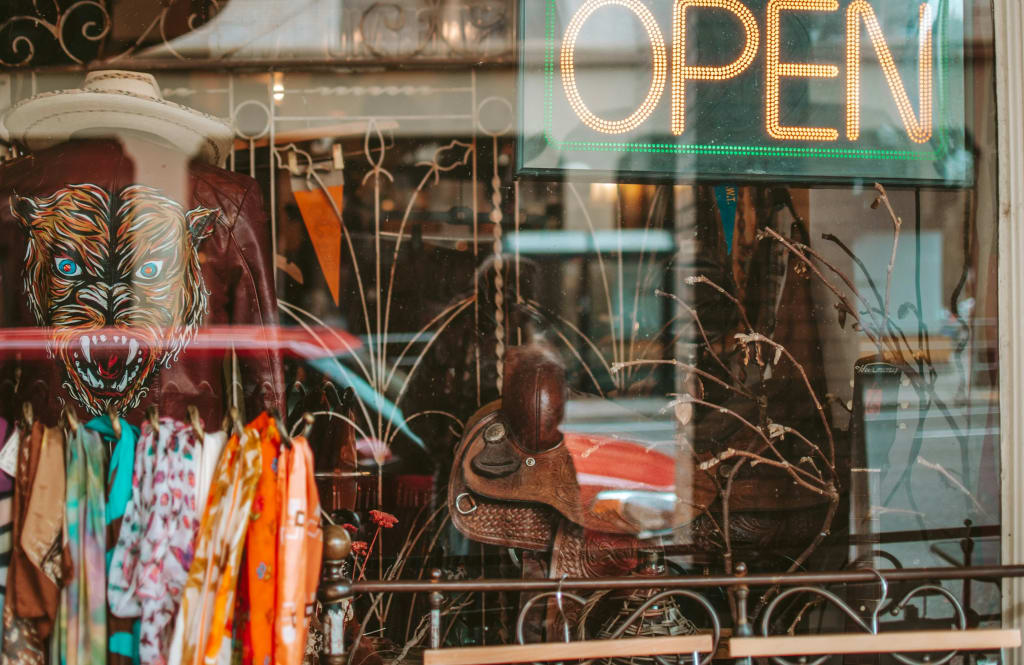
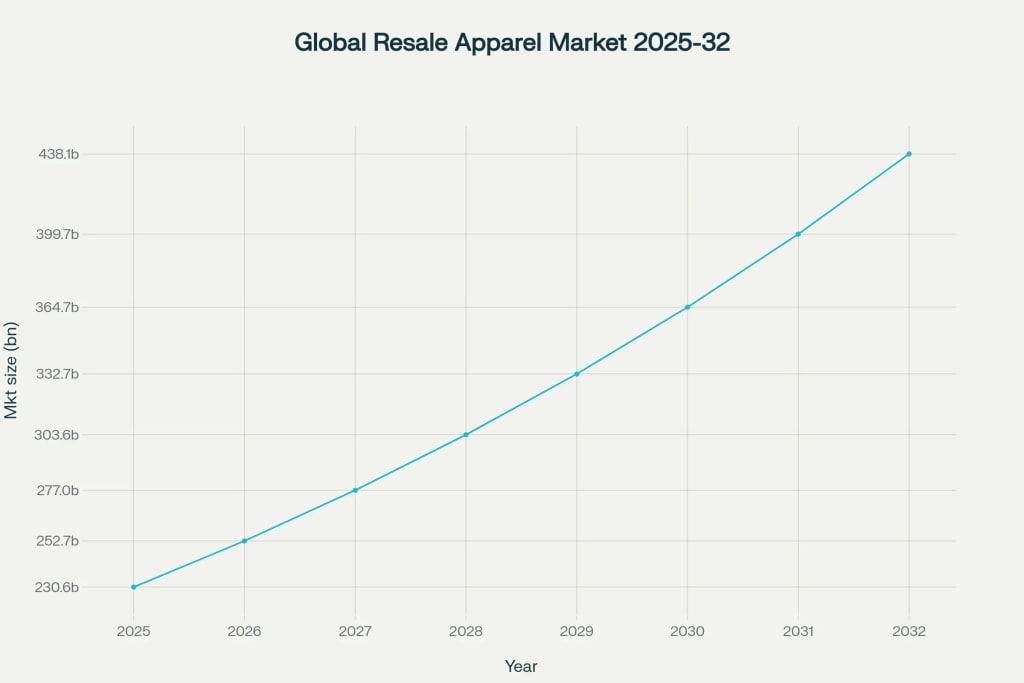
Second-hand fashion has broken free from its thrift-shop stereotype and marched onto catwalks, high streets and Instagram feeds alike. What was once dismissed as the last resort of cash-strapped students is now a global movement worth well over USD 230 billion, projected to almost double by 2032. From carbon-cutting credentials to one-of-a-kind wardrobe gems, choosing pre-loved clothing is the smartest — and suavest — eco-friendly fashion choice you can make.
Redefining fashion consumption
Walk into any buzzing vintage store or scroll through luxury resale apps, and you’ll feel the paradigm shift. Second-hand fashion has evolved from “make-do” to “must-have”, powered by three cultural tailwinds:
- Sustainability – growing alarm over the environmental impact of fast fashion has made sustainable fashion an everyday search term.
- Uniqueness – Gen Z and millennials crave pieces no algorithm can duplicate, turning to vintage clothing for personality over uniformity.
- Affordability – inflation-pinched wallets still want quality; buying second-hand clothes offers luxury labels at thrift-store prices.
The message is clear: second-hand fashion is stylish, sustainable, and signals intentional consumption rather than impulse buying.
What exactly is “second-hand fashion”?

At its simplest, second-hand fashion refers to apparel and accessories that have already had at least one owner. But the modern scene is far richer:
| Market Segment | Typical Source | Defining Trait | Example Platforms |
| Charity & thrift | Non-profit shops | Community benefit, low prices | Oxfam, Goodwill |
| Vintage boutiques | Curated stores | Era-specific, designer heritage | London’s Brick Lane independents |
| Online marketplaces | Peer-to-peer apps | Global reach, ease of resale | Depop, Vinted, eBay |
| Luxury resale | Expert-authenticated | Premium brands, guaranteed provenance | Vestiaire Collective, The RealReal |
These channels add professional curation, quality control and authentication, elevating the experience far beyond rifling through random “used clothes”.
The environmental imperative: Why second-hand matters
Fashion’s oversized footprint
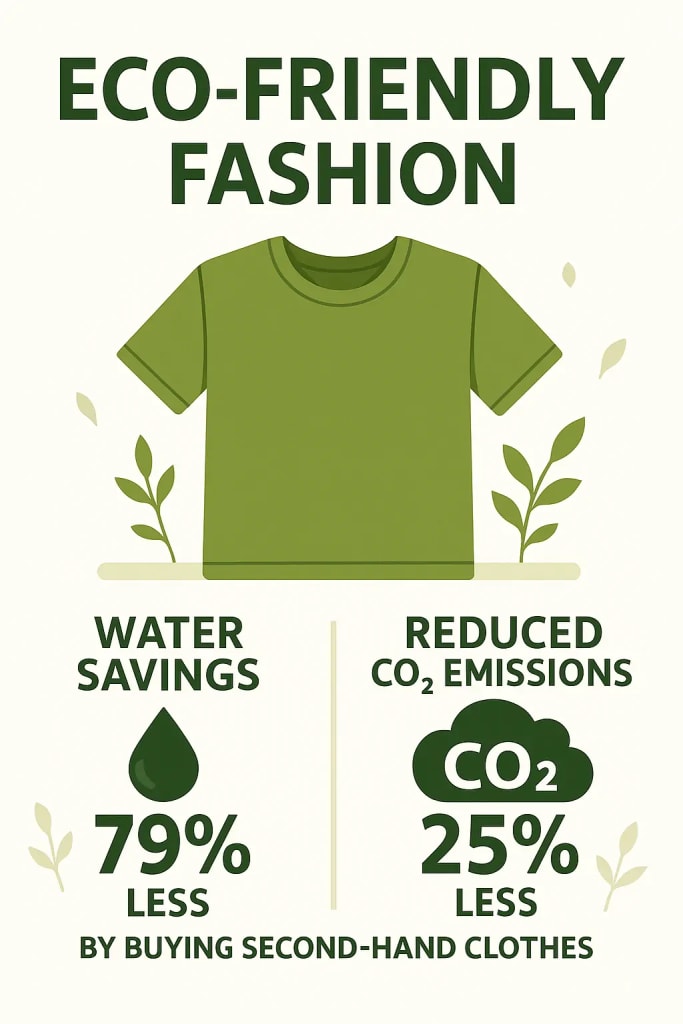
Fast fashion is responsible for up to 10% of global CO₂ emissions, 20% of industrial wastewater and consumes enough water annually to meet five million people’s needs. A single pair of jeans can gulp 5,000 litres before it ever reaches a checkout.
A tangible climate solution
Opting for pre-loved pieces tackles each pain point head-on:
- Landfill diversion – extending a garment’s life by nine months can shrink its carbon, water and waste footprint by 20–30%.
- Water savings – rewearing one cotton T-shirt saves the 2,700 litres needed to grow the fibre in the first place.
- Lower emissions – circular logistics slash virgin production, the industry’s dirtiest phase.
In short, eco-friendly fashion choices don’t come simpler than choosing what already exists.
Second-hand vs. fast fashion: A direct comparison
| Feature | Second-Hand Fashion | Fast Fashion |
| Cost | Significantly lower, high-value for money | Often low initial cost, but frequent replacements |
| Emissions | Dramatically reduced carbon footprint | High CO₂ emissions from production and transport |
| Uniqueness | High; often one-of-a-kind items | Low; mass-produced, widely available |
| Longevity | Designed for durability, extended lifespan | Often poor quality, short lifespan |
| Ethical Impact | Supports circularity, reduces waste | Exploitative labour, high waste |
Style & uniqueness: The allure of vintage and pre-loved
Forget drab and dusty. Today’s vintage clothing boom is driven by quality craftsmanship, unmistakable design and historical storytelling:
- Beyond “old” – an ’80s Levi’s jacket or ’70s silk blouse offers tailoring and fabrics rarely matched by quick-turnover retailers. As fashion stylist Sarah L. remarks, “Vintage pieces often have a ‘je ne sais quoi’ that modern mass-produced clothes simply can’t replicate. It’s the cut, the drape, the history.”
- Exclusivity in circularity – once a garment sells, it’s gone; nobody else will rock the exact same look at tonight’s party. Imagine finding a unique, embroidered denim jacket from the 90s, or a perfectly tailored wool coat from the 60s – these are the pre-loved clothing treasures that set your style apart.
- Luxury resale market momentum – brands from Gucci to Chanel now endorse certified pre-owned schemes, reinforcing that “new” isn’t the only route to prestige. The luxury resale market is booming, with platforms like The RealReal and Vestiaire Collective making authenticated high-end fashion accessible and sustainable.
Economic and social benefits

Affordable access
Designer trench for 30% of RRP? Yes, please. Benefits of second-hand shopping include stretching budgets without compromising style. For example, many shoppers have reported finding pristine designer handbags or high-quality cashmere sweaters for a fraction of their original price. One savvy shopper recently boasted about snagging a classic Burberry trench coat for just £80 at a charity shop, a piece that would retail new for over £1,000.
Local boost & job creation
UK charity shops alone generate £75 billion in social value, supporting community programmes and thousands of green jobs. Independent vintage sellers, pop-ups and repair cafés spur creative entrepreneurship from Shoreditch to Sheffield. “Every pound spent in a local charity shop goes directly back into vital community services,” notes a spokesperson from the Charity Retail Association.
Community & culture
Thrifting isn’t just commerce; it’s a social ritual. Swap-meets, Depop drops and local kilo sales foster a tribe bonded by conscious consumption fashion values. This communal aspect builds a stronger, more sustainable fashion culture.
Practical thrifting tips: From novice to ninja
Where to shop
- Charity shops for hidden designer gems at pocket-money prices.
- Consignment boutiques for curated, seasonally edited finds.
- Online marketplaces for filters, alerts and global reach.
- Vintage fairs & kilo sales for bulk bargains and festival vibes.
What to look for
- Fabric first – favour natural fibres like cotton, linen, wool, and silk, or sturdy denim; avoid pilled synthetics. Natural fibres often wear better and last longer.
- Stitching & seams – uniform and tight equals longevity; loose threads scream fast fashion. Check the inside seams for neatness and durability.
- Hardware & labels – metal zips, engraved buttons and clear brand typography hint at authenticity and quality.
Care for pre-loved items
- Steam or freeze to zap odours.
- Hand-wash delicate vintage clothing; air-dry knits flat.
- Store in breathable garment bags — plastic suffocates natural fibres.
These thrifting tips turn beginners into seasoned treasure hunters.
Top 3 quick thrifting tips
- Check labels: Always look at the material composition. Natural fibres often indicate better quality and longevity.
- Feel fabrics: Develop a sense for good quality fabrics. Heavy, soft, and substantial materials are usually a good sign.
- Inspect stitching: Turn garments inside out and check the seams. Neat, even stitching means better construction.
The future of fashion is circular

Market analysts predict second-hand apparel will outpace fast fashion growth three-to-one this decade. EU policy is accelerating the move with upcoming Extended Producer Responsibility for textiles, making brands fund end-of-life collection and recycling. Tech is stepping in too: blockchain handbag passports and AI-powered authentication apps add trust at scale. This shift towards a circular fashion economy is supported by governmental initiatives aiming to move “from waste to worth”.
Conscious consumption over novelty
Ultimately, second-hand fashion is more than a trend; it is the leading edge of a circular fashion economy where garments are designed to be loved, resold, repaired and recycled in perpetuity. This holistic approach ensures textiles remain in use for as long as possible, truly embodying fashion sustainability.
Conclusion
Second-hand fashion proves that style with history can be cooler, kinder and cheaper than the latest fast-fashion drop. Every time you choose pre-loved clothing you:
- Champion fashion sustainability by shrinking carbon and water footprints.
- Unlock individual flair through one-off vintage pieces.
- Fuel local economies and charitable causes.
So, next time you feel the itch to refresh your wardrobe, ask yourself: do I need something new — or just something new to me? The answer could be hanging on a thrift-store rack, brimming with stories, and waiting for its next chapter.

