
I’ve always felt a bit like a cultural archaeologist, sifting through the layers of the past to understand our present. And if there’s one site that yields more treasures than any other, it’s the vast, sprawling epic of The Beatles. You’d be hard-pressed to find a single person on this planet who hasn’t heard their name, a testament to their enduring power. They aren’t just a band; they’re a cultural landmark, a sonic touchstone, a collective memory. We talk about them as if they’ve always been here, but their story is a fascinating, complex, and, at times, tumultuous journey. It’s the kind of story you think you know, until you look closer and find a thousand little details you never knew you were missing.
This comprehensive guide, which I’ve had the pleasure of enriching and refining, is more than just a historical recount. It’s an exploration of how four working-class lads from Liverpool, a city still scarred by the war, managed to not just conquer the world, but to fundamentally change it. We’ll dive deep into their Beatles timeline, from the smoky clubs of Hamburg to the sophisticated studios of Abbey Road, and examine the Beatles’ influence on everything from fashion to philosophy. We’ll look at how their Beatles albums became more than just music, but instead, became statements of artistic intent, and how the Beatles breakup was not a sudden implosion, but the slow, inevitable result of a creative supernova.
I’m particularly fascinated by the idea of The Beatles as a living, breathing entity. Their Beatles legacy isn’t some dusty museum exhibit; it’s right there in the DNA of every indie band, every pop star with a guitar, and every artist who dares to use the recording studio as an instrument in itself. Just look at how many contemporary artists cite them as a primary influence. Their innovative spirit is still alive, still inspiring. It’s a bit like seeing the foundational stones of a modern skyscraper and realizing that the same principles of design and engineering are still in use today.

The origins and formation of the Beatles: a symphony of serendipity
The story, as all great stories do, begins with a bit of a rumble. Post-war Liverpool was a hotbed of energy, a place where young people were hungry for something new, something that wasn’t their parents’ music. John Lennon, a rebellious teenager with a fierce love for music, started a skiffle group called The Quarrymen in 1956. Skiffle was the punk rock of its day—you didn’t need much more than a guitar and some attitude. It was raw, it was immediate, and it was the perfect creative outlet for a young man who was, by his own admission, a bit of a neighborhood troublemaker.
Then, on a fateful summer day in 1957, another force of nature entered the picture. Paul McCartney, a boy who could play the guitar left-handed and knew the lyrics to “Twenty Flight Rock,” met Lennon. This wasn’t just a meeting; it was the Big Bang of popular music. Their chemistry was immediate and explosive, and their songwriting partnership would become the stuff of legend. It was a perfect blend of Lennon’s sharp, often cynical wit and McCartney’s melodic, romantic sensibility. Soon after, the youngest of the trio, George Harrison, a quiet but incredibly persistent guitar prodigy, joined the fold, despite Lennon’s initial reservations about his age.
The band went through a few aural facelifts before landing on their iconic name. They were The Quarrymen, then Johnny and the Moondogs, before their friend Stuart Sutcliffe, an art school pal who joined as bassist, suggested “Beatals” in homage to Buddy Holly and The Crickets. The name eventually evolved into The Beatles by 1960, a clever pun on “beat” music. With Pete Best on drums, the lineup was completed, and they were ready for their first big adventure.
The Beatles in Liverpool: walking in their footsteps
For any true fan, Liverpool isn’t just a city; it’s a pilgrimage site. This is where The Beatles’ story began, and you can still feel their presence on every street corner. Places that were once just ordinary spots are now hallowed ground for music lovers.
The Cavern Club, for instance, is not just a venue; it’s where their magic was first discovered. While the original club was demolished, a replica stands nearby, and it’s a surreal experience to stand in a recreation of the very room where Brian Epstein first saw them play. It’s impossible not to imagine the raw energy of their early performances in that cramped, sweaty basement. Another essential stop is The Beatles Story museum, an award-winning exhibition that takes you on a chronological journey through the band’s history, from their early days to their solo careers. It’s a fantastic way to immerse yourself in the timeline and see original artifacts.
Of course, no trip to Liverpool is complete without visiting the childhood homes of John Lennon and Paul McCartney, preserved by the National Trust. Walking through the doors of Mendips and Forthlin Road feels like stepping back in time, offering an intimate glimpse into the lives of the boys before they became global superstars. These aren’t just buildings; they’re the homes where they wrote some of their earliest songs, where the spark of genius was first ignited. For those looking for a comprehensive experience, tours like the Magical Mystery Tour bus offer a guided journey through all these iconic sites, providing context and stories that bring the city’s Beatles history to life.
Disclosure: This post contains affiliate links that help support and maintain this website. If you click through and make a purchase, I may earn a small commission at no extra cost to you.
The hamburg years: a crucible of rock and roll
If you want to understand the raw, untamed power of early Beatles records, you have to look at their time in Hamburg, Germany. From 1960 to 1962, the band essentially lived and breathed music in the seedy, vibrant clubs of the Reeperbahn district. This wasn’t a glamorous tour; it was a grueling musical apprenticeship. They played for hours on end, often to audiences of sex workers and their clients, in conditions that were, to put it mildly, less than ideal. Their living situation was equally rough; they slept in the back of a cinema, a detail that feels almost mythical in its grittiness.
But it was here, in this musical pressure cooker, that The Beatles transformed from a good band into an unstoppable one. As George Harrison famously said, “Hamburg was really like our apprenticeship, learning how to play in front of people”. They had to learn a massive repertoire of songs, from Chuck Berry to Little Richard, and this constant, intense performing honed their skills and built a bond that would carry them through the chaos of fame. Their last performances in Hamburg were at the Star-Club, by which point Ringo Starr had replaced Pete Best on drums, and they had already tasted their first success with “Love Me Do”. The Beatles live performances from this era are a testament to their raw energy and stage presence, a far cry from the polished performances of their later years.
The architects of success: the fifth Beatle and the producer’s producer
Every great band needs a great team behind them, and The Beatles had two of the best. The first was Brian Epstein, the man who saw the potential beneath the leather jackets and scruffy hair. Epstein, a record store manager with no prior experience in artist management, saw them perform at the Cavern Club in 1961 and was immediately captivated by their charisma and humor. He became their manager, and his genius was in knowing how to package their raw talent for a wider audience. He famously traded their leather jackets for matching suits and insisted on their now-iconic synchronised bow. Epstein’s belief in the band was unwavering, even when he made what seemed like an outrageous claim: that they would be “bigger than Elvis”. He wasn’t wrong.
The second key player was Sir George Henry Martin, often called the “fifth Beatle” for his pivotal role as their producer. Martin was a classically trained musician who initially produced comedy records at EMI’s Parlophone label. He saw something in The Beatles’ personalities and chemistry, even if he wasn’t entirely sold on their early songwriting. He was the one who helped them refine “Please Please Me,” transforming it from a slow ballad into their first major hit. Martin’s willingness to experiment and his ability to translate the band’s wild, creative ideas into tangible sound made him an invaluable collaborator. His influence on the Beatles’ music evolution cannot be overstated. He was a master craftsman, and The Beatles were his ultimate canvas.

The rise of Beatlemania: the world catches fire
It’s hard to imagine a time when The Beatles weren’t a household name, but their journey to global dominance started with a single, harmonica-led track. “Love Me Do,” released in October 1962, was their first original composition to be professionally recorded and released. It was a pivotal moment, and for Ringo, seeing their name on a vinyl record was more significant than anything else. The song reached number 17 in the UK charts, a respectable start that hinted at the tidal wave to come.
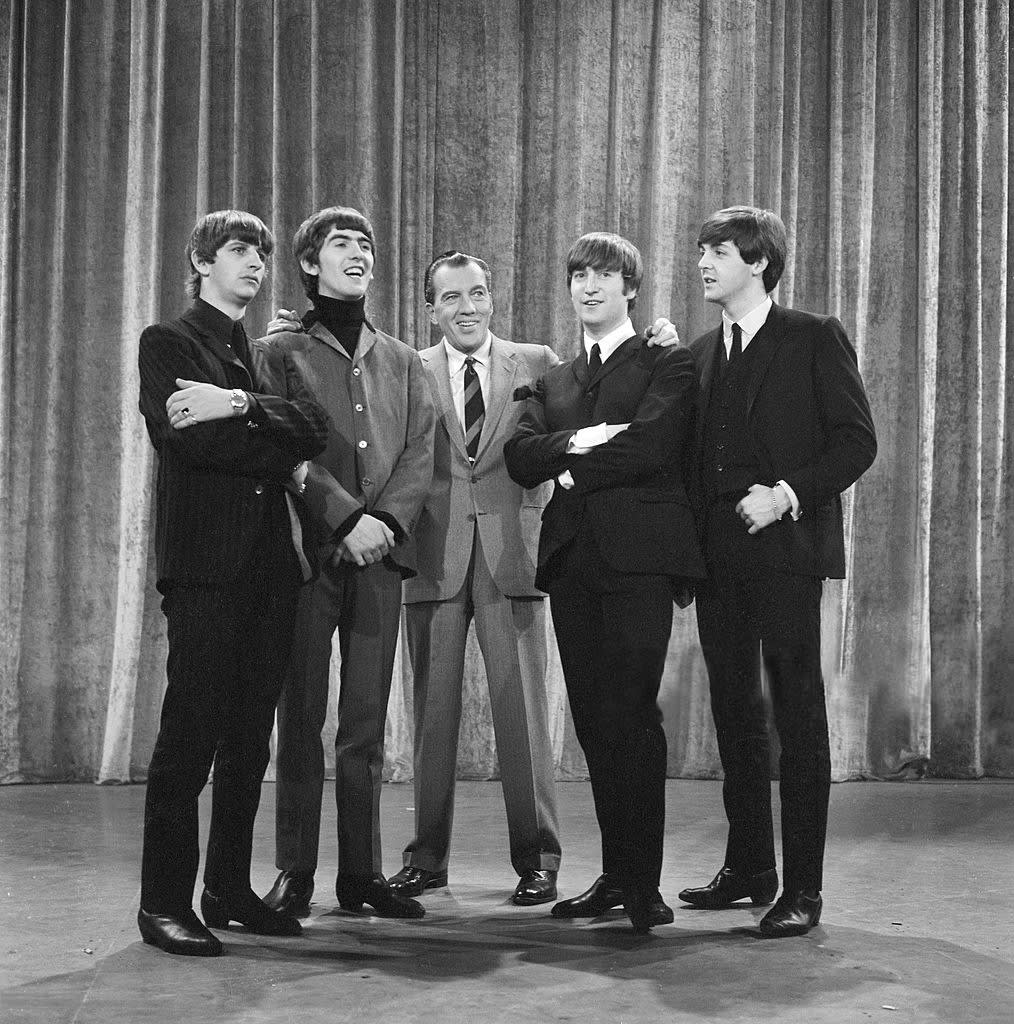
But the real seismic shift happened on a cold night in February 1964. The Beatles appeared on The Ed Sullivan Show, and for a nation still grieving the assassination of President Kennedy, their joyous, optimistic music was an emotional lifesaver. A staggering 73 million Americans tuned in, and in that single moment, Beatlemania was born. The sight of the band, the sound of the screaming girls, and their charming, witty banter with Sullivan created a cultural phenomenon that had never been seen before. It was a visual and auditory declaration that something new was happening, and it would change the face of popular music forever. This British Invasion band had officially landed on American shores, and they weren’t leaving anytime soon.
The Beatles studio albums: an odyssey of sound and spirit
The Beatles’ recording career is a masterclass in artistic growth and relentless innovation. It’s impossible to talk about their story without examining the incredible body of work they created in just a few short years. Each album is a snapshot of their evolution, a signpost on their journey from pop stars to serious artists.
- Please please me (1963): Their debut album was recorded in a single, frenetic day, capturing the raw energy of their live shows. It was a bold statement, proving they were a “self-contained rock band” who could write their own material.
- With the Beatles (1963): This album, recorded over several months, showed a band already evolving. It featured George Harrison’s first recorded composition and a more refined sound. The iconic cover art by Robert Freeman became a template for album design.
- A hard day’s night (1964): A landmark album, as it was the first to feature entirely original songs by Lennon-McCartney. This album coincided with their first film and cemented their place as global superstars.
- Rubber soul (1965): This album is often seen as their first major artistic statement. It was a turning point where fans began to appreciate the more progressive nature of their music and lyrics. The inclusion of a sitar on “Norwegian Wood” was a bold, experimental move that opened up new sonic possibilities.
- Revolver (1966): If Rubber Soul was a turning point, Revolver was a full-on revolution. Widely considered one of the greatest albums ever made, it found the band pushing the boundaries of what was possible in the studio, using tape loops, backward recordings, and string quartets.
- Sgt. pepper’s lonely hearts club band (1967): The pinnacle of their creative ambition. This wasn’t just an album; it was a cultural event, a “watershed moment” in pop music. The concept, the innovative production, and the elaborate artwork all contributed to a record that won the first Grammy for Album of the Year given to a rock album and cemented their status as serious, forward-thinking artists. This album’s influence on the broader counterculture movement is immense, shaping everything from fashion to art. .
- The Beatles (the white album) (1968): A sprawling, double-album masterpiece that showcased both the incredible breadth of their creativity and the growing tensions within the band. With 30 tracks, it was a showcase of each member’s individual voice, from the heavy rock of “Helter Skelter” to the avant-garde soundscapes of “Revolution 9”.
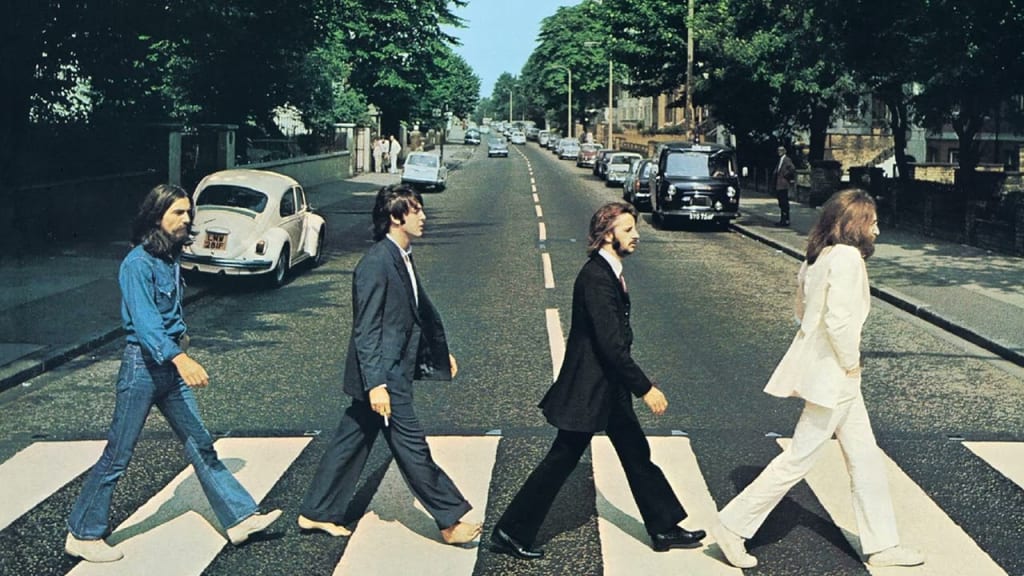
- Abbey road (1969): The band’s beautiful, if unintentional, farewell. This album featured some of their finest songs and a stunning medley on side two that demonstrated their genius for blending individual compositions into a cohesive work of art. The album cover, featuring them on the zebra crossing, is perhaps one of the most iconic images in music history. .
- Let it be (1970): Released after the band’s official breakup, this album serves as a poignant conclusion to their story, documenting their final recording sessions and containing gems like the title track and “The Long and Winding Road”.
The individual Beatles: four distinct voices, one unmistakable sound
While they were a singular force, The Beatles were also four distinct personalities, each bringing something unique and vital to the mix. The Beatles band members were a creative ecosystem, and their interactions, both harmonious and discordant, are what made their music so rich and complex.
- John Lennon: The revolutionary. John was the intellectual, the rebel, and often the most outspoken of the group. His songwriting was a mix of introspection (“Help!”) and psychedelic exploration (“Strawberry Fields Forever”), always infused with a satirical edge. He challenged authority, both with his music and his famous quips, like the one to the Royal Variety Performance audience about rattling their jewelry or his controversial “more popular than Jesus” comment. His relationship with Yoko Ono brought both personal fulfillment and creative tension to the band.
- Paul McCartney: The musical diplomat. Paul was the melodic heart of the band, a master of both ballads (“Yesterday”) and experimental pieces (“Eleanor Rigby”). His bass playing was revolutionary, evolving from simple root notes to complex, melodic lines that were as important as the guitar parts. He was often the one who tried to keep the band together, acting as a unifying force with his diplomatic nature.
- George Harrison: The quiet Beatle. George’s journey from the youngest, most inexperienced member to a brilliant songwriter is a testament to his quiet determination. His interest in Indian music and philosophy brought new dimensions to the band’s sound and worldview. His songs like “Within You Without You” and “Here Comes the Sun” showcased his unique perspective within the group.
- Ringo Starr: The perfect fit. Ringo’s drumming style was unique and irreplaceable. He provided the rhythmic foundation that allowed the others to explore more complex melodies. His humility and humor made him the perfect personality to complete the group. His occasional lead vocals on songs like “Yellow Submarine” and “With a Little Help from My Friends” added warmth and personality to their recordings.
The end of an era: the unraveling of a masterpiece
The Beatles breakup was not a single event but a slow-motion car crash of creative and personal tensions. By the late 1960s, each member was growing in different directions. John’s relationship with Yoko Ono, McCartney’s desire to maintain touring, Harrison’s increasing confidence as a songwriter, and various business disagreements all contributed to mounting tensions.
Their last public performance, the famous Beatles rooftop concert on a cold January day in 1969, was a poignant and beautiful moment. Filmed for the Let It Be project, it showed The Beatles at their best, still capable of incredible magic together, even with the underlying strain and tension. The band officially broke up in 1970, with Paul McCartney’s public announcement, and the subsequent legal battles over their business affairs, particularly involving Apple Corps, were a sad end to such a beautiful partnership.
The enduring legacy of the Beatles: a world forever changed
The Beatles’ influence is like a pebble dropped in a pond; the ripples are still spreading. They pioneered numerous recording techniques, transforming the studio into a creative instrument in its own right. They demonstrated that rock music could be both commercially successful and artistically significant, and their conceptual approach to album-making set a new standard for artistic ambition. Their use of diverse musical styles, from classical to Indian music, opened the doors for a generation of artists to experiment without fear.
Beyond the music, their impact on culture is undeniable. Their fashion, their films, their role in the counterculture movement of the 1960s—all of it helped shape our modern world. The phenomenon of Beatles fan culture was a template for modern celebrity and media-driven hype, and it’s a template that’s still in use today.
With over 500 million records sold worldwide, The Beatles remain the best-selling band of all time. Their commercial success is matched by their critical acclaim, with four of their albums making it into the top ten of Rolling Stone‘s “500 Greatest Albums of All Time”. This incredible combination of artistic and commercial success has made them the gold standard for popular music achievement.
The partnership of Lennon-McCartney, while often credited as a joint effort, evolved over time. In their early days, they truly wrote together, but as time went on, their collaboration became more of a friendly competition, with them largely writing songs separately and crediting them jointly. The tension between Lennon’s rebellious perspective and McCartney’s melodic optimism created a dynamic that pushed both of them to greater heights, resulting in some of the most enduring songs in popular music history.
In conclusion, The Beatles didn’t just write great songs; they created a new paradigm for what popular music could be. Their story is a powerful reminder that great art can emerge from the most unlikely circumstances, and that a shared vision, even with its tensions and disagreements, can create something truly timeless. Their message of love and peace, while often simplistic, feels more relevant than ever in our chaotic world. They proved that four working-class lads from a small city could, in a few short years, conquer the world and leave behind a legacy that will continue to inspire for generations to come. They were, and still are, the world’s greatest band.
