

Let’s be honest, we’re all a bit fried. If you’re nodding vigorously, you’re not alone. In a world where a staggering 77% of Millennials and 72% of Gen Z report experiencing burnout symptoms, and with new data indicating that a shocking 84% of Millennials are grappling with burnout in 2025, something genuinely revolutionary is unfolding right under our noses. Forget the corporate jargon and the endless pursuit of ‘optimisation’; adults are reaching for colouring books, amassing adorable kawaii stickers, snuggling weighted stuffed animals, and painting their living spaces in vibrant, rainbow hues. This isn’t some fleeting trend or an act of escapism; it’s a profound, almost primal, therapeutic response to chronic stress that’s fundamentally reshaping our understanding of emotional well-being in the 21st century.
This fascinating phenomenon, which I affectionately call “therapeutic childhood,” represents a significant cultural shift. It’s where childlike aesthetics, activities, and even seemingly whimsical objects are leveraged as sophisticated tools for emotional regulation and mental health restoration. And before you scoff and whisper about “infantile regression,” let me assure you, this movement is firmly anchored in scientifically-backed principles of psychology, neuroscience, and behavioural therapy. It’s a calculated, clever counter-attack against the unprecedented levels of stress and burnout plaguing younger generations.

Understanding the modern predicament: Why Gen Z and Millennials are fried
The numbers don’t lie, and they paint a rather bleak picture of a generational mental health crisis that’s hitting hard and fast. Recent research reveals that Gen Z and Millennials are hitting peak burnout at an average age of just 25 – yes, you read that right, 25! That’s nearly two decades earlier than previous generations, who typically didn’t face peak stress until around age 42. This isn’t some random statistical anomaly; it’s a direct reflection of the unique, relentless pressures these cohorts have endured. Think economic uncertainty, the relentless comparison culture amplified by social media, the existential dread of climate anxiety, and, of course, the lingering aftermath of a global pandemic that utterly disrupted traditional life milestones.
The burnout epidemic by numbers (and why it matters in 2025):
- 84% of millennials report experiencing burnout symptoms in 2025 – a staggering increase that demands attention.
- 66% of millennials report moderate to high burnout levels overall.
- 56% of Gen Z workers are currently suffering from workplace burnout.
- Only 45% of Gen Z and 47% of Millennials rate their personal well-being as above average.
- A disheartening 68% of Gen Z and 61% of Millennials don’t feel adequately supported in balancing their mental health and work.
This isn’t just about working too many hours or pulling too many all-nighters. The very concept of “quiet quitting” – where employees meet job requirements without going above and beyond – emerged not from laziness, but as a desperate, defensive strategy. Studies clearly show it stems from pervasive workplace stress bleeding into personal lives, fueled by a deep-seated desire for better work-life balance. What we’re seeing is a generation actively, and somewhat inventively, seeking novel approaches to emotional self-care, because traditional methods simply haven’t cut it.
The “micro-emotional escape” explained: Your daily dose of calm
Have you ever found yourself unconsciously doodling during a dull meeting or fidgeting with a pen when you’re stressed? That’s a “micro-emotional escape” in action – tiny, almost imperceptible breaks that inject symbolic comfort into the daily chaos. Unlike the grand, often unattainable gestures of self-care like a week-long spa retreat or a silent meditation pilgrimage, these interventions are incredibly accessible, remarkably affordable, and immediately available. They manifest in seemingly simple acts: squeezing a squishy stress toy during a video call (I know I do!), meticulously colouring intricate mandalas during lunch breaks, or even just surrounding your workspace with pastel-hued objects that inexplicably trigger a positive emotional response.
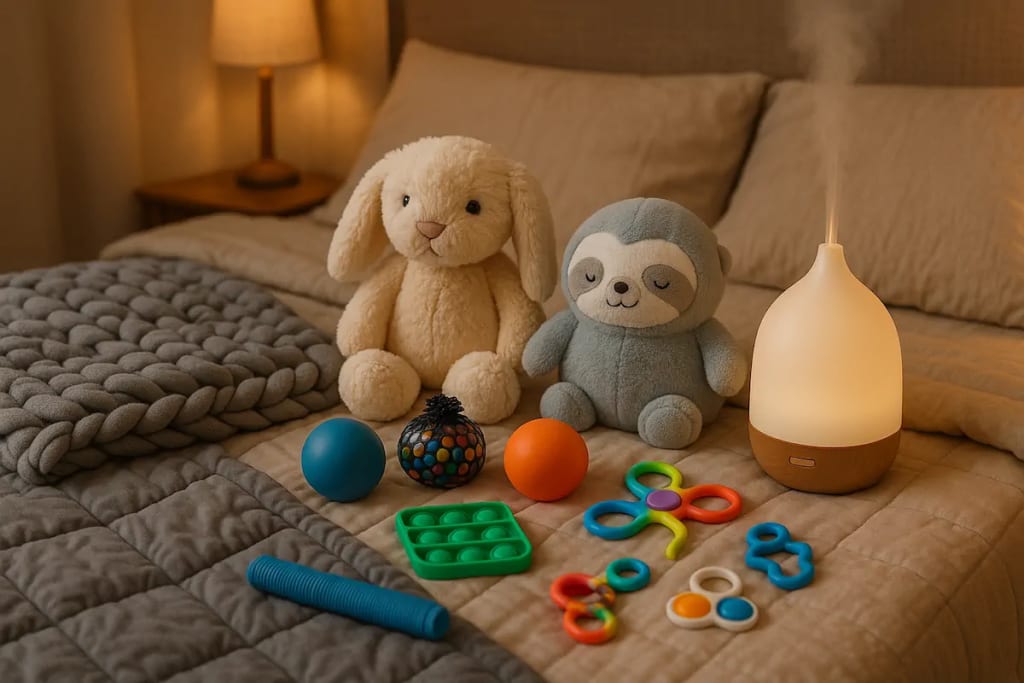
These micro-escapes aren’t just feel-good distractions; they operate on multiple sophisticated psychological levels simultaneously. They provide sensory stimulation that effectively grounds individuals in the present moment, activate positive memories from childhood that beautifully counteract current stressors, and, crucially, offer a sense of control and mastery that burnout so often erodes. Research consistently indicates that such activities help regulate the nervous system by activating the parasympathetic response – that’s your body’s “rest and digest” mode – which in turn lowers heart rate and cortisol levels, while simultaneously promoting the release of calming neurotransmitters.
Their effectiveness lies not in their complexity, but in their sheer simplicity and immediacy. Unlike traditional therapy, which often requires scheduling, significant time investment, and sometimes a journey through a labyrinth of emotions, micro-emotional escapes can be deployed instantly, precisely when stress peaks, making them particularly well-suited to the fast-paced, always-on lifestyle that is a primary culprit in modern burnout.
From playful to therapeutic: The science behind the “cute” (and kawaii therapy)
The therapeutic power of “cute” – or kawaii, as it’s known in Japan – extends far beyond a mere aesthetic preference. It’s deeply rooted in evolutionary psychology and cutting-edge neuroscience. When our brains encounter stimuli with “baby schema” characteristics – think large eyes, round shapes, soft textures, and bright colours – something remarkable happens: our brains instinctively activate caregiving behaviours and release oxytocin, often dubbed the “bonding hormone”. This response, originally designed by evolution to ensure infant survival, can be incredibly effectively “hijacked” for therapeutic purposes in adulthood.
Neurological impact of kawaii culture: More than just adorable
Groundbreaking research, particularly from Japan – the undisputed birthplace of kawaii culture – demonstrates that individuals who regularly embrace kawaii aesthetics show increased grey matter in specific brain regions. These are areas intimately linked to emotional processing, empathy, and reward. Specifically, observable changes were seen in the putamen and insula – brain areas absolutely crucial for social connection and overall emotional well-being. This isn’t just a happy coincidence; it strongly suggests that regular exposure to cute stimuli may literally reshape the brain in ways that actively support better mental health.
Studies consistently reveal that viewing kawaii imagery promotes several significant therapeutic outcomes:
- Enhanced focus and attention: Cute stimuli effectively narrow our attentional focus, improving concentration and quieting mental chatter. It’s like a gentle mental cleanse.
- Increased prosocial behaviour: Exposure to kawaii actually increases empathy and a willingness to help others – who knew cuteness could make us nicer?
- Stress reduction: Kawaii aesthetics have been shown to lower cortisol levels and activate the relaxation response, providing a tangible sense of calm.
- Emotional regulation: Regular kawaii exposure appears to improve our ability to manage difficult emotions, making the daily rollercoaster a bit smoother.
And then there’s the intriguing Japanese concept of “yami kawaii” (sick cute). This takes the aesthetic even further by combining adorable visuals with imagery often associated with mental health struggles – think pills, bandages, and syringes, but all presented in soft pastel colours with charming cartoon characters. This isn’t about romanticising mental illness, far from it. Instead, yami kawaii offers a culturally acceptable, aesthetically gentle way to express profound psychological struggles while maintaining emotional safety through its inherently cute and non-threatening packaging. It’s a visual language for vulnerability.
Dopamine design: The emotional comfort blanket for your space
If you’ve been on Pinterest or TikTok lately, you’ve probably seen “dopamine design” popping up everywhere, and for good reason. This trend is the aesthetic manifestation of therapeutic childhood principles, and it’s soaring in popularity in 2025. Characterised by vibrant colours, soft, rounded shapes, playful patterns, and genuinely friendly motifs, this design philosophy isn’t just about making things pretty. It aims to actively create environments that stimulate immediate pleasure and comfort without requiring any significant cognitive effort.
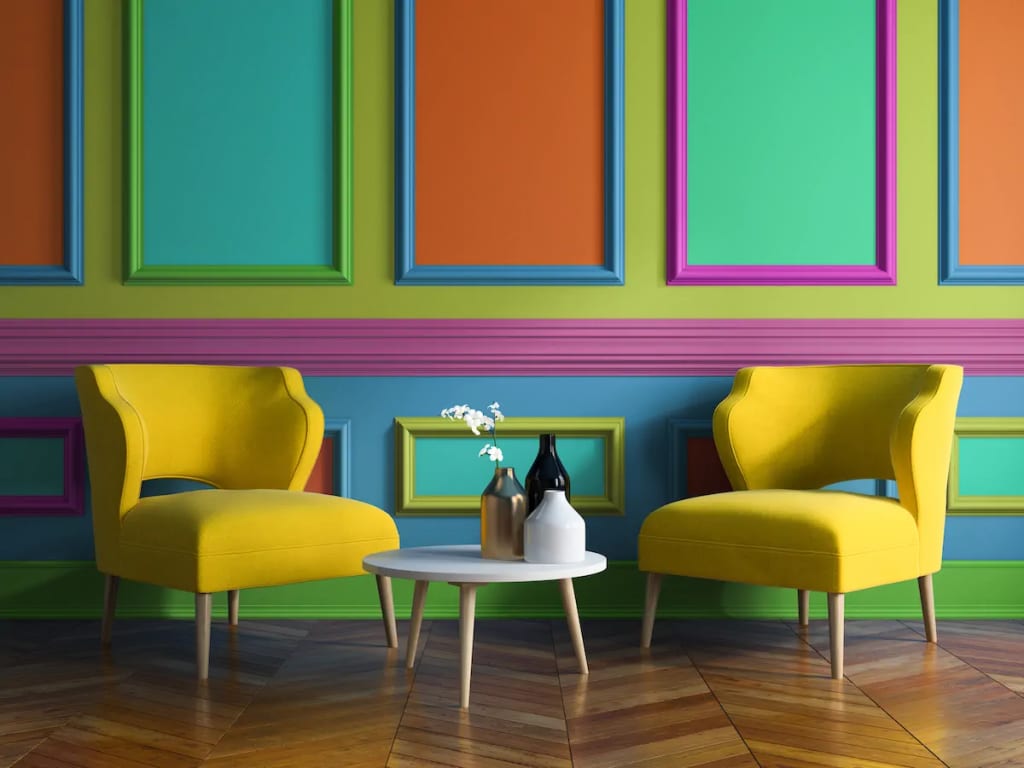
Pinterest searches for “dopamine decor” surged by an astounding 280% in recent years, a clear indicator of a widespread, almost desperate, hunger for spaces that actively support emotional well-being. Unlike the stark, often intimidating minimalism that dominated the 2010s, dopamine design joyously embraces a maximalism with purpose – every element is carefully chosen and curated to trigger positive neurochemical responses. It’s not just clutter; it’s curated joy.
The neuroscience of environmental psychology: Your home as a healer
Research in environmental psychology unequivocally demonstrates that our physical spaces significantly impact our mental health and cognitive function. Dopamine design smartly leverages this profound connection by intentionally creating environments that:
- Stimulate the reward system: Bright colours and playful shapes aren’t just eye-catching; they trigger genuine dopamine release, making you feel good just by being there.
- Reduce cognitive load: Familiar, comforting aesthetics require less mental processing, allowing your brain to relax and recharge instead of constantly interpreting complex stimuli.
- Enhance creativity: Studies have shown that vibrant, engaging environments can actually boost innovative thinking – so, yes, that colourful throw pillow might be making you smarter!
- Promote social connection: Welcoming, warm spaces inherently encourage interaction and community building, counteracting feelings of isolation.
This isn’t merely about interior decoration; it’s environmental therapy. Imagine that. Healthcare facilities that have wisely incorporated dopamine design principles are reporting improved patient outcomes, while workplaces that have embraced a bit of playful design are seeing enhanced employee satisfaction and, yes, even increased productivity. This holistic approach recognises that true healing happens not just through medical intervention, but through thoughtful, intentional engagement with our physical surroundings.
Why millennials and Gen Z are leading this trend: It’s not just about age
It’s fair to ask: why these generations? Several factors converge to make Millennials and Gen Z uniquely receptive and, frankly, desperate for therapeutic childhood approaches. Unlike previous cohorts, these generations grew up during an era of increasingly vocal mental health awareness, making them far more willing to acknowledge their psychological needs and actively seek creative, unconventional solutions.
Generational pressures driving the trend (and why it’s different now):
- Constant performance pressure: From the brutal treadmill of standardised testing to the relentless, curated performance demanded by social media metrics, these generations have faced unprecedented pressure to perform from incredibly early ages. It’s exhausting.
- Economic instability: The crushing reality of financial insecurity, often despite achieving high levels of education, creates a background hum of chronic stress that never really goes away.
- Social media comparison: Constant, inescapable exposure to seemingly perfect, curated lives generates profound feelings of inadequacy and “not-enoughness.”
- Climate anxiety: The ever-present awareness of looming environmental challenges creates a unique, pervasive existential stress that previous generations largely didn’t contend with.
- Delayed milestones: Traditional markers of adulthood – like homeownership, marriage, and even having children – are increasingly out of reach.
These compounding stressors have created what researchers aptly term “collective burnout” – a shared psychological state that cannot simply be resolved through individual willpower alone. Traditional self-care recommendations – “just exercise more,” “sleep better,” “try meditation” – often feel woefully inadequate, almost insulting, when facing such systemic, overwhelming challenges.
Therapeutic childhood offers something profoundly different: permission to not be constantly strong, endlessly productive, or perfectly optimised. The very embrace of childlike aesthetics signals that it’s acceptable to need comfort, to prioritise genuine joy over relentless achievement, and, critically, to embrace vulnerability as a legitimate path to healing rather than a sign of weakness.
The broader cultural shift: “Circular is the new exclusive”
This burgeoning movement extends far beyond individual therapy; it represents a fundamental shift in how society at large approaches well-being. The powerful concept of “circular lightness” – essentially, returning to playful elements as a means of reclaiming ease and joy – directly challenges the pervasive, often toxic, productivity culture that has dominated modern life for far too long.
Market response and consumer behaviour: The wellness economy’s embrace
The global wellness economy, already valued at a staggering $6.3 trillion in 2023 and projected to explode to $9 trillion by 2028, is increasingly and strategically incorporating elements of therapeutic childhood. This isn’t just savvy marketing; it’s a response to a real, felt need. Major trends include:
- Kidult consumer segment: The growing demographic of adults enthusiastically embracing toys, games, and childlike activities represents a rapidly expanding market. It’s okay to still love Lego!
- Comfort-first products: A whopping 81% of consumers now report prioritising comfort over style, reflecting a deeper, more profound shift in values.
- Emotional support products: The market for anxiety-relief items, sensory toys, and comfort objects is experiencing explosive, unprecedented growth.
- Playful workplace design: Forward-thinking companies are proactively incorporating dopamine design principles into their offices to actively combat employee burnout and boost morale.

This represents more than mere market opportunism or chasing the latest trend – it’s a fundamental revaluation of what truly constitutes value in the marketplace. Consumers are increasingly willing to pay premiums for products and services that explicitly prioritise emotional well-being over traditional performance metrics, material possessions, or fleeting status symbols.
Adult colouring books: The gateway drug to mindfulness (seriously!)
Perhaps no single phenomenon better illustrates the robust scientific foundation of therapeutic childhood than the explosion of adult colouring books. What began as a quirky novelty has, quite astonishingly, evolved into a recognised therapeutic intervention, with extensive research validating its remarkable effectiveness for anxiety reduction and stress management. I confess, my own “Mindfulness Colouring Book” is never far from my desk during a particularly hectic week. It might look childish, but it’s become my absolute go-to reset after a hectic Zoom marathon.

The science of meditative colouring: More than just crayons
Studies consistently demonstrate that guided mandala colouring significantly reduces anxiety levels. Crucially, the benefits aren’t just from having the book; they require proper instruction and mindful engagement rather than simply providing the books and hoping for the best. The therapeutic mechanism operates through several powerful pathways:
- Focused attention: Colouring, by its very nature, demands present-moment awareness, beautifully mimicking the benefits of mindfulness meditation. Your brain simply doesn’t have the bandwidth for stress when it’s focused on staying within the lines.
- Bilateral brain stimulation: The activity cleverly engages both the logical (left) and creative (right) hemispheres of the brain.
- Sense of achievement: Completing a page provides a tangible, measurable sense of accomplishment without any high stakes or performance pressure. It’s a small win, but a win nonetheless.
- Sensory grounding: The tactile experience of paper and pencils provides a comforting, physical anchoring that helps ground anxious minds.
It’s important to note, and research reinforces this, that unguided, distracted colouring shows minimal therapeutic benefit. The key really lies in approaching the activity with mindful intention rather than merely using it as a mindless distraction. This highlights a crucial principle of therapeutic childhood: its true effectiveness doesn’t depend on the object or activity itself, but on how it’s thoughtfully integrated into a broader, intentional framework of emotional self-care.
Sensory therapy and comfort objects for adults: It’s not just for kids
The societal stigma that once clung to adult comfort objects is rapidly, and thankfully, dissolving as mounting research validates their very real, very profound therapeutic benefits. Weighted blankets, fidget toys, stress balls, and yes, even stuffed animals, serve legitimate functions in emotional regulation and anxiety management. If you’ve never cuddled a weighted plushie after a rough day, you’re missing out.
The neuroscience of comfort objects: Why they work
Comfort objects operate through multiple, fascinating neurological pathways:
- Deep pressure therapy: Weighted items, like those beloved blankets, stimulate the parasympathetic nervous system, promoting calm.
- Tactile stimulation: Different textures provide diverse sensory input that can beautifully ground anxious minds, pulling you back into the present moment.
- Oxytocin release: Soft, cuddly objects can actually trigger the same neurochemical response as warm human touch.
- Memory activation: Familiar objects can gently access stored positive associations from childhood, providing a rich, comforting wellspring of emotional resources.
A compelling 2020 study, for instance, found that weighted blankets significantly reduced anxiety in psychiatric patients when compared to standard treatment. Similarly, extensive research on fidget toys consistently demonstrates their effectiveness for ADHD, anxiety, and individuals on the autism spectrum, helping them maintain focus and manage overwhelming emotions.
Types of therapeutic comfort objects (and where to find them):
- Sensory toys: Think squishy stress balls, mesmerising fidget spinners, or objects with varied textured surfaces for tactile stimulation. You can often find these in dedicated sensory shops or online wellness stores.
- Weighted items: Blankets, lap pads, and yes, even weighted stuffed animals, provide that grounding deep pressure therapy. Look for them in home goods stores or specialised online retailers.
- Aromatherapy tools: Essential oil diffusers, or even scented stress balls, combine olfactory comfort with tactile relief.
- Movement objects: Rocking chairs, hammocks, or therapy balls can offer valuable vestibular input, which is incredibly calming for many.
The crucial insight here is that these objects aren’t crutches. They are, quite simply, tools. Just as we wouldn’t judge someone for using reading glasses to improve their vision, therapeutic comfort objects represent adaptive, intelligent responses to environmental stressors that often exceed our natural coping capacity.
The digital dimension: Apps and virtual comfort in your pocket
Our smartphones, often blamed for increasing anxiety, are now paradoxically becoming hubs for digital therapeutic childhood experiences. Technology companies are rapidly adapting, providing digital versions of these comforting rituals. Mental health apps, a market valued at $7.48 billion in 2024 and projected to soar to $17.52 billion by 2030, are increasingly incorporating gamification, cute aesthetics, and incredibly user-friendly, child-like interface designs.
Digital therapeutic childhood trends to watch:
- Kawaii mental health apps: Applications that use adorable mascots, pastel aesthetics, and gentle animations to make therapy and emotional tracking feel less intimidating and more approachable.
- Virtual pet care: Apps that simulate nurturing relationships with digital companions, offering a sense of responsibility and connection without any real-world mess.
- Mindfulness games: Meditation apps ingeniously disguised as playful, engaging activities rather than formal, sometimes daunting, practice.
- Aesthetic wellness platforms: Social media spaces and dedicated communities focused on sharing comforting, cute, and calming content – think endless feeds of fluffy animals and gentle nature scenes.
Research indicates that spiritual self-care apps specifically targeting Gen Z and Millennials show significant effectiveness in reducing anxiety, particularly when their visual aesthetics are perfectly aligned with user preferences. The sheer success of these platforms unequivocally demonstrates how therapeutic childhood principles can be scaled exponentially through technology while miraculously maintaining their essential, deeply human emotional benefits.
Economic implications and market transformation: The comfort economy
The therapeutic childhood movement isn’t just a quiet revolution for individual well-being; it’s driving substantial economic shifts across multiple industries. This comfort-focused consumer behaviour represents a fundamental, far-reaching change in purchasing priorities, with profound implications for everything from high fashion to home furniture to the entertainment industry.
Market sectors experiencing explosive growth:
- Beauty and personal care: This colossal $557.24 billion market is increasingly pivoting to focus on holistic wellness and genuine self-care rather than just superficial aesthetics.
- Organic personal care: A robust $33.4 billion market, growing at a healthy 5.3% CAGR, as consumers actively seek gentle, nurturing, and trustworthy products for their bodies.
- Emotional counselling services: The market, valued at $2.5 billion in 2023, is projected to skyrocket to an astonishing $40.15 billion by 2033, boasting a massive 32% CAGR. People are investing in their feelings.
- Wellness tourism: This sector is literally jumping, from $720 billion in 2019 to a projected $1.4 trillion in 2027. People want to heal, even on holiday.
This represents more than mere market opportunism or chasing the latest trend – it’s a fundamental revaluation of what truly constitutes value in the marketplace. Consumers are increasingly willing to pay premiums for products and services that explicitly prioritise emotional well-being over traditional performance metrics, material possessions, or fleeting status symbols.
Global perspectives and cultural variations: A universal need for comfort
While the term “therapeutic childhood” might have somewhat Western origins, its underlying principles resonate deeply and universally across diverse cultures, beautifully adapting to local contexts and deeply held values. In Japan, the very birthplace of kawaii culture, these concepts are profoundly integrated into the fabric of society, permeating everything from healthcare facilities to corporate offices. Meanwhile, Scandinavian countries have long embraced “hygge” and similar comfort-focused philosophies that remarkably parallel the core tenets of therapeutic childhood.
Cultural adaptations: Comfort knows no borders
- Asian markets: Often emphasise collective well-being and social harmony, expressed through cute aesthetics that foster connection.
- European approaches: Tend to integrate these principles with existing, long-standing wellness traditions and a strong sense of environmental consciousness.
- American interpretation: Frequently focuses on individual empowerment and even productivity enhancement through comfort, reflecting a pragmatic, solution-oriented mindset.
The sheer growth of the global wellness economy to $6.3 trillion clearly demonstrates that these aren’t merely Western luxury trends. They are, at their heart, profound responses to universal human needs for comfort, connection, and emotional regulation in an increasingly complex, overwhelming world.
Future implications and emerging trends: The horizon of healing
As therapeutic childhood continues its fascinating evolution, several emerging trends strongly suggest its growing sophistication and deeper integration into mainstream culture. Artificial intelligence, for instance, is just beginning to personalise cute content based on individual emotional states, offering a truly bespoke approach to digital comfort. Meanwhile, virtual reality (VR) and augmented reality (AR) technologies are actively creating immersive therapeutic environments that promise to amplify the benefits of aesthetic healing to unprecedented levels.
Next-generation developments to keep an eye on:
- Biometric-responsive environments: Imagine spaces that automatically adjust colours, lighting, and even ambient aesthetics based on your detected stress levels. Science fiction? Not for long.
- Personalised kawaii algorithms: AI systems that intelligently curate therapeutic content – visuals, sounds, even gentle narratives – based on your unique psychological profile.
- Prescription aesthetics: The tantalising possibility of healthcare providers formally recommending specific visual environments or aesthetic interventions for therapeutic purposes.
- Intergenerational comfort design: Products and spaces specifically designed to appeal across age groups, fostering multi-generational wellness and shared experiences of comfort.

The ongoing integration of therapeutic childhood principles into formal healthcare systems, progressive workplace wellness programs, and even educational environments strongly suggests that this movement will continue to expand far beyond mere consumer trends. It is poised to become a recognised, legitimate approach to preventive mental health care, a true game-changer.
Practical implementation: How to integrate dopamine decor into your workspace
For individuals genuinely seeking to incorporate therapeutic childhood into their daily lives, the good news is that it requires intention rather than a hefty financial investment. The most effective strategies focus on creating consistent, small “micro-moments” of comfort throughout your daily routines, rather than demanding dramatic, unrealistic lifestyle overhauls. It’s about gentle integration.
Evidence-based applications (and how to do them):
- Morning rituals: Start your days with brief colouring sessions, a few minutes of sensory play, or simply engaging with a comforting object to establish a positive, grounded tone for the day.
- Workspace modifications: Add small, intentional comfort objects, a few vibrant plants, or aesthetically pleasing elements to your work environment. Think a cute mug, a soft mat for your mouse, or a small stress toy.
- Evening wind-down: Use weighted blankets, engage in gentle aromatherapy, or listen to calming, perhaps even childlike, music to signal to your brain that it’s time to transition from work mode to rest mode.
- Social integration: Don’t keep these wonderful practices to yourself! Share therapeutic childhood activities with friends or family – adult board games, group colouring sessions, or even a shared appreciation for cute internet content can significantly enhance social bonding.
The key, I’ve found, lies in approaching these activities with a mindful awareness of their therapeutic purpose, rather than dismissing them as mere indulgence. Research consistently shows that intention and conscious engagement are powerful amplifiers of the benefits derived from comfort-seeking behaviours.
Addressing criticisms and limitations: A balanced view
Like any significant cultural movement, therapeutic childhood does face legitimate criticisms that deserve thoughtful, nuanced consideration. Some critics argue that embracing childlike aesthetics might inadvertently encourage avoidance of adult responsibilities or, more concerningly, perpetuate the infantilisation of legitimate, complex problems. Others worry about the rampant commercialisation of mental health struggles or the potential for therapeutic childhood to become just another consumption-based form of self-care.
Valid concerns and my responses:
- Avoidance vs. coping: It’s crucial to distinguish between maladaptive avoidance and genuinely adaptive coping strategies. When used appropriately and intentionally, therapeutic childhood firmly falls into the latter category. It’s not about running away; it’s about building resilience.
- Commercialisation risks: Absolutely, like any therapeutic approach, its benefits can unfortunately be co-opted and exploited by savvy marketers. This is why consumer education about evidence-based practices and genuine self-care is paramount.
- Cultural appropriation: The non-Japanese adoption of kawaii aesthetics rightly raises important questions about respectful cultural exchange versus outright appropriation. Awareness and appreciation are key.
- Individual vs. systemic solutions: Critics are absolutely right to highlight that personal comfort strategies, however effective, cannot alone address the systemic, root causes of widespread burnout and stress. These strategies are a vital personal tool, not a societal panacea.
These concerns underscore the vital importance of approaching therapeutic childhood as merely part of a comprehensive, holistic wellness strategy, rather than a standalone, complete solution to complex mental health challenges. It’s a piece of the puzzle, but a very important one.
The neuroscience of aesthetic healing: Beauty as brain food
Recent, exciting advances in neuroscience are providing an increasingly sophisticated understanding of how aesthetic experiences profoundly influence brain function and emotional regulation. Neuroimaging studies, for example, reveal that exposure to pleasing visual stimuli activates the very same reward pathways in our brains that are involved in social bonding, satisfying food consumption, and other fundamental survival behaviours.
Brain networks involved in aesthetic healing: Your brain on beautiful things
- Default mode network: Cute stimuli help regulate those incessant, ruminating thoughts by providing external, gentle focus points, giving your brain a much-needed break.
- Reward system: Dopamine pathways are beautifully activated by pleasing aesthetics, creating positive reinforcement cycles that can literally lift your mood.
- Memory networks: Nostalgic elements, whether a familiar cartoon character or a beloved childhood colour, can access stored positive associations, providing a rich, immediate wellspring of emotional resources.
- Social brain networks: Intriguingly, cute objects can trigger caregiving responses that, in turn, promote self-compassion.
This groundbreaking research strongly suggests that therapeutic childhood isn’t merely psychological comfort; it represents a measurable, tangible neurological intervention. The implications extend far beyond individual well-being, hinting at potential applications in treating conditions like depression, anxiety, and even PTSD, where aesthetic interventions might powerfully supplement traditional therapies.
Looking forward: The future of emotional self-care in a hectic world
As we navigate deeper into the turbulent waters of the 21st century, therapeutic childhood appears poised to evolve from a fascinating cultural trend to a truly recognised, mainstream therapeutic modality. Increasingly, healthcare providers are beginning to formally prescribe art therapy, recommend specific environmental modifications, and even suggest comfort objects as integral components of comprehensive treatment plans. Furthermore, educational institutions are starting to wisely incorporate sensory regulation tools and aesthetic wellness principles into learning environments to proactively support student mental health.
The ultimate significance of this movement may lie not just in its specific practices, but in its fundamental, revolutionary reframing of the relationship between adulthood and emotional needs. By legitimising comfort-seeking behaviours and the profound power of aesthetic healing, therapeutic childhood bravely challenges antiquated cultural narratives that equate maturity with emotional stoicism, and personal worth with relentless productivity.
Final considerations: Embrace the cute, embrace the calm
The undeniable rise of therapeutic childhood reflects a broader, incredibly important societal recognition that our traditional approaches to stress, work, and success are, quite literally, making us sick. The alarming statistics – that 77% of Millennials and 72% of Gen Z are experiencing burnout symptoms, with 84% of Millennials specifically in 2025 – represent not personal failures, but systemic failures. And their intuitive, almost defiant, turn toward childlike comforts signals adaptive intelligence, not mere regression.
Whether it’s adorning laptops with kawaii stickers, transforming living spaces with vibrant dopamine design, or simply taking a five-minute colouring break between demanding meetings, this movement offers something truly precious: explicit permission to prioritise emotional well-being in a culture that relentlessly demands endless, often unfulfilling, productivity. In a world that frequently feels overwhelming and relentlessly hard, perhaps the most radical, most healing act isn’t pushing harder, but rather allowing ourselves the gentle, profound healing that “cute” can so surprisingly provide.
The future of wellness may well be painted in soft pastels, gently squeezed through squishy stress balls, and meticulously coloured between the lines of an adult colouring book. And for a generation bearing unprecedented psychological burdens, that future, in all its colourful, comforting glory, simply can’t come soon enough.
This article represents a comprehensive examination of therapeutic childhood trends based on extensive research into psychology, neuroscience, consumer behaviour, and cultural studies. As with any wellness approach, individuals should always consult qualified healthcare providers for serious mental health concerns while using these strategies as complementary support for overall well-being.
In a mental health emergency: Get help immediately
If you or someone you know is experiencing a mental health crisis, please reach out for immediate help. You are not alone.
United States (USA):
- National Suicide Prevention Lifeline: Call or text 988. Available 24/7.
- Crisis Text Line: Text HOME to 741741. Available 24/7.
- The National Alliance on Mental Illness (NAMI): Visit nami.org or call 1-800-950-NAMI (6264).
Canada (CA):
- Crisis Services Canada: Call 1-833-456-4566 or text 45645. Available 24/7.
- Kids Help Phone: Call 1-800-668-6868 or text CONNECT to 686868 (for youth). Available 24/7.
Ireland (IE):
- Samaritans Ireland: Call 116 123. Available 24/7.
- Pieta House: Call 1800 247 247. Available 24/7.
- Your Mental Health (HSE): Visit yourmentalhealth.ie for resources and services.
United Kingdom (UK):
- Samaritans: Call 116 123. Available 24/7.
- Shout: Text SHOUT to 85258. Available 24/7.
- NHS Mental Health Services: Call 111 or search “NHS mental health services” online for local support.
Australia (AU):
- Lifeline: Call 13 11 14. Available 24/7.
- Beyond Blue: Call 1300 22 4636 or visit beyondblue.org.au.
- Kids Helpline: Call 1800 55 1800 (for ages 5-25). Available 24/7.
Remember, seeking help is a sign of strength.
