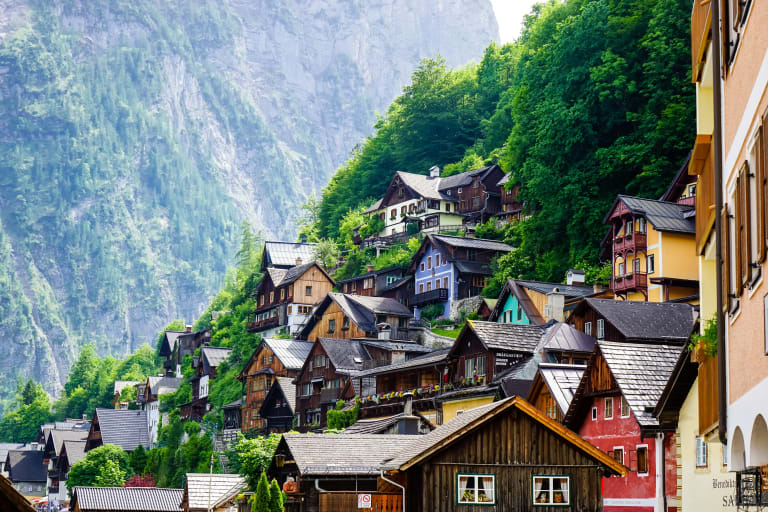
Whether you’re seeking the ultimate adrenaline rush or simply tired of the same old beach holidays, there exists a shadowy realm of travel destinations that would make your mother’s protective instincts go into overdrive. These destinations your mother wouldn’t approve of represent the antithesis of safe, sanitised tourism – places where danger, controversy, and moral complexity converge to create some of the most profound travel experiences imaginable. From radiation-soaked ghost towns to active conflict zones, these risky travel destinations challenge our perceptions of what constitutes acceptable holiday material whilst offering unparalleled insights into humanity’s darkest chapters and most extreme pursuits.
The rise of dark tourism 2025 has seen millions of travellers actively seeking out controversial tourist spots that would leave traditional holidaymakers horrified. This growing movement towards alternative travel destinations reflects a broader cultural shift away from Instagram-perfect beaches towards authentic, transformative experiences that force us to confront uncomfortable truths about our world.

Table of contents
Understanding the psychology behind forbidden travel
Why we’re drawn to danger
The appeal of unconventional places to visit stems from a complex psychological phenomenon that researchers have been studying for decades. According to experts in conflict zone tourism, travellers are increasingly seeking authentic experiences that challenge their worldview and provide emotional intensity that traditional tourism simply cannot match. This desire for profound, transformative experiences drives people to seek out controversial tourist spots where they can witness history’s raw edges firsthand.
I remember speaking with a fellow traveller who had just returned from Mogadishu, Somalia. Her eyes lit up as she described the warmth of the local people and the incredible resilience she witnessed – experiences that would be impossible to replicate in a resort setting. The thrill-seeking destinations phenomenon isn’t merely about bragging rights or social media posts; it represents a deeper human need to confront mortality, understand tragedy, and process difficult historical narratives.
The psychological rewards of visiting these places often include increased empathy, greater appreciation for personal safety and freedom, and a profound sense of having witnessed something significant. Many travellers report that their experiences in dangerous travel destinations fundamentally changed their perspective on life and their own problems.
The mother’s perspective vs. the traveller’s reality
What makes these destinations so fundamentally risky travel destinations from a mother’s perspective often relates to factors beyond immediate physical danger. Maternal concerns encompass everything from radiation exposure and political instability to cultural misunderstandings and inadequate medical facilities. However, modern adventurous holidays to these locations are increasingly well-regulated, with professional operators implementing stringent safety protocols and comprehensive risk assessments.
Now, you might be thinking that this sounds like reckless endangerment disguised as adventure tourism. The reality is far more nuanced. Many of these destinations have become accessible precisely because conflict has ended, safety measures have been implemented, or professional tour operators have developed reliable protocols for managing risk.
Disclosure: This post contains affiliate links that help support and maintain this website. If you click through and make a purchase, I may earn a small commission at no extra cost to you.
Category 1: Nuclear tourism and radioactive destinations

Chernobyl, Ukraine: The radiation playground
The mother’s fear: “The radiation will turn you into a glowing mutant!”
Chernobyl stands as perhaps the most iconic example of destinations your mother wouldn’t approve of, and for understandable reasons. The 1986 nuclear disaster created an exclusion zone that remains one of the most radioactive places on Earth, where 95% of Ukraine experienced high-level contamination according to official data.
The thrill-seeker’s appeal: Despite the apocalyptic imagery, Chernobyl tourism has exploded in popularity, attracting visitors keen to witness nature’s remarkable recovery and humanity’s technological hubris frozen in time. The abandoned city of Pripyat, with its iconic Ferris wheel and decaying Soviet-era architecture, offers an unparalleled glimpse into a post-apocalyptic world that feels both alien and profoundly human.

Walking through the silent streets of Pripyat, you’re struck by the eerie normalcy of abandoned lives – children’s toys scattered in kindergartens, books left open on school desks, and personal belongings still visible in apartment windows. The silence in these places can be overwhelming, broken only by the occasional Geiger counter’s click or the wind rustling through broken windows.
What to do there (safely): Modern Chernobyl tours are surprisingly safe when conducted through licensed operators. Visitors receive radiation monitoring equipment and follow strict protocols including staying with guides, avoiding touching objects, and wearing appropriate clothing. The radiation exposure during a typical day tour (130-2,610 microsieverts) is comparable to a long-haul flight or medical X-ray.
Essential safety tips:
- Book only with licensed tour operators offering proper safety equipment
- Wear long sleeves, closed-toe shoes, and older clothes that can be discarded
- Follow all guide instructions and stay within designated areas
- Pass through radiation detectors upon entry and exit
- Avoid eating or drinking within the exclusion zone
Fukushima exclusion zone, Japan: The modern nuclear disaster
The mother’s fear: “Another radiation zone? Are you collecting radioactive souvenirs?”
Following the 2011 tsunami and subsequent nuclear meltdown, parts of Fukushima Prefecture remain restricted to tourism, though some areas have reopened with guided tours available. This represents one of the newest additions to the nuclear tourism category.
The thrill-seeker’s appeal: Unlike Chernobyl’s Soviet decay, Fukushima offers insights into how modern Japan handles nuclear disaster recovery. Visitors can witness cutting-edge decontamination efforts and experience the intersection of ancient Japanese culture with contemporary crisis management.
What to do there (safely): Limited tours are available to selected areas outside the most contaminated zones. These focus on reconstruction efforts, memorial sites, and educational experiences about nuclear safety.
Hanford nuclear reservation, Washington State, USA
The mother’s fear: “Why visit America’s most contaminated nuclear site?”
The former plutonium production facility for the Manhattan Project now offers public tours of one of America’s most significant controversial tourist spots. The site produced plutonium for over 20 nuclear weapons during the Cold War.
The thrill-seeker’s appeal: Visitors can explore the B Reactor, the world’s first full-scale plutonium production reactor, and learn about the secret city of Hanford that helped end World War II.
Category 2: Geopolitically volatile destinations

North Korea: The hermit kingdom’s cautious opening
The mother’s fear: “You’ll disappear into a political prison!”
North Korea represents the ultimate in controlled tourism, where visitors experience one of the world’s most secretive societies under strict government supervision. Recent years have seen sporadic openings to international tourism, though these remain subject to sudden policy changes and geopolitical tensions.
The thrill-seeker’s appeal: For adventurous travellers, North Korea offers an unfiltered glimpse into a society that operates according to radically different principles. Visitors can witness mass games, visit propaganda sites, and experience a level of social control that exists nowhere else on Earth. The experience is like stepping into an alternate reality where time seems frozen in the 1950s.

What to do there (safely): Tourism to North Korea is heavily regulated, with visitors required to join official tours with government-approved guides. Activities include visits to monuments, museums, schools, and carefully selected cultural sites. Photography is strictly controlled, and interaction with locals is limited and supervised.
Essential safety tips:
- Only travel with officially sanctioned tour operators
- Respect all photography restrictions and guide instructions
- Avoid political discussions or criticism of the government
- Carry proper documentation at all times
- Be prepared for sudden policy changes affecting access
Afghanistan: The graveyard of empires
The mother’s fear: “Terrorists, warlords, and complete lawlessness!”
Afghanistan remains one of the world’s most challenging destinations, with ongoing security concerns and limited tourist infrastructure. However, some intrepid travellers do visit through specialised operators focusing on cultural exchange and humanitarian tourism.
The thrill-seeker’s appeal: Afghanistan offers unparalleled cultural experiences, from ancient Silk Road cities to traditional Afghan hospitality. The country’s stunning landscapes include the Hindu Kush mountains and ancient Buddhist sites.
What to do there (safely): Only highly experienced operators with local connections should be considered. Activities focus on cultural sites, meeting local communities, and understanding the country’s complex history.
Somalia: Beyond the piracy headlines
The mother’s fear: “Pirates will hold you for ransom!”
While much of Somalia remains extremely dangerous, the autonomous region of Somaliland has developed a growing tourism sector, offering visitors insights into African resilience and recovery.
The thrill-seeker’s appeal: Somaliland provides opportunities to witness post-conflict recovery, experience nomadic culture, and explore landscapes largely untouched by mass tourism.
Category 3: Post-conflict recovery zones

Colombia: From FARC territory to eco-tourism paradise
The mother’s fear: “Drug cartels will kidnap you for ransom!”
Colombia’s transformation from a war-torn nation to an emerging tourism hotspot represents one of the most dramatic reversals in modern travel. Areas once controlled by FARC guerrillas and drug cartels have evolved into some of South America’s most exciting off-the-beaten-path travel destinations.
The thrill-seeker’s appeal: Post-conflict Colombia offers visitors the chance to explore pristine landscapes previously inaccessible due to violence, whilst supporting communities rebuilding their lives through tourism. Areas like Mesetas and Caño Cristales now welcome visitors to experiences that were impossible just a decade ago. The transformation is remarkable – former FARC camps have become eco-lodges, and ex-combatants now work as tour guides sharing their stories of redemption.

What to do there (safely): Modern Colombia tourism focuses on eco-adventures, cultural experiences, and historical education. Visitors can explore restored national parks, participate in community-led tours often guided by former combatants, and witness remarkable conservation efforts in previously militarised zones.
Essential safety tips:
- Avoid border regions with Venezuela, Ecuador, and Panama
- Stay away from coca cultivation areas in specified departments
- Use reputable tour operators with local knowledge
- Remain vigilant in major cities regarding petty crime
- Avoid isolated areas, especially after dark
Rwanda: From genocide to gorilla tourism
The mother’s fear: “Isn’t that where the terrible genocide happened?”
Rwanda has undergone one of Africa’s most remarkable transformations, evolving from the site of horrific genocide to become one of the continent’s safest and most progressive nations. The country now combines dark tourism opportunities with world-class wildlife experiences.
The thrill-seeker’s appeal: Visitors can experience both profound historical education at genocide memorial sites and incredible mountain gorilla encounters in Volcanoes National Park. This combination of dark tourism and wildlife adventure creates deeply meaningful travel experiences.
What to do there (safely): Rwanda offers excellent tourism infrastructure with genocide memorials, mountain gorilla trekking, and cultural village visits. The country is known for its safety, cleanliness, and progressive policies.
Bosnia and Herzegovina: Scars of war, beauty of recovery
The mother’s fear: “Landmines and ethnic tensions everywhere!”
The former Yugoslavia’s conflicts in the 1990s left deep scars across Bosnia and Herzegovina, but the country has emerged as a fascinating destination combining dark tourism with stunning natural beauty and rich cultural heritage.
The thrill-seeker’s appeal: Visitors can explore Sarajevo’s war tunnels, witness bullet-scarred buildings alongside Ottoman architecture, and experience the remarkable resilience of communities rebuilding after conflict.
Category 4: Extreme adventure sports destinations

Mount Everest, Nepal: The world’s deadliest queue
The mother’s fear: “You’ll die in a traffic jam at 29,000 feet!”
Mount Everest represents the ultimate in extreme adventure destinations, where the combination of altitude, weather, and human ambition creates one of the world’s most dangerous tourist activities. Recent years have seen increasing deaths due to overcrowding and inexperienced climbers.
The thrill-seeker’s appeal: Despite the risks, Everest continues to attract climbers seeking the ultimate mountaineering achievement. The physical and mental challenges of high-altitude climbing provide unparalleled personal transformation opportunities.

What to do there (safely): Modern Everest expeditions require extensive preparation, experienced guides, and proper acclimatisation. Many climbers spend years building experience on smaller peaks before attempting Everest.
Angel Falls base jumping, Venezuela
The mother’s fear: “You’re jumping off the world’s highest waterfall with a parachute?”
Angel Falls offers one of the world’s most spectacular base jumping experiences, combining extreme sports with visits to one of Venezuela’s most remote and politically unstable regions.
The thrill-seeker’s appeal: The 979-metre free fall alongside the world’s highest waterfall provides an unmatched adrenaline experience in one of Earth’s most pristine environments.
Cave diving in Yucatan cenotes, Mexico
The mother’s fear: “You’ll get lost underwater in a flooded cave!”
The Yucatan Peninsula’s cenotes offer some of the world’s most challenging cave diving experiences, where underwater caverns extend for kilometres beneath the jungle floor.
The thrill-seeker’s appeal: These underwater cathedral systems provide diving experiences unlike anywhere else on Earth, with crystal-clear water and stunning limestone formations.
Category 5: Dark tourism destinations

Confronting humanity’s darkest chapters
The mother’s fear: “Why would you want to see such horrible places?”
Dark tourism destinations encompass sites of tragedy, death, and human suffering that attract millions of visitors annually seeking to understand historical trauma and commemorate victims. These controversial tourist spots raise complex ethical questions about commodifying tragedy whilst serving important educational and memorial functions.
Auschwitz-Birkenau, Poland: Preserving memory
The emotional impact of walking through these preserved concentration camps cannot be overstated. Visitors often describe feeling overwhelmed by the scale of human suffering whilst simultaneously inspired by the importance of remembrance and education.
+ Read more: Holocaust 80th anniversary: Remembering Auschwitz and its lessons

Hiroshima Peace Memorial, Japan: Nuclear aftermath
The Peace Memorial Museum provides a sobering reminder of nuclear warfare’s human cost, combining historical education with powerful calls for peace and nuclear disarmament.
Alcatraz Island, USA: America’s most notorious prison
The former federal prison offers insights into America’s criminal justice history whilst providing stunning views of San Francisco Bay. The combination of dark history and natural beauty creates a uniquely American tourist experience.
Robben Island, South Africa: Apartheid’s prison
Nelson Mandela’s former prison has become a powerful symbol of triumph over oppression, offering guided tours often led by former political prisoners.
Disclosure: This post contains affiliate links that help support and maintain this website. If you click through and make a purchase, I may earn a small commission at no extra cost to you.
AI-powered travel planning for dangerous destinations
Technology meets extreme travel
Modern AI-powered travel planning has revolutionised how adventurous travellers approach dangerous travel destinations. Advanced algorithms can now assess real-time security situations, predict weather patterns, and recommend optimal timing for visits to volatile regions.
Personally, I believe the integration of artificial intelligence into extreme travel planning represents one of the most significant safety advances in recent years. AI systems can process vast amounts of data about political stability, weather patterns, and local conditions to provide travellers with unprecedented situational awareness.
AI tools for extreme travel planning:
- Real-time security monitoring and alert systems
- Weather prediction models for extreme environments
- Route optimisation for challenging terrain
- Cultural sensitivity training modules
- Emergency response coordination systems
Sustainable tourism in controversial destinations
The growing focus on sustainable tourism has reached even the most controversial tourist spots. Travellers are increasingly conscious of their environmental and social impact, leading to new approaches in extreme destination tourism.
Sustainable practices for risky destinations:
- Supporting local communities recovering from conflict
- Minimising environmental impact in fragile ecosystems
- Contributing to conservation efforts in remote areas
- Respecting cultural traditions and local customs
- Choosing operators committed to ethical practices
Budget-friendly dangerous destinations
Affordable adrenaline adventures
Contrary to popular belief, many dangerous travel destinations can be explored on surprisingly modest budgets. The key lies in understanding where to invest money for safety versus where economies can be made without compromising security.
Eastern Europe’s forgotten corners
Transnistria, Moldova: This unrecognised breakaway state offers a glimpse into Soviet nostalgia at bargain prices. Accommodation costs under £20 per night, and the surreal experience of visiting a country that doesn’t officially exist provides incredible value for adventurous travellers.
Kaliningrad, Russia: This isolated Russian exclave between Poland and Lithuania offers a unique blend of Soviet heritage and Baltic culture. Despite geopolitical tensions, tourism continues with proper visa arrangements.
Central Asia’s extreme destinations
Afghanistan’s Wakhan Corridor: For experienced adventurers, this remote valley offers some of the world’s most spectacular mountain scenery at minimal cost. Local homestays cost under £10 per night, though extensive security arrangements are essential.
Socotra Island, Yemen: Despite Yemen’s ongoing conflict, this UNESCO World Heritage site remains accessible through specialised operators. The island’s alien landscapes and endemic species provide unique experiences for budget-conscious extreme travellers.
Africa’s challenging but affordable destinations
Central African Republic: Adventure tourism is slowly returning to parts of CAR, with community-based tourism projects offering authentic experiences while supporting local development. Costs remain low due to limited infrastructure.
Democratic Republic of Congo: Eastern DRC’s Virunga National Park offers mountain gorilla experiences at a fraction of Rwanda’s prices, though security situations require constant monitoring.
Enhanced solo female travel safety
Breaking barriers in extreme destinations
Solo female travel safety has become increasingly sophisticated, with women comprising a growing percentage of visitors to dangerous travel destinations. The key lies in understanding gender-specific risks whilst maintaining the independence that makes solo travel so rewarding.
I’ve personally witnessed the incredible strength and resourcefulness of female solo travellers in some of the world’s most challenging destinations. From war correspondents exploring Somalia to adventure photographers documenting Siberian winters, women are redefining what’s possible in extreme travel.
Gender-specific safety strategies
Cultural adaptation techniques:
- Research local attitudes towards women and dress accordingly
- Understand cultural norms around interaction between genders
- Identify women-only spaces and support networks
- Learn key phrases in local languages for emergency situations
Personal security measures:
- Develop situational awareness skills through specialised training
- Carry multiple forms of identification and emergency contacts
- Use GPS tracking devices that work offline
- Maintain constant communication schedules with home contacts
Support networks for female extreme travellers
Online communities and resources:
- Female-only travel forums for destination-specific advice
- Real-time safety updates from other women travellers
- Emergency contact networks in challenging destinations
- Mentorship programmes pairing experienced with novice travellers
Emerging controversial destinations for 2025
New additions to the danger list
The landscape of controversial tourist spots continues evolving as geopolitical situations change and new destinations emerge. Several locations have recently become accessible or more dangerous, creating new opportunities and challenges for extreme travellers.
Myanmar: Political upheaval and cultural treasures
Following the 2021 military coup, Myanmar has become one of the world’s most challenging destinations. However, some tour operators continue offering cultural experiences in safer regions, supporting local communities affected by political instability.
Haiti: Caribbean crisis tourism
Despite ongoing political chaos and security concerns, Haiti offers unique cultural experiences and historical sites related to the world’s only successful slave revolution. Specialised operators focus on cultural exchange and community support.
Pakistan’s tribal areas: Opening frontiers
Former Taliban strongholds in Pakistan’s tribal regions are slowly opening to adventure tourism, offering incredible mountain landscapes and cultural experiences previously impossible to access.
Practical advice for unconventional travel
Insurance matters for extreme destinations
Traditional travel insurance often excludes coverage for destinations your mother wouldn’t approve of, necessitating specialised policies for high-risk travel. Companies like High Risk Voyager offer coverage for destinations where the FCDO advises against travel, providing essential protection for medical emergencies, evacuation, and PTSD counselling.
Key insurance considerations:
- Medical expenses up to £1,000,000 for high-risk destinations
- Emergency evacuation and repatriation coverage
- Political and natural disaster extraction services
- PTSD assessment and counselling following traumatic events
- Coverage for adventure sports and extreme activities
Specialist insurance providers:
- High Risk Voyager: Covers FCDO-advised destinations
- Campbell Irvine: Adventure sports and extreme activities
- True Traveller: Conflict zone and dangerous destination coverage
- World Nomads: Flexible policies for unconventional travel
Health and medical preparations
Vaccination requirements: Many dangerous travel destinations require extensive vaccination programmes, including yellow fever, Japanese encephalitis, and hepatitis A/B. Some destinations may require experimental vaccines or prophylactic medications not routinely available.
Medical kit essentials:
- Prescription medications with proper documentation
- Water purification tablets and portable filtration systems
- Broad-spectrum antibiotics and anti-diarrheal medications
- First aid supplies for traumatic injuries
- Altitude sickness medication for high-altitude destinations
Mental health preparation: The psychological impact of visiting sites of tragedy or extreme danger shouldn’t be underestimated. Many travellers benefit from psychological preparation and post-trip counselling to process difficult experiences.
Communication and technology
Satellite communication devices: In remote or dangerous areas, standard mobile networks may be unavailable or monitored. Satellite communicators provide essential safety backup for emergency situations.
Offline navigation systems: GPS devices with offline mapping capabilities ensure navigation remains possible even when internet connectivity is compromised or surveillance concerns make online services inadvisable.
Cybersecurity considerations: Visiting authoritarian states or conflict zones requires careful attention to digital security, including using VPNs, encrypted messaging, and avoiding sensitive data storage on devices.
The ethics of controversial travel
Responsible tourism in sensitive destinations
Visiting destinations your mother wouldn’t approve of carries ethical responsibilities that extend beyond personal safety. Travellers must consider their impact on local communities, the appropriateness of tourism in certain contexts, and their motivations for visiting sensitive sites.
Ethical considerations:
- Ensure tourism benefits local communities rather than exploiting them
- Approach sites of tragedy with appropriate reverence and respect
- Consider whether your presence could cause harm or distress to locals
- Avoid commodifying or trivialising serious historical events
- Support responsible operators committed to ethical practices
Dark tourism ethics and commemoration
The line between education and exploitation in dark tourism remains hotly debated. Visitors to sites of tragedy must balance personal curiosity with respect for victims and survivors. The challenge lies in engaging meaningfully with difficult history whilst avoiding voyeuristic consumption of others’ suffering.
Guidelines for ethical dark tourism:
- Educate yourself about the site’s history before visiting
- Dress appropriately and maintain respectful behaviour
- Avoid inappropriate photography, especially selfies at memorial sites
- Consider making donations to relevant memorial or educational foundations
- Reflect on your motivations and engage critically with your responses
Technology and safety innovations
Wearable safety technology
Modern extreme adventure travel increasingly incorporates cutting-edge safety technology, from satellite communicators to biometric monitoring devices that can alert emergency services to health crises in remote locations.
Innovation examples:
- Personal locator beacons with two-way messaging
- Wearable devices monitoring altitude sickness symptoms
- Emergency shelter systems for extreme weather conditions
- Portable water purification technology
- Solar-powered communication devices
Virtual reality preparation
Some operators now offer virtual reality experiences allowing travellers to familiarise themselves with dangerous destinations before arrival. This technology helps reduce anxiety whilst improving safety through enhanced situational awareness.
Disclosure: This post contains affiliate links that help support and maintain this website. If you click through and make a purchase, I may earn a small commission at no extra cost to you.
Regional focus: Asia’s most controversial destinations
Myanmar: Temples amid turmoil
Despite political upheaval, Myanmar’s incredible temple complexes and cultural heritage continue attracting visitors willing to navigate complex security situations. Bagan’s thousands of temples offer spiritual experiences impossible to replicate elsewhere.
Kashmir: Paradise with checkpoints
The disputed region of Kashmir provides stunning Himalayan landscapes alongside ongoing political tensions. Visitors experience incredible natural beauty whilst witnessing one of the world’s longest-running territorial disputes.
Mindanao, Philippines: Paradise with a security problem
The southern Philippines combines world-class diving and pristine beaches with ongoing insurgency and kidnapping risks. Proper security arrangements allow access to some of Southeast Asia’s most untouched destinations.
Africa’s emerging extreme destinations
Central African Republic: Wildlife in a war zone
Despite ongoing instability, CAR’s national parks offer some of Africa’s last untouched wilderness experiences. Professional operators with security expertise can provide access to incredible wildlife in challenging conditions.
Libya: Roman ruins and modern chaos
Libya’s archaeological treasures, including some of the Mediterranean’s best-preserved Roman cities, remain largely inaccessible due to ongoing conflict. When stability returns, these sites will likely become major controversial tourist spots.
Chad: Sahara expeditions in challenging conditions
Chad offers incredible Sahara Desert experiences, from ancient rock art to remote oases, though political instability and logistical challenges make it one of Africa’s most demanding destinations.
Americas: Dangerous destinations closer to home
Venezuela: Natural wonders amid crisis
Despite economic collapse and political instability, Venezuela’s natural wonders including Angel Falls and the Orinoco Delta continue attracting adventurous travellers willing to navigate complex challenges.
Honduras: Diving and danger
The Bay Islands offer world-class Caribbean diving whilst mainland Honduras struggles with high crime rates. The contrast between paradise and danger within the same country creates complex travel planning challenges.
El Salvador: Gang territory and surf breaks
Once considered too dangerous for tourism, El Salvador is slowly reopening as gang violence decreases. The country offers incredible Pacific surf breaks and volcanic landscapes for brave early adopters.
Preparation strategies for extreme travel
Physical conditioning for dangerous destinations
Many dangerous travel destinations require excellent physical fitness, from high-altitude trekking to navigating challenging terrain under stress. Preparation should begin months before departure.
Fitness preparation essentials:
- Cardiovascular conditioning for high-altitude destinations
- Strength training for carrying emergency equipment
- Flexibility and balance training for unstable terrain
- Stress inoculation training for high-pressure situations
- First aid and wilderness medicine certification
Mental preparation techniques
The psychological challenges of visiting controversial tourist spots often exceed physical demands. Mental preparation helps travellers process difficult experiences whilst maintaining situational awareness in potentially dangerous environments.
Psychological preparation methods:
- Meditation and stress management techniques
- Cultural sensitivity training for unfamiliar societies
- Scenario planning for emergency situations
- Emotional resilience building through gradual exposure
- Post-travel processing strategies for difficult experiences
Emergency protocols and evacuation planning
When things go wrong
Even the best-planned adventures to destinations your mother wouldn’t approve of can encounter unexpected challenges. Having robust emergency protocols can mean the difference between inconvenience and catastrophe.
Emergency planning essentials:
- Multiple evacuation route options
- Embassy registration and check-in protocols
- Emergency fund access in multiple currencies
- Medical evacuation insurance with helicopter coverage
- Communication plans with family and emergency contacts
Working with security professionals
For the most challenging destinations, working with security consultants or former military personnel can provide essential expertise in threat assessment and risk mitigation.
The future of controversial travel
Trends shaping extreme tourism
The dangerous travel destinations sector continues evolving as technology improves safety capabilities whilst geopolitical situations create new opportunities and challenges. Climate change is also creating new categories of extreme destinations as some areas become more accessible whilst others become increasingly dangerous.
Emerging trends:
- Space tourism extending extreme travel beyond Earth
- Climate change opening Arctic and Antarctic destinations
- Political changes creating new accessible destinations
- Technology improving safety in previously impossible locations
- Growing female participation in extreme adventure travel
Coolcations and alternative experiences
The trend towards coolcations 2025 reflects growing traveller interest in destinations offering relief from climate change whilst providing unique experiences. Many traditionally dangerous cold-weather destinations are becoming more accessible and appealing.
Conclusion: Embracing calculated risk for transformative travel
The world’s destinations your mother wouldn’t approve of represent some of the most profound and transformative travel experiences available to modern adventurers. These risky travel destinations challenge our comfort zones, confront our preconceptions, and provide insights impossible to gain through conventional tourism.
While maternal concerns about controversial tourist spots often stem from legitimate safety considerations, modern travel to these destinations can be remarkably safe when approached with proper preparation, professional guidance, and respectful attitudes. The key lies in understanding the distinction between actual risk and perceived danger, whilst maintaining appropriate respect for the serious issues that make these places controversial in the first place.
Whether you’re drawn to the post-apocalyptic landscapes of Chernobyl, the political theatre of North Korea, the recovering conflict zones of Colombia, or the extreme adventure opportunities of base jumping at Angel Falls, these unconventional places to visit offer opportunities for personal growth and historical understanding that conventional destinations simply cannot match.
The challenge for modern adventurers lies not in avoiding these experiences to placate maternal concerns, but in approaching them with the preparation, respect, and ethical consideration they deserve. In an age of increasingly sanitised and commodified travel experiences, destinations your mother wouldn’t approve of remind us that the world’s most meaningful adventures often lie in the spaces between comfort and chaos, where genuine discovery still awaits those brave enough to venture beyond the boundaries of conventional tourism.
Now, you might be thinking about which of these destinations speaks to your own sense of adventure. What’s the riskiest destination on your bucket list, and what draws you to places that challenge conventional travel wisdom?