

Before we dive in, here is the uncomfortable headline: the glossy social-media image of the autistic prodigy with “hyper-focus superpowers” captures only a sliver of reality. For thousands of families—especially mothers—autism means dawn-to-dusk appointments, drained savings, and a relentless fight for services. Autism mothers struggles are real and often overlooked. This article dismantles that myth, validates the exhaustion that so many women feel, and gathers evidence-based insights to lighten the load.
Note: This article has been written by an autistic person, bringing lived experience and authentic perspective to the analysis.
Debunking the “romanticized autism” myth
Online culture loves a good origin story: an autistic coder who out-thinks Silicon Valley, a savant painter who never needed art school. Hyper-focus is framed as a marketable edge and every special interest becomes a “superpower.” Yet most mothers tell a different tale: supermarkets avoided because fluorescent lights send their child into meltdown, endless paperwork, and four-year wait-lists for a diagnostic slot. These unseen struggles shape daily life more than any headline about “super intelligence.” Our goal is to balance the conversation, foregrounding the lived experiences of mothers while offering practical tools, evidence and hope.

The daily grind: The unrelenting demands
Therapy marathon and financial strain
Securing early-intervention hours feels like a second job. A single year of intensive ABA clinical intervention averages USD 46,500, while supplementary at-home sessions, speech, occupational and physical therapy add another USD 33,000.
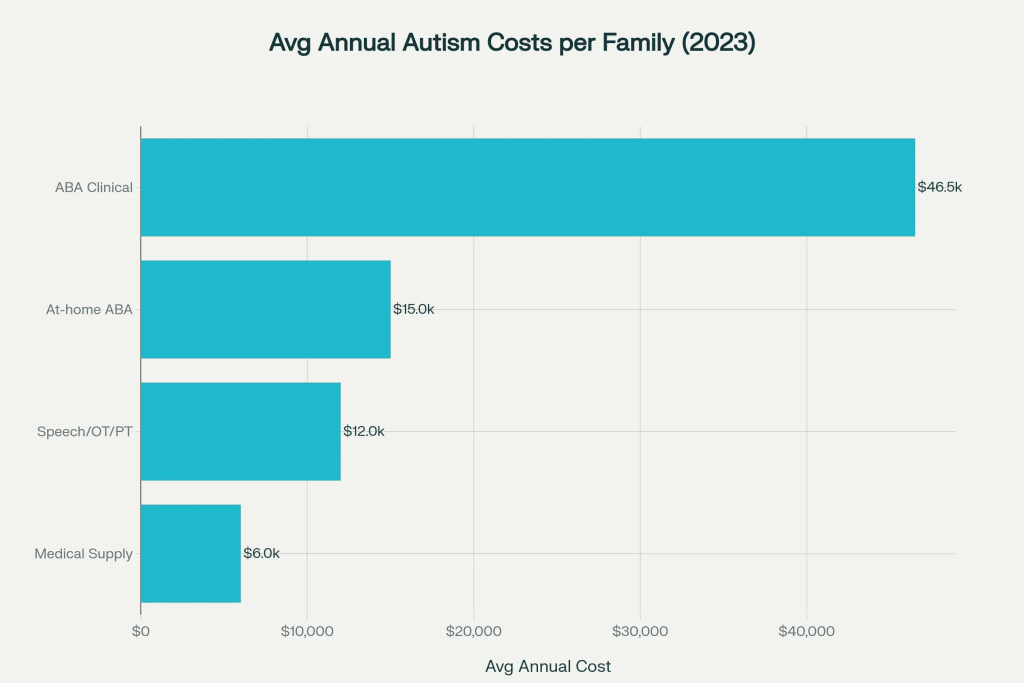
Add transport, specialist equipment and lost work hours: 79% of Irish families say autism adds at least €10 k to €28 k to their annual budget. In China, direct non-medical costs alone exceed USD 18,000 per child per year. These numbers dwarf the median disposable income in many regions, explaining why 38% of parents dip below the poverty line after a diagnosis.
Medical appointments & diagnosis journey
National guidelines suggest assessments within 5 months, yet UK children now wait an average of 433 days, with some families stuck on lists for four years. Each delay postpones speech therapy, behaviour planning and school adaptations—costing developmental momentum that cannot be reclaimed.
“My son was nearly eight before we got a formal diagnosis, and by then, we’d lost years of crucial early intervention,” shares Sarah, a mother from Manchester. “It felt like a constant uphill battle just to be heard.”
Lack of respite and sacrifice of self
Half of the mothers surveyed in South Africa reported moderate caregiver burden and one-third reported severe strain. Regular respite has been shown to halve parental stress, yet only 11% of affected UK families receive consistent breaks. When evenings are consumed by toileting programmes and PECs cards, basic self-care—exercise, seeing friends, even uninterrupted meals—disappears, erasing a mother’s sense of identity.
“I used to love painting, but now my days are a blur of appointments and meltdowns,” says Emily, a single mother from Arizona. “Finding even an hour for myself feels impossible.”

The emotional and mental toll
Exhaustion, burnout and health risk
Long-term cortisol depletion in mothers of autistic adolescents mirrors that of combat soldiers, raising risks of immune dysfunction and chronic disease. A 2024 meta-analysis linked high disruptive-behaviour scores in children with a 3-fold increase in parental burnout risk.

Isolation and loneliness
Parents of autistic children spend two extra hours per day on caregiving compared with other parents and are three times as likely to feel socially exhausted. Avoiding birthday parties because of noise or fear of judgement accelerates isolation, further eroding mental health.
“We stopped going to family gatherings because the sensory overload was too much for my daughter, and the judgment from relatives was just heartbreaking,” recalls Maria, a mother of two from Texas.
Grief, acceptance and perpetual anxiety
Receiving a diagnosis can trigger complicated grief for the imagined future that no longer feels possible. Acceptance is often cyclical; every missed milestone or failed school placement re-opens that wound. Layered on top is pervasive anxiety about adult services, employment prospects and who will advocate once parents age.
Relationship strain
Up to 75% of couples report reduced marital satisfaction post-diagnosis, driven by sleep deprivation and financial tension. Proactive counselling and balanced caregiving duties predict better outcomes yet remain under-funded in most public systems.
The unspoken details that hurt
Sensory challenges at home
A child who is hypersensitive to sound may bolt when a blender whirs or scream at the flush of a toilet, making shared mealtimes near-impossible. Families tip-toe around daily tasks, often leading to fragmented routines and nutritional compromises.
Communication barriers
Roughly 30% of autistic children remain minimally verbal by school age, and the burden of interpreting needs falls on parents. Constant high-stakes guess-work fuels stress and can precipitate public meltdowns, amplifying stigma.
Behavioural storms in public and private
Irritability and hyperactivity are the strongest predictors of objective caregiver strain. Meltdowns in supermarkets or on planes invite judgement and forced exits, shrinking a family’s social world.
“I once had to leave a grocery store because my son started screaming due to the fluorescent lights and a woman openly mocked him,” shares Chloe, a mother from Sydney, Australia. “It makes you just want to stay home.”
Financial burden revisited
Parent resignations or reductions to part-time work are common, producing an average household income drop of 14-30%. Bankruptcy rates among these families run almost double their peers.
Unwavering love and resilience
Despite the toll, 90% of mothers say their relationship with their child is the central source of meaning in their lives. They become case managers, advocates and self-taught therapists—skills most never imagined owning. Online support groups and local charities can buffer isolation, offering practical tips on funding, sensory-friendly outings and mental-health resources.

Challenging societal perceptions
Call to action for empathy
Audiences must look beyond viral “autistic genius” clips and recognise the breadth of profiles—including those who may never speak or live independently. Comment sections that idolise savant abilities inadvertently silence the majority.
Advocacy for resources
Policymakers should redirect funds toward early diagnosis hubs, subsidised respite and inclusive schooling. Evidence shows that every £1 invested in intensive early intervention saves £1.50 in later social-care costs.
Normalizing the struggle
It is not weakness when a mother says, “I am tired.” It is data: 77% of mothers screen positive for significant psychological distress. Acknowledging this is the first step towards collective solutions.
Where to find support: Networks and resources for autism mothers
Finding a supportive community and accessing vital resources can make a significant difference in the lives of mothers raising autistic children. Here’s a guide to national organizations, online communities, and practical support channels in English-speaking countries:
National organizations
These organizations offer a wealth of information, advocacy, and direct support services:
- Autism Speaks (USA): Provides tools, resources, and advocacy for individuals with autism and their families. Their website offers a comprehensive resource guide by state.
- Autism Society (USA): Focuses on improving the lives of all affected by autism. They have a nationwide network of affiliates offering local support and services.
- National Autistic Society (UK): The leading UK charity for autistic people and their families. They offer helplines, support groups, and campaigning for better services.
- Autism Canada: Provides information, support, and advocacy for autistic individuals and their families across Canada.
- Autism Awareness Australia: Works to improve the lives of autistic people and their families through awareness, education, and advocacy.
- AsIAm (Ireland): Ireland’s national autism charity, providing a range of services including an information line, training, and community support.
Online communities
Connecting with other mothers who understand your journey can be incredibly validating and provide practical advice:
- Facebook groups: Search for groups like “Autism Moms Support,” “Autism Parent Support,” or specific regional groups. These often provide a safe space for sharing experiences, asking questions, and finding local recommendations.
- Reddit: Subreddits such as r/Autism_Parenting and r/Autism offer anonymous platforms for discussion, advice, and emotional support.
- Mumsnet (UK): Their autism forums are a popular place for UK mothers to share experiences, seek advice, and find solidarity.
- Special-needs forums: Many online forums dedicated to special needs parenting have dedicated sections for autism.
Local resources
Don’t underestimate the power of local connections:
- Parent-led support groups: Many communities have informal or formally organized parent support groups. Ask your child’s therapists, school, or local autism organizations for recommendations. “Our local parent group saved my sanity,” says Jessica, a mother from Ontario, Canada. “Just knowing I wasn’t alone, and getting tips on navigating the school system, was invaluable.”
- School-based advocacy programs: Some schools offer parent support liaisons or programs to help families navigate educational services and advocate for their child’s needs.
- Local respite care services: Check with your local social services or autism organizations for information on respite care programs that offer short-term breaks for caregivers.
Mental health support
Prioritizing your own mental health is crucial:
- Free or low-cost counseling for caregivers: Many community mental health centers or non-profits offer specialized counseling for caregivers.
- Helplines: In the US, the SAMHSA National Helpline (1-800-662-HELP (4357)) offers confidential treatment referral and information. In the UK, Mind (0300 123 3393) provides mental health information and support.
- Caregiver support programs: Some hospitals or large healthcare systems offer programs specifically designed to support caregivers of children with complex needs.
How to join: Step-by-step guide
- Identify your needs: Are you looking for emotional support, practical advice, or specific resources (e.g., financial aid, therapy referrals)?
- Start with national organizations: Their websites often have search tools to find local chapters or recommended resources in your area.
- Explore online communities: Join a few Facebook groups or subreddits and observe for a while before actively participating. Look for groups that are supportive and well-moderated.
- Ask for local recommendations: Your child’s medical professionals, therapists, or school staff are excellent sources for local support group information.
- Vet trustworthiness: While most groups are supportive, always be cautious about sharing personal information and verify any advice, especially medical or financial, with professionals.
Actionable tips and coping strategies
Managing the daily demands requires intentional strategies for self-care and stress reduction.
Daily self-care checklist
- Prioritize sleep: Even fragmented sleep takes a toll. Aim for consistent sleep times when possible.
- Movement matters: Incorporate short bursts of physical activity, even a 15-minute walk.
- Nutrition focus: Fuel your body with healthy foods. Keep quick, nutritious snacks on hand.
- Mindful moments: Practice deep breathing, listen to calming music, or engage in a quick meditation. Apps like Calm or Headspace can be helpful.
- Scheduled breaks: Intentionally schedule short breaks throughout your day, even 5-10 minutes for yourself.
- Connect with friends/family: Maintain connections with supportive individuals, even if it’s just a quick phone call.
Evidence-based coping mechanisms for burnout and anxiety
- Professional counseling: A therapist can provide strategies for managing stress, anxiety, and grief. Cognitive Behavioral Therapy (CBT) and Acceptance and Commitment Therapy (ACT) are often beneficial.
- Respite care: Seek out and utilize respite services whenever possible. Even a few hours can significantly reduce stress and improve your ability to cope.
- Mindfulness and meditation: These practices can help regulate emotions, reduce stress hormones, and improve overall well-being.
- Support groups: Sharing experiences with others facing similar challenges can reduce feelings of isolation and provide validation.
- Set boundaries: Learn to say no to additional commitments when you are feeling overwhelmed.
- Advocacy and empowerment: Taking an active role in advocating for your child’s needs can be empowering and provide a sense of control.
Recommended apps, books, and podcasts
- Apps:
- Headspace: For meditation and mindfulness.
- Insight Timer: Offers a vast library of guided meditations.
- Streaks: To build small, positive daily habits.
- Books:
- “The Reason I Jump” by Naoki Higashida (for understanding the autistic perspective).
- “Uniquely Human: A Different Way of Seeing Autism” by Barry M. Prizant.
- “The New Social Story Book” by Carol Gray.
- Podcasts:
- Podcast episode “Autistic characters in media: Breaking stereotypes or reinforcing stigma?” by The Urban Herald.
- “Autism Families Ireland”
- “The Spectrum Mamas Podcast”
Broadening the scope of challenges: Intersectionality and family dynamics
The challenges faced by mothers of autistic children are not monolithic; they are deeply influenced by various intersecting factors.
Intersectionality: Race, socioeconomic status, and location
- Racial disparities: Studies show that children from racial and ethnic minority groups often receive autism diagnoses later than white children, leading to delayed access to early intervention services. For instance, Black children are diagnosed an average of 1.3 years later than white children in some regions of the US, and Hispanic children 0.8 years later. This delay can be attributed to cultural barriers, implicit bias in healthcare, and limited access to culturally competent diagnostic professionals.
- Socioeconomic status (SES): Families with lower socioeconomic status face magnified financial burdens and often have limited access to high-quality healthcare, therapy, and educational resources. The average household income drop of 14-30% experienced by parents of autistic children is particularly devastating for low-income families, pushing 38% below the poverty line after a diagnosis. They may also struggle with transportation to appointments or afford specialist equipment.
- Rural vs. urban location: Families in rural areas often experience a severe scarcity of autism specialists, therapists, and support services. This necessitates long-distance travel and increased costs, further exacerbating the financial and logistical strain compared to urban families who have more concentrated resources.
Impact on siblings and broader family dynamics
- Sibling challenges: Siblings of autistic children may experience a range of emotions, including resentment over perceived unequal attention, responsibility for caregiving, or anxiety about their sibling’s future. They may also face social challenges, such as explaining their sibling’s behaviour to peers or feeling isolated. However, many siblings also develop remarkable empathy, resilience, and a strong sense of advocacy.
- Broader family dynamics: Grandparents, aunts, and uncles can be vital sources of support or, conversely, contribute to the family’s stress through lack of understanding or unhelpful advice. Educating the extended family about autism is crucial for fostering a supportive environment.
Unique challenges for single mothers and those with limited financial means
- Single mothers: The caregiving burden is intensified for single mothers who lack a co-parent to share responsibilities, financial strain, or emotional support. They often face greater social isolation and are at higher risk for burnout and mental health issues.
- Limited financial means: For families already struggling financially, an autism diagnosis can be catastrophic. The high cost of therapies, specialized diets, equipment, and lost work hours can quickly lead to debt and bankruptcy. Access to state-funded services, if available, often involves extensive waiting lists and bureaucratic hurdles.
Strengthening calls to action and advocacy
The challenges faced by mothers of autistic children require a collective societal response. Advocacy at individual, community, and policy levels is essential.
Encourage readers to advocate for better services, funding, and societal understanding
- Contact elected officials: Write letters, send emails, or call your local and national representatives to share your story and advocate for increased funding for autism research, early intervention programs, and accessible adult services.
- Support autism organizations: Join advocacy campaigns led by organizations like Autism Speaks, the National Autistic Society, or local chapters. Their collective voice is powerful in influencing policy.
- Share your story responsibly: While respecting privacy, sharing your authentic experiences with trusted media outlets, community groups, or online platforms can help educate the public and dismantle myths.
- Demand inclusive education: Advocate for better resources and training for teachers to ensure autistic children receive appropriate support and an inclusive education in mainstream or specialized settings.
- Push for improved diagnostic pathways: Demand shorter waiting times for diagnosis and access to comprehensive post-diagnostic support for families.
Suggest ways the public can support autism families
- Volunteer time: Offer to babysit for an autistic child to provide respite for parents, or volunteer at local autism charities.
- Donate: Financial contributions to autism research, support services, and advocacy organizations are crucial.
- Spread awareness and understanding: Challenge misconceptions about autism and share accurate information. Encourage empathy and acceptance in your social circles.
- Offer practical help: Simple gestures like offering to run errands, bringing a meal, or providing a listening ear can make a significant difference to an overwhelmed mother.
- Support inclusive spaces: Patronize businesses and organizations that actively work to create sensory-friendly environments and are welcoming to autistic individuals and their families.

Conclusion – Acknowledging the unsung heroes
The gulf between romanticized autism and the realities endured by mothers is vast. Behind each viral “hyper-focus” headline are nights spent on A&E floors, stacks of insurer paperwork and meals eaten in shifts. Yet these women persist—fuelled by fierce love and a determination that their children will find a place in a world not yet designed for them. To every mother navigating therapy marathons, sensory landmines and public misconceptions: your struggle is seen, your resilience is remarkable, and your story is indispensable to the broader autism narrative.


