The landscape of autism representation in film and television has undergone a remarkable transformation over the past three decades, with autistic characters in media becoming increasingly prominent across diverse platforms and genres. This evolution reflects broader societal shifts towards neurodiversity acceptance, yet it also raises critical questions about the quality and authenticity of these portrayals. From the groundbreaking but problematic depiction of Raymond Babbitt in Rain Man to contemporary nuanced characters like Quinni in Heartbreak High, the journey of autism representation reveals both progress and persistent challenges.
Note: This article has been written by an autistic person, bringing lived experience and authentic perspective to the analysis of autism representation in media.
The autism spectrum encompasses a wide range of neurological differences affecting communication, social interaction, and behaviour, with each individual experiencing unique combinations of strengths and challenges. As awareness of autism has grown, so too has the presence of autistic characters across entertainment media, creating opportunities for education, representation, and advocacy whilst simultaneously risking the perpetuation of harmful stereotypes and misconceptions.

The evolution of autism representation in cinema and television
Early portrayals: The foundation of misconceptions
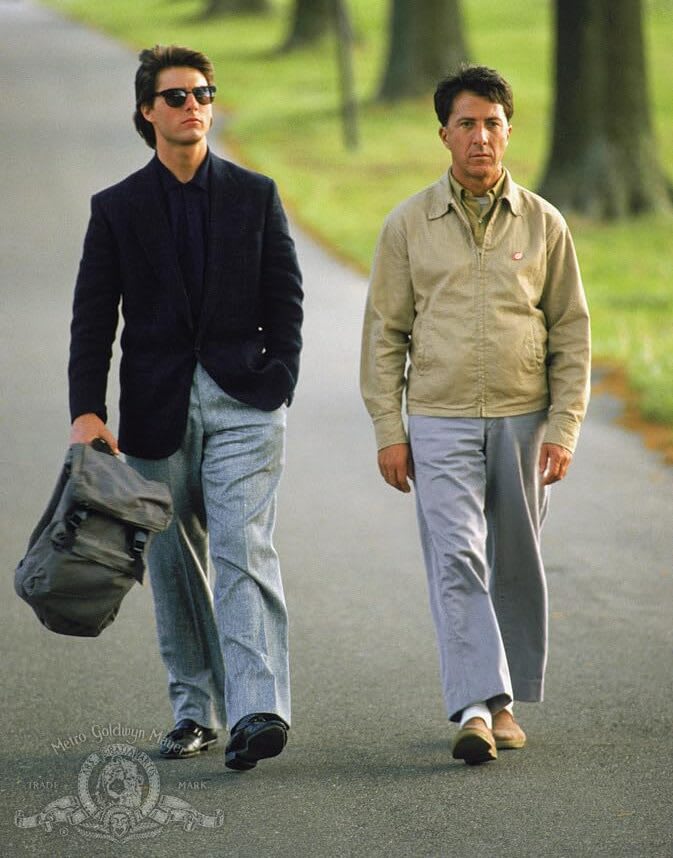
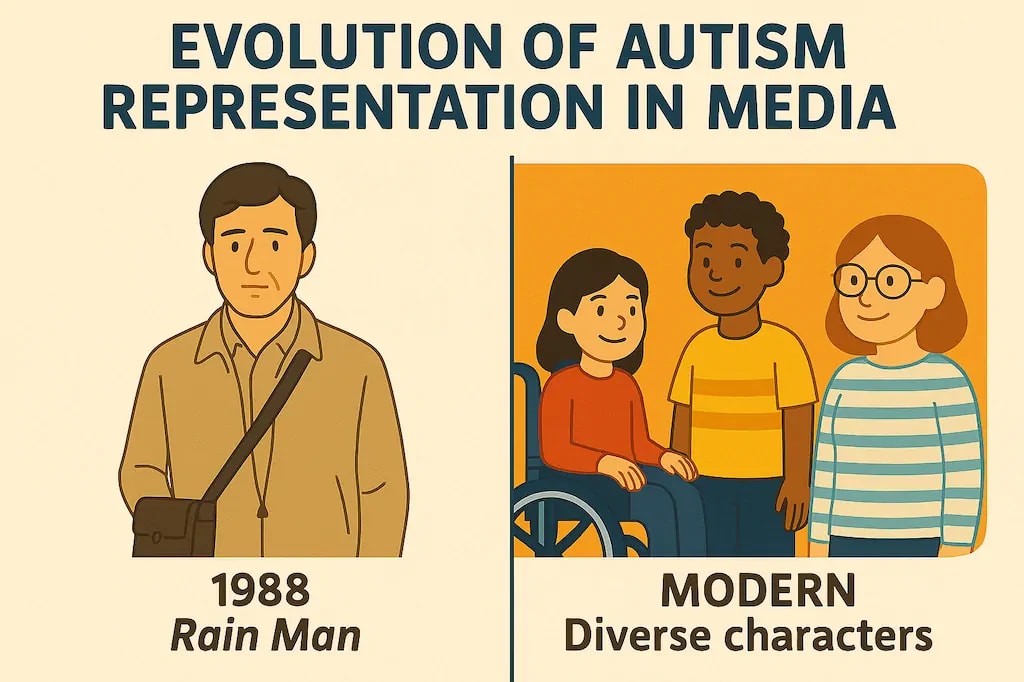
The modern understanding of autism representation in film began with Dustin Hoffman’s portrayal of Raymond Babbitt in Barry Levinson’s 1988 film Rain Man. This Academy Award-winning performance brought autism into mainstream consciousness for the first time, yet established a problematic template that would influence portrayals for decades. Raymond’s character exhibited the classic “autistic savant” trope, combining exceptional mathematical abilities with severe social difficulties and rigid behavioural patterns.
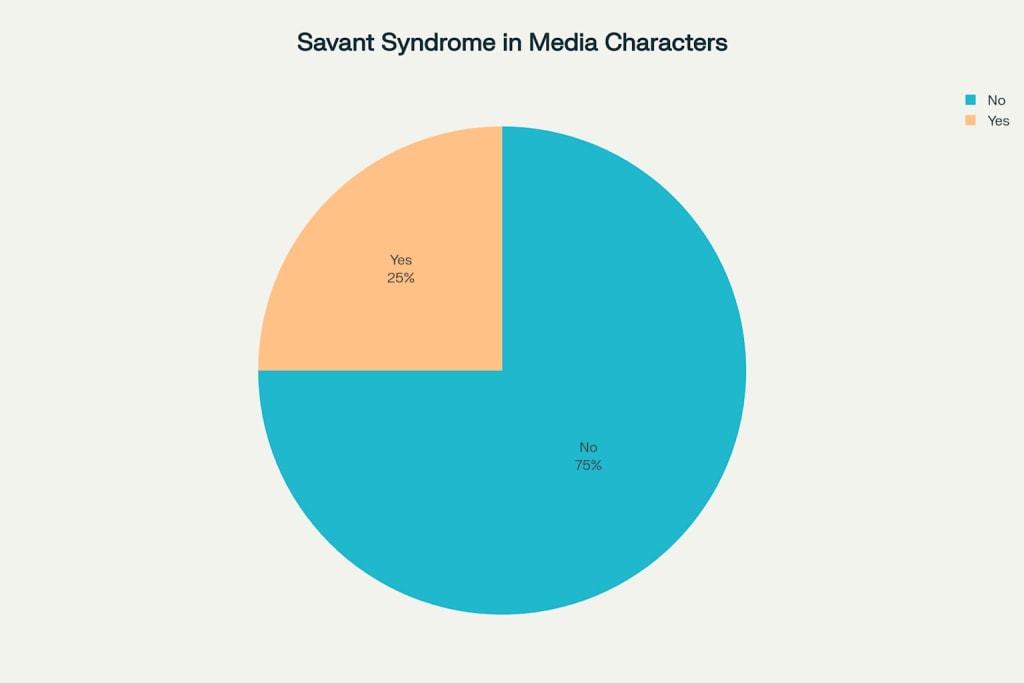
Whilst Rain Man succeeded in humanising autism to some degree, it inadvertently created unrealistic expectations by emphasising extraordinary abilities at the expense of depicting everyday challenges faced by most autistic individuals. Research indicates that only approximately 10% of autistic people possess savant abilities, yet this stereotype became the dominant narrative in early portrayal of autism in cinema.
The film’s impact extended beyond entertainment, shaping public perception and professional understanding of autism for generations. Healthcare providers, educators, and families often measured autistic individuals against Raymond’s specific presentation, creating a narrow and limiting framework that failed to capture the diversity of the autism spectrum.
Modern television: Diverse voices and complex characters
Contemporary autism on TV series has demonstrated significant improvement in both quantity and quality of representation. Series such as The Good Doctor, Atypical, and Extraordinary Attorney Woo have brought autistic protagonists to mainstream audiences, each offering different perspectives on the autistic experience.
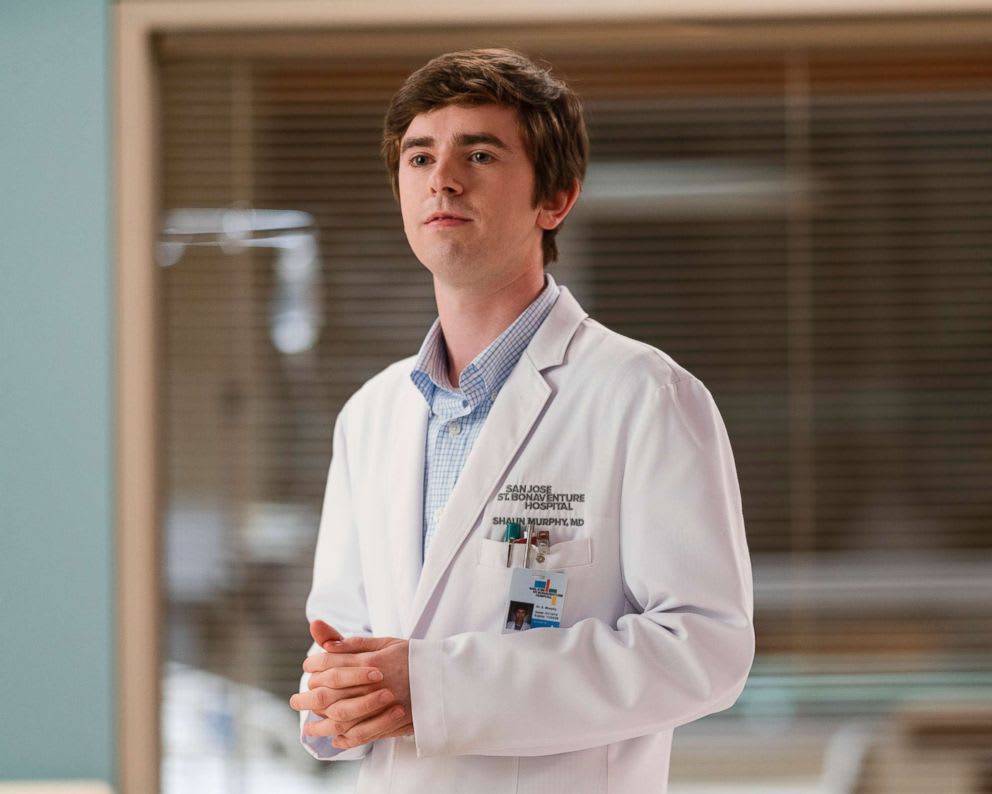
The Good Doctor, featuring Dr. Shaun Murphy as a surgical resident with autism and savant syndrome, has achieved global success whilst generating debate about its portrayal. The series attempts to balance Shaun’s exceptional medical abilities with realistic depictions of social challenges and workplace discrimination. However, critics argue that the continued emphasis on savant syndrome perpetuates unrealistic expectations about autistic capabilities.
Atypical, Netflix’s series following teenager Sam Gardner’s journey towards independence, has received mixed reactions from the autism community. Whilst praised for addressing practical aspects of autistic adolescence, including relationships and career aspirations, the series has been criticised for its lack of diversity and occasional reliance on stereotypical behaviours. The autism community’s response highlights the importance of authentic consultation in developing fictional autistic characters.
Extraordinary Attorney Woo from South Korea has garnered international acclaim for its nuanced portrayal of Woo Young-woo, an autistic lawyer navigating professional challenges. The series has been particularly praised for depicting autism as both a source of unique strengths and genuine difficulties, avoiding the extremes of either pure inspiration or tragic burden.
Groundbreaking authentic representation
A significant development in neurodiversity in media has been the emergence of autistic actors portraying autistic characters. Kayla Cromer’s performance as Matilda in Everything’s Gonna Be Okay marked a watershed moment, demonstrating the authenticity and depth that lived experience brings to character portrayal.
Chloe Hayden’s portrayal of Quinni in Heartbreak High has been particularly celebrated for its genuine representation of masking, stimming, and the complex social navigation that many autistic individuals experience. The series has been praised for consulting with autistic advisors and incorporating community feedback throughout development.
Community‘s Abed Nadir, whilst never explicitly diagnosed, has become beloved within the autism community for his authentic representation of special interests, social communication differences, and unique worldview. Creator Dan Harmon’s realisation of his own autism during character development contributed to the authenticity of Abed’s portrayal.
Children’s media: Early education and awareness
Autism awareness media for younger audiences has expanded significantly, with programmes like Sesame Street introducing Julia, an autistic Muppet designed to promote understanding and acceptance among children. The initiative represents a proactive approach to reducing stigma through early education.
PBS Kids’ Carl the Collector broke new ground in 2024 by featuring the first autistic lead character in children’s programming. The animated series presents autism as part of natural human diversity, focusing on Carl’s collecting interests and problem-solving abilities whilst addressing challenges like anxiety and sensory sensitivities. Created by New York Times bestselling illustrator Zachariah OHora, the show targets children ages 4-8 and celebrates neurodiversity through Carl, an autistic raccoon with a passion for collecting.
The production’s commitment to authenticity extended to hiring neurodivergent staff across various roles, from writers and animators to voice talent, ensuring that autism representation was informed by lived experience. This comprehensive approach represents a significant evolution from earlier attempts like Sesame Street’s Julia, which introduced autism awareness but did not centre autistic experiences.
Carl the Collector‘s impact extends beyond entertainment to educational initiatives, with the show designed to foster empathy and understanding among neurotypical children while providing representation for autistic viewers. The series addresses practical aspects of autistic experience, including sensory sensitivities, special interests, and social navigation, presented in age-appropriate and celebratory contexts.
International productions have followed suit, with shows increasingly featuring autistic characters in leading roles rather than supporting positions, reflecting a global shift toward centring neurodivergent experiences in children’s media.
The positive impact of increased visibility
Raising awareness and understanding
The proliferation of autism representation across media platforms has significantly increased public awareness of autism spectrum conditions. Studies demonstrate that exposure to well-crafted autistic characters can improve neurotypical viewers’ understanding of autism and reduce negative stereotypes.
Social media platforms, particularly TikTok, have amplified this awareness, with autism-related content reaching millions of viewers. Research indicates that 98.3% of young people believe that increased autism visibility through media has positive effects on acceptance and understanding.
Fostering empathy and acceptance
Positive portrayals of authentic autistic characters have demonstrable effects on audience attitudes towards autism. When characters are presented as complex, multi-dimensional individuals rather than collections of symptoms, viewers develop greater empathy and understanding.
The success of series like Heartbreak High and Everything’s Gonna Be Okay demonstrates that audiences appreciate authentic representation that neither infantilises nor sensationalises autism. These portrayals contribute to broader cultural shifts towards neurodiversity acceptance.
Validation for autistic individuals
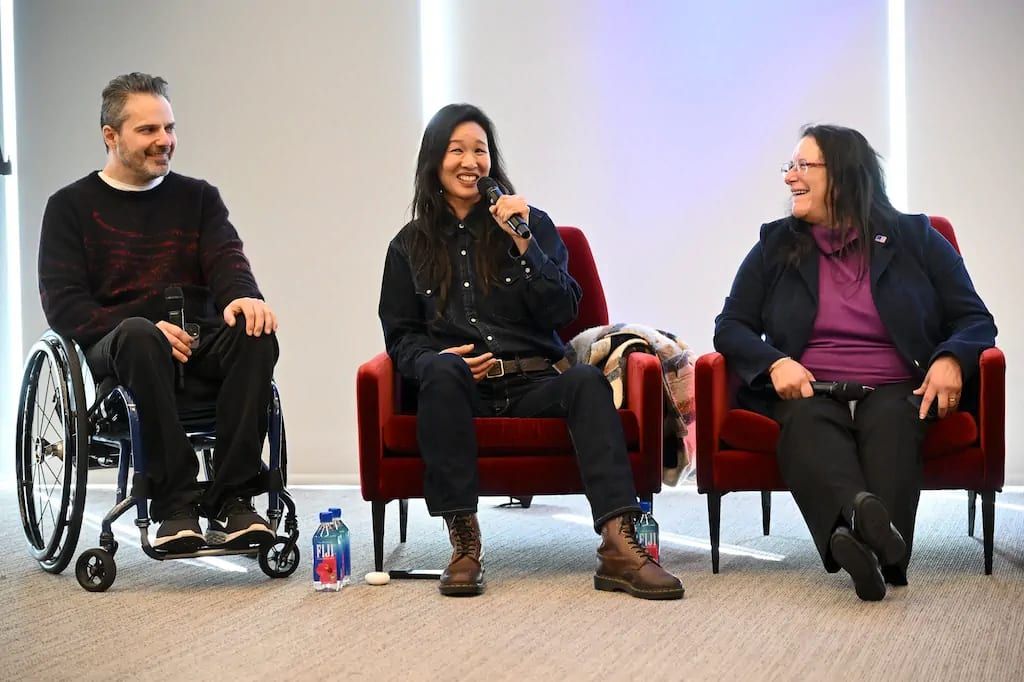
Perhaps most significantly, improved autism representation provides crucial validation for autistic viewers who have historically seen themselves absent or misrepresented in media. Many autistic individuals report feeling less isolated and more understood when encountering authentic portrayals.
The representation of diverse autistic experiences, including different ethnicities, genders, and support needs, helps combat the historical focus on white, male, high-functioning presentations. This diversity is essential for addressing the diagnostic disparities that have left many autistic individuals, particularly women and people of colour, without recognition or support.
The potential for increased stigma and misrepresentation
Perpetuating harmful stereotypes
Despite significant progress, harmful stereotypes persist in 2025, particularly the overrepresentation of savant syndrome, which affects only 10% of autistic individuals but continues to dominate media portrayals. The “autistic savant” trope, established by Rain Man in 1988, remains prevalent in contemporary shows like The Good Doctor and Extraordinary Attorney Woo.
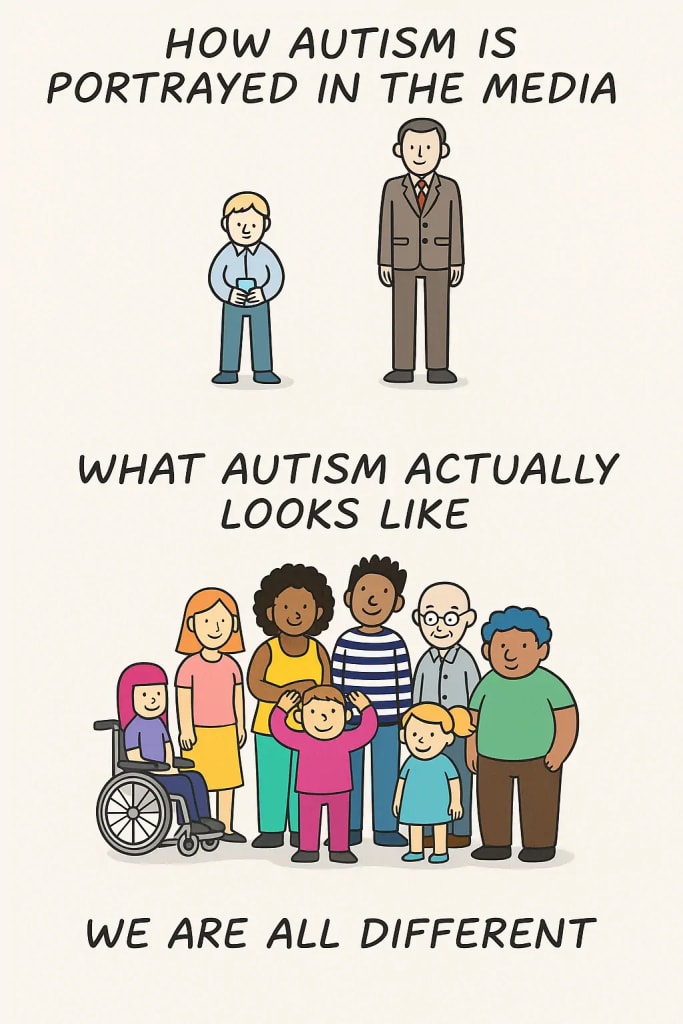
Research published in 2025 identifies several persistent problematic patterns: the continued focus on white, male, middle-class characters; the infantilization of autistic individuals; and the burden narrative that positions autism as primarily a source of family stress. . These stereotypes contribute to diagnostic disparities and inadequate support for underrepresented groups within the autism community.
The medical model approach continues to influence many productions, emphasizing deficits and challenges while minimizing strengths and capabilities. This perspective contrasts sharply with the neurodiversity movement’s emphasis on autism as neurological difference rather than disorder.
Limited diversity and representation gaps
Historical autism portrayal has disproportionately focused on white, male, middle-class characters, failing to represent the full diversity of the autism spectrum. This narrow focus has contributed to diagnostic disparities and inadequate support for underrepresented groups within the autism community.
Research demonstrates that media coverage of autism continues to focus predominantly on children, marginalising the experiences and needs of autistic adults. This age bias reinforces misconceptions about autism as a childhood condition whilst neglecting the lifelong nature of autism spectrum conditions.
The burden narrative and inspiration porn
Many portrayals continue to present autism through a medical model lens, emphasising deficits and challenges whilst minimising strengths and capabilities. The “burden narrative” positions autistic individuals as problems to be solved or sources of family stress, rather than valued community members.
Conversely, some representations fall into “inspiration porn” territory, using autistic characters primarily to motivate neurotypical audiences rather than developing them as complete individuals. Both approaches dehumanise autistic people and fail to capture the complexity of autistic experiences.
Impact of media on autism stigma
Inaccurate or stereotypical portrayals can reinforce negative attitudes and discriminatory behaviours towards autistic individuals. Research indicates that misleading media representations contribute to stigma, affecting employment opportunities, educational experiences, and social relationships.
The popularisation of autism through social media has also led to concerns about self-diagnosis and the trivialisation of autism as a “trend”. Whilst increased awareness can facilitate appropriate help-seeking, superficial or inaccurate information may contribute to misunderstanding rather than genuine acceptance.
Factors for responsible representation
Consultation with autistic individuals and organisations
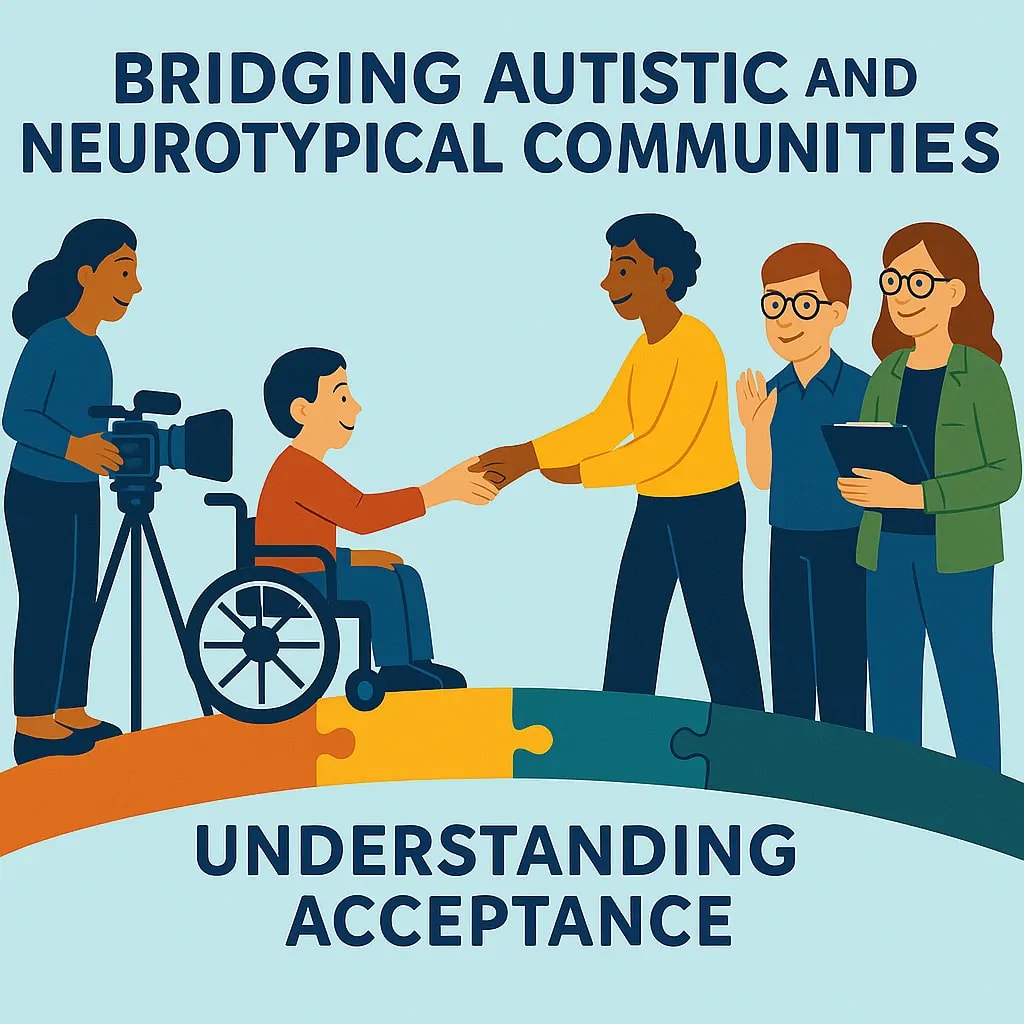
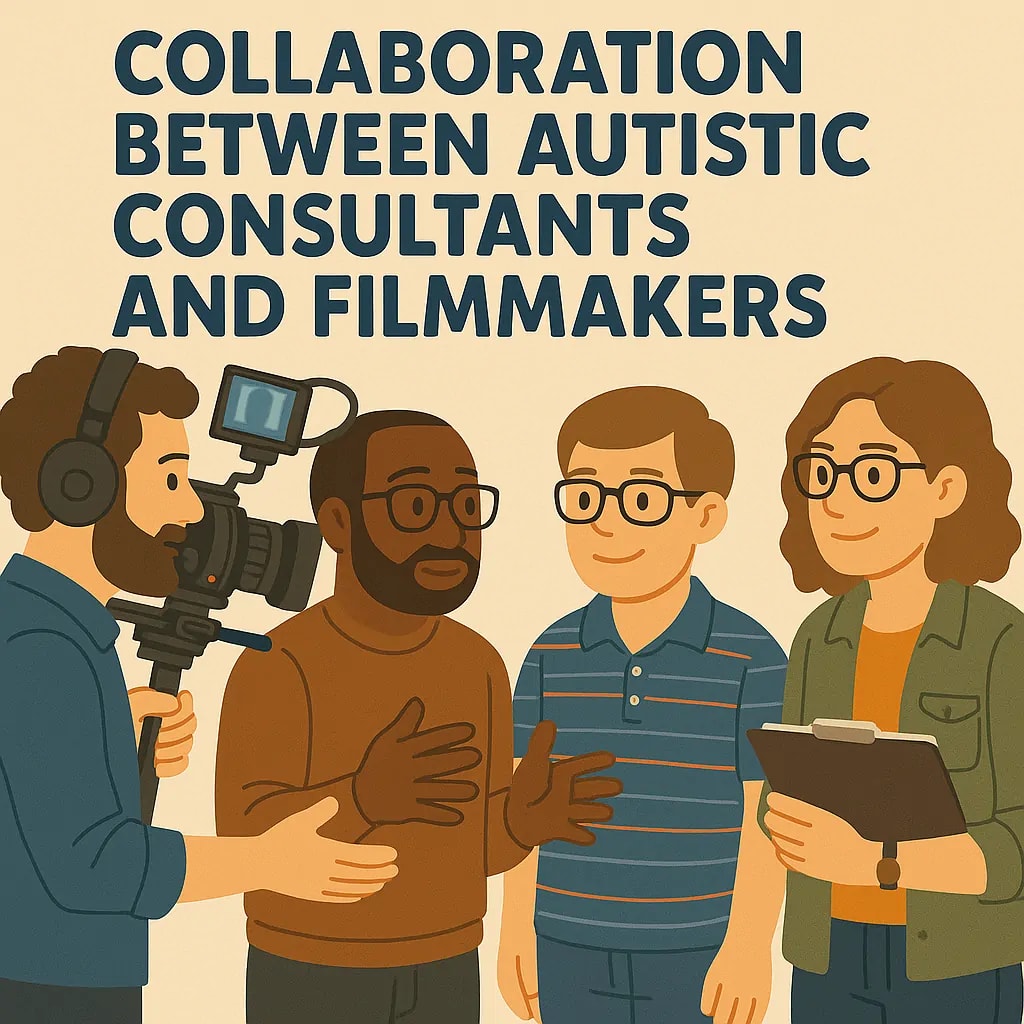
The most crucial factor in creating positive autism representation is meaningful consultation with autistic individuals throughout the creative process. Productions that involve autistic consultants, advisors, and performers consistently achieve more authentic and respectful portrayals.
The entertainment industry is increasingly recognising the value of “Nothing About Us, Without Us” approaches, ensuring that autistic voices are centred in decisions about autism representation. This shift reflects broader disability rights principles and acknowledges that lived experience provides irreplaceable insights.
Authentic casting and performance
The movement towards casting autistic actors in TV shows and films represents a significant step towards authentic representation. Autistic performers bring lived experience, natural authenticity, and unique perspectives that cannot be replicated through neurotypical performance.
Examples like Mickey Rowe’s groundbreaking performance as Christopher Boone in The Curious Incident of the Dog in the Night-Time demonstrate the power of authentic casting to transform audience understanding. Rowe’s achievement as the first openly autistic actor to play an autistic character professionally opened doors for subsequent autistic performers.
Autistic actors in Hollywood
The movement for authentic casting has gained unprecedented momentum in 2025, with established actors like Anthony Hopkins, who revealed his autism diagnosis in 2017, and emerging talents like Bella Ramsey publicly discussing their neurodivergent identities.

Professional platforms like Spotlight and the National Theatre’s ProFile have been instrumental in connecting casting directors with neurodivergent talent, addressing the historical under-representation of autistic actors on stage and screen. These initiatives recognize that authentic representation requires systemic change in casting practices rather than individual efforts.
The success of autistic actors in mainstream productions has challenged industry assumptions about neurodivergent performers’ capabilities. Notable achievements include Mickey Rowe’s groundbreaking performance as the first openly autistic actor to play Christopher Boone in The Curious Incident of the Dog in the Night-Time and Matthew Tuck’s feature film debut alongside Daisy Ridley in Cleaner.
Casting directors now increasingly recognize that neurodivergent performers bring unique perspectives that enhance storytelling authenticity, particularly when portraying characters whose experiences are shaped by their neurological differences.
Moving beyond stereotypes and tropes
Responsible creators must actively challenge existing stereotypes rather than relying on familiar but limiting tropes. This requires research, consultation, and commitment to presenting autism as part of natural human diversity rather than a collection of symptoms or extraordinary abilities.
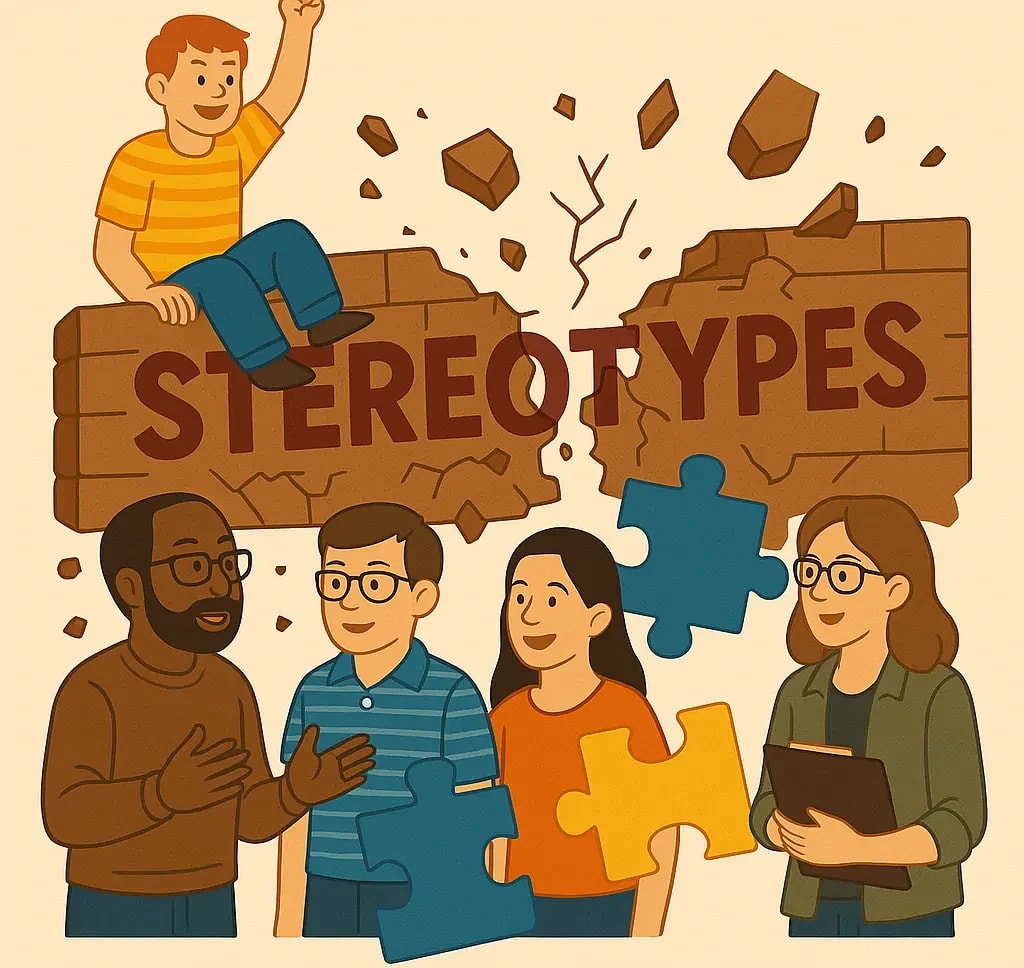
Successful examples like Community‘s Abed Nadir demonstrate how characters can be recognisably autistic whilst avoiding stereotypical presentations. Abed’s autism manifests through special interests in pop culture, unique communication patterns, and distinctive social navigation, rather than through savant abilities or stereotypical behaviours.
Highlighting strengths and challenges
Balanced representation acknowledges both the strengths and challenges associated with autism without romanticising or pathologising the condition. This approach presents autism as a neurological difference that brings both advantages and difficulties, depending on context and support.
Characters like Quinni in Heartbreak High exemplify this balance, showing how autism affects various life domains whilst celebrating autistic strengths like attention to detail, pattern recognition, and authentic self-expression.
Trending shows and recent milestones
The media landscape of 2025 has been shaped by several breakthrough productions that have redefined autism representation standards. Heartbreak High‘s second season, despite some criticism for sidelining Quinni’s character development, continues to influence industry practices around authentic casting and consultation. The show’s impact demonstrates both the potential and pitfalls of neurodivergent representation in mainstream media.
The Assembly, which premiered as a BBC pilot in 2024 and expanded to a full ITV series in 2025, represents an innovative format featuring autistic, neurodivergent, and learning-disabled interviewers questioning celebrities. The show’s success with notable guests including Michael Sheen, Gary Lineker, and David Tennant has proven that neurodivergent perspectives can create compelling and authentic television content.
Channel 4’s Patience, starring autistic actress Ella Maisy Purvis as an autistic police archivist with overlooked criminology skills, exemplifies the industry’s growing commitment to authentic casting in lead roles. The series demonstrates how neurodivergent characters can drive complex narratives without relying on stereotypical portrayals.
The impact of authentic casting and lived experience
Authentic casting has demonstrated measurable impacts on both audience reception and industry practices in 2025. Productions featuring autistic actors in autistic roles consistently receive higher authenticity ratings from autistic audiences and critics. This authenticity translates into increased viewer engagement, with shows like Heartbreak High attracting global audiences specifically seeking genuine neurodivergent representation.
The economic impact of authentic casting has become increasingly apparent, with productions featuring neurodivergent talent often experiencing enhanced marketability and critical acclaim. Industry research suggests that authentic representation not only serves ethical imperatives but also creates competitive advantages in increasingly diverse entertainment markets.
Professional development initiatives have emerged to support neurodivergent talent, including specialized casting platforms, mentorship programs, and accessibility accommodations that enable successful participation in mainstream productions. These systemic changes reflect industry recognition that inclusive practices benefit all participants.
Actionable recommendations for media creators and audiences
For media creators
Consultation Framework: Implement comprehensive consultation with autistic individuals throughout all production phases, from script development to post-production. Establish ongoing relationships with autism advocacy organizations rather than one-time consultations.
Authentic Casting: Prioritize casting autistic actors for autistic roles while providing necessary accommodations and support. Invest in relationship-building with neurodivergent talent rather than expecting immediate trust and participation.
Narrative Diversity: Move beyond savant stereotypes to explore the full spectrum of autistic experiences, including different ethnicities, genders, socioeconomic backgrounds, and support needs. Challenge existing tropes by presenting autism as neurological difference rather than deficit.
Production Accessibility: Create accessible working environments that accommodate various neurological differences, including sensory considerations, communication preferences, and processing styles. Budget additional time and resources for inclusive practices.
For audiences
Critical Engagement: Evaluate autism representation critically, supporting productions that prioritize authenticity while providing constructive feedback on problematic portrayals. Seek out content created by and featuring autistic individuals.
Community Support: Amplify autistic voices and advocacy through social media sharing and engagement. Support autism organizations and initiatives that promote authentic representation.
Educational Commitment: Continue learning about autism and neurodiversity beyond media consumption, engaging with autistic-led resources and advocacy materials. Challenge misconceptions and stereotypes in personal and professional context.
The evolution of autism representation in media reflects broader societal progress toward neurodiversity acceptance, yet significant challenges remain. As we advance through 2025, the continued collaboration between autistic individuals, advocates, and entertainment industry professionals will determine whether increased visibility translates into genuine acceptance and meaningful social change.
Towards a more inclusive future
The evolution of autistic characters in media reflects broader societal progress towards neurodiversity acceptance, yet significant challenges remain. The data reveals encouraging trends: representation quality has improved markedly since 1988, authentic casting is increasing, and diverse autistic experiences are beginning to receive attention.
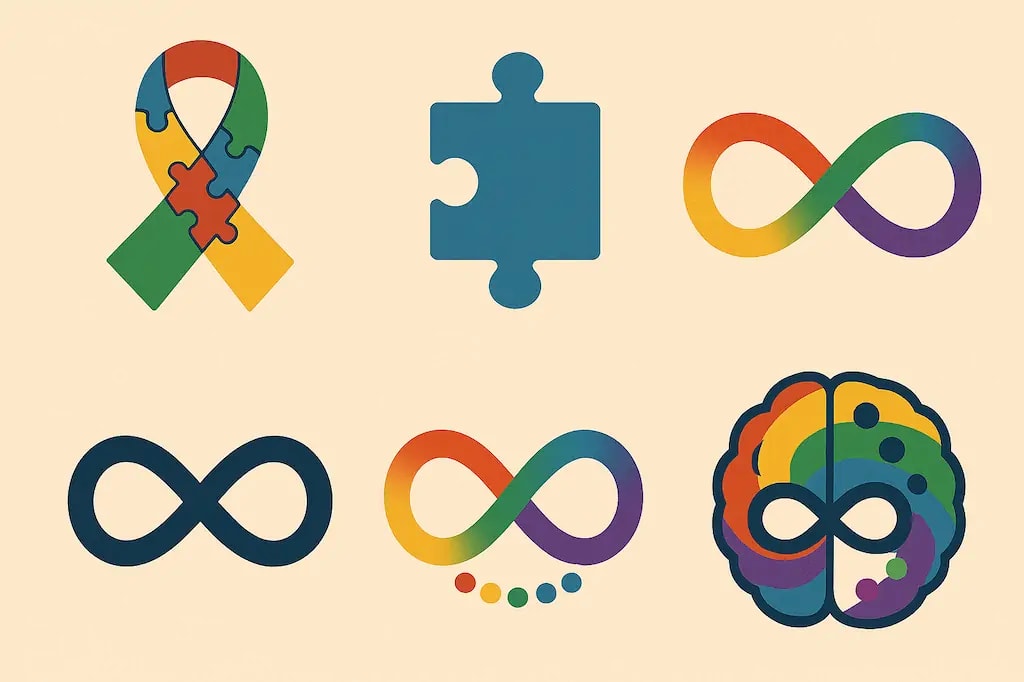
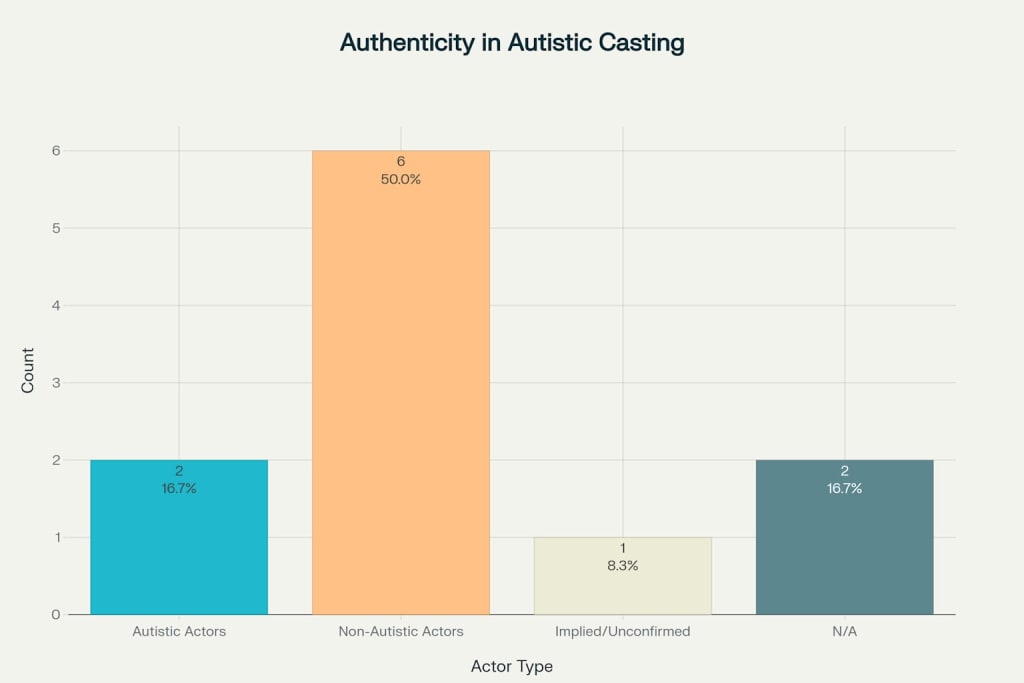
However, the authenticity gap remains substantial, with only a minority of autistic characters portrayed by autistic actors. The persistence of savant syndrome portrayals, despite their statistical rarity, continues to shape unrealistic expectations about autistic capabilities.
Moving forward, the entertainment industry must prioritise authentic consultation, diverse casting, and nuanced storytelling that captures the full spectrum of autistic experiences. This includes representing autistic people of all ethnicities, genders, socioeconomic backgrounds, and support needs.
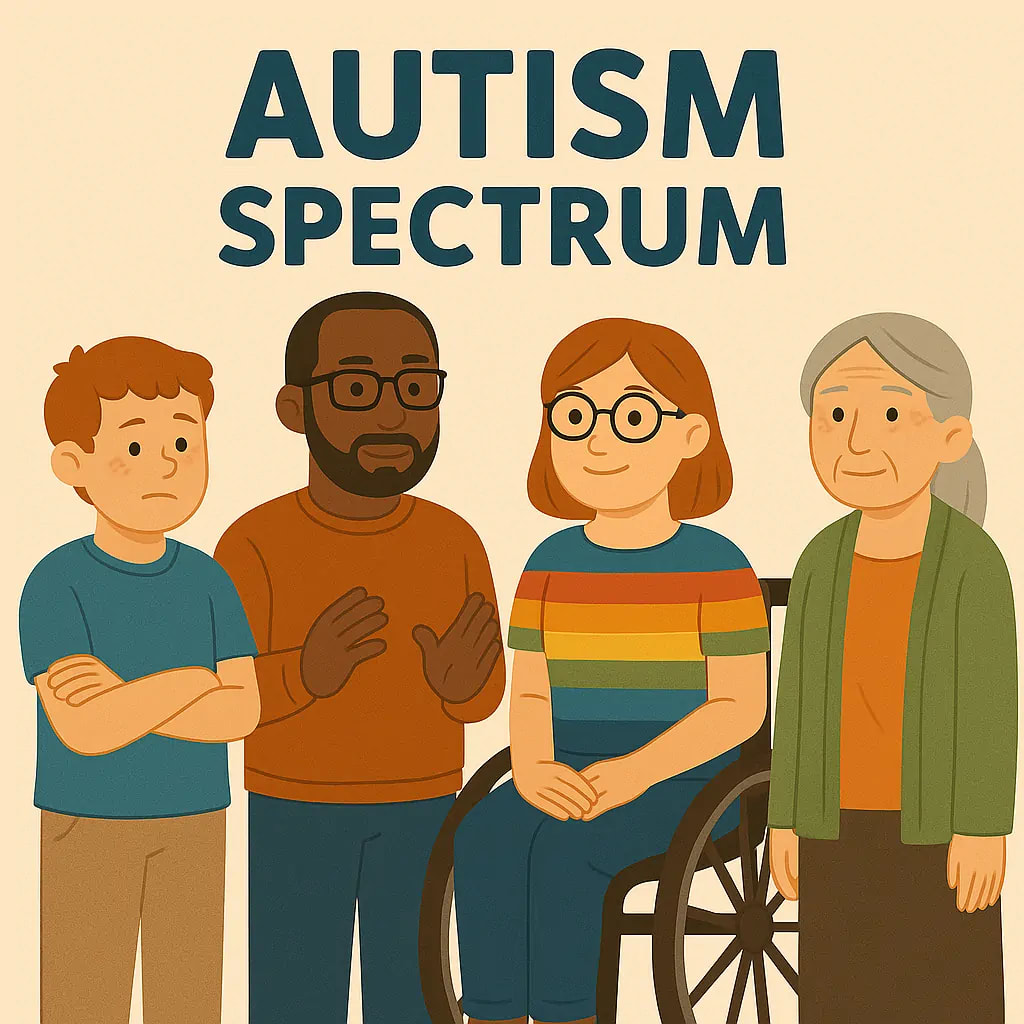
Audiences also bear responsibility for critically engaging with autism representation, supporting productions that prioritise authenticity, and advocating for improved portrayals. The autism community’s vocal response to both positive and negative representations has already influenced industry practices and will continue to drive progress.
The ultimate goal is media representation that serves the autism community rather than exploiting it—portrayals that increase understanding, reduce stigma, and celebrate the diversity and value of autistic lives. Achieving this vision requires continued collaboration between autistic individuals, advocates, and entertainment industry professionals committed to authentic, respectful representation.
As we move towards this more inclusive future, the voices and experiences of autistic people must remain central to conversations about autism representation in media. Only through this commitment to authentic partnership can we ensure that increased visibility translates into genuine acceptance and meaningful social change.