

Gastronomy on screen has evolved significantly, transforming from basic cooking demonstrations into a sophisticated medium for storytelling that explores culture, identity, and the human experience. This phenomenon influences global food trends, inspires culinary careers, and changes how food culture is perceived and engaged with. From pioneering shows like Julia Child’s “The French Chef” to modern cinematic documentaries such as “Chef’s Table” and the widespread impact of social media food content on platforms like TikTok, food media has become a powerful cultural force. It not only entertains but also educates, shapes consumer behavior, and fosters cross-cultural understanding. The future promises even more immersive experiences through technologies like virtual reality and artificial intelligence, further blurring the lines between screen content and real-world culinary engagement.
The evolution of culinary media: From kitchen to screen
The journey of gastronomy on screen began modestly in 1963 when Julia Child first graced American television with “The French Chef,” introducing audiences to the art of French cooking with an accessibility that had never been seen before. This pioneering show established the foundation for what would become a multi-billion-dollar industry, proving that viewers had an insatiable appetite for culinary content.
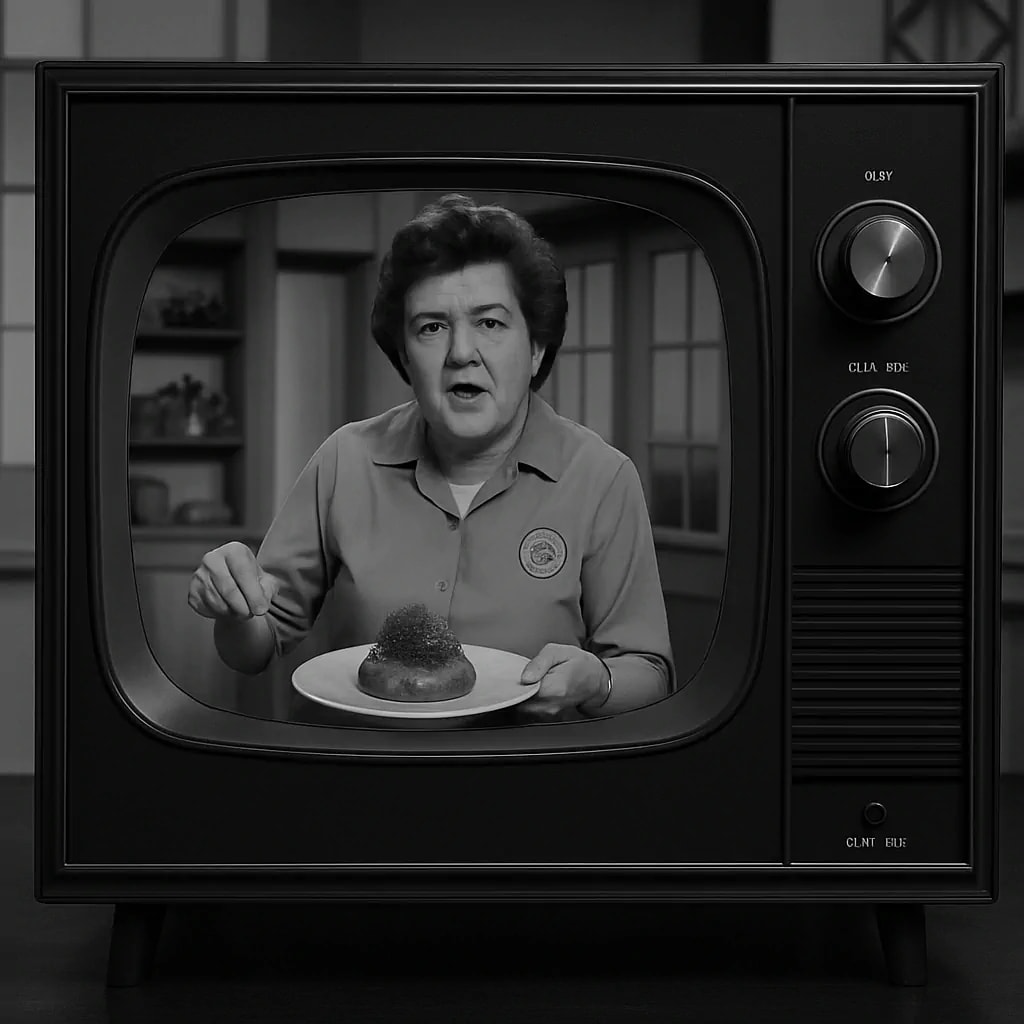
The evolution from Child’s educational approach to today’s diverse landscape represents a fascinating cultural shift. Where early cooking shows focused purely on instruction, modern food media has embraced storytelling, emotion, and visual artistry. The transformation became particularly pronounced with the emergence of competitive reality shows like “MasterChef” and “The Great British Bake Off,” which introduced dramatic tension and personal narratives to the culinary format.
The streaming revolution, particularly Netflix’s entry into food programming, marked another pivotal moment. David Gelb’s “Chef’s Table” series, launching in 2015, redefined how we visualise food on screen. The show’s cinematic approach, characterised by slow-motion sequences, ethereal lighting, and Philip Glass-inspired soundtracks, created what critics dubbed the “Jiro filter” – a visual style that has influenced virtually every food documentary since.

The documentary renaissance: Elevating food to art
Food documentaries have undergone a remarkable transformation, evolving from simple instructional content to sophisticated explorations of culture, philosophy, and human experience. This renaissance can largely be traced back to “Jiro Dreams of Sushi” (2011), which demonstrated that a documentary about an 85-year-old sushi chef could captivate global audiences and fundamentally alter perceptions of culinary craftsmanship.
The success of “Jiro Dreams of Sushi” paved the way for more nuanced food documentaries that explore themes beyond mere cooking techniques. Netflix’s “Chef’s Table” series exemplifies this evolution, presenting each chef as both artist and philosopher. The show’s approach to cinematography – featuring languid shots of ingredient preparation and ethereal presentations of finished dishes – has established a new standard for “food porn” that emphasises visual storytelling over traditional instructional content.
Similarly, “Street Food” has celebrated the often-overlooked vendors who form the backbone of culinary traditions worldwide. By focusing on personal stories rather than just recipes, these documentaries humanise food culture and demonstrate its profound connection to identity, memory, and community. The series showcases how gastronomy serves as both economic necessity and cultural preservation, particularly in developing nations where street food represents entrepreneurship and tradition simultaneously.

The educational value of these productions extends far beyond entertainment. Research indicates that food documentaries significantly influence viewer behaviour, with 57% of American viewers reporting food purchases directly inspired by cooking shows, and 36% investing in kitchen gadgets after viewing culinary content. This demonstrates the tangible impact of gastronomy on screen in shaping consumer behaviour and culinary trends.
Fictional narratives: Food as character and plot device
In fictional media, food transcends its nutritional purpose to become a powerful narrative tool that drives character development, establishes cultural context, and creates emotional resonance with audiences. The 2007 Pixar film “Ratatouille” exemplified this approach, using the culinary arts to explore themes of creativity, prejudice, and the democratisation of expertise. The film’s central message – “anyone can cook” – resonated globally and contributed to increased interest in professional cooking.
| Title | Year | Format | Platform | Key Focus | Cultural Impact | Notable Features |
|---|---|---|---|---|---|---|
| The French Chef | 1963 | Cooking Show | PBS | French Techniques | Foundation of cooking TV | Educational simplicity |
| Ratatouille | 2007 | Animated Film | Cinema | Anyone Can Cook | Cooking accessibility message | Pixar animation excellence |
| Julie & Julia | 2009 | Biographical Film | Cinema | French Cooking Journey | French cooking popularity | Dual timeline narrative |
| The Great British Bake Off | 2010 | Competition Show | BBC/Channel 4 | Amateur Baking | Baking renaissance in UK | Genteel competition |
| MasterChef | 2010 | Competition Show | Various Networks | Culinary Competition | Home cooking inspiration | High-pressure challenges |
| Jiro Dreams of Sushi | 2011 | Documentary Film | Cinema | Sushi Mastery | Sushi boom worldwide | Perfectionist philosophy |
| Anthony Bourdain: Parts Unknown | 2013 | Travel/Documentary | CNN | Culture Through Food | Humanized global cultures | No reservations approach |
| Chef (2014) | 2014 | Comedy-Drama Film | Cinema | Food Truck Dreams | Food entrepreneurship | Feel-good story |
| Chef’s Table | 2015 | Documentary Series | Netflix | Elite Chef Profiles | Elevated food cinematography | Cinematic food styling |
| Salt Fat Acid Heat | 2018 | Educational Series | Netflix | Cooking Fundamentals | Demystified cooking | Four elements framework |
| Somebody Feed Phil | 2018 | Travel Series | Netflix | Joyful Food Travel | Feel-good food travel | Infectious enthusiasm |
| Ugly Delicious | 2018 | Documentary Series | Netflix | Accessible Food | Food inclusivity | Anti-elitist approach |
| Street Food | 2019 | Documentary Series | Netflix | Street Food Culture | Celebrated street vendors | Personal vendor stories |
| The Menu (2022) | 2022 | Horror/Satire Film | Cinema | Fine Dining Satire | Fine dining critique | Dark comedy horror |
| The Bear | 2022 | Comedy-Drama Series | FX/Hulu | Kitchen Stress/Trauma | Mental health in kitchens | Authentic kitchen chaos |
“The Bear,” which premiered in 2022, represents a more authentic portrayal of kitchen culture, focusing on the psychological pressures and interpersonal dynamics within professional kitchens. The series has been praised for its realistic depiction of kitchen hierarchy, workplace stress, and the mental health challenges prevalent in the hospitality industry. This authenticity has sparked important conversations about working conditions in restaurants and the need for better support systems within the industry.
The 2014 film “Chef” offered a more optimistic perspective, following a professional chef’s journey from high-end restaurant pressure to food truck freedom. The film’s celebration of simple, authentic cooking and its emphasis on family connections through food struck a chord with audiences seeking genuine culinary experiences over manufactured sophistication. Its influence extended to real-world food truck entrepreneurship, with many citing the film as inspiration for their business ventures.
More recently, “The Menu” (2022) provided a satirical critique of fine dining culture, examining the commodification of culinary artistry and the relationship between chef and diner. The film’s dark humour highlighted the pretensions and excesses of haute cuisine while questioning the sustainability of culinary celebrity culture.

Fictional works like “Downton Abbey” also use food to illustrate class distinctions and social rituals, with elaborate upstairs dinners contrasting with the functional downstairs kitchen, underscoring the role of food in social hierarchy and daily life.
The Anthony Bourdain legacy: Humanising global cuisine
No discussion of gastronomy on screen would be complete without acknowledging Anthony Bourdain’s transformative influence on food media. Through shows like “No Reservations” and “Parts Unknown,” Bourdain revolutionised the travel-food genre by prioritising cultural understanding over culinary tourism.
Bourdain’s approach was fundamentally different from his contemporaries. Rather than focusing solely on food, he used meals as entry points into deeper cultural conversations about politics, history, and social issues. His philosophy of “more B-roll, less me” ensured that local voices and stories took precedence over the host’s perspective. This approach proved particularly powerful when covering regions often misrepresented in Western media, from Lebanon to Vietnam to Iran.
+ Read more: Anthony Bourdain: The chef who revolutionised food culture and travel
The impact of Bourdain’s work extended far beyond entertainment. The Muslim Public Affairs Council awarded him their “Voices of Courage and Conscience” media award for his inclusive approach to storytelling. His shows won 12 Emmy Awards and a Peabody Award, testament to their journalistic quality and cultural significance.
Bourdain’s legacy continues to influence contemporary food media, inspiring a generation of creators to approach culinary content with greater cultural sensitivity and authentic storytelling. His emphasis on understanding communities through their food has become a standard approach for modern food documentarians and travel show hosts.
The social media revolution: From TikTok to table
The landscape of gastronomy on screen has been fundamentally altered by social media platforms, particularly TikTok, which has democratised food content creation and accelerated trend propagation. Recent data reveals the staggering reach of social media food content, with viral recipes in 2024 collectively amassing nearly 4.5 billion views.

The most successful viral food trends of 2024 demonstrate the power of visual appeal combined with participatory culture. Tanghulu, the Chinese candied fruit snack, gained 1.2 billion views on TikTok alone, largely due to its satisfying ASMR qualities and visual transformation. Similarly, butter boards achieved 950 million views by combining Instagram aesthetics with communal eating experiences, proving that social media success requires both visual appeal and social engagement potential.
This shift towards short-form, participatory content has influenced traditional food media. Streaming platforms and television networks now consider “social media potential” when developing food programming, recognising that audience engagement extends far beyond passive viewing. The phenomenon has created a feedback loop where screen content inspires social media creation, which in turn influences future programming decisions.
Research indicates that food bloggers on platforms like Douyin (TikTok’s Chinese counterpart) significantly influence audience dining intentions, with viewer perceptions of food and locations directly correlating with visiting intentions. This demonstrates the practical impact of food content creation on tourism, restaurant popularity, and culinary trend adoption.
The production art: Crafting culinary cinema
The creation of compelling food content for screen requires sophisticated technical expertise that extends far beyond traditional cooking skills. Food styling for film and television has evolved into a specialised art form, with professionals like Zoe Hegedus developing innovative solutions to make food appear fresh and appealing throughout lengthy filming schedules.
The challenges are substantial: egg yolks dry out and change colour during 12-hour shoots, requiring stylists to create edible alternatives using ingredients like orange and mango spheres. For “The Amazing Spider-Man,” stylists prepared 90 branzino fish, while “Chef” (2014) required 800 Cubano sandwiches to accommodate multiple takes and continuity requirements. For “Downton Abbey,” food stylist Lisa Heathcote prepared multiple versions of dishes to ensure continuity across various takes and scenes.
The visual standards established by productions like “Chef’s Table” have elevated audience expectations for food cinematography. The series’ use of macro lenses, high-speed cameras, and sophisticated lighting techniques has created a new aesthetic language for food presentation that influences everything from restaurant photography to social media content.

Contemporary food styling also incorporates multisensory technology to enhance viewer experience. Research into multisensory influences on flavour perception has led to innovative approaches in visual presentation, audio design, and even haptic elements in interactive media. These technological advances suggest future food media may engage audiences through multiple sensory channels simultaneously.
Cultural impact and industry transformation
The influence of gastronomy on screen extends far beyond entertainment, fundamentally reshaping global food culture, restaurant practices, and culinary education. The “MasterChef effect” has introduced sophisticated cooking techniques like sous vide and molecular gastronomy to home kitchens, while inspiring increased investment in kitchen gadgets and premium ingredients.
Television cooking programs have democratised culinary knowledge that was previously accessible only to professional chefs or those with significant economic resources. Shows like “MasterChef” have made restaurant-style plating and high-end cooking techniques aspirational and achievable for ordinary cooks. This has contributed to what food industry analysts describe as the “elevation of home cooking standards” across developed nations.
The economic impact is equally significant. The global influence of “Jiro Dreams of Sushi” made high-end sushi restaurants increasingly difficult to book, with some establishments reporting 1,300 applications for just 8 seats. Similarly, restaurants featured on popular shows like “Kitchen Revolutions” in Poland report that nearly 75% of viewers choose dining establishments based on television recommendations.
Food media has also influenced agricultural and sustainability practices. Shows focusing on farm-to-table cooking and sustainable sourcing have increased consumer awareness of environmental issues in food production. Chef-driven documentaries often highlight regenerative agriculture, local sourcing, and seasonal eating, contributing to broader conversations about food system reform.
The psychology of food entertainment
The enduring appeal of gastronomy on screen taps into fundamental human psychology, combining sensory pleasure with cultural curiosity and aspirational desire. Research into gastronomic consumer behaviour reveals that food programming triggers complex emotional responses related to nostalgia, social connection, and personal identity.
The concept of “anticipated pleasure of consumption” plays a crucial role in food media engagement. Studies demonstrate that implied motion in food imagery – such as melting cheese or steam rising from dishes – significantly enhances perceived tastiness and viewer engagement. This explains the success of slow-motion food preparation sequences that have become standard in contemporary food programming.
Food media also serves escapist functions, allowing viewers to experience global cuisines and cultures vicariously. During the COVID-19 pandemic, travel and food shows provided particular comfort, offering virtual cultural experiences when physical travel was restricted. This psychological function helps explain the sustained popularity of shows like “Somebody Feed Phil” and “Anthony Bourdain: Parts Unknown,” which combine cultural exploration with culinary discovery.
The social media integration of food content amplifies these psychological benefits by adding participatory elements. Viewers can recreate recipes, share their attempts, and connect with global communities around shared culinary interests. This transformation from passive consumption to active participation represents a fundamental shift in how audiences engage with food media.
Future horizons: Technology and gastronomy
The future of gastronomy on screen promises even more immersive and interactive experiences, driven by technological advances in virtual reality, artificial intelligence, and sensory technology. Virtual reality applications in culinary education are already showing promise, with students reporting higher engagement and improved learning outcomes when VR technology is integrated into food and beverage courses.
Artificial intelligence is increasingly being used in film and television production, including food styling and prop design. AI can generate innovative visual concepts, predict trending ingredients, and even optimise food presentation for maximum visual appeal. These technologies suggest a future where food media becomes increasingly sophisticated and visually stunning.
The rise of interactive streaming platforms may introduce new formats for food programming, allowing viewers to make choices that influence cooking processes or cultural explorations. Some platforms are already experimenting with “choose your own adventure” style cooking shows where audience votes determine ingredients, techniques, or destinations.
Immersive dining experiences inspired by film and television are also emerging. “Netflix Bites” in the United States represents early experimentation with themed dining that connects screen content to physical culinary experiences. These developments suggest that the boundaries between food media and real-world dining will continue to blur.
The integration of augmented reality may allow viewers to access additional information about ingredients, techniques, or cultural contexts while watching food programming. This could transform educational food content by providing layered information that viewers can explore at their own pace and interest level.
Conclusion: The endless feast
The universe of gastronomy on screen has evolved into one of contemporary media’s most influential and culturally significant genres, transforming how we understand food, culture, and human connection. From Julia Child’s pioneering television appearances to today’s cinematically sophisticated documentaries and viral TikTok trends, food media has consistently reflected and shaped our collective relationship with culinary culture.
This evolution represents more than entertainment; it demonstrates the power of visual storytelling to bridge cultural divides, inspire creativity, and foster understanding across diverse communities. The success of programmes ranging from “Chef’s Table” to “The Great British Bake Off” proves that audiences crave authentic, meaningful content that celebrates both culinary artistry and human stories.
As technology continues to advance and global connectivity deepens, gastronomy on screen will undoubtedly evolve further, potentially incorporating virtual reality, artificial intelligence, and multisensory experiences that bring audiences even closer to the cultures and cuisines they’re exploring. The future promises an even richer tapestry of food media that continues to nourish our curiosity, inspire our creativity, and remind us that the best meals are always shared – even when that sharing happens across screens, borders, and cultures.
The enduring appeal of food media lies in its fundamental truth: that food is never just about sustenance. It’s about memory, identity, creativity, and connection. In an increasingly fragmented world, gastronomy on screen serves as a universal language that brings us together around our most basic and profound shared experience – the simple, revolutionary act of sharing a meal.

