The idea that a handbag or a wrist-watch could out-perform the stock market once sounded like cocktail-party folklore. Yet the original Hermès Birkin just fetched €8.6 million at Sotheby’s, and handbags as a category beat every other “investment of passion” in 2024. This long-form guide unpacks the shift that has turned luxury collectibles as investments—objects de luxe with genuine portfolio clout—into tangible assets, mapping the forces behind record prices and showing you how to curate, insure and future-proof a collection.
The luxury collectibles market is projected to grow from $38 billion to $65 billion, highlighting its increasing role as a viable asset class for investors. This growth is driven by scarcity, advanced digital authentication methods, and the emergence of fractional ownership platforms, which are making these investments more accessible to a broader range of investors, particularly Gen Z and millennials.
The paradigm shift: From accessory to asset
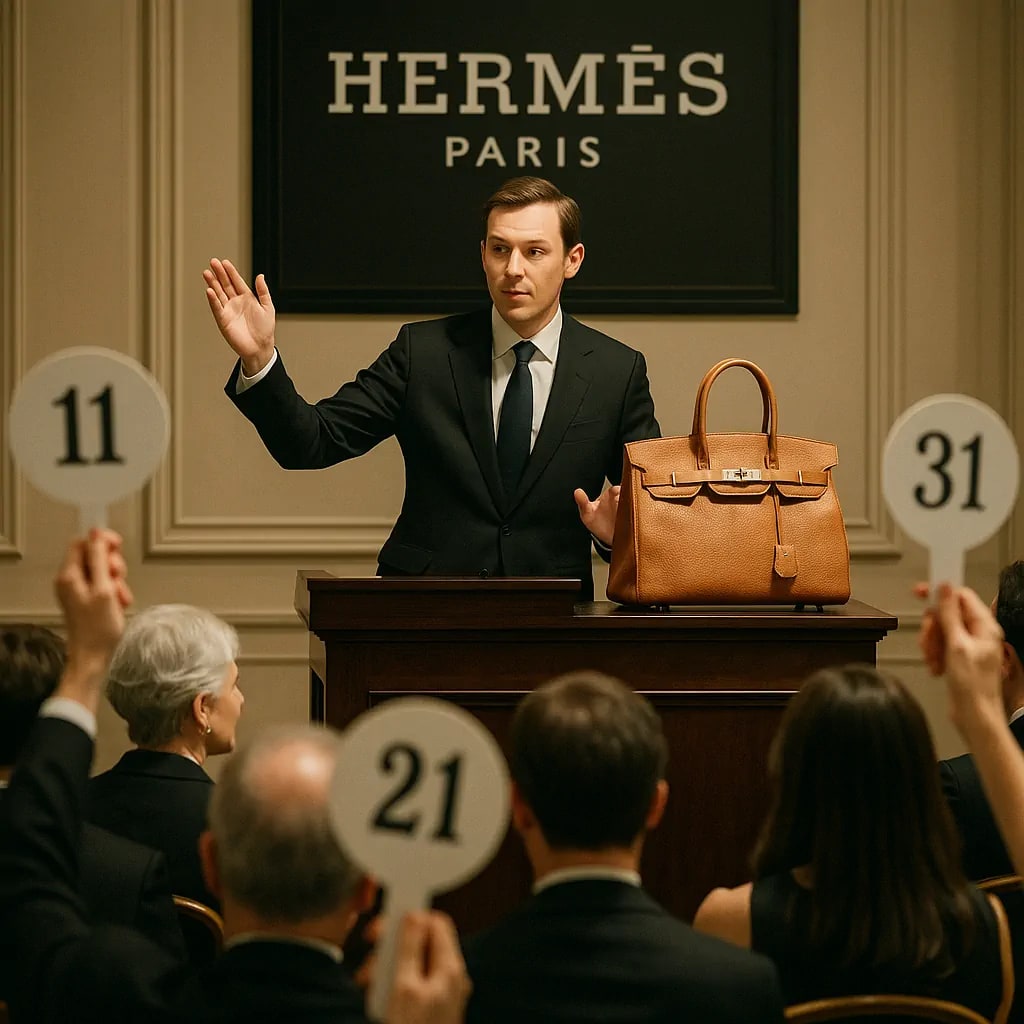
The Jane Birkin bag auction – a $10 million wake-up call
When Jane Birkin’s own, well-worn prototype sold for €7 million hammer (€10 million with fees) in July 2025 it shattered the previous handbag record by twentyfold. Its investment allure rested on five factors:
- Provenance – direct, single-owner link to Birkin herself.
- Prototype status – the “ur-Bag” that birthed a cultural icon.
- Visible wear – paradoxically proof of authenticity, not damage.
- Charity history – auctioned once before for AIDS research, adding narrative gravitas.
- Media mythology – from Sex and the City to TikTok, the Birkin is shorthand for status.
Put simply, the sale marked the moment handbags leapt from accessory to asset class.
Defining the new era
We have entered an age where scarcity, authentication technology and global online marketplaces have fused to monetise stories as much as materials. Luxury items now trade on:
- Financial performance – Knight Frank’s index shows five-year returns on collectible watches (53%) and handbags (21%) outpacing FTSE 100 dividends.
- Liquidity – platforms like The RealReal list a Birkin in minutes, matching buyers worldwide.
- Portfolio diversification – uncorrelated returns versus equities or bonds appeal when markets wobble.
How do collectibles compare to traditional investments?
| Asset Class | 10-Year Total Return | Volatility | Liquidity | Storage Costs | Emotional Dividend |
| S&P 500 | 215% | Moderate | Instant | None | Low |
| Gold | 55% | High | High | None | Moderate |
| Classic Cars | 14% | Moderate | Low | High | Medium |
| Handbags | 67% | Low | Medium | Low | High |
| Watches | 138% | Low | Medium | Low | High |
Handbags and watches combine respectable growth with low correlation and rich lifestyle utility—critical traits for modern, experience-seeking investors.
What makes a luxury collectible an asset?
Scarcity & rarity
Limited editions, discontinued reference numbers and first-ever prototypes create enforced scarcity. Hermès caps Birkin production and reportedly withholds colour lists from boutiques, engineering waiting-list theatre that spills onto the resale market.
Provenance & history
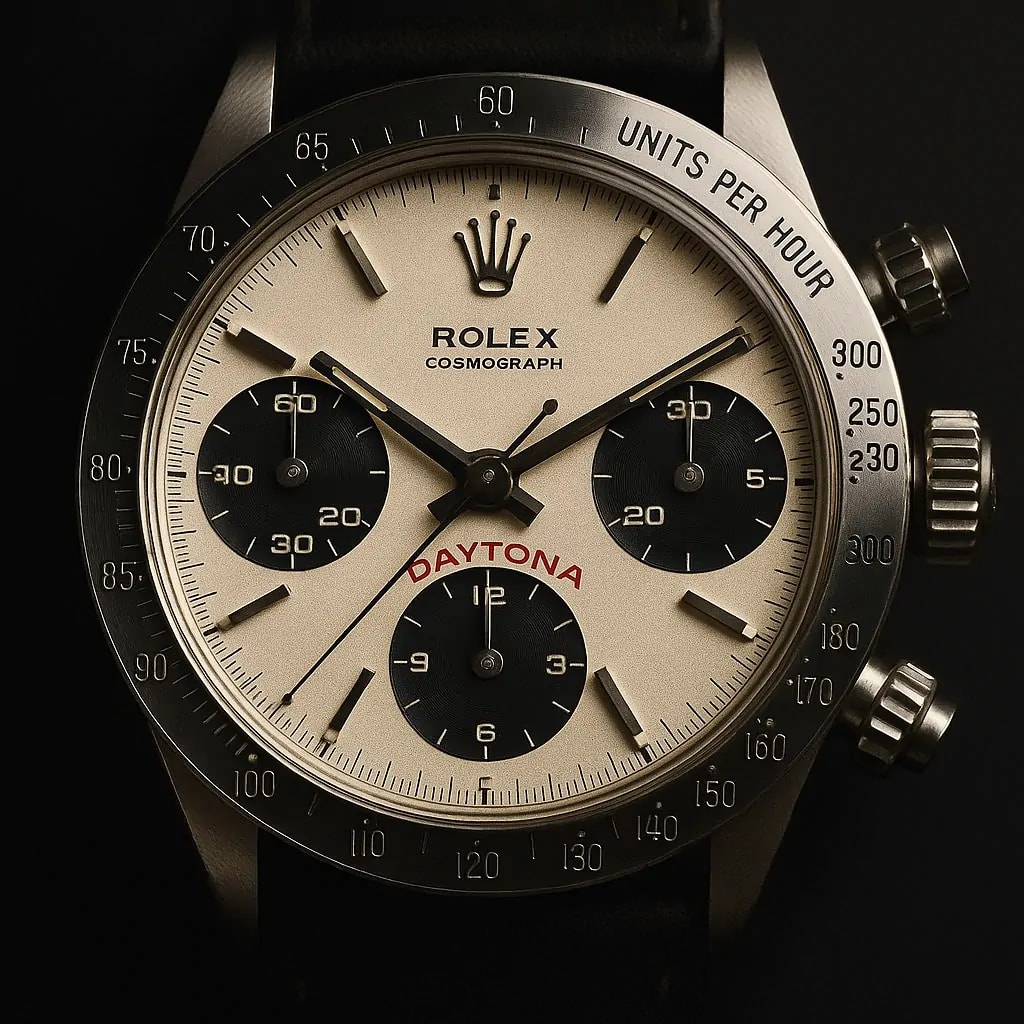
A Rolex Daytona worn by Paul Newman gained 88,000% in value because of who strapped it on. Documentation, exhibition history and celebrity ownership can add zeroes. The importance of provenance is increasingly emphasized, as it directly impacts an item’s market value and historical significance.
Condition & authenticity
Unrestored originality matters. Collectible sneakers rated “deadstock” on StockX can triple retail overnight. Blockchain-backed product passports from the Aura Consortium now encode authenticity at birth, slashing counterfeit risk. Digital authentication technologies are critical in maintaining trust and value in the luxury resale market.
Brand heritage & prestige
Logos alone don’t guarantee appreciation, but century-old maisons—Hermès, Rolex, Patek Philippe—own narratives of craftsmanship and cultural capital that newer labels cannot replicate.
Cultural & emotional significance
A bag can symbolise feminism (Birkin), a watch motorsport (Rolex Daytona), or a trainer hip-hop culture (Travis Scott x Nike). Emotional resonance sustains demand even in downturns. These items are seen as cultural assets luxury, bridging the gap between personal identity and financial investment.
Key categories with investment potential

High-end handbags
Hermès Birkin & Kelly, Chanel Classic Flap and Dior Saddle dominate the collectible handbags market with auction premiums regularly above 100% of boutique prices. Hermès Birkin and Kelly bags continue to be top performers in value growth and search interest.
Vintage watches
Flagship references—Rolex Daytona 6239, Patek Philippe Nautilus 5711, Audemars Piguet Royal Oak 5402—fetch seven-figure results when provenance and condition align. Rolex Daytona and Submariner watches are particularly strong performers.
Rare jewellery
Fancy-coloured diamonds led auction sales in 2024; the 10.38-carat Marie-Thérèse Pink achieved $13.98 million. Signed pieces by JAR or Cartier command scarcity premiums.
Fine wines & spirits
Liv-ex indices show 146% decade growth despite a 2024 correction. Whisky is volatile—down 9% in 2023 but still +280% over ten years. Rare whiskies have shown significant appreciation.
Limited-edition sneakers
The sneaker resale market is projected to hit $6 billion in the US alone by 2025, with Nike and Adidas collaborations topping ROI charts. Limited-edition sneakers are a leading category in value growth.
Art & design objects
From mid-century furniture to contemporary sculpture, design objects offer diversification but require specialist expertise.
Market dynamics driving the trend
Digital platforms like Sotheby’s Metaverse and StockX have slashed transaction friction, while AI-powered authentication reduces fraud. The rise of fractional ownership platforms is democratizing access to luxury collectibles, allowing more investors to participate. Meanwhile, Gen Z collectors—94% of whom buy collectibles—fuel growth in luxury resale market trends. These younger demographics prioritize sustainability, digital engagement, and emotional connection with investments. Global demand ensures a Himalayan Birkin in Hong Kong sells for more than in Paris, underscoring the cross-border nature of pricing.

Collecting as both identity and investment

The dual motivation
Owning a Patek Philippe is as much about heritage as yield—an heirloom with dividends. Collectors today curate narratives, not hoards.
Curation vs. accumulation
Focused themes—say, only first-edition Air Jordan 1s—tend to outperform haphazard buying because depth signals authority to future buyers.
Preservation & maintenance
Climate-controlled vaults, inert watch-winders and archival tissue slow entropy. Professional servicing should never overwrite patina that proves age.
Insurance & storage
High-value collections insurance offers agreed-value cover, worldwide transit protection and even defective-title indemnity for provenance disputes. Premiums typically range 0.3-0.8% of declared value.
Future outlook for luxury collectibles
- Sustainability & ethical sourcing – resale extends product lifecycles, aligning luxury with ESG mandates. ESG factors are becoming increasingly important for collectors.
- Blockchain authentication – NFTs as digital twins increase buyer confidence but may paradoxically reduce perceived timelessness if not curated carefully.
- Enduring scarcity – as production quotas tighten and natural resources dwindle, rare luxury items appreciation should persist.
- Risks & volatility – The Knight Frank Luxury Investment Index reported a 3.3% dip in 2024, reminding investors that taste cycles and macro shocks matter. However, sub-€100,000 collectibles and blue-chip items remain resilient, with handbags outperforming other passion assets. Diversification and long horizon views remain essential. Liquidity and authenticity also pose potential risks that careful research and digital authentication can mitigate.
Conclusion
Luxury collectibles have matured into high-end asset classes blending cultural fulfilment with credible financial returns. Whether you’re investing in luxury goods for passion or portfolio balance, disciplined research, airtight provenance and meticulous care are your best hedges. As authenticity tech strengthens and new demographics enter the fray, the market’s centre of gravity will keep tilting from mere adornment toward cultural assets luxury—objects that tell stories, store value and, occasionally, rewrite auction history.