Whether you are plotting a windswept dash along the North Coast 500 or a leisurely meander through the Cotswolds, understanding your road trip essentials is the surest way to keep the wheels turning and the memories sweet. This long-form cornerstone content pulls together expert maintenance guidance, a practical road trip checklist and the best road trip accessories, ensuring every mile is covered from budget to breakdowns.
Road trip essentials at a glance
Before diving into the fine print, here is a condensed road trip packing list that answers the evergreen question, “What to pack for a road trip?”.
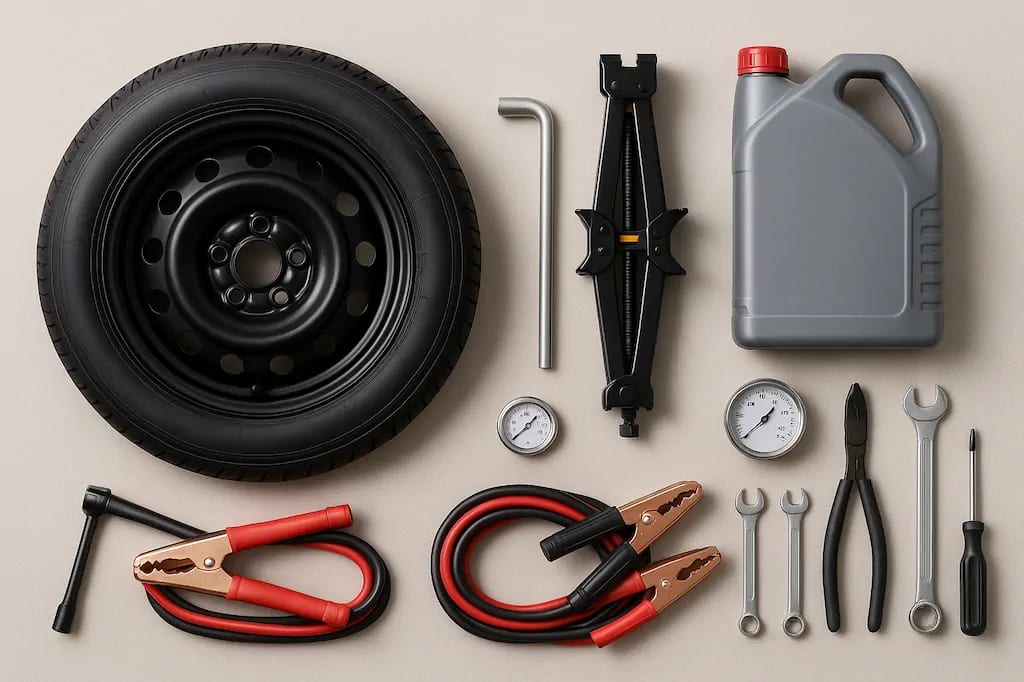
- Vehicle health: tyres, oil, coolant, brake pads, lights, spare tyre, jack, lug wrench.
- Paperwork: driving licence, V5C, insurance, European or Green Card equivalents, emergency contacts.
- Route & budget: GPS apps, offline maps, fuel planners, weather alerts, realistic fuel/food/accommodation figures.
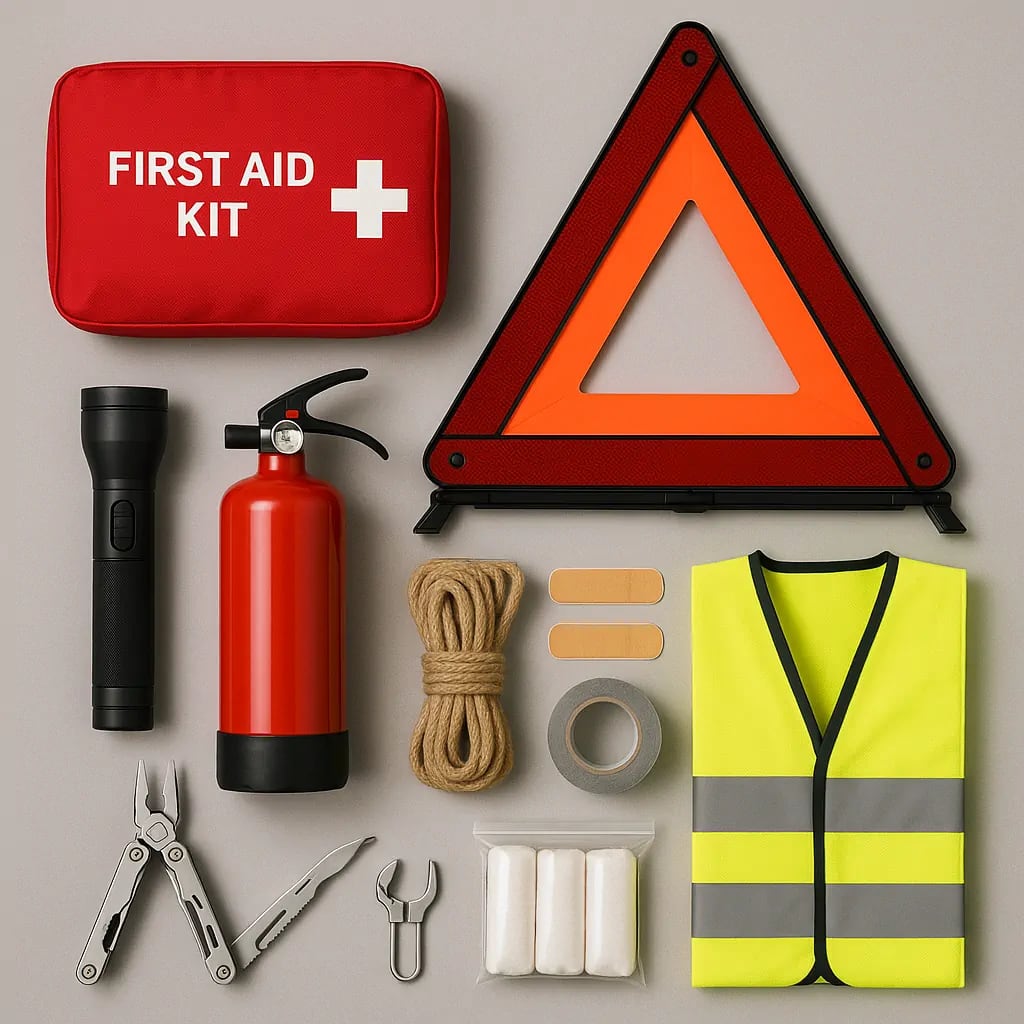
- Road trip safety kit: first-aid kit, reflective triangle, torch, jumper cables, fire extinguisher, multi-tool.
- Road trip comfort items: neck pillow, playlists, snacks, reusable bottles, cooler, USB hub, car inverter.
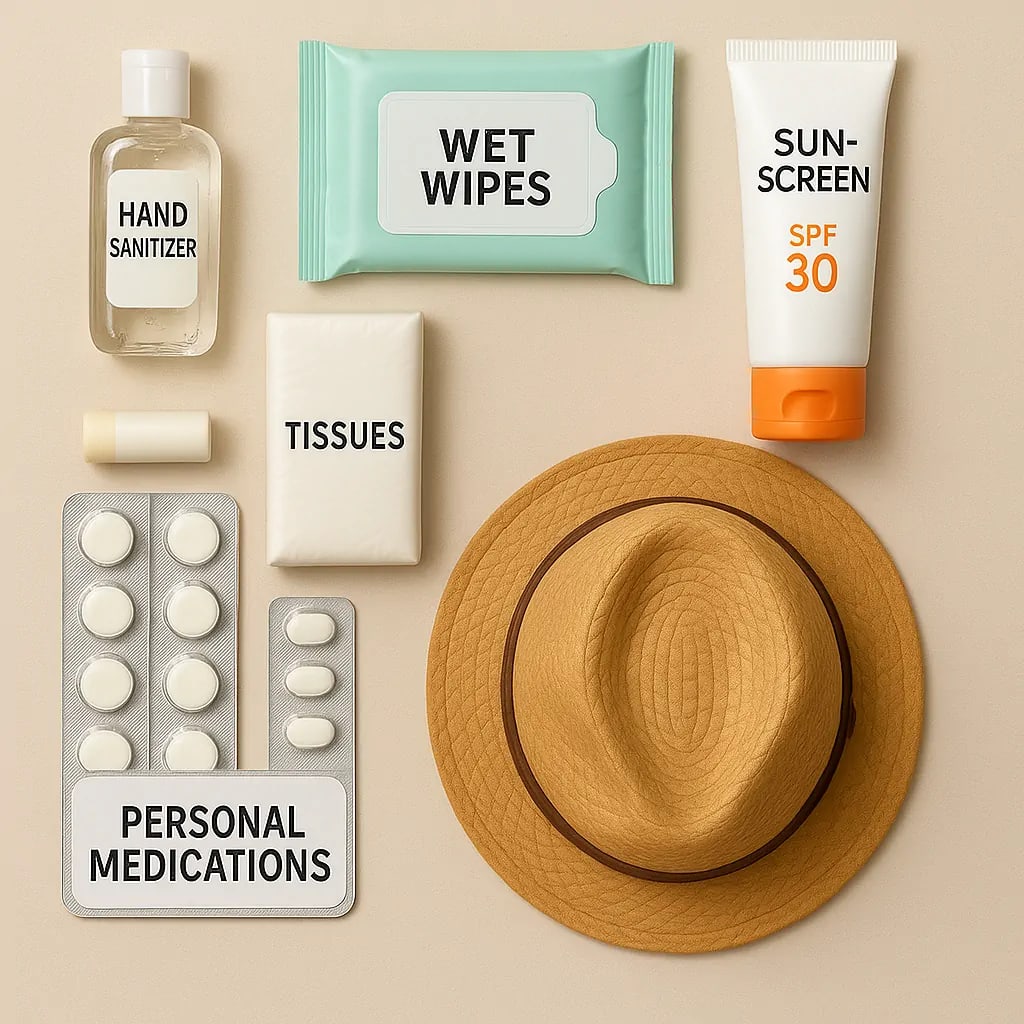
- Health & hygiene: sanitiser, wet wipes, tissues, personal meds, sunscreen, hats.
- Luggage optimisation: packing cubes, organiser, rubbish bags, weather-flexible layers.
What is trending for 2025?
As we look towards 2025, several trends are shaping the way we approach road trips:
- Staycations and road trips: With an increased focus on domestic travel, road trips remain a popular choice for exploring local gems and hidden wonders.
- Eco-friendly travel and sustainable tourism: A growing awareness of environmental impact is leading to more sustainable travel choices, from eco-conscious vehicle operation to supporting green accommodations.
- Car safety kits and emergency preparedness: The emphasis on preparedness continues, with travellers prioritizing comprehensive safety kits and up-to-date emergency advice for peace of mind on the road.
- Smart packing and vehicle maintenance: Efficiency and preparedness go hand-in-hand. Travellers are embracing smart packing techniques and diligent vehicle maintenance to ensure smooth, hassle-free journeys.
- Pet-friendly travel: More and more travellers are bringing their furry friends along, necessitating specific considerations for pet comfort and safety on the road.
Pre-trip planning and vehicle checks
Vehicle maintenance — your rolling MOT
Tyres are literally your four postcard-sized links to the tarmac, so start with pressure and tread depth. Under-inflation tanks fuel economy and over-inflation compromises grip — aim for the PSI on the door jamb sticker and re-check when tyres are cold. Rotate or replace if tread drops below 3mm for long drive essentials.

Move on to oil, coolant, brake and screen-wash reservoirs; top up using fluids that meet manufacturer specifications to avoid costly mishaps en route. Finish with a lighting parade: indicators, brake lamps and fog lights can be checked against a nearby wall or with a helper holding the pedal.
Finally, stash the unsung heroes: a full-size spare (or at least a space-saver), jack and lug wrench — without them even the best road trip accessories feel redundant.
A road tripper’s tip: “I once set off for a cross-country trip without checking my spare tire’s pressure. Sure enough, I got a flat in the middle of nowhere. Luckily, I had a portable air compressor in my emergency kit. It might seem small, but it saved me hours of waiting for roadside assistance!” – An experienced road tripper from Colorado.
Essential documents
A paper or digital folder should hold:
- Licence(s) and any International Driving Permit required abroad.
- Vehicle registration (V5C) and insurance certificate.
- European Health Insurance Card (EHIC) or GHIC plus emergency contacts, including your breakdown provider.
Back up scans to cloud storage and carry hard copies in a waterproof sleeve for belt-and-braces security.
Route planning and navigation
Modern GPS apps offer live traffic, fuel prices and hazards, but remember dead zones exist; keep printed atlas pages or offline maps for resilience. Plot logical fuel and rest stops every two hours to stay fresh and to avoid fatigue-related incidents — the pit-stop algorithms lauded by academics agree. Factor in charging if you drive an EV and always check seasonal road closures on national highways websites.

Budgeting basics
Break costs into fuel, food, accommodation and activities. Use a table like the one below to anticipate spend and keep the bank manager smiling.
| Category | Typical cost per day (UK/US equivalent) | Budget hack |
| Fuel | £30 – £60 / $40 – $80 | Compare prices via apps such as PetrolPrices; fill up outside motorways. |
| Food | £15 – £25 / $20 – $35 | Pack a cooler and leverage supermarket meal deals. |
| Accommodation | £20 (camping) – £120 (hotel) / $25 (camping) – $150 (hotel) | Mix hostels, campsites and loyalty points. |
| Activities | £0 – £40 / $0 – $50 | Seek free National Trust trails or museum days. |
Safety and emergency preparedness
A robust road trip safety kit keeps small hiccups from turning into epic sagas.

Build your road trip safety kit
- First-aid kit: sterile dressings, plasters, antiseptic wipes, pain relief and space blanket.
- Jumper cables or portable booster pack — modern engines dislike weak amps.
- Torch/head-lamp plus spare batteries for roadside repairs after dusk.
- Reflective triangle and high-vis vest to meet EU requirements and boost visibility.
- Fire extinguisher rated for vehicle use — ideally 1 kg powder type.
- Multi-tool, duct tape and zip ties: improvised fixes for loose trim, leaky hoses or broken clasps.
Communication lifelines
Always start a long drive with phones fully charged and store a 10,000 mAh power bank in the glovebox. A 12 V car inverter keeps laptops or camera batteries topped up, and a dashboard USB hub shares the juice among passengers. For remote areas, a satellite phone or emergency locator beacon provides fail-safe reassurance.
Breakdown procedures
If a warning light flashes, pull over safely, apply the handbrake and place the reflective triangle 45 metres behind the car on UK roads. Call your breakdown provider first, then consult your manual before attempting repairs beyond your confidence level. Remember: even must-have road trip gear cannot replace professional assistance when components fail catastrophically.
Recent safety advice & hygiene
The AA and RAC consistently advise checking your vehicle thoroughly before any long journey. This includes not just mechanical checks but also ensuring your emergency kit is up to date. In a post-COVID era, additional hygiene considerations are paramount. Always pack hand sanitizer, disinfecting wipes, and masks, especially if you plan on frequent stops at public facilities.
Comfort and convenience
Long hours behind the wheel call for savvy comfort strategies that keep morale high and arguments low.
- Food & drink: Fill reusable bottles and pack balanced snacks — fruit, nuts, oat bars — to dodge pricey service-station carbs.
- Entertainment: Curate playlists, podcasts and audiobooks; offline downloads dodge patchy mobile coverage on fellside roads.
- Personal comfort: Neck pillows, lightweight blankets and breathable loungewear transform back-seat boredom into a spa on wheels.
- Technology: A car inverter powers laptops; noise-cancelling headphones tame cabin clashes.
- Organisation: Boot-organisers, rubbish bags and packing cubes stop kit shuffling every fuel stop.

Health and hygiene
The open road is no place for sniffles or sunburn. Pack:
- Hand sanitiser, biodegradable wet wipes and tissues for on-the-go sanitation.
- Personal medication plus motion sickness remedies and antihistamines in a labelled pouch.
- SPF 30+ sunscreen, lip balm and wide-brim hat for UV protection during scenic pit stops.
Packing smart

Luggage optimisation
Roll not fold, employ colour-coded packing cubes and vacuum-compress bulky gear to free up real estate for souvenirs.
Accessibility hacks
Keep daily-use items — snacks, chargers, sunglasses — in seat-back organisers, while rarely used kit sits beneath the boot floor.
Weather-appropriate clothing
Weather can be changeable; layer merino base, mid-weight fleece and waterproof shell for year-round comfort.
Pet and family travel essentials
Bringing your loved ones along, whether two-legged or four-legged, adds to the adventure.
Pet travel essentials
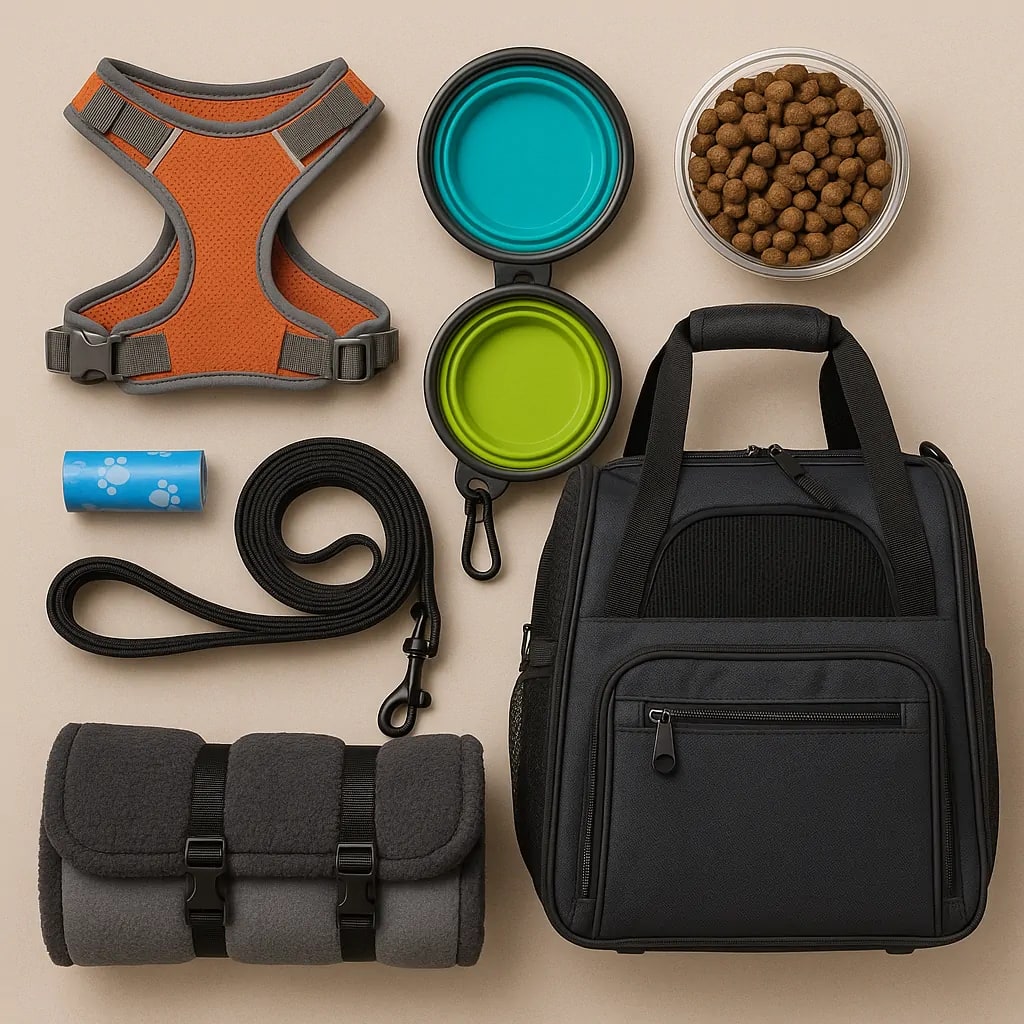
Four-legged companions need their own road trip packing list: poo bags, collapsible bowls, kibble, harness, restraint leash and vet records — plus shaded rest breaks every two hours. Ensure your pet is safely secured in the vehicle to prevent distractions and for their own safety in case of sudden stops.
Family travel checklist
For families with children, consider:
- Age-appropriate entertainment: books, small toys, tablets with downloaded content.
- Comfort items: favourite blankets or stuffed animals.
- Easy-to-access snacks and drinks.
- First-aid supplies tailored for children (e.g., children’s pain relief, specific plasters).
- Regular breaks for stretching and playtime to avoid restlessness.
Environmental considerations
The greenest kilometres are the ones you do not drive, so consolidate errands pre-trip and pack light to improve MPG. Choose refillable toiletries, carry a rubbish bag and recycle en route. Consider carbon-offset schemes or public-transport legs where practical. When choosing accommodation and food options, prioritize those that emphasize sustainability and support local communities. Look for eco-certified hotels or campgrounds and dine at restaurants that source ingredients locally.

Digital tools for the modern road tripper
Harness the power of technology to make your road trip smoother and more enjoyable:
- Navigation apps: Beyond standard GPS, use apps like Waze for real-time traffic and hazard alerts. For offline navigation in areas with poor signal, Google Maps and Apple Maps allow you to download maps in advance.
- Fuel price comparison: Apps like PetrolPrices (UK) or GasBuddy (US/Canada) help you find the cheapest fuel along your route, saving you money.
- Emergency services: Keep the AA or RAC apps (UK), or AAA/CAA apps (North America) readily accessible for breakdown assistance and emergency contacts. What3Words is also an invaluable app for pinpointing your exact location in an emergency, especially in remote areas.
- EV charging: For electric vehicle owners, apps like Zap-Map (UK) or PlugShare (global) are essential for locating charging stations and planning routes with charging stops.
- Entertainment: Spotify, Apple Music, Audible, and various podcast apps allow for offline downloads, ensuring continuous entertainment even without cellular service.
Conclusion
A successful adventure demands more than a boot full of essential road trip items; it requires forethought, mechanical sympathy and a dash of wanderlust. Use this comprehensive road trip checklist as your portable co-pilot — from car trip essentials like tyre gauges to best road trip accessories that keep playlists pumping — and every A-road, B-road and single-track lane will feel like home turf. For a complete list of everything you’ll need, download our printable road trip checklist here. Safe travels, and may your next long drive essentials fit neatly under one tailgate.