
In the ever-evolving landscape of internet culture, few phenomena demonstrate the power of collaborative storytelling quite like the Setealém myth. What began as a single unsettling experience on a São Paulo bus in 1994 has transformed into one of the most sophisticated examples of digital folklore ever created – a sprawling mythology that blurs the boundaries between urban legend, creepypasta, and social experiment. This Setealém urban legend represents more than just horror entertainment; it’s a fascinating case study in how communities create meaning, how fear spreads through digital networks, and how ordinary urban experiences can be transformed into extraordinary collaborative narratives.
The emergence of Setealém within Brazilian folklore demonstrates how traditional storytelling adapts to digital environments. Unlike conventional urban legends that spread through word-of-mouth across generations, this internet mythology evolved rapidly through online communities, creating new forms of collective storytelling that would influence horror narratives worldwide. As one of Latin America’s most significant contributions to digital horror culture, Setealém showcases how local anxieties about urban life can resonate globally through transmedia storytelling.
The genesis of a digital mythology
From bus stop to collaborative horror
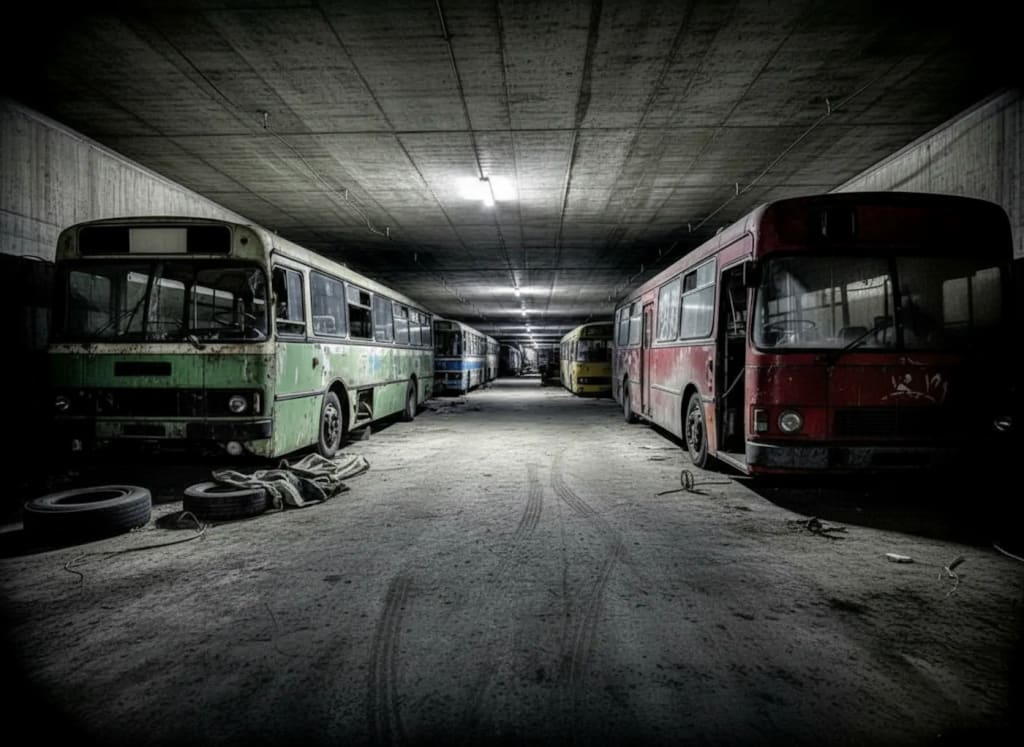
The Setealém myth began with what might have been dismissed as an odd encounter. In 1994, publicitário and horror writer Luciano Milici was returning from university via São Paulo’s public transport system when passengers and the conductor began urgently warning him that the bus was heading to “Setealém” – a place he’d never heard of. The passengers’ behaviour was unnaturally coordinated, their expressions ranging from pity to aggression as they insisted he disembark immediately. When Milici finally jumped off, he watched the bus turn down a street where buses didn’t typically operate, disappearing into the urban maze.
This transportation horror incident encapsulates the fundamental anxieties that would drive the entire mythology. São Paulo’s complex public transit system, with its labyrinthine routes and constant urban transformation, provided the perfect backdrop for a story about getting lost between realities. The collective behavior of the passengers – their shared knowledge of something the protagonist didn’t understand – reflects deeper fears about urban exclusion and belonging that resonate throughout Brazilian social experience.
This incident might have remained a personal anecdote, but Milici’s decision to transform it into a collaborative horror experiment would fundamentally change how we understand internet mythology creation. The term “Setealém” (also spelled “Sete Além,” “7 Além,” or “Se7ealém”) became the seed for what would grow into a vast, interconnected universe of parallel dimension stories that would pioneer new approaches to online community storytelling.
The number seven embedded in the name carries significant folkloric weight across cultures, often associated with completion, otherworldliness, and transformation. In Setealém mythology, this number becomes a recurring motif – seven strikes of the ritual drum, seven days lost in the parallel dimension, seven as the threshold between ordinary and extraordinary reality.
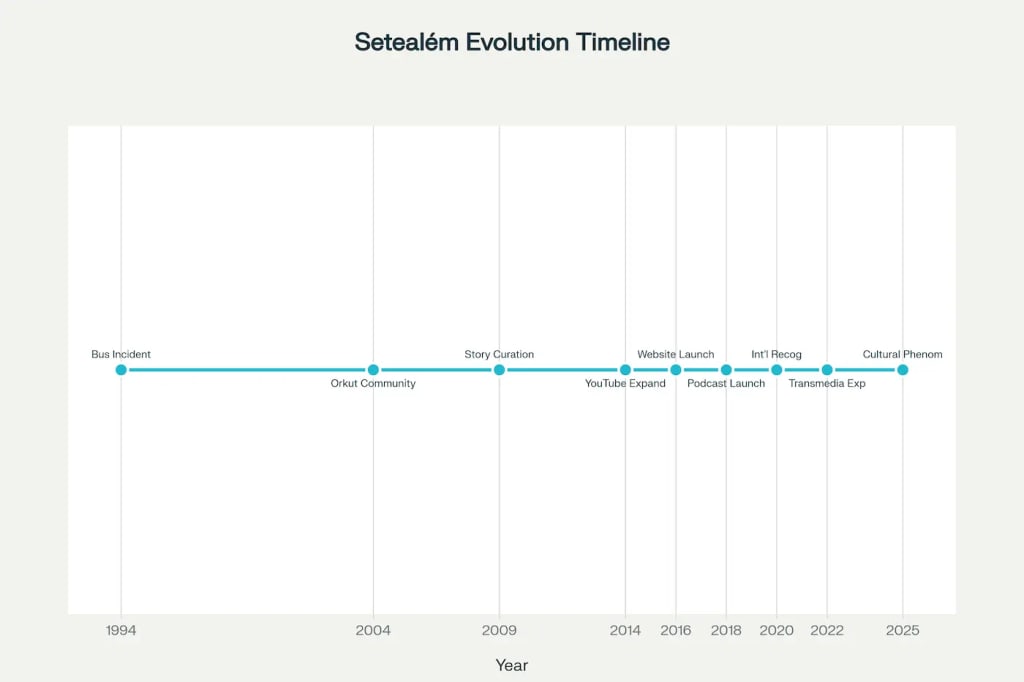
The evolution of Setealém: From urban legend to digital folklore (1994-2025)
Timeline of mythological development
1994-2003: The dormant years
- Original bus incident occurs in São Paulo
- Story remains personal anecdote among friends
- Urban legend exists only in local oral tradition
- No digital presence or community involvement
2004-2008: The Orkut catalyst
- Milici creates Orkut community initially for neighborhood friends
- Strangers begin requesting access with their own experiences
- First collaborative submissions emerge
- Core mythological framework establishes
- Brazilian internet culture embraces the growing legend
2009-2014: Expansion and systematization
- Canonical stories develop clear aesthetic conventions
- Community grows to thousands of members
- Rules and submission guidelines formalize
- Transmedia elements begin appearing
- Academic interest in the phenomenon begins
2015-2020: Platform migration and evolution
- Migration from Orkut to Facebook and other platforms
- YouTube channels and podcasts emerge
- First book publications appear
- International recognition grows
- Digital anthropology studies commence
2021-2025: Mainstream recognition
- Global horror community acknowledgment
- Academic courses include Setealém in folklore curricula
- Documentary and media coverage increases
- Influence on other collaborative horror projects visible
- Virtual communities continue expanding across platforms
The Orkut catalyst: When community creates mythology
The true birth of Setealém as a cultural phenomenon occurred in 2004 when Milici created a community on Orkut – the social platform that dominated Brazilian internet culture before Facebook. Initially intended as a gathering space for friends from his neighbourhood, the community took an unexpected turn when strangers began requesting access, claiming they had their own experiences with “Setealém”.
Orkut’s unique community structure proved essential to Setealém’s development. Unlike the ephemeral nature of modern social media, Orkut communities created persistent spaces for extended discussion and collaboration. The platform’s emphasis on detailed profiles and community membership fostered deeper connections between participants, enabling the trust and continuity necessary for sustained collaborative storytelling.
What emerged was unprecedented in digital folklore: a systematic, curated approach to collaborative horror storytelling. Unlike anonymous creepypasta traditions that proliferated on forums like 4chan and Reddit, Setealém maintained clear authorship while encouraging community participation. Milici’s role evolved from creator to curator, carefully selecting submissions that maintained narrative consistency whilst allowing the mythology to grow organically.
The Brazilian internet culture of the mid-2000s provided ideal conditions for this experiment. Orkut users demonstrated high engagement levels, with communities serving as central social spaces for shared interests. The platform’s Portuguese-language dominance in Brazil created a relatively insular environment where local folklore could develop without immediate international dilution.
The Setealém collaborative horror model represented a sophisticated understanding of how internet communities function. By establishing implicit rules and aesthetic conventions, the project created a framework within which hundreds of contributors could add to the mythology without losing its coherence. This approach would later influence how other digital folklore projects approached community management and canonical development.
The unwritten grammar of another reality

Understanding liminal spaces in urban mythology
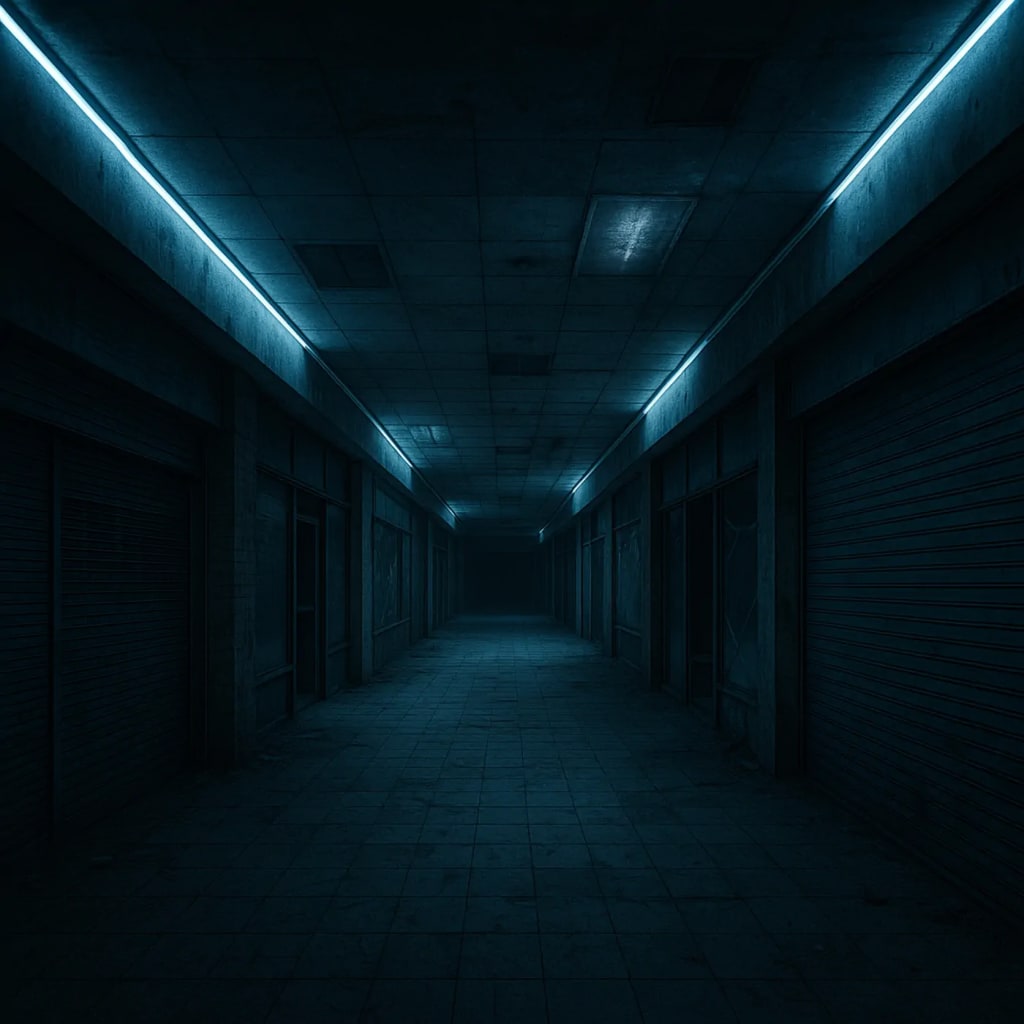
The concept of liminal spaces – transitional areas that exist between defined places or states – forms the theoretical backbone of Setealém mythology. These threshold environments, studied extensively in anthropology and psychology, possess inherent unsettling qualities that the collaborative horror leverages masterfully. Victor Turner’s work on liminality helps explain why spaces like empty corridors, abandoned shopping malls, and vacant public transport feel inherently uncanny.
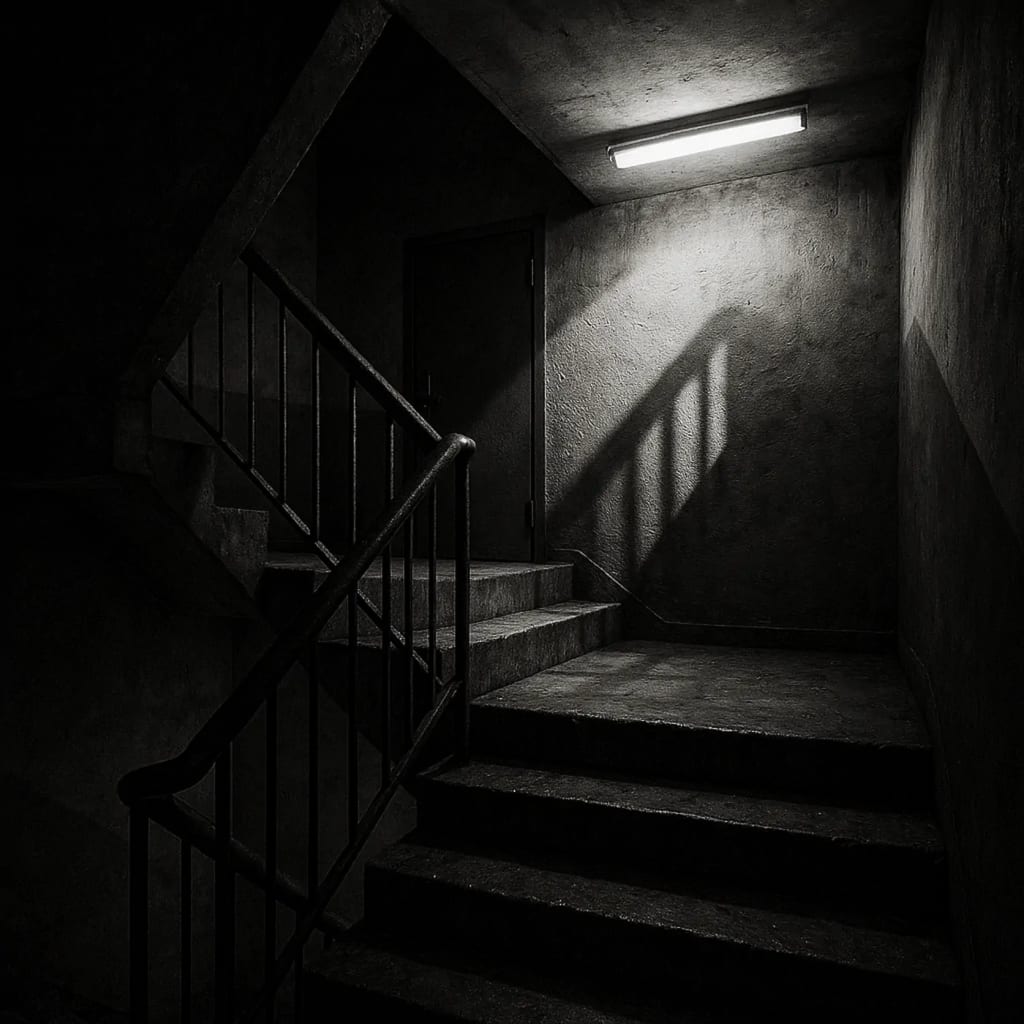
In Setealém mythology, liminal spaces become active portals rather than passive environments. The bus that travels impossible routes, the shopping center bathroom that leads to altered realities, the apartment stairway that connects to different dimensions – these locations represent the mythology’s sophisticated understanding of how architecture shapes psychological experience.
Architectural portals and liminal thresholds
Central to the Setealém myth is its treatment of urban infrastructure as potential portals to parallel dimensions. The mythology consistently presents mundane access points – buses, lifts, staircases, shopping centre toilets – as thresholds between realities. This focus on everyday urban architecture reflects deep anxieties about city living, where navigation errors can lead to genuine danger or disorientation.
The choice of public transportation as primary portal reflects specific aspects of Brazilian urban experience. São Paulo’s bus system, with its constantly changing routes, informal stops, and complex interconnections, creates genuine opportunities for disorientation even in ordinary circumstances. The mythology transforms this everyday uncertainty into supernatural threat, reflecting broader anxieties about urban mobility and class displacement.
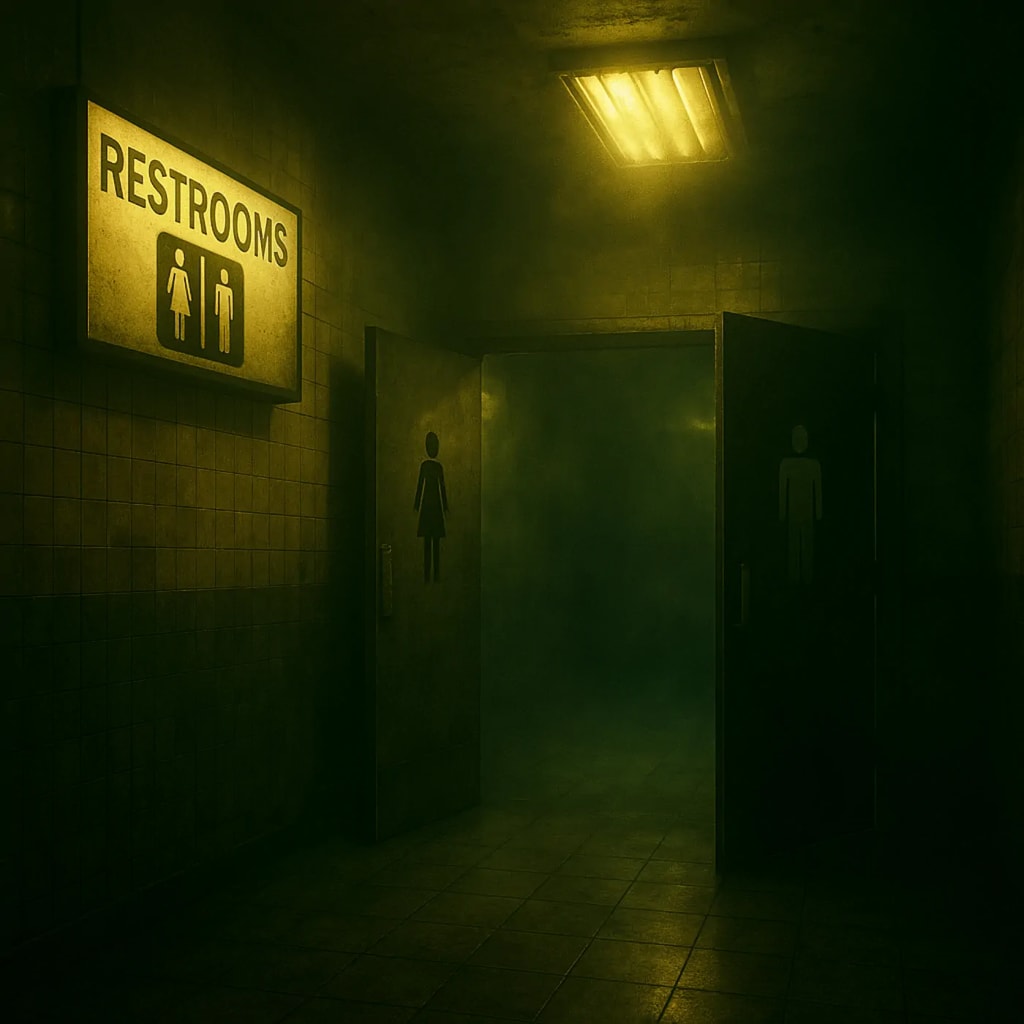
The Setealém rules and stories reveal a sophisticated understanding of urban semiotics. In this parallel dimension, familiar spaces are rendered uncanny through subtle wrongness: fluorescent lights cast yellow rather than white illumination, water runs thick from taps, digital clocks display impossible times, and signage contains minute errors that create profound unease. These details demonstrate how collaborative horror can develop its own visual language, creating recognition patterns that unite disparate stories.
Shopping centers occupy particular significance within the mythology, representing capitalism’s liminal spaces where public and private boundaries blur. These commercial environments, designed to encourage consumption and movement, become sites of dimensional instability where the familiar commercial landscape transforms into something alien yet recognizable.
The aesthetic of wrongness and uncanny valley effects
What makes Setealém particularly effective as digital folklore is its commitment to the “almost right” aesthetic. Rather than presenting overtly supernatural elements, the mythology focuses on environmental wrongness – spaces that feel familiar yet fundamentally altered. This approach taps into what psychologists term “uncanny valley” effects, where small deviations from the expected create disproportionate unease.
This atmospheric horror technique, sometimes called “environmental storytelling,” allows readers to fill in terrifying details through their own imagination. The wrong-colored lighting, the slightly altered signage, the too-thick water – these subtle wrongnesses accumulate into overwhelming dread without requiring explicit supernatural explanation.
The inhabitants of Setealém exemplify this principle. Described consistently across multiple accounts as pale-skinned with dark or yellow eyes, they behave in ways that mimic human social patterns whilst remaining fundamentally alien. They warn visitors to leave, demonstrate territorial behavior, and seem collectively aware of the visitor’s presence – creating a sense of coordinated exclusion that mirrors real urban anxieties about belonging and class.
The mythology’s commitment to this aesthetic of wrongness extends to temporal distortions, where familiar spaces become unstuck in time. Visitors report experiencing different time flows, encountering anachronistic technology, or finding themselves in versions of spaces that seem to exist in different decades. These temporal anomalies reflect anxieties about rapid urban change and the disorientation of living in constantly transforming environments.
Canonical narratives: The stories that built a world
The foundational bus journey: Template for dimensional travel
The original bus incident established Setealém’s core mythology: urban transport as portal, collective awareness among inhabitants, and urgent warnings for the unprepared visitor. This story functions as both origin myth and template, establishing narrative conventions that subsequent contributors would follow. The emphasis on public transport reflects broader anxieties about urban mobility, class displacement, and the vulnerability of commuters navigating unfamiliar routes.
The foundational narrative introduces several key elements that would become mythology constants: the protagonist’s initial confusion, the collective behavior of dimensional inhabitants, the urgent need to escape, and the lingering uncertainty about what was truly experienced. These elements create a framework flexible enough to accommodate numerous variations while maintaining coherent internal logic.
The bus driver’s role as unwitting or complicit guide reflects specific anxieties about trusting urban service providers. In a city where wrong turns can lead to dangerous neighborhoods, the mythology transforms navigation errors into dimensional displacement, amplifying real urban fears through supernatural lens.

The drum portal: Ritual access to other dimensions
Among the Setealém stories, the drum portal narrative represents the mythology’s most sophisticated exploration of ritual and consequence. In this account, a family discovers an ancient drum that serves as a gateway between dimensions. Children who perform the ritual correctly experience beautiful gardens and floating machines; those who violate the rules face swamps, humiliation, and eternal night. When one character mockingly strikes the drum seven times – the sacred number that gives Setealém its name – his brother disappears permanently.
This story introduces crucial elements to the collaborative horror framework: the importance of respecting unstated rules, the consequences of treating the mythology with disrespect, and the concept of Setealém as a place with its own moral logic. The drum itself represents indigenous Brazilian spiritual traditions, connecting the modern urban mythology to deeper cultural roots.
The ritual aspects of the drum portal story reflect the mythology’s sophisticated understanding of how folklore functions socially. By establishing clear rules with severe consequences for violation, the story creates implicit behavioral guidelines for both fictional characters and real-world community participants. Disrespect for the mythology’s internal logic results in narrative punishment, encouraging serious engagement with the collaborative storytelling process.
The differential experiences based on attitude – beauty for the respectful, horror for the mocking – establish Setealém as a dimension that responds to the visitor’s approach. This responsive environment reflects the community-driven nature of the mythology itself, where respectful participation is rewarded while disruptive behavior is excluded.
The green shirt threshold: Time distortion and proof of travel
Perhaps no Setealém urban legend better demonstrates the mythology’s treatment of time distortion than the account of the child who disappears for seven days in the parallel dimension whilst only hours pass in ordinary reality. The mundane detail of the borrowed green shirt serves as an anchor point between dimensions, proving that the experience occurred. This story establishes several crucial conventions: children as particularly vulnerable to dimensional displacement, time flowing differently between realities, and physical objects as proof of interdimensional travel.
The green shirt functions as what folklorists term a “proof object” – physical evidence that validates supernatural experience. This narrative device addresses the fundamental challenge of horror storytelling: making the incredible believable. By providing concrete evidence of dimensional travel, the story satisfies the logical mind while maintaining the mystery essential to effective horror.
Children’s particular vulnerability in Setealém reflects broader cultural anxieties about urban childhood. In environments where wrong turns can lead to genuine danger, children’s natural curiosity becomes a liability. The mythology transforms parental fears about urban exploration into supernatural cautionary tales, serving traditional folklore’s function of encoding survival information in memorable narrative form.
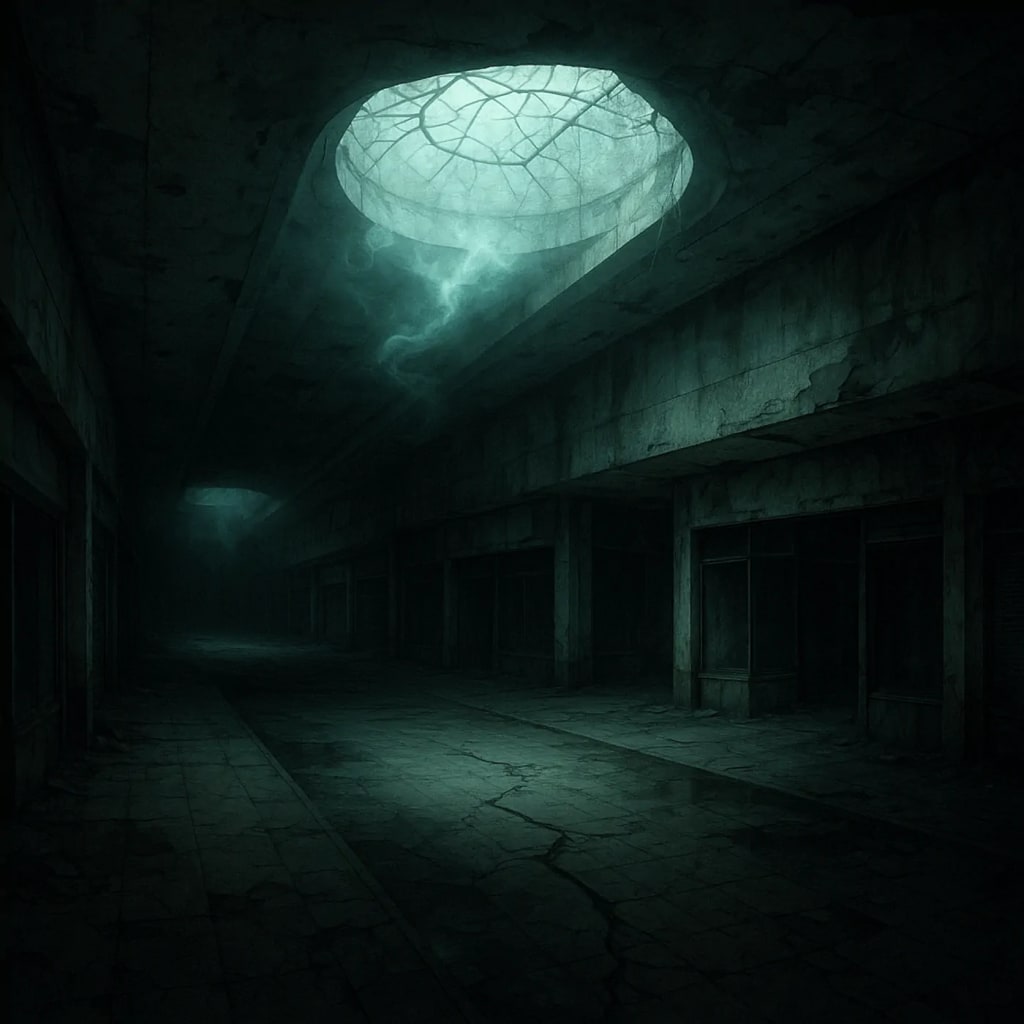
The shopping centre bathroom portal: Phenomenological horror
The shopping centre bathroom narrative showcases Setealém’s mastery of phenomenological horror – terror derived from environmental wrongness rather than explicit threats. A visitor enters a bathroom and emerges into a shopping centre that has become a “gallery”: yellow lighting, thick water, rearranged signage, and shops selling impossible items like living birds in display cases. The horror emerges from recognition – this is almost the familiar space, but fundamentally transformed.
This story demonstrates the mythology’s sophisticated understanding of commercial spaces as inherently liminal. Shopping centers exist in temporal suspension, maintained in artificial eternal present through climate control, artificial lighting, and carefully managed sensory environments. The Setealém version pushes these artificial qualities to uncanny extremes, revealing the underlying strangeness of commercial architecture.
The impossible merchandise – living creatures sold as objects, familiar brands with wrong names, products that shouldn’t exist – reflects anxieties about consumer culture and commodification. In Setealém’s commercial spaces, the boundary between living and object, natural and artificial, familiar and foreign completely breaks down.
The sociology of collaborative fear
Digital communities as myth-making machines
The Setealém myth demonstrates how internet communities can function as sophisticated myth-creation mechanisms. Unlike traditional folklore, which evolves through oral transmission and geographical drift, collaborative horror develops through moderated digital spaces where contributions can be evaluated, curated, and integrated into growing mythologies. This process creates folklore with unprecedented coherence and rapid evolution.
Modern digital anthropology recognizes online communities as legitimate sites of cultural production, capable of generating traditions, customs, and shared meaning systems comparable to physical communities. The Setealém project provides compelling evidence for this theoretical framework, demonstrating how virtual communities can create culturally significant folklore that serves traditional social functions.
The community’s success stems from its balance between openness and control. While anyone can submit stories, Milici’s curatorial role ensures narrative consistency. This approach creates what folklorists term “authoritative tradition” – a mythology that feels organic whilst maintaining aesthetic and logical coherence. The model has influenced how other online communities approach collaborative creative projects, establishing templates for sustainable community-driven storytelling.
The digital format enables rapid feedback loops impossible in traditional folklore transmission. Contributors can immediately see how their additions affect the overall mythology, allowing for real-time adjustment and refinement. This accelerated evolution creates folklore that can adapt quickly to changing social conditions while maintaining core identity.

Urban anxiety as mythological framework
Setealém functions as a sophisticated expression of urban anxiety, transforming common city experiences into mythological frameworks. The mythology addresses fears specific to urban living: getting lost, taking wrong transport, finding oneself in unfamiliar neighbourhoods, and encountering territorial residents who make clear one doesn’t belong.
Brazilian cities, with their dramatic economic disparities and complex social geography, generate particular forms of urban anxiety. Navigation errors can lead not just to inconvenience but to genuine danger, making spatial awareness a survival skill. Setealém channels these real concerns into supernatural narrative, providing a framework for processing urban trauma through storytelling.
The parallel dimension concept allows these anxieties to be explored safely within a horror context. Setealém becomes a metaphor for the urban experience of exclusion, where certain spaces, routes, and communities remain inaccessible to outsiders. The mythology’s emphasis on public transport and shopping centres – spaces designed for public access – highlights how even ostensibly public urban infrastructure can become sites of exclusion and displacement.
The collective behavior of Setealém inhabitants mirrors real urban dynamics where established residents demonstrate territorial knowledge and exclude newcomers through subtle social signals. The mythology transforms these social exclusion patterns into supernatural threat, amplifying real urban anxieties through folkloric exaggeration.
Internet culture and transmedia evolution
The evolution of Setealém from Orkut community to transmedia phenomenon illustrates how digital folklore adapts to changing platforms and audiences. The mythology has successfully transitioned across multiple media: podcasts, YouTube channels, official websites, social media accounts, and books. Each platform has contributed new elements whilst maintaining the core aesthetic and narrative conventions established in the original Orkut community.
This transmedia storytelling approach demonstrates sophisticated understanding of how contemporary audiences consume horror content. Rather than relying on single narratives, Setealém presents itself as a universe to be explored across multiple formats, encouraging deeper engagement whilst maintaining the mystery essential to effective horror.
The podcast adaptations have proven particularly successful, leveraging audio’s capacity for atmospheric horror. The medium’s intimacy and immersive potential suit Setealém’s emphasis on environmental wrongness and subtle unease. Audio adaptations can create the sensation of being lost in unfamiliar acoustic environments, replicating the mythology’s core experience through different sensory channels.
Social media platforms have enabled new forms of community engagement, with fans creating artwork, maps, and theoretical frameworks exploring Setealém’s internal logic. These user-generated extensions demonstrate the mythology’s capacity to inspire creative engagement beyond simple consumption, fostering active participation in the collaborative storytelling process.

The mechanics of belief: How digital folklore functions
Collaborative authorship and distributed ownership
The Setealém myth represents a unique model of intellectual property in digital folklore. While Luciano Milici maintains clear authorship of the original concept and curatorial control over canonical development, the mythology depends on community contributions for its continued evolution. This model creates what media scholars term “distributed authorship” – creative ownership spread across communities whilst maintaining editorial coherence.
This approach distinguishes Setealém collaborative horror from anonymous creepypasta traditions that proliferate on platforms like Reddit and 4chan. By maintaining authorial attribution whilst encouraging community participation, the mythology creates accountability and quality control often absent from purely anonymous folk traditions. Contributors know their work will be evaluated against established standards, encouraging higher-quality submissions.
The distributed ownership model addresses contemporary challenges in digital creative work, where traditional copyright concepts struggle to accommodate collaborative creative processes. Setealém demonstrates how communities can share creative control while maintaining coherent artistic vision, offering insights relevant to broader discussions about intellectual property in digital environments.
The curatorial process itself becomes a form of collaborative storytelling, with Milici’s selection and integration decisions contributing to the mythology’s evolution. The community understands that submission doesn’t guarantee inclusion, creating competitive dynamics that encourage more thoughtful and developed contributions.
The performance of belief and virtual communities
Setealém demonstrates how digital folklore can maintain effectiveness even when audiences understand its fictional nature. The mythology’s power derives not from literal belief but from what folklorists term “performance of belief” – the willingness to engage with fictional content as if it were real within specific contexts.
This performative aspect explains how Setealém can simultaneously function as entertainment and genuine folklore. Participants understand the stories are fictional whilst engaging with them as if they document real experiences. This creates the social bonding and shared meaning-making that characterises traditional folklore whilst acknowledging the sophisticated media literacy of contemporary audiences.
Virtual communities enable new forms of shared belief performance impossible in physical spaces. Online environments can maintain multiple simultaneous reality levels – participants can discuss Setealém as fiction while engaging with it as reality, creating complex layered experiences that satisfy both rational and emotional engagement needs.
The digital format enables elaborate belief performance through multimedia elements. Photographs, audio recordings, and detailed maps create evidence for fictional experiences, allowing participants to engage in sophisticated reality play that enhances the mythology’s psychological impact.
Comparative analysis: Setealém and global digital folklore
SCP Foundation: Institutional horror vs. dimensional horror
The SCP Foundation, perhaps the most successful English-language collaborative horror project, offers instructive comparison to Setealém’s approach. Where SCP Foundation presents horror through institutional documentation and scientific classification, Setealém emphasizes environmental wrongness and dimensional displacement. Both projects demonstrate successful collaborative horror but employ fundamentally different aesthetic strategies.
SCP’s clinical documentation style creates horror through bureaucratic language and implied institutional control, reflecting anxieties about scientific overreach and institutional power. Setealém’s atmospheric approach focuses on individual disorientation and environmental uncanniness, reflecting different cultural anxieties about urban navigation and social exclusion.
The comparison reveals how collaborative horror adapts to different cultural contexts while maintaining similar community management strategies. Both projects employ careful curation, maintain canonical consistency, and encourage quality contributions through implicit competition between contributors.
Backrooms: Liminal space horror and aesthetic evolution
The Backrooms phenomenon, which emerged from 4chan in 2019, shares Setealém’s focus on liminal spaces and environmental wrongness. However, where Setealém maintains strict curatorial control, the Backrooms evolved through entirely anonymous contribution, resulting in rapid expansion but less narrative coherence.
The comparison illustrates different approaches to managing collaborative horror growth. Setealém’s curated model produces more coherent mythology but slower evolution, while the Backrooms’ anonymous model enables rapid expansion but struggles with quality control and canonical consistency.
Both mythologies tap into similar psychological triggers – the unease of empty commercial spaces, the horror of infinite repetition, the fear of being lost in familiar yet wrong environments. The convergent evolution of these themes across different cultures and platforms suggests universal psychological responses to contemporary liminal space experiences.
Academic recognition and folkloric legitimacy
Digital anthropology and virtual ethnography
Scholars increasingly recognise Setealém as a legitimate form of contemporary folklore rather than mere internet entertainment. The mythology demonstrates how digital communities can create culturally significant narratives that serve the same functions as traditional folklore: expressing shared anxieties, creating community bonds, and providing frameworks for understanding contemporary experience.
Research in digital anthropology has established theoretical frameworks for studying online communities as legitimate cultural sites. Setealém provides compelling case study material for these approaches, demonstrating how virtual communities develop traditions, customs, and shared meaning systems comparable to physical communities.
Virtual ethnography methods, adapted from traditional anthropological fieldwork, enable researchers to study online folklore communities with appropriate methodological rigor. Studies of Setealém contributors reveal community dynamics, creative processes, and cultural transmission mechanisms that parallel traditional folklore communities while exhibiting unique digital characteristics.
This academic recognition positions Setealém within broader conversations about how folklore adapts to digital environments. The mythology provides evidence that internet communities can create culturally significant traditions with depth and sophistication comparable to historical folklore.
Folklore studies and narrative evolution
Contemporary folklore studies increasingly recognizes digital environments as legitimate sites of folkloric activity. Setealém exemplifies how traditional folkloric functions – community bonding, anxiety processing, cultural transmission, entertainment – adapt to online platforms while maintaining essential characteristics.
The mythology’s evolution demonstrates how digital folklore can achieve rapid development while maintaining internal consistency. Traditional folklore requires generations to achieve the narrative sophistication that Setealém developed within decades, suggesting that digital environments may accelerate folkloric processes.
Academic courses on contemporary folklore now regularly include Setealém as example of successful digital tradition formation. The mythology’s documented evolution provides clear case study material for understanding how online communities create and maintain cultural traditions.
Research on Setealém contributes to broader theoretical discussions about authenticity in digital folklore. The mythology’s success challenges assumptions that authentic folklore requires anonymous transmission and gradual evolution, demonstrating how curated collaborative processes can produce culturally significant traditions.
FAQ: Frequently Asked Questions about Setealém
Q: What makes Setealém different from other creepypasta?
A: Unlike anonymous creepypasta that spreads without attribution, Setealém maintains clear authorship while encouraging community participation. Luciano Milici’s curatorial role ensures narrative consistency that pure anonymous folklore often lacks. The mythology also focuses specifically on urban Brazilian experiences rather than generic horror themes.
Q: How can someone contribute to Setealém mythology?
A: Contributors can submit stories through official Setealém communities and websites. Submissions are evaluated based on adherence to established aesthetic conventions, narrative quality, and consistency with existing mythology. Not all submissions are accepted, creating competitive dynamics that encourage higher-quality contributions.
Q: Is Setealém real or fictional?
A: Setealém functions as acknowledged fiction that participants engage with as if it were real within specific contexts. This “performance of belief” allows the mythology to serve traditional folkloric functions while acknowledging contemporary media literacy.
Q: Why do the stories focus on public transportation and shopping centers?
A: These locations represent inherently liminal spaces where navigation errors can occur naturally. They also reflect specific anxieties about urban living in Brazilian cities, where wrong turns in public transport can lead to dangerous situations.
Q: How has Setealém influenced other digital folklore projects?
A: The mythology’s balanced approach to community management – maintaining curatorial control while encouraging participation – has become a model for other collaborative horror projects. The emphasis on environmental wrongness and atmospheric horror has influenced international liminal space horror trends.
Q: What academic research has been conducted on Setealém?
A: Digital anthropologists, folklore scholars, and internet culture researchers have studied Setealém as an example of successful online community storytelling. The mythology appears in academic courses on contemporary folklore and digital culture.
The future of collaborative mythology
Platform evolution and narrative adaptation
As social media platforms continue to evolve, Setealém faces the challenge of maintaining relevance whilst preserving its core identity. The mythology’s successful transition from Orkut to contemporary platforms demonstrates adaptability, but each new platform brings different affordances and audience expectations.
The rise of short-form video content on platforms like TikTok presents particular challenges for collaborative horror that depends on atmospheric build-up and narrative complexity. However, Setealém’s established aesthetic conventions and community dedication suggest the mythology will continue adapting to new media whilst maintaining its essential character.
Emerging technologies like virtual and augmented reality offer new possibilities for immersive Setealém experiences. These platforms could enable more direct exploration of the parallel dimension, though careful implementation would be required to maintain the mystery essential to effective horror.
Artificial intelligence tools for content creation present both opportunities and challenges for collaborative folklore. While AI could enable new forms of story generation and world-building, maintaining the human community aspect that makes Setealém culturally significant will require thoughtful integration approaches.
Influence on digital horror creation
The Setealém model has influenced how creators approach digital folklore development worldwide. The project’s demonstration that sustained, high-quality collaborative horror is possible has inspired similar initiatives in other cultures and languages. The balance of authorial control and community participation pioneered by Setealém has become a template for digital folklore projects seeking longevity and cultural significance.
International horror communities increasingly reference Setealém as a successful example of collaborative mythology creation. The project’s influence can be seen in other liminal space horror projects, collaborative storytelling communities, and academic approaches to digital folklore study.
The methodology of careful curation combined with community participation has applications beyond horror storytelling. Educational projects, cultural preservation initiatives, and other collaborative creative endeavors have adopted similar approaches for managing community-driven content creation.
As digital horror continues evolving, Setealém’s emphasis on atmospheric terror over explicit violence offers sustainable alternative to shock-based horror trends. The mythology’s focus on environmental wrongness and psychological unease creates lasting impact without relying on graphic content that may become dated or problematic.
Critical perspectives: Limitations and concerns
Cultural appropriation and folklore ethics
As Setealém gains international recognition, questions arise about how digital folklore should acknowledge its cultural origins whilst remaining accessible to global audiences. The mythology’s specifically Brazilian context – its references to São Paulo urban geography, Orkut culture, and local social anxieties – could be diluted as it adapts to international platforms and audiences.
This raises broader questions about how digital folklore should balance local authenticity with global accessibility. The Setealém example suggests that maintaining specific cultural details enhances rather than limits international appeal, but ongoing globalisation pressures may challenge this approach.
International adaptations of the Setealém model must consider how to respect the original cultural context while creating relevant local versions. Simply translating the mythology without adapting to local urban experiences risks cultural appropriation and reduces effectiveness.
The question of who has authority to create or modify folklore in digital environments remains contentious. Traditional folklore develops through community consensus over time, but digital folklore requires more immediate decisions about canonical inclusion and cultural representation.
The commercialisation of digital folklore
The development of Setealém into a transmedia property with books, podcasts, and potential film adaptations raises questions about how commercialisation affects folkloric authenticity. While Milici’s maintained control over canonical development, commercial pressures could potentially compromise the community-driven aspects that make Setealém effective as collaborative horror.
These concerns reflect broader tensions in digital culture between community ownership and intellectual property rights. The Setealém model offers one approach to balancing these interests, but its long-term sustainability remains to be determined.
Commercialisation risks diluting the mythology’s cultural specificity in favor of broader market appeal. International commercial adaptations might emphasize generic horror elements while minimizing the Brazilian urban context that gives Setealém its distinctive character.
The challenge lies in maintaining community engagement and cultural authenticity while exploring commercial opportunities that could support the mythology’s continued development. Success requires careful balance between artistic integrity and market viability.
Digital divide and accessibility concerns
Setealém’s development through online platforms means participation requires internet access and digital literacy, potentially excluding communities that might otherwise contribute to folkloric development. This digital divide may limit whose voices shape the mythology’s evolution.
Language barriers also affect participation, as the mythology developed primarily in Portuguese-speaking communities. While this linguistic specificity contributes to cultural authenticity, it may limit international understanding and participation.
Platform dependencies create vulnerability for digital folklore projects. When platforms disappear or change policies, communities may lose years of collaborative work. Setealém’s successful migration from Orkut demonstrates resilience, but future platform changes remain concerning.
The emphasis on written storytelling may exclude oral tradition communities and those with different literacy backgrounds. Adapting collaborative folklore to include diverse participation methods remains ongoing challenge for digital mythology projects.
Conclusion: The mirror of digital anxiety
The Setealém myth ultimately functions as a sophisticated mirror reflecting contemporary anxieties about urban living, digital community, and reality itself. Through its carefully constructed mythology of parallel dimensions and uncanny urban spaces, Setealém provides frameworks for understanding experiences of displacement, exclusion, and disorientation that characterise modern city life.
As collaborative horror, Setealém demonstrates how internet communities can create culturally significant folklore that serves traditional functions – expressing shared fears, building community bonds, providing meaning-making frameworks – whilst adapting to digital environments and contemporary media consumption patterns. The mythology’s success suggests that the human need for shared storytelling and collective meaning-making remains constant even as the platforms and methods for creating folklore continue to evolve.
The project’s influence extends beyond horror entertainment into academic discourse about digital culture, community formation, and contemporary folklore. As one of the most successful examples of sustained collaborative storytelling in digital environments, Setealém provides insights relevant to understanding how communities create meaning and maintain cultural traditions online.
The mythology’s sophisticated approach to urban anxiety processing offers valuable frameworks for understanding how contemporary cultures adapt traditional folkloric functions to address modern concerns. In an era of rapid urbanization and digital transformation, Setealém demonstrates how communities can create shared narratives that help process collective trauma and uncertainty.
More than a simple urban legend or creepypasta, Setealém represents a new model for how communities can collaboratively create, maintain, and evolve sophisticated mythologies in digital environments. Its blend of authorial control and community participation, local specificity and universal themes, entertainment value and folkloric depth, offers insights into how digital folklore can achieve both cultural significance and sustainable longevity.
The international recognition of Setealém as legitimate folklore rather than mere internet entertainment marks a significant moment in digital culture development. The mythology’s success challenges traditional assumptions about how folklore develops and spreads, demonstrating that carefully managed online communities can create traditions with depth and cultural significance comparable to historical folkloric traditions.
In an age where the boundaries between virtual and physical reality continue to blur, Setealém provides a compelling framework for understanding how communities navigate uncertainty, create meaning, and build connections through shared storytelling. The mythology’s continued evolution and international recognition suggest that collaborative horror and digital folklore will play increasingly important roles in how cultures process and understand contemporary experience.
As urban environments become increasingly complex and digital communities more central to social life, projects like Setealém offer essential insights into how traditional human needs for storytelling, community, and meaning-making adapt to technological change. The mythology serves as both entertainment and social laboratory, demonstrating how creative communities can thrive in digital environments while maintaining cultural authenticity and artistic integrity.
Whether viewed as entertainment, folklore, social experiment, or cultural phenomenon, Setealém stands as a remarkable achievement in collaborative creativity – proof that internet communities can create works of genuine cultural significance that rival traditional folklore in depth, sophistication, and social function. In the shadowy spaces between the familiar and the uncanny, between the digital and the physical, between the individual and the community, Setealém continues to evolve as one of the most compelling examples of how we create meaning together in the digital age.
The bus doors close with a mechanical sigh, and somewhere in the city, another passenger wonders if they’re heading in the right direction. In Setealém, you never quite know until it’s too late to get off.


