

The Game Awards 2025 winners were announced December 12, 2025, and indie game Clair Obscur: Expedition 33 made history by winning Game of the Year plus eight additional awards, the most dominant performance in the ceremony’s history. The complete Game Awards 2025 results reveal something remarkable: a debut title from French studio Sandfall Interactive just defeated blockbuster sequels and AAA titans to claim gaming’s most prestigious honor.
This isn’t just another awards ceremony recap. What happened at The Game Awards 2025 represents a watershed moment for the gaming industry, the night when independent creative vision officially trumped corporate conservatism. With a record-breaking 13 nominations and 9 wins, Clair Obscur’s sweep answers a question the industry has been asking for years: what do gamers actually want?
The answer, overwhelmingly delivered through both industry votes and the Players’ Voice category, is authenticity over production budgets, innovation over safe sequels, and craft over committee-designed experiences. Held at the Peacock Theatre in Los Angeles, this year’s ceremony crowned Clair Obscur: Expedition 33 as Game of the Year 2025 along with eight additional awards. That’s not a typo. A first game from a small studio just won the most prestigious awards in gaming, demolishing a shortlist of critically acclaimed sequels and blockbuster titans.
If you’re trying to understand what this means for gaming’s future, and honestly, if you even care about video games as a cultural medium, you need to understand what happened at The Game Awards 2025.
Table of contents
Why the Game Awards 2025 results matter beyond the trophies
The wins weren’t flukes or sentiment-driven choices. Clair Obscur came in with those record-breaking 13 nominations, the most in The Game Awards history, and converted 9 of them into victories. For context, this isn’t like an Oscar sweep where films might win in three or four categories. This is nearly every category where the game was nominated. For a debut. From a studio of fewer than a dozen people working on a budget that would be described as “mid-tier” even five years ago.
If that doesn’t signal something profound about what gamers actually want versus what corporations think gamers want, then we’re missing the bigger picture entirely. The ceremony serves as something close to an annual referendum on gaming’s values. The votes, and yes, while industry professionals cast most ballots, players have genuine influence through the Players’ Voice category, effectively answer the question: what does gaming value right now?
For years, discussions within gaming culture have centered on a creeping homogenization. AAA studios, facing pressure from shareholders to minimize risk, increasingly produced games that played it safe. Safe sequels, safe reboots, or original ideas filtered through focus groups until all personality drained out. Meanwhile, independent developers, operating with smaller budgets and fewer stakeholders demanding quarterly returns, began experimenting with the very elements the industry had abandoned: genuine creative risk, unexpected narrative choices, willingness to alienate some players in service of serving others passionately.
+ Read more: The complete Game Awards 2025 nominees guide: Your essential resource for all 29 categories
Clair Obscur: Expedition 33 doesn’t just win by being good, though it unquestionably is. It wins because it represents everything players have been asking for: a game made by people who wanted to make it, for other people like them, without layers of corporate decision-making diluting the original vision. When director Guillaume Broche accepted the Game of the Year award, quite genuinely it seemed, thanking YouTube tutorial creators and his small team, the contrast with typical AAA acceptance speeches couldn’t have been starker.
This wasn’t a representative of a 500-person studio or a publisher’s shareholder-elected executive. This was a person who had taken a genuine leap of faith and created something remarkable. Broche wore a red beret and striped t-shirt in a nod to the game’s strong French identity, and his acceptance speech resonated with authenticity that you simply cannot manufacture.
That matters. Culturally, it matters deeply.
Complete Game Awards 2025 winners list: Every category examined
Let’s move through the complete list methodically, because understanding what won, and sometimes more importantly, what didn’t, reveals crucial insights about where gaming stands.
The crown jewels: Game of the year and the major craft awards
Game of the year: Clair Obscur: Expedition 33

This was the expected outcome, though perhaps not with such overwhelming support in other categories. Clair Obscur defeated Death Stranding 2: On the Beach, Donkey Kong Bananza, Hades II, Hollow Knight: Silksong, and Kingdom Come: Deliverance II. Every nominee deserved recognition, that’s genuinely not false modesty about awards ceremonies.
Death Stranding 2 is a visionary experience from Hideo Kojima that pushes boundaries in ways few games dare. Hades II is a roguelike masterclass from Supergiant Games that somehow improves on a near-perfect original. Hollow Knight: Silksong finally arrived after years of legend-building and player anticipation that bordered on mythical. Kingdom Come: Deliverance II offers historical immersion unmatched by competitors, letting players experience medieval Bohemia with unprecedented authenticity.
Yet Clair Obscur prevailed because it does something rare: it feels personally made. Each design decision serves the game’s vision rather than serving some external mandate. The game was developed with a $10 million budget, a fraction of typical AAA investments, yet it outshone games developed with three or four times the investment. This suggests players recognize and reward games made with genuine creative vision rather than designed by committee to maximize commercial appeal.
Best game direction: Clair Obscur: Expedition 33
Clair Obscur also won best game direction, which speaks to the cohesiveness of its creative vision. Direction, in this context, means more than visual presentation. It encompasses how every system serves the game’s overarching intent. The pacing, the narrative progression, the mechanical design, the visual language, all of it moves in concert.
Competitors included genuinely impressive experiences: Death Stranding 2’s audacious narrative structure that only Kojima could conceive, Ghost of Yōtei’s meticulously researched historical setting, Hades II’s evolutionary design that respects its predecessor while forging new ground, and Split Fiction’s clever co-operative gameplay that requires genuine partnership. Yet Clair Obscur’s direction felt inevitably right, like every moment existed precisely where it should.
Best narrative: Clair Obscur: Expedition 33
For narrative, the victory feels particularly significant. Contemporary gaming struggles with storytelling that feels simultaneously intimate and grand. Clair Obscur achieves this through characters who feel remarkably lived-in. The game doesn’t just tell you about these people; it lets you inhabit their emotional spaces.
The moral complexity, particularly the central antagonist, The Paintress, who isn’t evil so much as tragic, creates genuine ethical ambiguity that echoes long after finishing. The Paintress prevents the population from growing past a certain age in this supernatural world, and understanding her motivations becomes as important as defeating her.
Competitors included Death Stranding 2, Ghost of Yōtei, Kingdom Come: Deliverance II, and Silent Hill f. Each offered distinctive narrative approaches, yet Clair Obscur’s story felt like something only video games could tell with this particular impact. The interactive medium allows players to make choices that genuinely affect how they understand the story’s moral dimensions.
Best art direction: Clair Obscur: Expedition 33
The art direction award also went to Clair Obscur, celebrating visual cohesiveness that feels distinctly European. There’s something about the character design, the environmental palette, the animation choices, that feels refreshingly different from the visual language established by American AAA studios over the past decade.
The game doesn’t look photorealistic in the contemporary AAA sense; it looks like art, deliberately crafted rather than photogrammetry-captured. Each location tells a story through its visual design, from the weathered architecture to the way light filters through abandoned spaces. The art direction serves the game’s themes of decay, hope, and human resilience in the face of supernatural threat.
Best score and music: Lorien Testard for Clair Obscur: Expedition 33
Lorien Testard’s win is perhaps the most remarkable on the night. This composer was discovered, genuinely discovered, like a talent show, after posting homemade video game music to SoundCloud. Now he’s won The Game Awards for best score and music. His composition for Clair Obscur is the game’s emotional backbone, elevating narrative moments to something approaching operatic grandeur.
The score adapts to player choices and game states in ways that feel organic rather than mechanical. During combat, the music intensifies without becoming overwhelming. During quiet character moments, it provides emotional resonance without manipulating feelings. During exploration, it creates atmosphere that makes you want to linger and absorb the world.
Competitors included Christopher Larkin for Hollow Knight: Silksong, Darren Korb for Hades II (both legendary in gaming music circles), Toma Otowa for Ghost of Yōtei, and Woodkid/Ludvig Forssell for Death Stranding 2. That Testard prevailed speaks volumes about the quality of his work and the significance of Clair Obscur’s overall achievement. His SoundCloud-to-Game-Awards journey represents the kind of democratization that gaming increasingly celebrates.
Best audio design: Battlefield 6
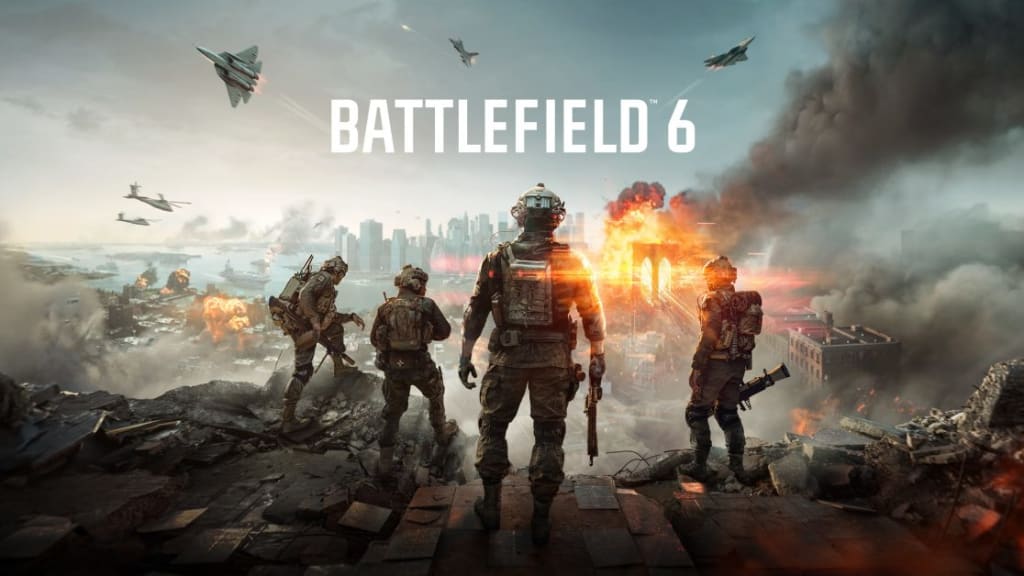
Here we encounter what many observers described as the night’s only genuine upset. Clair Obscur didn’t win best audio design; Battlefield 6 did. This actually makes perfect sense from a technical perspective. Battlefield’s audio design is phenomenally sophisticated, with precise spatial audio that lets competitive players locate enemies by sound alone and environmental effects that create immersion through acoustic fidelity.
The sound of artillery fire echoing across a battlefield, the distinctive crack of different weapon calibers, the way footsteps change based on surface materials, all of this represents years of audio engineering expertise. Yet the result still surprised many, given Clair Obscur’s dominance elsewhere. It suggests, perhaps, that even within industry voting, there’s recognition that audio design involves different expertise than narrative or direction.
Best performance: Jennifer English as Maelle (Clair Obscur: Expedition 33)
Jennifer English’s win for her performance as Maelle in Clair Obscur is significant both for the recognition and for what she represented when accepting. English, who has openly discussed her ADHD diagnosis, dedicated the award “to every neurodivergent person watching,” transforming a technical achievement award into a moment of genuine cultural inclusion.
The actor has now appeared in three Game of the Year-winning games: Elden Ring, Baldur’s Gate 3, and now Clair Obscur, making her arguably gaming’s current most decorated voice performer. Remarkably, Clair Obscur received three best performance nominations total. Ben Starr and Charlie Cox also competed for their roles in the game, yet English’s Maelle, the game’s moral conscience, carried the vote.
Her performance captures nuance that elevates the entire narrative. Maelle isn’t just a character who delivers exposition; she’s a fully realized person with doubts, convictions, moments of weakness, and displays of courage. English brings depth to every line reading, making Maelle feel like someone you genuinely know rather than a voice actor reading a script.
Genre-specific awards: Where excellence diversified
The genre awards demonstrate gaming’s impressive breadth. You could spend a year playing the winners and nominees here and barely scratch the surface of what gaming currently offers.
Best RPG: Clair Obscur: Expedition 33
Clair Obscur’s best RPG award might be the category that best demonstrates the game’s significance. RPGs remain gaming’s most narratively ambitious genre, and winning here means joining an illustrious lineage. The category included genuinely impressive competitors: Avowed (Obsidian Entertainment’s return to a beloved franchise), Kingdom Come: Deliverance II (an exercise in historical immersion), Monster Hunter Wilds (a cooperative hunting simulator that’s almost meditative in its craftsmanship), and The Outer Worlds 2.
Yet Clair Obscur’s turn-based system, often dismissed as antiquated by contemporary gaming standards, proved that mechanical innovation doesn’t require real-time combat. The game’s strategic depth, managing action points, team positioning, character abilities, creates moment-to-moment decision-making that feels genuinely novel. Each battle becomes a tactical puzzle where understanding enemy patterns and coordinating team abilities determines success.
The RPG elements extend beyond combat. Character progression feels meaningful, with choices that genuinely alter how you approach challenges. Dialogue options affect relationships and story outcomes in ways that feel consequential rather than cosmetic. The game respects player intelligence by refusing to signpost which choices are “correct,” instead letting players navigate moral complexity themselves.
Best action game: Hades II
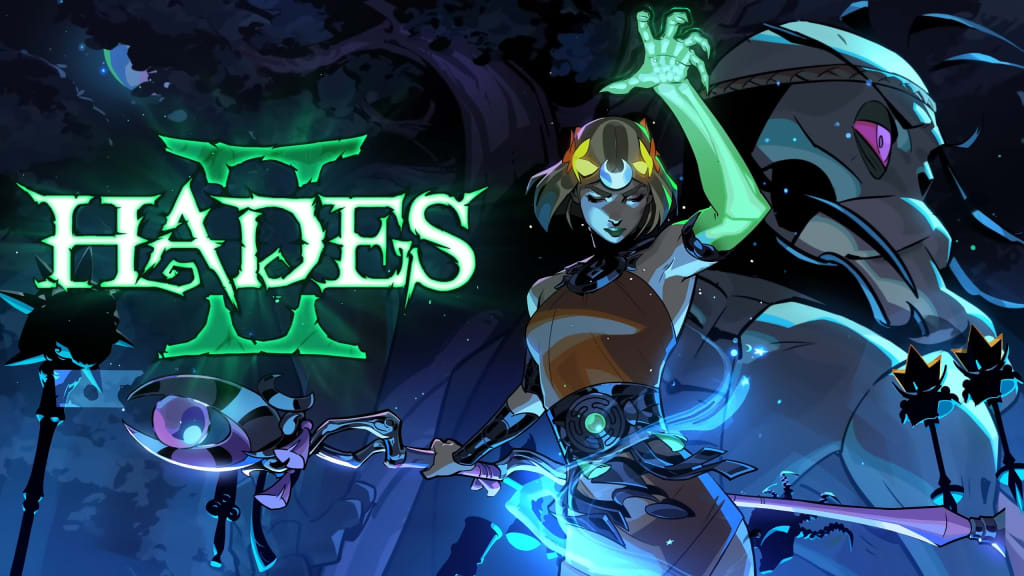
Supergiant Games’ Hades II won best action game, which represents validation that roguelikes have transcended their niche origins. The original Hades was already legendary, combining fast-paced combat with genuine narrative progression in ways the roguelike genre had rarely attempted. The sequel needed to justify its existence, and it did so by expanding the formula without abandoning what made the original special.
The fast-paced combat remains the core appeal. Every weapon feels distinct, every ability combination creates new possibilities, and mastery comes from understanding enemy patterns and exploiting momentary vulnerabilities. But what elevates Hades II is the character-driven narrative told through thousands of small interactions. Each run provides opportunities for character development, relationship progression, and world-building revelations.
The artistic cohesiveness, from Darren Korb’s evocative score to the distinctive visual design that makes every environment and character instantly recognizable, proves mechanical excellence and narrative depth aren’t opposed. They’re complementary when developers care enough to integrate them properly.
Competitors included Battlefield 6, Doom: The Dark Ages, Ninja Gaiden 4, and Shinobi: Art of Vengeance, each offering different approaches to action design. Yet Hades II’s combination of accessibility and depth made it stand out.
Best action/adventure game: Hollow Knight: Silksong

Hollow Knight: Silksong‘s victory in this category felt ceremonial in the best way. After years, and years, and years, of rumor, speculation, and fan anticipation that bordered on the obsessive, the game finally launched in 2025 and immediately proved it had been worth the wait.
The metroidvania sequel deepens the original’s formula, offering exploration depth that rewards curiosity and combat precision that feels genuinely earned. Team Cherry’s approach to game design prioritizes environmental storytelling, letting players piece together the world’s history through visual details and subtle narrative hints rather than explicit exposition.
The victory validates Team Cherry’s patience and players’ faith. In an industry that increasingly prioritizes rapid release schedules, Silksong represents what’s possible when developers refuse to compromise their vision for arbitrary deadlines. The game spent years in development because Team Cherry wanted it to be exceptional, not merely acceptable.
Competitors included Death Stranding 2, Ghost of Yōtei, Indiana Jones and the Great Circle, and Split Fiction, but Silksong’s long-awaited arrival gave its victory particular emotional resonance. Players who had waited since 2019 for this sequel finally received vindication.
Best family game: Donkey Kong Bananza

Nintendo’s Donkey Kong Bananza won best family game, which might seem obvious until you consider what “family game” actually means in contemporary context. It doesn’t mean “for children” or “simplistic.” It means genuinely accessible to players of varying skill and age whilst offering depth that sustains experienced players.
Donkey Kong Bananza achieves this through pristine level design that teaches mechanics organically, excellent controls that respond precisely to player input, and charming presentation that appeals across demographics. Nintendo’s expertise in creating games that anyone can pick up but take years to truly master remains unmatched.
The category included excellent competitors like Lego Party!, Mario Kart World, and Sonic Racing: Crossworlds, but Donkey Kong’s pure platforming craft ultimately prevailed. Each level introduces new mechanics, builds on previously learned skills, and provides optional challenges for players seeking greater difficulty.
Best fighting game: Fatal Fury: City of the Wolves

SNK’s Fatal Fury: City of the Wolves won best fighting game, which reflects the ongoing renaissance of the fighting game genre. After decades of dormancy, fighting games have experienced something approaching a golden age, with passionate communities, competitive infrastructure, and serious investment from publishers who recognize the genre’s enduring appeal.
Fatal Fury’s victory suggests it balanced tradition and innovation effectively. Fighting games require precise understanding of frame data, combo execution, and mind games, creating skill ceilings that dedicated players can pursue for years. But they also need accessibility for newcomers who want to experience competitive play without dedicating hundreds of hours to mastery.
The fighting game community, one of gaming’s most passionate and knowledgeable groups, clearly recognized Fatal Fury as worthy of recognition. That validation from a community that takes its genre seriously carries significant weight.
Best sim/strategy game: Final Fantasy Tactics: The Ivalice Chronicles

Square Enix’s Final Fantasy Tactics: The Ivalice Chronicles won best sim/strategy, celebrating a different kind of challenge-based gaming. Strategy games require patience, planning, and genuine decision-making complexity. Unlike action games where reflexes determine success, strategy games reward forethought and adaptation.
The award suggests recognition that mechanically demanding experiences still find dedicated audiences who value genuine challenge over accessibility through simplification. Final Fantasy Tactics has maintained devoted fans for decades because it respects player intelligence, offering tactical depth that takes time to appreciate fully.
The Ivalice Chronicles represents a return to this beloved universe, bringing modern refinements while maintaining the core appeal that made the original game a classic. Strategic positioning, job class combinations, and resource management create layers of complexity that strategy enthusiasts crave.
Best sports/racing game: Mario Kart World

Mario Kart World won best sports/racing, extending Nintendo’s impressive showing at the ceremony. The game apparently managed the delicate balance of introducing new mechanics and tracks whilst respecting the franchise’s essential identity, no small feat for a series that’s been racing and winning for three decades.
Mario Kart’s enduring appeal comes from accessible controls that let anyone compete while skill expression still matters at high levels. The item-based gameplay creates moments of chaos that keep races unpredictable, while track knowledge and racing line optimization reward dedicated players.
The game’s social appeal, both local and online, makes it one of gaming’s most reliable party experiences. Whether you’re playing with family members of vastly different skill levels or competing in serious online tournaments, Mario Kart World provides entertainment that scales to your needs.
Best multiplayer game: Arc Raiders

Arc Raiders, developed by Embark Studios (founded by veterans from Respawn Entertainment and EA), won best multiplayer. This is significant because Arc Raiders represents what’s possible when experienced talent leaves larger publishers to pursue their own vision.
The game offers something distinctive in the multiplayer space, proving that innovation doesn’t require corporate infrastructure. In a genre dominated by established franchises and battle royale clones, Arc Raiders carved out its own identity through distinctive gameplay mechanics and commitment to community feedback.
Multiplayer games live or die based on community health and developer support. Arc Raiders apparently achieved both, creating an experience that players return to and recommend to others. That organic growth, driven by word-of-mouth rather than marketing budgets, represents the kind of success that sustainability-focused developers dream about.
Best mobile game: Umamusume: Pretty Derby

Umamusume: Pretty Derby won best mobile game, an unexpected winner that represents how mobile gaming has evolved into legitimate artistic territory. The game’s anime aesthetic and horse racing focus didn’t immediately scream “awards potential,” yet it apparently resonated sufficiently to prevail.
Mobile gaming continues shedding its reputation as a platform for simple time-wasters. Games like Umamusume demonstrate that mobile devices can deliver experiences with depth, narrative complexity, and production values that rival traditional platforms. The category validates mobile gaming as a legitimate space for artistic expression.
The game combines character-driven storytelling with racing mechanics in ways that create genuine emotional investment. Players don’t just race horses; they develop relationships with characters, progress through narrative arcs, and experience stories that mobile gaming skeptics might assume the platform couldn’t support.
Best VR/AR game: The Midnight Walk

VR and AR gaming continues establishing itself through awards like best VR/AR game, won by The Midnight Walk. The category validates that immersive technologies are moving beyond novelty toward genuine artistic expression.
Virtual reality offers possibilities unavailable to traditional gaming, from physical presence in game spaces to interaction methods that feel natural rather than abstracted through controllers. The Midnight Walk apparently leveraged these strengths effectively, creating an experience that justifies the hardware investment VR requires.
As VR technology becomes more accessible and comfortable, with lighter headsets and improved visual fidelity, the platform’s potential for artistic expression grows. Awards recognition helps legitimize VR as more than a gimmick, positioning it as a genuine medium for interactive storytelling.
Recognition and impact: The awards beyond achievement
These categories often matter as much as technical achievement awards because they acknowledge gaming’s broader cultural role.
Best adaptation: The Last of Us: Season 2

HBO’s The Last of Us: Season 2 won best adaptation, which represents genuine progress for video game adaptations on screen. For years, video game adaptations ranged from mediocre to disastrous, with filmmakers seemingly unable to understand what made games special beyond superficial action sequences.
The Last of Us changed that conversation. The show maintained the original’s emotional core whilst expanding its world, proving that gaming narratives aren’t niche IP but genuinely rich enough to inspire compelling television. Season 2 continued that success, validating that the first season wasn’t a fluke.
This validates that gaming narratives have matured to the point where they can compete with literature and film as source material for premium television. As streaming platforms seek distinctive content, gaming’s vast library of compelling stories becomes increasingly attractive. Successful adaptations benefit both mediums, introducing games to audiences who might never pick up a controller while proving games deserve respect as storytelling vessels.
Best ongoing game: No Man’s Sky

Hello Games’ No Man’s Sky won best ongoing game, which represents one of gaming’s most remarkable redemption arcs. The game launched in 2016 to significant criticism regarding perceived gaps between promises and delivery. Many developers would have abandoned the project, taken their earnings, and moved on.
Rather than abandoning it, Hello Games committed to ongoing development. Six years of updates, expansions, and community engagement transformed the game into something genuinely special. The award acknowledges that sustained excellence and genuine player care matter as much as launch success.
No Man’s Sky now offers procedural exploration across billions of planets, base building, multiplayer cooperation, narrative quests, and regular content updates that continually expand possibilities. The game Hello Games originally envisioned finally exists, realized through years of dedicated post-launch support funded by players who believed in the vision.
The redemption arc matters because it demonstrates that mistakes aren’t necessarily fatal. With genuine commitment and community respect, developers can rebuild trust and create something exceptional from disappointing beginnings.
Innovation in accessibility: Doom: The Dark Ages

Doom: The Dark Ages won innovation in accessibility, which demonstrates that major blockbuster titles can implement accessibility features without compromising their core experience. The award validates that thoughtful accessibility design is innovation, not burden.
Gaming has increasingly recognized that accessibility benefits everyone, not just players with disabilities. Customizable controls, visual assists, difficulty options, and alternative input methods let more people experience games on their own terms. Doom: The Dark Ages apparently implemented these features comprehensively.
The recognition from The Game Awards sends an important message to the industry: accessibility deserves celebration and resources. When major franchises like Doom prioritize accessibility, it normalizes these features and encourages smaller studios to follow suit.
Games for impact: South of Midnight

Games for impact, won by South of Midnight, recognizes games that create meaningful social commentary or address important themes. This category acknowledges gaming’s potential as a medium for exploring the human condition beyond pure entertainment.
South of Midnight apparently tackled significant themes with nuance and depth, using interactive storytelling to create experiences that traditional media couldn’t replicate. The game demonstrates that entertainment and meaning aren’t mutually exclusive, that games can be simultaneously enjoyable and thought-provoking.
As gaming matures as an artistic medium, categories like games for impact become increasingly important. They signal that the industry values substance alongside spectacle, that games can contribute to cultural conversations about important issues.
Best independent game: Clair Obscur: Expedition 33
Clair Obscur’s best independent game win seems almost redundant given its other victories, yet it explicitly validates the indie development approach. The award says: independent development, operating outside traditional industry infrastructure, can achieve the highest artistic standards.
Independent developers face challenges that AAA studios don’t: limited budgets, small teams, lack of marketing resources, and financial risk that can destroy lives if projects fail. That Clair Obscur not only succeeded but dominated awards recognition proves that passionate small teams can compete with industry giants.
The win encourages aspiring developers who dream of creating games but lack corporate backing. It demonstrates that talent, vision, and dedication can overcome resource limitations. The independent gaming scene continues producing some of gaming’s most innovative and memorable experiences precisely because developers aren’t constrained by shareholder expectations.
Best debut indie game: Clair Obscur: Expedition 33
Similarly, best debut indie game went to Clair Obscur, which is genuinely exceptional. Debut games rarely receive major recognition. They’re first efforts, learning experiences where developers figure out what works. That this one broke records says something remarkable about what Sandfall Interactive accomplished.
The team left Ubisoft to make their dream project, taking significant personal and financial risks. They could have stayed in stable employment, collected salaries, and avoided the stress of independent development. Instead, they bet on themselves and created something that changed gaming’s landscape.
Their success story will inspire countless developers who feel constrained by corporate environments. It proves that the risk of independence can pay off spectacularly when talent meets opportunity and determination.
Content creator of the year: MoistCr1TiKaL
The recognition of content creators reflects gaming’s evolution into a participatory medium. Gaming’s culture is substantially shaped by streamers, video essayists, and personalities who create secondary content. Recognizing this through an award demonstrates that creators aren’t peripheral, they’re central to gaming culture itself.
MoistCr1TiKaL, also known as Charlie White, has built a massive following through gameplay videos, commentary, and genuine personality that resonates with audiences. Content creators serve multiple roles: they’re entertainers, critics, community leaders, and sometimes activists pushing for industry improvements.
The symbiotic relationship between game developers and content creators benefits both. Developers receive free marketing and community feedback, while creators gain content that sustains their channels. Recognizing this relationship through awards validates content creation as a legitimate career path.
Best esports game: Counter-Strike 2

Counter-Strike 2 won best esports game, which reflects Valve’s continued dominance in establishing competitive gaming infrastructure. The franchise has maintained relevance through genuine design excellence and community respect spanning decades.
Counter-Strike’s tactical gameplay, where split-second decisions and team coordination determine victory, creates compelling competitive experiences for both players and spectators. The game’s skill ceiling remains effectively infinite, with professional players continually discovering new strategies and techniques.
The esports ecosystem surrounding Counter-Strike includes major tournaments, professional leagues, sponsorships, and player salaries that support genuine careers. Recognition as best esports game acknowledges Counter-Strike’s role in legitimizing competitive gaming as both sport and spectacle.
Best esports athlete and team
The recognition of professional esports athletes and teams affirms that competitive gaming has achieved legitimacy as a profession. Players like Chovy have genuine careers with sponsorships, salaries, and passionate fan bases. They train with dedication matching traditional athletes, studying game mechanics, practicing techniques, and maintaining physical and mental health.
Team Vitality’s recognition in Counter-Strike 2 celebrates organizational excellence in competitive gaming. Professional esports teams provide infrastructure, coaching, analysis, and support that let players focus on performance. The industry has matured from informal competition to sophisticated professional ecosystems.
Esports athletes face unique challenges: game updates that alter competitive landscapes, the mental pressure of performing under scrutiny, and career uncertainty as games rise and fall in popularity. Their dedication deserves recognition and respect.
Players’ Voice: Wuthering Waves
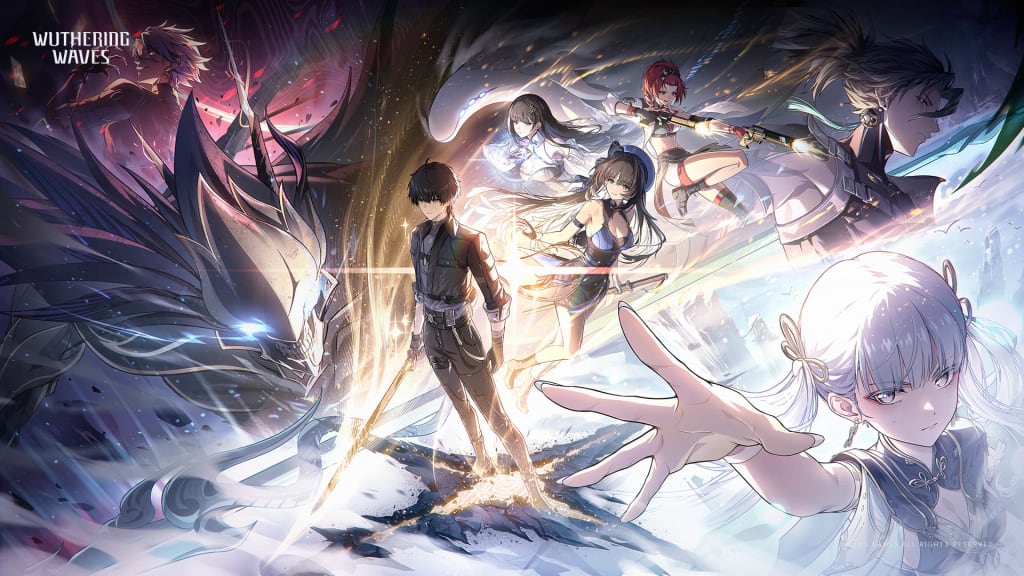
In perhaps the most interesting result of the night, the fan-voted Players’ Voice award went to Wuthering Waves, a Chinese action RPG from Kuro Games that demonstrates gaming’s globalization. The game beating out Clair Obscur (which itself won in numerous other categories) shows that player preferences diverge from critical consensus, which is healthy.
Wuthering Waves apparently resonated with players in ways that critical analysis might not capture. Sometimes games connect with audiences through qualities that professional reviewers overlook: community experiences, mechanical satisfaction, or simply fun that exists beyond artistic ambition.
The divergence between critic favorites and player favorites creates productive tension. It prevents gaming culture from becoming too insular, too focused on technical achievement at the expense of pure enjoyment. Both perspectives have value, and awards that recognize both create more complete pictures of gaming’s landscape.
Most anticipated game: Grand Theft Auto VI

Grand Theft Auto VI’s win for most anticipated game surprised nobody. Despite not yet being released, the franchise’s cultural prominence remains unmatched. The award acknowledges that some forthcoming releases generate anticipation beyond what even industry titans can achieve.
Rockstar Games has built such trust through consistently exceptional releases that their announcements alone dominate gaming conversations. Grand Theft Auto VI represents years of development, enormous budgets, and expectations that would crush most studios. Yet Rockstar has earned the confidence that they’ll deliver an experience justifying the hype.
The anticipation reflects both Rockstar’s track record and gaming’s evolution as a cultural force. Major game releases now compete with film premieres and album drops as cultural events that transcend gaming communities to reach mainstream awareness.
Game Changer award: Girls Make Games
The Game Changer award, presented to Girls Make Games, recognizes non-profits working to ensure the next generation of developers reflects diverse backgrounds and perspectives. This award matters because it acknowledges that gaming’s future depends on cultivating talent from communities historically excluded from the industry.
Girls Make Games runs summer camps teaching programming and design skills to girls and young women, providing opportunities and encouragement that help overcome industry barriers. The organization addresses both practical skill development and the cultural factors that discourage young women from pursuing game development careers.
Representation matters in development teams because diverse perspectives create richer, more inclusive games. When development teams reflect varied backgrounds and experiences, the games they create naturally appeal to broader audiences. Supporting organizations like Girls Make Games invests in gaming’s future diversity and creativity.
What The Game Awards 2025 winners tell us about gaming’s present and future
If you step back from individual categories and look at the overall pattern, several truths emerge clearly about where gaming stands and where it’s heading.
Independent developers have achieved parity with triple-A publishers
Clair Obscur’s dominance wasn’t a fluke or one-time anomaly. Hades II, Hollow Knight: Silksong, and numerous other indie titles populated the nominations and won categories. This represents a fundamental shift in the industry’s power dynamics. Publishers with bloated budgets and risk-averse strategies no longer command automatic respect.
The tools available to independent developers have democratized game creation. Game engines like Unity and Unreal Engine provide professional capabilities at accessible prices. Digital distribution through Steam, Epic Games Store, and console digital storefronts eliminates traditional publishing barriers. Crowdfunding lets developers connect directly with audiences, funding projects without corporate backing.
These changes mean talented small teams can create games that compete directly with AAA productions. While large studios still dominate certain genres requiring massive asset creation, many game types, particularly those emphasizing mechanics and design over graphical fidelity, are now level playing fields.
Players increasingly value authenticity over production value
Clair Obscur was made with a $10 million budget, a fraction of typical AAA investments. Yet it outshone games developed with three or four times the investment. This suggests players recognize and reward games made with genuine creative vision rather than designed by committee to maximize commercial appeal.
Contemporary players are sophisticated enough to distinguish between expensive production and meaningful design. They appreciate technical achievement but don’t confuse graphical fidelity with quality. A beautiful game that lacks soul or distinctive identity struggles to find audiences, while games with clear vision and personality attract passionate communities.
This shift empowers creators to take risks. When authenticity matters more than budget size, the pressure to play safe decreases. Developers can pursue distinctive ideas, experiment with mechanics, and create experiences that might alienate some players but deeply resonate with others.
Craft matters more than franchise recognition
Several winners and nominees were either entirely new properties or overlooked sequels that genuinely improved upon their predecessors. The days of automatic franchise reverence seem waning. Players still love familiar characters and worlds, but they expect evolution, not repetition.
Franchises that rest on their laurels face increasing scrutiny. Players want sequels that justify their existence through meaningful improvements, not just incremental updates and new content. The success of games like Hades II shows that sequels can win acclaim by respecting what made originals special while boldly expanding possibilities.
New intellectual properties face challenges but also opportunities. Without franchise baggage or established expectations, new games can surprise players and establish fresh identities. Clair Obscur’s success as a new franchise proves that original games can achieve cultural impact matching established series.
Diversity of gameplay experiences is celebrated
The winners span turn-based RPGs, roguelikes, action games, racing games, fighting games, and strategy games. Gaming’s strength lies in its breadth, and the awards acknowledge this. Unlike film or music, where certain genres dominate cultural conversations, gaming celebrates variety.
This diversity ensures gaming remains vibrant and innovative. Each genre develops its own conventions, communities, and evolution. Cross-pollination between genres creates hybrid experiences that push boundaries. The recognition of varied gameplay styles validates that gaming offers something for everyone.
The diversity also protects against homogenization. When multiple genres receive recognition, developers across the industry feel encouraged to pursue their genre passions rather than chasing whatever’s currently most popular. This creates healthier ecosystems where variety thrives.
Gaming’s cultural legitimacy continues expanding
Recognition of performances, music, adaptation, and impact demonstrates that gaming is no longer seen as “just entertainment.” It’s viewed as a legitimate artistic medium worthy of serious critical analysis and cultural consideration.
Jennifer English’s performance win validates that gaming voice acting deserves respect alongside film and television performances. Lorien Testard’s music recognition shows that game soundtracks stand as artistic achievements independent of their interactive context. The Last of Us adaptation success proves gaming narratives can inspire premium television.
This cultural legitimacy matters for gaming’s future. As society takes games seriously as art, resources flow toward ambitious projects, talented creators enter the industry, and audiences approach games with appropriate critical frameworks. Gaming graduates from hobby to art form.
The biggest announcements: What Game Awards 2025 revealed about gaming’s future
Beyond celebrating 2025’s achievements, The Game Awards 2025 served as a spectacular announcement platform for gaming’s immediate future. Over 50 new games received reveals or trailers, providing glimpses of what 2026 and beyond hold.
Star Wars returns to single-player gaming
Two major Star Wars announcements emerged. Star Wars: Fate of the Old Republic, directed by Casey Hudson (the visionary behind the original Knights of the Old Republic and Mass Effect trilogy), represents a narrative-driven action RPG focused on Force user player agency. This addresses one of gaming’s persistent frustrations: the absence of meaningful Star Wars single-player experiences beyond Jedi Survivor.
The game promises “innovative storytelling, memorable characters, and heart-pounding combat,” arriving from a new studio called Arcanaut, founded specifically for this project. Hudson’s involvement brings immediate credibility, his track record with narrative RPGs suggesting Fate of the Old Republic could deliver the Star Wars experience fans have been requesting.
Additionally, Star Wars: Galactic Racer, developed by UK-based Fuse Games, offers a different approach to the franchise, focusing on high-speed racing through iconic Star Wars locations. This demonstrates the franchise’s versatility, capable of supporting diverse game types beyond action-adventure standards.
Tomb Raider’s ambitious reinvention
Crystal Dynamics and Amazon Game Studios announced two Tomb Raider experiences. Tomb Raider: Legacy of Atlantis represents a full reimagining of the original 1996 game, developed in collaboration with Flyweight Hog. Meanwhile, Tomb Raider: Catalyst, the next mainline entry, shifts action to Northern India.
These represent significant bets that the franchise can evolve whilst respecting its heritage. Legacy of Atlantis brings the original game’s design philosophy to modern standards, presumably updating controls and graphics while maintaining the exploration focus and puzzle emphasis that made the original revolutionary.
Catalyst continues the rebooted timeline’s trajectory, taking Lara Croft to new locations and challenges. Northern India offers rich historical and cultural context for Tomb Raider’s blend of archaeology, action, and exploration. The dual announcement shows confidence in Lara Croft’s enduring appeal across generations.
Control expands its universe
Remedy Entertainment’s Control: Resonant, the sequel to their celebrated supernatural action game, introduces Dylan Faden (brother of the original’s protagonist Jesse) and new shapeshifting melee weapons. This continuation suggests Remedy’s confidence in expanding the Control universe beyond the original’s scope.
Control established Remedy’s unique vision: bureaucratic supernatural agencies, shifting architecture, psychic powers, and reality-bending mysteries. Resonant apparently maintains that vision while introducing new protagonists and mechanics. The setting shifts to a warped version of Manhattan, expanding the game’s geographic scope.
Remedy has built a dedicated fanbase through distinctive artistic vision and willingness to experiment with narrative structure. Control: Resonant’s announcement validates their approach, proving that unique voices can sustain franchises without compromising their identity.
Larian Studios continues its dominance
Following Baldur’s Gate 3’s Game of the Year triumph in 2024, Larian Studios unveiled Divinity, their next major RPG. The announcement, preceded by a cryptic statue appearing in the Californian desert (a marketing stunt that generated significant buzz), maintains Larian’s reputation for creating large-scale, narratively ambitious experiences.
Larian’s return to the Divinity universe suggests they’ve learned everything they could from the Dungeons & Dragons license and want to explore their own intellectual property with that knowledge. Divinity: Original Sin 2 was already exceptional; a new Divinity with Baldur’s Gate 3’s refinements could be extraordinary.
The studio has proven they can create complex RPG systems that feel intuitive, write branching narratives that respect player choices, and design combat encounters that require tactical thinking. Their next project arrives with enormous expectations, but they’ve earned the confidence.
Capcom’s legacy celebration
Capcom announced Mega Man: Dual Override, a new action-platformer for the iconic character, and confirmed Leon S. Kennedy’s playable role in Resident Evil 9. These announcements suggest Capcom’s commitment to honoring legacy properties whilst introducing contemporary mechanics.
Mega Man has maintained devoted fans despite irregular releases. Dual Override’s announcement delights long-suffering series fans who appreciate Capcom remembering the franchise. The game presumably updates the classic formula with modern design sensibilities while maintaining the precise platforming and boss battles that define Mega Man.
Leon S. Kennedy’s return in Resident Evil 9 excites fans of Resident Evil 2 and 4, two of the franchise’s most beloved entries. Leon’s appearances consistently deliver compelling action-horror experiences. His role in Resident Evil 9 suggests the game will balance horror atmosphere with action competence.
Unexpected gaming directions
Highguard, revealed as a free-to-play PvP hero shooter from Apex Legends and Titanfall veterans, promises “Overwatch on horseback,” introducing mounted cavalry mechanics to the team shooter formula. This demonstrates gaming’s continued willingness to experiment with established genres.
The concept sounds unusual, combining modern hero shooter design with historical cavalry combat. But unusual concepts often produce gaming’s most memorable experiences when executed well. The development team’s pedigree suggests they understand competitive shooters deeply enough to introduce novel mechanics without sacrificing balance.
Free-to-play models for multiplayer games have proven sustainable when done ethically. If Highguard avoids predatory monetization while providing fair competitive experiences, it could carve out its own niche in the crowded hero shooter space.
Additional significant announcements
The ceremony revealed numerous other games worth noting:
Pragmata, Capcom’s long-delayed science fiction game, finally showed gameplay and locked in an April 2026 release. The mysterious project has intrigued observers for years; actual gameplay footage provides first concrete evidence of what Capcom’s been developing.
Forest 3 delivered a gritty new trailer, continuing the survival horror series that’s found dedicated audiences. Saros showcased explosive PS5 shooter action that suggests technical ambition matching narrative scope.
Marvel Rivals confirmed Deadpool for Season 6, arriving in January 2026. The character’s irreverent personality should translate well to competitive gaming, where personality expression matters as much as mechanical skill.
Exodus revealed a trailer featuring Matthew McConaughey voicing “a pivotal character in the story.” Celebrity voice actors in games have mixed track records, but McConaughey’s distinctive voice and dramatic range could elevate the experience.
Lenny Kravitz made a surprise appearance to tease his villain role in IO Interactive’s upcoming 007: First Light. The Bond franchise returning to gaming with talented developers and interesting casting suggests potential for excellence.
Out of Worlds and Wildlight’s Highguard offered glimpses of entirely new gaming experiences, reminding observers that innovation continues across the industry.
Conclusion: Why The Game Awards 2025 matter beyond tonight
The Game Awards 2025 winners list, at its heart, documents a genuinely significant cultural moment. This was the year the industry formally acknowledged that the old model, massive budgets, risk-averse design, franchise sequelization, no longer guarantees success or recognition. Instead, games made with passion, vision, and willingness to innovate claimed the industry’s highest honors.
Clair Obscur: Expedition 33 isn’t just a great game that happened to win awards. It’s a validation of an entire development philosophy that suggests the future of gaming belongs not to corporate conservatism but to courageous creators willing to risk failure in pursuit of genuine artistic achievement. The fact that it was a debut game makes the statement even more powerful.
For players, this suggests that the landscape is changing. The games commanding critical respect are increasingly games made by people who wanted to make them, for players who actually want what they’re making. The transaction becomes less corporate and more personal, developer to player, creator to audience, without layers of marketing manipulation and focus group dilution.
For developers, it’s permission to take risks, to follow creative instincts even when market research suggests otherwise. The success stories coming from independent studios prove that authenticity finds audiences, that distinctive voices matter more than safe familiarity, and that players appreciate games that respect their intelligence and taste.
For the industry broadly, it’s acknowledgment that authenticity, craft, and artistic vision remain the ultimate measures of success. Financial returns matter for sustainability, but cultural impact and artistic achievement are what history remembers. The Game Awards 2025 winners list will be referenced for years as evidence of this transformative moment.
The announcements during the ceremony reinforce this optimism. With 50+ new games revealed, many from talented developers pursuing distinctive visions, gaming’s immediate future looks remarkably varied and ambitious. From Star Wars RPGs to Tomb Raider reimaginings, from Control sequels to brand new IPs, the coming years promise experiences that push gaming forward.
When you’re looking at The Game Awards 2025 winners, you’re not just looking at great games from 2025. You’re looking at a clear statement about what the gaming industry values going forward. And that future looks remarkably bright for anyone who believes in genuine creativity, who wants games that take risks and respect players, who appreciates artistic vision over corporate calculation.
The ceremony celebrated excellence across every gaming dimension: technical achievement, artistic expression, narrative sophistication, community building, accessibility innovation, and cultural impact. The winners represented gaming’s breadth, from turn-based RPGs to fast-paced action games, from family-friendly platformers to hardcore competitive titles.
But beyond celebrating individual achievements, The Game Awards 2025 validated a philosophy: that gaming’s future belongs to creators who make games they believe in, who respect players enough to challenge them, who refuse to compromise vision for safer commercial appeal. That validation matters, culturally and practically, as it encourages the next generation of developers to follow their instincts rather than market research.
The night belonged to Clair Obscur: Expedition 33, but the implications extend far beyond one game’s success. This was gaming asserting its identity, declaring its values, and charting its future course. For anyone who cares about where gaming goes from here, The Game Awards 2025 winners list represents a hopeful signpost pointing toward a future where creativity trumps caution, where passion matters more than production budgets, and where the best games win regardless of who makes them.
FAQ: Frequently Asked Questions about The Game Awards 2025
Q: When were The Game Awards 2025 held?
A: The Game Awards 2025 took place on December 12, 2025, at the Peacock Theatre in Los Angeles. The ceremony lasted approximately three hours and included both awards presentations and over 50 game reveals and trailers.
Q: What game won Game of the Year 2025?
A: Clair Obscur: Expedition 33, developed by French indie studio Sandfall Interactive, won Game of the Year 2025. The debut title defeated Death Stranding 2, Donkey Kong Bananza, Hades II, Hollow Knight: Silksong, and Kingdom Come: Deliverance II.
Q: How many awards did Clair Obscur win?
A: Clair Obscur: Expedition 33 won 9 awards total out of 13 nominations, the most dominant performance in The Game Awards history. Its wins included Game of the Year, best game direction, best narrative, best art direction, best score and music, best performance, best RPG, best independent game, and best debut indie game.
Q: Who won best performance at The Game Awards 2025?
A: Jennifer English won best performance for her role as Maelle in Clair Obscur: Expedition 33. English has now appeared in three Game of the Year-winning titles: Elden Ring, Baldur’s Gate 3, and Clair Obscur, making her one of gaming’s most decorated voice performers.
Q: What was the biggest surprise at The Game Awards 2025?
A: The biggest surprise was likely Battlefield 6 winning best audio design over Clair Obscur, which swept nearly every other category it was nominated in. Another surprise was Wuthering Waves winning the fan-voted Players’ Voice award over the critically acclaimed nominees.
Q: What major games were announced at The Game Awards 2025?
A: Major announcements included Star Wars: Fate of the Old Republic from Casey Hudson’s new studio, two Tomb Raider games (Legacy of Atlantis and Catalyst), Control: Resonant from Remedy Entertainment, Larian Studios’ next RPG Divinity, Mega Man: Dual Override from Capcom, and confirmation of Leon S. Kennedy in Resident Evil 9.
Q: Which game won most anticipated?
A: Grand Theft Auto VI won most anticipated game, surprising no one given Rockstar Games’ track record and the franchise’s cultural prominence. The game hasn’t been released yet but generated enormous anticipation.
Q: Did any indie games besides Clair Obscur win awards?
A: Yes, Hollow Knight: Silksong won best action/adventure game, Hades II won best action game, and Arc Raiders won best multiplayer game. The strong indie representation across multiple categories demonstrated the continued strength of independent development.


