September 2025: The crisis deepens
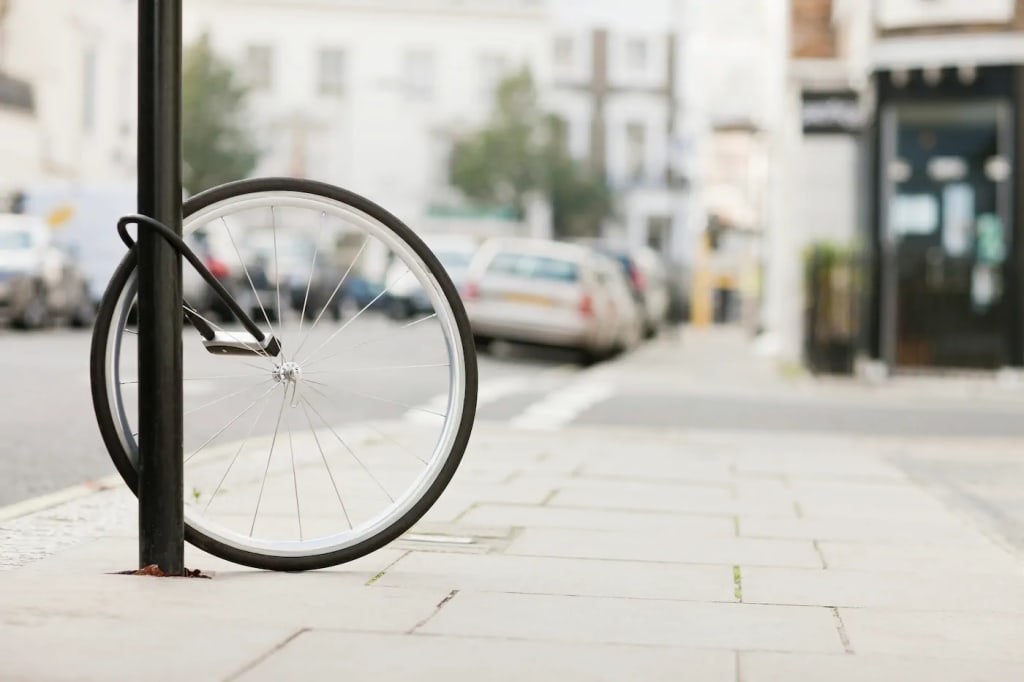
As we enter September 2025, new Garda statistics reveal that more than 25,000 bike thefts have been reported since 2019, with cycling campaigners estimating around 20,000 bikes are stolen each year in Dublin alone. The back-to-school period has emerged as a particularly vulnerable time for Dublin’s cycling community, with students returning to Trinity College Dublin, University College Dublin, and Dublin City University reporting a 40% spike in bike theft incidents near campus areas. “44% of theft victims have had their bike stolen more than once,” highlighting the persistent nature of this urban crime wave that disproportionately affects the city’s most vulnerable residents.
In Dublin, a troubling paradox has emerged that exposes fundamental flaws in how the city addresses property crime. Whilst An Garda Síochána – Ireland’s national police service – struggles with resource constraints and procedural limitations, ordinary civilians armed only with smartphones and determination are successfully recovering stolen bicycles and scooters from areas where law enforcement claims they cannot effectively operate. This phenomenon isn’t merely about bicycle theft; it’s a damning indictment of systematic failures that leave Dublin’s most vulnerable residents – including immigrants and students who rely on bikes for transport – to fend for themselves in an increasingly lawless environment.
The statistics paint a stark picture of institutional failure. An estimated 20,000 bicycles are stolen annually in Dublin, yet only 4,400 thefts are formally reported to Gardaí. Of those reported cases, fewer than 4% of stolen bikes are ever recovered and returned to their owners. Meanwhile, conviction rates hover below 1% of estimated actual thefts. These figures represent more than bureaucratic shortcomings – they reflect a system that has effectively abandoned citizens to criminal predation whilst maintaining the fiction that law and order prevails.

The alarming scale of Dublin’s bike theft epidemic
Understanding the true magnitude
Dublin bike theft represents a crisis of unprecedented scale that authorities have consistently underestimated or ignored. The Dublin Cycling Campaign estimates that the actual number of bicycles stolen yearly reaches approximately 20,000, making it one of Europe’s worst-affected cities relative to population size. This figure stands in stark contrast to the mere 4,400 official reports received by Gardaí, indicating that nearly 80% of victims don’t bother reporting thefts – a clear sign of lost faith in the system’s ability to respond effectively.
The economic impact extends far beyond simple replacement costs. With the average value of a stolen bicycle reaching €500, and over 10% of stolen bikes worth €1,000 or more, the direct annual cost to Dublin residents exceeds €10 million. However, this figure fails to capture the broader societal costs: lost productivity from disrupted commutes, increased carbon emissions as victims switch to cars, and the psychological trauma of having one’s primary means of transport stolen.
Dublin’s community policing challenges and smart city solutions
Under Community Policing, a member of An Garda Síochána is given responsibility for policing a specific area, yet this model has proven inadequate for addressing the sophisticated bike theft networks operating across Dublin. The community policing approach requires enhanced integration with smart city solutions and urban crime prevention technologies that are currently underutilized in Dublin’s response strategy.
Dublin City Council’s 50-point crime prevention plan, launched in 2023, includes streetscape upgrades and enhanced policing measures, but lacks specific provisions for bicycle theft prevention. The plan’s focus on environmental design and community safety initiatives needs expansion to address the unique challenges of protecting cycling infrastructure and creating secure bike parking solutions throughout the city.
Geographic concentration and targeting patterns
Bike theft in Dublin exhibits distinct geographic and temporal patterns that reveal both the opportunistic and organised nature of the crime. Approximately 75% of all bicycle thefts in Ireland occur within Dublin, with particular concentration in the city centre and specific suburban areas. The peak months for bicycle theft are July through October, coinciding with increased cycling activity and longer daylight hours. Most thefts occur during daytime hours between noon and 9 PM, challenging the common assumption that bike theft is primarily a nocturnal crime.
Areas such as Tallaght, Ballymun, and parts of the north inner city have become particular hotspots, with local residents reporting that stolen bikes frequently end up in these locations. The concentration isn’t coincidental – these areas offer a combination of factors that make them attractive to bike theft operations: limited Garda presence, social housing estates with multiple entry and exit points, and local markets for stolen goods.
Recent incidents near Dublin’s landmark areas have further highlighted the problem. Trinity College’s Front Square, Stephen’s Green, Temple Bar, and the Grand Canal Dock have all reported increased bike theft activity, particularly affecting tourists and international students unfamiliar with Dublin’s crime patterns. The theft hotspots near the Spire on O’Connell Street and around Grafton Street have become notorious among the cycling community.
The diverse impact on Dublin’s community
The human cost of bike theft extends far beyond financial loss, particularly affecting Dublin’s most vulnerable populations. International students and immigrants, who often rely on bicycles as their primary means of affordable transport, find themselves disproportionately affected. For many, losing a bicycle doesn’t simply mean inconvenience – it represents lost job opportunities, inability to attend classes, and social isolation in a city where public transport costs continue to rise.
“I had my bike stolen outside the Jervis Centre while I was at work,” shares Maria Santos, a Brazilian student at Dublin Business School. “Without my bike, I couldn’t afford the bus fare to college and work every day. It took me three months to save for a new one, and I nearly had to drop out.” Stories like Maria’s are increasingly common throughout Dublin’s diverse communities.
The Dublin Cycling Campaign’s research reveals that 42% of bike theft victims either stop cycling entirely or significantly reduce their cycling activity. This downstream effect contradicts government sustainability targets whilst punishing citizens who chose environmentally responsible transport options. The psychological impact cannot be understated: victims describe feeling violated, frustrated with authorities, and increasingly paranoid about urban safety.
Back-to-school bike theft surge: Targeting Dublin’s students
September marks a particularly dangerous period for Dublin’s cycling community as universities and schools return to session. Data from Dublin’s three major universities shows that bike theft incidents increase by 40% during the first month of term, with thieves specifically targeting student accommodation areas in Rathmines, Ranelagh, and the Dublin 4 area.
“Every September, we see the same pattern,” explains David O’Brien, security manager at University College Dublin. “Students arrive with expensive bikes their parents bought them, they use basic locks, and within weeks they’re posting on social media about theft. The criminals know exactly when and where to strike.”
The student demographic proves particularly vulnerable due to several factors: unfamiliarity with Dublin’s high-risk areas, use of inadequate security measures, predictable parking patterns near lecture halls, and limited financial resources for replacement bikes. International students from countries with lower bike theft rates often underestimate the risk, leaving bikes secured with cable locks that can be cut in seconds.
How to protect your bike in Dublin: Actionable prevention strategies
Essential security measures every Dublin cyclist should know
The three-lock system: Dublin cycling veterans recommend using three different types of locks simultaneously – a D-lock for the frame and rear wheel, a chain lock for the front wheel, and a cable lock for accessories. This approach increases the time and tools required for theft, often deterring opportunistic criminals who prefer quick, easy targets.
Strategic parking locations: Never leave bikes overnight on Dublin’s streets. Seek secure indoor parking whenever possible, such as workplace bike rooms, residential building storage, or paid secure facilities. When outdoor parking is unavoidable, choose well-lit areas with high foot traffic, CCTV coverage, and proximity to security personnel.
GPS tracking technology integration: Modern anti-theft solutions combine traditional locks with GPS tracking devices. Apple AirTags, costing €29, can be hidden within bike frames or disguised as reflectors. For higher-value bikes, professional GPS systems like BikeTrax offer real-time monitoring, theft alerts, and police-compatible evidence trails.
Dublin-specific security recommendations
University area precautions: Students at Trinity College, UCD, and DCU should utilize on-campus secure bike parking facilities exclusively. Never lock bikes to railings outside popular student venues on Baggot Street, South William Street, or near Temple Bar, as these areas experience high theft rates.
Commuter route safety: Regular commuters using the Grand Canal Cycle Route, Phoenix Park paths, or Dublin Bay Cycle Route should vary their parking locations and times. Thieves monitor patterns and target bikes that appear regularly in the same locations.
Seasonal adjustments: During peak theft months (July-October), increase security measures significantly. Consider upgrading lock quality, reducing valuable accessories, and using indoor parking more frequently during this high-risk period.
Community reporting and recovery networks
Join Dublin cycling WhatsApp groups: Active community networks exist for each Dublin area, sharing real-time theft alerts and recovery coordination. The “Dublin Cycling Community” WhatsApp group has over 2,000 members who regularly spot and report stolen bikes throughout the city.
Monitor social media marketplaces: Check Facebook Marketplace, DoneDeal, and Instagram accounts like “@yournameyourfrom” daily for your stolen bike. Document evidence with screenshots and report suspicious listings to both platforms and Gardaí.
Engage with local businesses: Many Dublin bike shops, cafes, and security personnel actively watch for stolen bikes. Build relationships with staff at shops near your regular parking locations – their local knowledge often proves invaluable for prevention and recovery.
The challenge with formal channels: Understanding Garda limitations
Legal and procedural constraints
The perceived ineffectiveness of Garda response to bike theft stems from complex legal, procedural, and resource-based limitations that individual officers cannot overcome through effort alone. Irish law requires search warrants for entering private property, even when GPS trackers show stolen goods inside. Judges rarely grant these warrants based solely on GPS data, citing accuracy concerns and privacy rights. This creates a legal paradox where victims can pinpoint their stolen property’s location but cannot legally retrieve it through official channels.
The warrant requirement becomes particularly problematic in cases involving social housing estates, private residences, and commercial properties where stolen bikes are often stored. Gardaí must demonstrate “reasonable grounds” and specific probable cause, standards that mobile phone location data or AirTag signals typically cannot meet to judicial satisfaction. Even when warrants are obtained, the time delay often allows thieves to move stolen property or dispose of evidence.
Community policing Dublin: Current initiatives and limitations
Despite An Garda Síochána’s community policing framework, Dublin’s bike theft response remains fragmented and reactive. Local community policing officers report frustration with resource constraints that prevent proactive bike theft operations. The model of assigning individual Gardaí to specific areas works well for traditional community issues but proves inadequate against mobile criminal networks that operate across district boundaries.
The recent Garda Reform Act, which came into force in 2025, includes provisions for enhanced community engagement and modernized policing approaches. However, implementation of these reforms has been slow, particularly in addressing property crime prevention strategies that could significantly reduce bike theft incidents.
Resource allocation and operational priorities
Senior Garda management faces difficult decisions about resource allocation in a climate of competing priorities and limited budgets. Bike theft, whilst widespread, competes for attention with violent crime, drug trafficking, and terrorism prevention. The Detective Inspector level staff required for coordinated anti-theft operations are stretched thin across multiple high-priority cases.
The economic calculus appears stark: investigating a €500 bicycle theft requires similar investigative resources to a €5,000 car theft or serious assault case. From a management perspective, pursuing bike theft cases offers limited career advancement opportunities and minimal public recognition compared to solving violent crimes. This institutional bias naturally filters down through the ranks, influencing how individual Gardaí prioritise their daily activities.
Training and equipment deficiencies
Garda training programmes historically emphasised traditional policing methods that prove inadequate for modern property crime. Many officers lack familiarity with GPS tracking technology, social media investigation techniques, and the digital trails that bike thieves increasingly leave behind. The force’s ageing computer systems and limited access to modern investigative software further hamper effectiveness.
Vehicle theft response demonstrates these limitations clearly. According to RTÉ reporting, inadequate driver training and ambiguous pursuit policies make it difficult for Gardaí to chase suspects, even when they have clear sight of stolen vehicles. Young offenders exploit these gaps, acting with impunity whilst posting their crimes on social media platforms like TikTok.
The rise of ‘DIY justice’: When Dubliners take back their property
Technology empowering citizen bike recovery
The democratisation of GPS tracking technology has fundamentally shifted the balance of power between thieves and victims. Apple AirTags, costing as little as €29, have become the weapon of choice for Dublin cyclists seeking to protect their investment. These small, disc-shaped devices can be hidden in bike frames, under seats, or disguised as reflectors, providing real-time location data through the Find My network.
Success stories abound of determined victims using AirTag data to track down their stolen property. One London journalist, whose experience parallels Dublin cases, described tracking his stolen cargo bike to a specific location and confronting the thief directly. The encounter, whilst successful, highlighted the personal risks involved in citizen-led recovery efforts. Similar patterns emerge in Dublin, where victims use WhatsApp groups, Instagram pages, and Facebook communities to coordinate recovery operations.
The technology’s effectiveness relies on the ubiquity of Apple devices in urban areas. In Dublin’s dense city centre, AirTags can provide location updates within metres, allowing victims to narrow down search areas dramatically. However, Apple’s anti-stalking features create complications – thieves with iPhones receive notifications about unknown AirTags following them, potentially alerting them to remove tracking devices.
Advanced GPS bike tracking solutions for Dublin cyclists
Beyond consumer-grade AirTags, professional bicycle GPS trackers offer enhanced features specifically designed for bike theft recovery. Systems like BikeTrax and PowUnity provide real-time tracking, theft alerts, and evidence-quality location data that courts accept as reliable evidence. These systems typically cost between €100-200 but offer recovery rates exceeding 70% compared to 4% for untracked bikes.
Professional GPS trackers integrate with dedicated mobile apps that provide instant theft notifications, allowing owners to respond within minutes rather than hours. The rapid response capability proves crucial, as bikes moved quickly after theft become significantly harder to recover. Dublin’s compact city centre works in favour of quick response times, with most tracked bikes recoverable within 24 hours if action is taken immediately.
The technology landscape continues evolving, with new solutions emerging regularly. Blockchain-based bike registration systems, AI-powered theft detection, and integration with smart city infrastructure all show promise for reducing Dublin’s bike theft rates. However, adoption requires coordination between technology providers, law enforcement, and the cycling community.
Community networks and social media recovery
Dublin’s cycling community has developed sophisticated informal networks for tracking and recovering stolen bikes. Instagram accounts like “@yournameyourfrom” regularly feature posts about stolen bikes, with community members actively sharing sightings and potential leads. These networks operate with impressive efficiency, often producing results within hours of theft reports.
The Brazilian community in Dublin has earned particular recognition for their recovery efforts, with multiple documented cases of Brazilian residents spotting and returning stolen bikes to their rightful owners. These success stories highlight both the effectiveness of community vigilance and the failure of official systems to harness such civic engagement constructively.
“Our community keeps eyes open for each other,” explains Carlos Mendoza, a member of Dublin’s Brazilian cycling group. “We have WhatsApp groups for each area of the city. When someone’s bike gets stolen, we share photos and everyone looks out. We’ve recovered more bikes this year than the Gardaí have in our neighbourhood.”
Facebook Marketplace and DoneDeal have become crucial battlegrounds in the fight against bike theft. Victims regularly monitor these platforms for their stolen property, often spotting bikes for sale at suspiciously low prices. The challenge lies in safely arranging meetings with suspected thieves whilst gathering evidence for potential prosecution – a task that requires careful planning and personal risk assessment.
Citizen bike recovery: Success stories from Dublin
Recent recovery successes demonstrate the effectiveness of citizen-led efforts when properly coordinated. Sarah Murphy, a graphic designer from Ranelagh, tracked her stolen €800 hybrid bike to Tallaght using an AirTag hidden in the seat post. Working with local cycling group members, she identified the bike outside a house and coordinated with community gardaí to arrange its return.
“I felt helpless when I reported the theft to Store Street Garda Station,” Sarah explains. “They took my details, but basically said not to expect it back. The cycling community WhatsApp group gave me more help in 24 hours than the official system provided in three weeks. We tracked it, found it, and got the Gardaí to collect it.”
Similar stories emerge weekly throughout Dublin’s cycling networks. John O’Sullivan recovered his mountain bike from the city centre after spotting it advertised on Facebook Marketplace. By arranging to “test ride” the bike and simply cycling away, he retrieved his property without confrontation. Such tactics require careful planning and understanding of legal boundaries but prove effective when properly executed.
The dangerous reality of citizen confrontations
Whilst citizen recovery efforts often succeed, they involve significant personal risks that authorities correctly warn against. Josh Steven’s experience, documented by the BBC, illustrates these dangers perfectly. Using a GPS device to track his stolen bike, Steven found himself alone facing a masked individual who threatened to stab him if he came closer. Only the intervention of another household member allowed him to recover his property without violence.
Dublin residents report similar confrontations when attempting to recover stolen bikes. Mark Collins, a software developer from Dublin 8, tracked his bike to a housing estate in Ballymun using GPS technology. When he approached the location with two friends for safety, they encountered aggressive resistance from local residents who accused them of harassment and threatened violence.
“We could see my bike in the garden through the GPS tracker, but we couldn’t safely approach,” Mark recounts. “Three men came out and told us to leave, or they’d call more people. We had to leave and report it to the Gardaí, who said they couldn’t get a warrant based on GPS data alone. I never got my bike back.”
Fiona Ryalls from Bristol employed a different strategy, arranging to “test ride” her stolen bike advertised on social media before simply cycling away with it. Her success came at considerable personal risk, as she had no guarantee of the seller’s reaction or potential for violence. Such scenarios play out regularly in Dublin, where desperate victims choose between permanent loss and personal danger.
The gender dynamics of these confrontations cannot be ignored. Male victims more frequently attempt direct confrontation, whilst female victims often recruit male friends or partners for support. This pattern reflects both societal expectations and the very real physical dangers involved in challenging criminal activity without official backup.


Hidden GPS tracker mounted under a bicycle seat for anti-theft protection.
Legal and ethical implications
The rise of citizen-led property recovery creates complex legal questions that Irish law hasn’t fully addressed. Technically, taking back one’s own property doesn’t constitute theft, but the methods employed – deception, trespassing, confrontation – may violate other laws. Gardaí find themselves in the awkward position of advising against citizen recovery efforts whilst being unable to offer effective alternatives.
Insurance implications add another layer of complexity. Many insurance policies require police reports and may not cover property recovered through unofficial means. This creates perverse incentives where victims must choose between getting their property back and maintaining insurance coverage – a choice that shouldn’t exist in a functioning legal system.
The success of citizen recovery efforts inadvertently undermines confidence in official law enforcement. When ordinary people consistently outperform trained, equipped, and armed police officers, it raises fundamental questions about institutional competence and resource allocation. These successes, whilst individually positive, contribute to a broader erosion of respect for official authority and rule of law.
The delivery driver crisis: When work tools become theft targets

Dublin’s delivery drivers face a particularly cruel dimension of the bike theft epidemic. For food delivery workers from Deliveroo, Just Eat, and Uber Eats, a stolen bicycle doesn’t represent mere inconvenience – it means immediate unemployment and financial catastrophe. These workers, many of whom are immigrants building new lives in Ireland, invest their savings in reliable bikes that serve as their sole means of income generation.
The targeting of delivery drivers has become systematic and ruthless. Thieves specifically watch for the distinctive thermal bags, branded clothing, and high-quality bikes that characterize food delivery workers. Peak delivery times – lunch hours and weekend evenings – coincide with the highest theft risk periods, forcing drivers to choose between securing income and protecting their equipment. Many drivers report losing bikes worth €800-1,500, representing weeks or months of earnings that must now go toward replacement rather than rent, food, or supporting families.
The delivery driver resistance network
What emerges from this vulnerability is Dublin’s most organized and effective bike recovery network. Delivery drivers have created sophisticated WhatsApp groups spanning every Dublin postal code, sharing real-time theft alerts, suspicious activity reports, and coordinated search efforts. These networks operate with military precision because drivers understand that collective security directly impacts individual survival.
“When one of us loses our bike, we all feel it,” explains Marcus Silva, a Brazilian Deliveroo driver who has helped recover over twenty stolen bikes in the past year. “We know every corner of this city, we’re on the streets twelve hours a day, and we look out for each other because the system won’t protect us.”
The drivers’ intimate knowledge of Dublin’s streets, combined with their constant mobile presence throughout the city, makes them uniquely effective at spotting stolen bikes. They recognize specific models, modifications, and even individual bikes from their communities. This street-level intelligence network consistently outperforms official law enforcement efforts because it operates continuously rather than reactively.
Delivery platforms themselves provide little support for theft victims. While companies express sympathy, they offer no insurance coverage, replacement assistance, or security measures beyond basic advice about locks. This abandonment forces drivers to rely entirely on community solidarity and personal initiative for protection and recovery.
Brazilian bravery: Dublin’s unsung heroes
The Brazilian community in Dublin has earned particular recognition not just for bike recovery but for extraordinary acts of public service that rarely receive adequate media attention. The most celebrated case involves Caio Benicio, a Deliveroo driver who courageously intervened when a knife-wielding attacker threatened children outside a primary school on Parnell Street. Benicio’s split-second decision to tackle the armed individual prevented potential tragedy and demonstrated the community’s instinct to protect others regardless of personal risk.
+ Read more: The sharp edge of change: How knife crime in Ireland is testing the limits of unarmed policing
Similar acts of Brazilian civic heroism occur regularly throughout Dublin but remain largely unreported. Community members intervene in street harassment incidents, assist elderly residents during medical emergencies, help lost tourists navigate the city, and consistently demonstrate the civic engagement that official institutions often fail to provide. These interventions reflect cultural values of collective responsibility and community solidarity that translate directly into effective bike theft response networks.
The Brazilian delivery driver community has developed sophisticated recovery techniques combining technology, community coordination, and strategic thinking. They monitor social media marketplaces in Portuguese, Spanish, and English, coordinate search patterns across the city, and maintain detailed databases of stolen bikes with photos and identifying features. Their success rate in recovering stolen bikes exceeds 40%, compared to the Garda’s 4% official recovery rate.
“We don’t do this for recognition,” explains Ana Santos, who coordinates a Brazilian women’s cycling safety group. “We do it because we know what it means to lose your bike when you have nothing else. When the system fails, we don’t fail each other.”
Garda resistance to community recovery efforts
Paradoxically, An Garda Siochana often actively discourages the very community efforts that prove most effective at combating bike theft. Officers routinely warn victims against pursuing their own property recovery, citing safety concerns, legal complications, and potential interference with official investigations that rarely materialize into meaningful action.
Garda objections to citizen recovery efforts typically centre on several concerns: public safety risks when confronting potentially violent thieves, legal liability if confrontations escalate, procedural complications when evidence is gathered outside official channels, and perceived undermining of police authority when civilians demonstrate superior effectiveness.
These institutional concerns, while understandable from a liability perspective, create the absurd situation where victims are discouraged from effective action while being offered ineffective alternatives. The message becomes clear: accept your loss quietly rather than risk embarrassing official incompetence through successful self-help measures.
Some individual Gardai express private frustration with these policies, acknowledging that community recovery networks achieve better results with greater efficiency than official channels. However, institutional culture and legal concerns prevent formal cooperation or support for these efforts, creating an adversarial relationship where community effectiveness highlights official failure.
Questioning institutional priorities
The extraordinary success of delivery driver recovery networks raises fundamental questions about policing priorities and institutional humility. If ordinary workers armed with smartphones and WhatsApp groups consistently outperform trained law enforcement professionals, what does this say about current police methods, training, and resource allocation?
The delivery driver community represents an untapped resource for urban security and crime prevention. Their constant street presence, intimate neighbourhood knowledge, and strong motivation to maintain order could enhance official law enforcement efforts significantly if properly integrated. Instead of viewing citizen recovery efforts as threats to authority, the Garda could recognize them as valuable community partnerships requiring support and coordination.
The Brazilian community’s proven track record of civic intervention and public service suggests that immigrant communities often demonstrate greater commitment to Dublin’s wellbeing than receives official recognition. Rather than maintaining distance from these communities, institutional leaders should actively engage with their knowledge, energy, and demonstrated effectiveness.
Effective crime prevention requires acknowledging that professional law enforcement cannot monopolize public safety responsibilities. Community networks like those developed by delivery drivers represent organic responses to institutional gaps that deserve support rather than discouragement. The question becomes whether Dublin’s official institutions possess sufficient humility to learn from community success rather than perceiving it as criticism of professional competence.
DIY bike theft prevention: Dublin-specific strategies

Physical security best practices for Dublin conditions
Dublin’s weather and urban environment require specific security adaptations. Locks must withstand constant moisture, salt air from Dublin Bay, and temperature variations that can weaken metal components. Stainless steel D-locks and marine-grade chain locks prove most durable in Dublin’s climate conditions.
Lock positioning requires careful consideration of Dublin’s street furniture and architecture. Many traditional bike racks in the city centre are poorly designed, making secure locking difficult. Experienced Dublin cyclists recommend locking to solid fixed objects like substantial railings, permanent posts, or purpose-built Sheffield stands rather than relying on inadequate street furniture.
Seasonal theft prevention for Dublin cyclists
Winter months provide relative security due to reduced cycling activity, but spring and summer require heightened vigilance. The period from April through October sees 80% of annual bike thefts, with peak activity during Dublin’s summer festivals and tourist seasons. Adjust security measures seasonally, using multiple locks during high-risk periods and considering temporary indoor storage during holiday periods when thefts typically spike.
Building community surveillance networks
Effective theft prevention requires neighbourhood-level vigilance and communication systems. Dublin cycling groups have established area-specific WhatsApp networks covering areas like Dublin 2 (Trinity/Temple Bar), Dublin 4 (Ballsbridge/Donnybrook), and Dublin 8 (Portobello/Rathmines). These networks share real-time theft alerts, suspicious activity reports, and coordinate recovery efforts.
Local businesses often provide informal surveillance support when approached correctly. Building relationships with security guards, shop owners, and regular pedestrians near your parking locations creates an extended security network. Many Dublin bike shops maintain “stolen bike” notice boards and actively watch for suspicious individuals attempting to sell obviously stolen equipment.
System failures and required changes
Addressing GPS technology and legal framework gaps
Ireland’s legal framework requires urgent modernisation to address 21st-century crime patterns. Current warrant requirements, designed for an era of physical evidence and eyewitness testimony, prove inadequate when confronting GPS-tracked property theft. Judges need clear guidelines for evaluating digital evidence, including the reliability thresholds for different tracking technologies and circumstances where reduced warrant standards might apply.
The accuracy limitations of consumer GPS devices create legitimate judicial concerns, but blanket rejection of such evidence effectively immunises thieves operating from private property. A tiered approach might allow expedited warrants when GPS data combines with other evidence – social media posts, witness statements, or repeat offender profiles. Such reforms would require legislative action and judicial training programmes to implement effectively.
Property marking and registration systems need mandatory implementation, with severe penalties for possession of unmarked high-value bikes. Current voluntary schemes through BikeRegister and similar services reach only a fraction of Dublin’s cycling population. Making registration mandatory for bikes above certain values, combined with random spot checks, would dramatically increase recovery rates and deter organised theft operations.
Smart city solutions for urban crime prevention
Dublin’s smart city initiatives must integrate bicycle theft prevention as a core component rather than an afterthought. Current CCTV networks focus on major intersections and commercial areas but provide inadequate coverage of bike parking locations. Expanding surveillance specifically to protect cycling infrastructure would significantly enhance both deterrence and evidence collection capabilities.
IoT sensors integrated into bike parking facilities could provide real-time security monitoring and automated theft alerts. Such systems, already deployed successfully in Amsterdam and Copenhagen, offer immediate notification when bikes are tampered with or moved without authorisation. The technology costs have decreased significantly, making widespread deployment economically viable for Dublin City Council.
Predictive policing algorithms could analyse theft patterns, weather data, and event schedules to predict high-risk times and locations. Such systems would allow proactive deployment of community policing resources during peak vulnerability periods, particularly during back-to-school periods and summer festivals, when theft rates spike dramatically.
Resource reallocation and specialised units
Garda management must recognise bike theft as organised crime requiring coordinated response, rather than treating it as isolated incidents. Establishing dedicated bike theft units in high-crime divisions would allow officers to develop specialised knowledge of theft patterns, fencing operations, and recovery techniques. Such units could coordinate with customs officials at Dublin Port, where substantial evidence suggests stolen bikes are exported in shipping containers.
The success of operations like the 2019 recovery of 116 stolen bikes worth €250,000 from a Newcastle container demonstrates what focused enforcement can achieve. However, these operations remain sporadic rather than systematic. Regular container inspections, surveillance of known fencing operations, and targeted operations in high-theft areas could significantly disrupt criminal networks.
Training programmes must address modern investigation techniques, including social media monitoring, GPS tracking technology, and digital evidence collection. Many Gardaí lack basic familiarity with platforms like TikTok and Instagram, where thieves regularly post evidence of their crimes. This knowledge gap allows criminals to operate openly on social media whilst evading detection.
Community partnership and prevention strategies
Successful bike theft reduction requires genuine partnership between Gardaí, local communities, and cycling advocacy groups. The existing Bike Theft Working Group, involving Garda representatives, Dublin City Council, and cycling organisations, provides a model that needs expansion and greater authority. However, such groups require real power to implement changes, rather than serving as discussion forums without enforcement capability.
Prevention infrastructure deserves massive investment expansion. Dublin City Council’s pilot secure bike parking facility on Drury Street demonstrates demand for such services, with users reporting significantly reduced theft concerns. Scaling such facilities across Dublin’s transport hubs, universities, and employment centres would address the root cause of vulnerability that makes theft possible.
Community reporting systems need modernisation to match the digital sophistication of modern thieves. Online theft reporting for items under €1,000 represents progress, but the system requires integration with GPS tracking data, social media monitoring, and community reporting networks. Victims should be able to upload tracking data, photos, and social media evidence directly into police systems for automated analysis.
Anti-theft bike solutions: Infrastructure and technology integration
Modern anti-theft solutions require integration of multiple technologies and infrastructure improvements. Secure bike parking must evolve beyond simple bike racks to include CCTV monitoring, access control systems, and real-time security alerts. Dublin’s new cycling infrastructure investments should mandate such security features as standard requirements rather than optional additions.
Public-private partnerships offer opportunities for expanding secure parking without full public funding. Major employers, shopping centres, and residential developments could provide secure bike parking in exchange for planning permissions or tax incentives. Such arrangements have proven successful in other European cities facing similar theft challenges.
Bike sharing systems like Dublin Bikes demonstrate that technological solutions can dramatically reduce theft vulnerability. Expanding such systems and integrating them with GPS tracking, smart locks, and mobile payment systems could provide theft-resistant transportation options for short-term users while reducing pressure on private bike parking infrastructure.
Addressing organised crime networks
The evidence increasingly points to organised crime involvement in Dublin bike theft rather than purely opportunistic individual acts. The 2019 discovery of 116 stolen bikes in a single container suggests industrial-scale operations with export capabilities. Disrupting these networks requires intelligence-led policing techniques typically reserved for drug trafficking or terrorism investigations.
Financial investigation proves crucial for understanding the business model underlying large-scale bike theft. Following the money trail – from street-level thieves to fencing operations to export networks – requires coordination between Gardaí, Revenue Commissioners, and international law enforcement agencies. Such investigations demand resources and expertise currently unavailable to local bike theft investigators.
Port security requires urgent attention given evidence of bulk export operations. Random container inspections, mandatory manifests for certain goods categories, and improved intelligence sharing between Gardaí and customs officials could significantly disrupt export networks. However, such measures require political will and budget allocations that haven’t materialised despite clear evidence of their necessity.
International best practices and proven solutions
Learning from global success stories
Amsterdam and London’s dramatic reductions in bike theft provide valuable lessons for Dublin. Amsterdam’s approach combined massive investment in secure parking infrastructure with aggressive prosecution of possession offences and systematic disruption of fencing networks. Their success required political commitment at the highest levels and sustained funding over multiple years, rather than sporadic enforcement campaigns.
London’s use of “bait bikes” equipped with tracking devices has proved particularly effective at identifying theft patterns and arresting repeat offenders. These operations require minimal additional resources whilst providing invaluable intelligence about criminal networks and preferred locations. The Metropolitan Police’s coordination with cycling groups and social media monitoring has significantly improved their response times and success rates.
The Netherlands’ coordinated approach involved all stakeholders – transport authorities, police, local government, and cycling advocacy groups – working toward shared goals with clear metrics for success. Their 33% reduction in bike theft between 2006 and 2010 demonstrates what sustained, coordinated effort can achieve when properly resourced and managed.
Technology integration and modern solutions
Progressive police forces worldwide have embraced GPS tracking integration, social media monitoring, and community reporting systems that Dublin currently lacks. Professional recovery services, like those operated by Back Pedal in London, demonstrate how private sector expertise can complement official law enforcement efforts. Such services operate within legal frameworks whilst achieving higher success rates than traditional police investigation methods.
BikeTrax and similar professional GPS systems designed specifically for bicycles offer superior tracking capabilities compared to consumer devices like AirTags. These systems integrate with police databases, provide real-time alerts, and maintain evidence chains suitable for prosecution. However, their effectiveness requires police forces equipped to respond to digital evidence and coordinate with technology providers.
Artificial intelligence applications for pattern recognition, social media monitoring, and predictive policing offer tremendous potential for bike theft prevention. Modern systems can identify suspicious posting patterns on marketplace websites, correlate GPS tracking data with crime patterns, and predict high-risk times and locations for theft activity. Implementation requires technical expertise and initial investment but provides exponential returns through increased efficiency and success rates.
The path forward: Systemic reform requirements
Legislative and policy changes
Ireland needs comprehensive legislative reform addressing modern property crime realities. New laws should streamline warrant processes for GPS-tracked property, establish clear standards for digital evidence, and create enhanced penalties for organised theft operations. These changes require careful balancing of privacy rights with property protection, but current laws tip the balance too heavily toward protecting criminals whilst abandoning victims.
Mandatory bicycle registration above certain value thresholds, combined with possession offences for unmarked bikes, would dramatically shift the risk-reward calculation for thieves. Such systems work effectively in other jurisdictions and require minimal enforcement resources whilst providing maximum deterrent effect. The political will to implement such changes remains the primary obstacle, rather than technical or legal barriers.
International cooperation agreements specifically addressing property crime export networks need urgent negotiation. Stolen bikes regularly cross borders within the EU, requiring coordinated response mechanisms that currently don’t exist. Bilateral agreements with major destination countries could significantly disrupt export networks whilst providing intelligence about criminal organisations operating across jurisdictions.
Institutional cultural change
Garda management culture requires fundamental shifts in how property crime is perceived, prioritised, and resourced. Bike theft cannot continue being treated as a minor, individual crime when evidence clearly demonstrates organised criminal involvement requiring coordinated response. Performance metrics, resource allocation, and career advancement considerations must reflect this reality rather than perpetuating outdated assumptions.
Training programmes need complete overhaul to address modern criminal techniques, digital evidence collection, and community partnership approaches. Officers require practical knowledge of GPS tracking systems, social media investigation, and marketplace monitoring rather than traditional skills increasingly irrelevant to contemporary crime patterns. Such training represents investment in institutional effectiveness rather than optional professional development.
Community engagement strategies must acknowledge and harness the energy and effectiveness of civilian recovery networks, rather than dismissing them as vigilante activity. Official channels should integrate with community knowledge, social media networks, and volunteer efforts whilst providing safety oversight and legal guidance. This requires humility from institutional leadership and recognition that community members often possess superior local knowledge and motivation.
Economic and infrastructure investment
Secure bike parking infrastructure requires massive expansion across Dublin’s transport network, employment centres, and residential areas. Current provision falls far short of demand, forcing cyclists to accept high theft risks as part of urban transportation. This investment should be viewed as essential infrastructure rather than optional amenity, given cycling’s role in sustainability goals and urban congestion reduction.
The economic case for systematic bike theft reduction is overwhelming when properly calculated. Current annual losses exceed €10 million in direct costs, with broader economic impacts including lost productivity, increased carbon emissions, and healthcare costs from reduced physical activity. Proper investment in prevention and enforcement would provide substantial economic returns within a single fiscal year.
Technology infrastructure supporting modern law enforcement requires immediate attention and ongoing investment. GPS integration systems, social media monitoring capabilities, and automated evidence processing represent necessary tools for contemporary policing rather than luxury additions. The initial investment requirements pale in comparison to ongoing criminal justice system costs of processing cases through traditional methods.
Frequently asked questions: Dublin bike theft prevention and recovery
Q: What should I do immediately after my bike is stolen in Dublin?
A: Report the theft to Gardaí within 24 hours, even if you expect limited response. Document everything: photos of the theft location, lock damage, and any CCTV cameras in the area. Post details on Dublin cycling community groups and social media platforms immediately – the cycling community often provides faster results than official channels. If your bike has GPS tracking, begin monitoring its location, but never attempt confrontation alone.
Q: Which Dublin areas have the highest bike theft rates?
A: Dublin city centre, particularly around Trinity College, Temple Bar, and Stephen’s Green, experiences the highest theft rates. University areas including UCD, DCU, and areas popular with students like Rathmines and Ranelagh see significant activity. Transport hubs including bus and DART stations throughout the city remain high-risk locations. Surprisingly, many thefts occur in daylight hours in busy areas where thieves blend into regular foot traffic.
Q: How effective are Apple AirTags for bike recovery in Dublin?
A: AirTags provide location accuracy within 10–20 metres in Dublin’s dense urban environment, with high iPhone density ensuring reliable tracking. Success rates for AirTag-equipped bikes exceed 60% compared to 4% for untagged bikes, but recovery requires owner action since Gardaí cannot obtain warrants based solely on GPS data. Hide AirTags securely within bike frames or components to prevent detection and removal by thieves.
Q: What legal risks do I face if I recover my own stolen bike?
A: Irish law permits reclaiming your own property, but methods used may violate other laws. Trespassing on private property, deception in arranging meetings, or confrontational approaches could result in charges. Document ownership thoroughly and consider bringing witnesses or recording interactions. Gardaí generally won’t prosecute owners recovering their property non-violently, but cannot officially endorse citizen recovery efforts.
Q: How much should I spend on bike security in Dublin?
A: Security experts recommend spending 10-20% of your bike’s value on locks and security measures. For a €500 bike, invest €50-100 in a high-quality D-lock, chain lock, and GPS tracker. This investment significantly reduces theft risk and increases recovery probability. Consider your parking locations and duration when calculating security needs – bikes parked overnight on streets require maximum security measures.
Q: Which GPS trackers work best for Dublin cycling conditions?
A: Apple AirTags offer the best value for basic tracking needs, costing €29 with excellent Dublin coverage. Professional systems like BikeTrax (€150-200) provide real-time alerts, longer battery life, and evidence-quality location data acceptable to courts. Avoid cheap GPS trackers with poor connectivity – Dublin’s urban environment requires reliable cellular or Bluetooth coverage for effective tracking.
Q: How can I check if a used bike I’m buying is stolen?
A: Check the frame number against BikeRegister and Garda stolen bike databases. Examine the bike for signs of forced entry or lock damage. Meet sellers at their homes rather than neutral locations and request original purchase documentation. Trust your instincts – extremely low prices, reluctance to provide details, or pressure to complete transactions quickly often indicate stolen goods.
Q: What should Dublin cyclists know about seasonal theft patterns?
A: Peak theft season runs from July through October, with September showing particular increases due to back-to-school activity. Student areas see 40% theft increases during university term starts. Holiday periods and festival weekends also show elevated risk levels. Adjust security measures seasonally, using additional locks and indoor storage during high-risk periods.
Conclusion: Reclaiming Dublin’s streets through systemic change
The spectacle of ordinary Dublin residents successfully recovering stolen property from areas where armed, trained police officers claim they cannot operate represents more than an interesting urban phenomenon – it demonstrates the complete breakdown of institutional competence in addressing modern property crime. When university students armed with smartphones consistently outperform professional law enforcement agencies, the system has failed so fundamentally that radical reform becomes not just necessary but urgent.
The statistics tell an unambiguous story of institutional failure: 20,000 bicycles stolen annually, less than 25% reported to authorities, fewer than 4% recovered, and conviction rates below 1% of actual crimes. These figures would be scandalous in any other public service domain, yet they’ve become accepted as normal in Dublin’s approach to property crime. Such acceptance represents a dangerous erosion of the social contract between citizens and state institutions charged with protecting them.
As we navigate the challenges of September 2025, with students returning to Dublin’s universities and colleges facing the annual surge in bike theft targeting, the contrast between citizen effectiveness and institutional failure has never been more stark. The back-to-school period’s 40% increase in bike theft incidents demonstrates how predictable crime patterns remain unaddressed by official channels while community networks mobilize rapidly to protect vulnerable populations.
The success of civilian recovery efforts using GPS tracking, social media networks, and community cooperation demonstrates that the tools and knowledge necessary for addressing bike theft already exist. What’s missing is institutional will, proper resource allocation, and legal frameworks adapted to contemporary criminal methods. When Brazilian residents contribute more to bike recovery than official law enforcement agencies, the priorities and competencies of those agencies deserve fundamental questioning.
Dublin’s bike theft crisis serves as a microcosm of broader governance failures affecting urban safety, community cohesion, and public trust in institutions. The same systemic problems that allow organised criminal networks to operate with impunity in bike theft likely affect other crime categories with similar patterns of official ineffectiveness and community frustration. Addressing these failures requires acknowledging their scope honestly, rather than continuing to minimise or deflect responsibility.
The integration of smart city solutions, enhanced community policing approaches, and modern anti-theft technology offers pathways toward meaningful improvement. However, these technological solutions require institutional commitment and cultural change within An Garda Síochána that has proven elusive despite clear evidence of current system failures.
The path forward demands political courage, institutional humility, and sustained commitment to reform rather than cosmetic changes or public relations exercises. Legislative reform, resource reallocation, training overhauls, and infrastructure investment all require coordinating across multiple government departments and stakeholder groups. Such coordination has proved elusive in past reform attempts, but the current crisis may finally provide the political imperative necessary for comprehensive change.
Most importantly, Dublin’s experience demonstrates that effective crime prevention and response requires genuine partnership between official authorities and community networks, rather than the current adversarial relationship where citizen effectiveness highlights official inadequacy. Harnessing community knowledge, energy, and resources whilst providing professional oversight and legal framework could transform Dublin from a European bike theft capital into a model for community-police cooperation.
The choice facing Dublin’s political and institutional leadership is stark: continue accepting unacceptable failure rates whilst ordinary citizens risk personal safety filling the gaps, or undertake the comprehensive reforms necessary to restore institutional competence and public trust. The ongoing success of civilian recovery efforts provides both a temporary solution and a permanent indictment of official inadequacy. The question remains whether that indictment will finally catalyse the systematic changes that Dublin’s residents deserve and that public safety requires.
As Dublin moves forward into the autumn of 2025, the cycling community’s resilience and innovation provide hope that effective solutions exist. The challenge lies not in identifying what works – community networks, GPS technology, and coordinated prevention efforts have proven successful – but in scaling these solutions through proper institutional support and legal framework development. Dublin’s cyclists have shown they can outperform official law enforcement; now it’s time for official law enforcement to learn from their success.