

October may be globally recognised as Breast Cancer Awareness Month, but breast cancer doesn’t pause for eleven months of the year. If you’re wondering “What are the latest breast cancer screening guidelines for 2025?” or “How can I reduce my risk beyond awareness campaigns?”, you’ve come to the right place. With updated 2025 screening guidelines lowering the recommended age to 40 in many countries and 2.3 million new diagnoses globally, understanding real breast cancer care and early detection has never been more critical.
Behind the sea of pink ribbons and well-intentioned campaigns lies a stark truth that demands our attention every single day: global breast cancer awareness must transcend seasonal marketing and evolve into sustained, actionable healthcare practices that genuinely save lives.
This comprehensive guide moves beyond the superficial ‘pinkwashing’ that often characterises October to focus on what truly matters: real breast cancer care, evidence-based screening guidelines, and practical steps for risk reduction. With significant disparities in survival rates between developed and developing nations, the need for authentic, year-round breast cancer awareness has never been more urgent.
Understanding screening guidelines: What you need to know in 2025
Before diving deeper into global statistics and care approaches, let’s address the most pressing questions about current breast cancer screening recommendations. The landscape of mammogram guidelines has shifted significantly in 2024 and 2025, with major health organisations updating their positions on when women should begin regular screening.
Key takeaways for 2025:
The United States now recommends screening from age 40 (updated April 2024), reflecting rising breast cancer rates in younger women. The UK maintains its established programme for ages 50 to 71, while Canada faces ongoing controversy over its guidelines. Australia offers a balanced approach with automatic invitations from age 50 and self-referral options from age 40. These variations reflect different healthcare philosophies and population health data, making it essential to understand your country’s specific recommendations.
The consensus across all guidelines remains clear: early detection through regular screening saves lives. However, the “when to start breast cancer screening” question depends on your location, personal risk factors, and family history. We’ll explore each country’s detailed recommendations later in this guide.
The global reality: Beyond the pink marketing
Understanding the true scale of the challenge
Global breast cancer awareness begins with confronting uncomfortable truths about the worldwide impact of this disease. According to the latest GLOBOCAN 2022 data from the World Health Organization, breast cancer has emerged as the most commonly diagnosed cancer globally, representing 11.6% of all new cancer cases. The statistics paint a sobering picture: every minute, four women are diagnosed with breast cancer worldwide, and one woman dies from the disease.
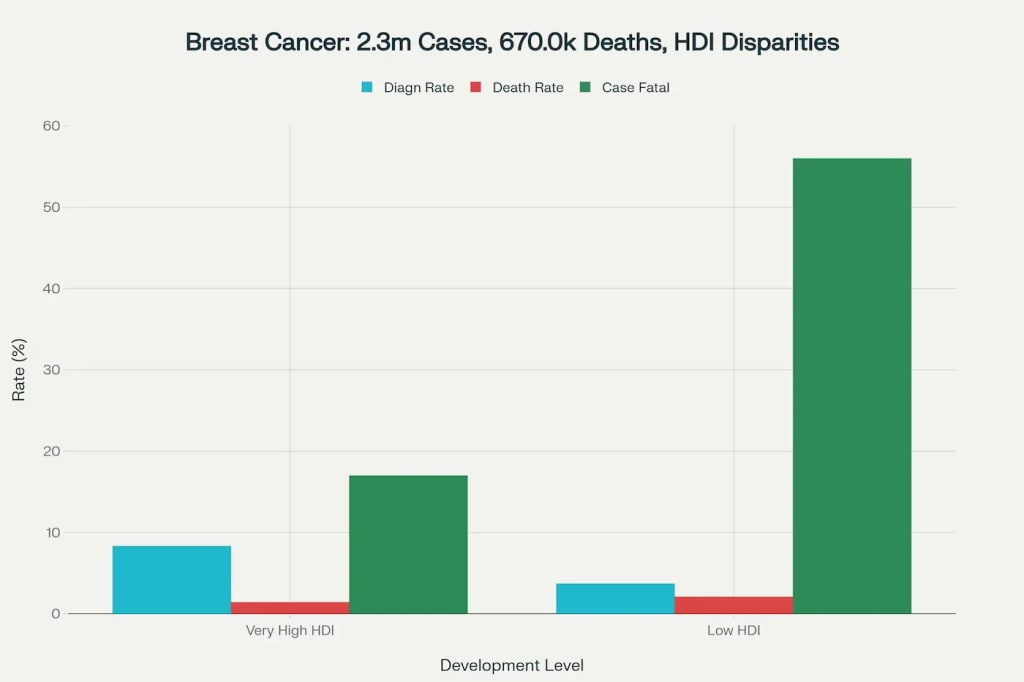
The global burden varies dramatically by region and socioeconomic status. In countries with very high Human Development Index (HDI), one in twelve women will be diagnosed with breast cancer in their lifetime, yet only one in seventy-one will die from it. This stark contrast with low HDI countries, where only one in twenty-seven women is diagnosed but one in forty-eight dies, highlights the critical role that access to real breast cancer care plays in survival outcomes.
Current global statistics for 2024 and 2025 show:
Breast cancer remains the leading cancer diagnosis among women worldwide, with incidence rates continuing to rise in most regions. Mortality rates, however, are declining in high-income countries with organised screening programmes and comprehensive treatment access. The gap between diagnosis and death rates in different countries reveals the profound impact of healthcare infrastructure on breast cancer outcomes.
Survival rates have improved dramatically over the past three decades in developed nations, thanks to earlier detection through mammography screening and advances in treatment. Five-year survival rates now exceed 90% in countries like the United States, United Kingdom, and Australia when breast cancer is caught early. These improvements demonstrate what’s possible when healthcare systems prioritise breast cancer screening and treatment.
The care over buzz philosophy
The concept of moving from “buzz” to genuine care represents a fundamental shift in how we approach global breast cancer awareness. Rather than focusing solely on generating awareness through pink-themed campaigns, this approach emphasises practical, life-saving actions.
Evidence-based screening programmes accessible to all socioeconomic groups form the foundation of effective breast cancer care. Comprehensive education about breast self-awareness and early detection empowers women to recognise changes that require medical attention. Elimination of healthcare disparities that disproportionately affect marginalised communities ensures that survival isn’t determined by zip code or bank balance. Year-round commitment to breast health rather than seasonal activism creates sustained impact.
Research consistently demonstrates that countries with well-organised screening programmes and equitable healthcare access achieve significantly better survival rates. The WHO’s Global Breast Cancer Initiative aims to reduce breast cancer mortality by 2.5% per year through improved early detection and treatment access, a goal that requires sustained commitment far beyond October’s awareness campaigns.
Understanding your body: The foundation of breast self-awareness

The evolution beyond traditional self-examination
Modern breast self-awareness has evolved significantly from the rigid five-step self-examination protocols of previous decades. Leading breast cancer specialists now emphasise a more holistic approach that encourages women to become familiar with their normal breast appearance and feel, rather than following prescriptive examination techniques.
This shift in breast cancer prevention lifestyle reflects growing understanding that women are more likely to maintain awareness practices when they feel natural and personalised. Some women may prefer to conduct regular, intentional examinations, while others incorporate breast awareness into daily routines like showering or getting dressed. The key is developing familiarity with your body’s normal state so you can recognise changes promptly.
What breast self-awareness means in practice:
Rather than monthly scheduled examinations on specific calendar dates, modern guidance encourages ongoing awareness throughout your daily life. This approach reduces anxiety and guilt associated with missing scheduled self-exams while maintaining vigilance for breast changes. Women who practice regular self-awareness are more likely to detect changes early and seek timely medical evaluation.
Key signs and symptoms: Global recognition standards
The international medical community has established consistent recognition standards for breast changes that warrant medical evaluation. These breast cancer symptoms and warning signs remain universal across healthcare systems, making early detection possible regardless of where you live.
Physical changes requiring medical attention:
New lumps or thickening in the breast or armpit area represent the most recognised warning sign. However, many early breast cancers don’t present as obvious lumps. Changes in breast size or shape, especially if affecting only one breast, require evaluation. Dimpling, puckering, or “orange peel” texture of breast skin can indicate underlying changes. Nipple alterations including inversion, persistent discharge (particularly if blood-stained), or rash should prompt medical consultation.
Visual changes to monitor:
Persistent swelling, redness, or warmth in breast tissue may indicate inflammatory conditions requiring attention. Visible veins that become more prominent than your baseline normal pattern can signal changes. Skin irritation or persistent rashes around the nipple area, particularly if not responding to standard treatments, warrant evaluation.
Important context for early detection breast cancer:
Not all breast changes indicate cancer. Most lumps are benign, and many breast symptoms have non-cancerous explanations. However, any persistent change lasting more than two weeks deserves medical evaluation. Don’t wait to see if symptoms resolve on their own. Early consultation allows for prompt diagnosis and treatment if needed, significantly improving outcomes.
Pain alone is rarely the only symptom of breast cancer, as most breast cancers are painless in early stages. However, persistent, localised pain that differs from normal breast tenderness should be evaluated. Cyclical breast pain related to menstrual cycles is common and usually benign, but new, non-cyclical pain warrants attention.
Male breast cancer: The often-overlooked reality
Male breast cancer symptoms require special attention within global breast cancer awareness discussions. While representing only 1% of all breast cancer cases, male breast cancer carries higher mortality rates primarily due to delayed diagnosis and reduced awareness. Many men don’t realise breast cancer can affect them, leading to dangerous delays in seeking medical care.

Men should be aware of these warning signs:
Hard, painless lumps typically located behind the nipple represent the most common presentation. Nipple discharge, especially if blood-streaked, requires immediate evaluation. Skin changes including redness, scaling, or dimpling should prompt medical consultation. Nipple retraction or inversion, particularly if new, needs assessment.
The average age of male breast cancer diagnosis is 67, with most cases occurring between ages 60 and 70. Early detection breast cancer principles apply equally to men, emphasising the importance of immediate medical consultation for any breast changes. Men with BRCA2 gene mutations face significantly elevated risk, making awareness particularly crucial for those with family history of breast or ovarian cancer.
Risk factors specific to male breast cancer:
Family history of breast cancer, particularly in male relatives, increases risk substantially. BRCA gene mutations, especially BRCA2, create elevated lifetime risk. Klinefelter syndrome and other conditions affecting hormone balance contribute to increased susceptibility. Liver disease, obesity, and radiation exposure to the chest area also elevate risk.
Actionable screening guidelines: A global comparative analysis
United Kingdom: The NHS breast screening programme
The UK’s National Health Service operates one of the world’s most established breast screening programmes, automatically inviting all women aged 50 to 71 for screening every three years. This breast cancer screening guidelines approach reflects extensive research showing that regular mammographic screening reduces breast cancer mortality by approximately 20%.

Key features of the NHS programme include:
Automatic invitations for women aged 50 to 71 arrive by mail, scheduling appointments at convenient local screening units. Three-yearly screening intervals, based on optimal benefit-harm ratios, balance cancer detection against overdiagnosis risks. Self-referral options for women aged 40 to 49 and over 71 allow those outside the target range to access screening. Comprehensive quality assurance standards ensure consistent service delivery across all NHS regions.
The NHS approach prioritises population-level benefit while acknowledging individual choice for women outside the target age range. Women in their forties can request screening after discussing benefits and risks with their GP. Those over 71 remain eligible for screening upon request, as cancer risk continues increasing with age.
Recent developments in UK breast screening for 2024 and 2025:
The UK National Screening Committee continues reviewing evidence for additional screening based on breast density. Research trials exploring risk-based screening approaches are underway, potentially leading to more personalised recommendations in coming years. AI-assisted mammography reading is being piloted in several NHS trusts, improving detection rates while reducing radiologist workload.
Digital mammography has replaced film mammography across all NHS screening services, improving image quality and diagnostic accuracy. Mobile screening units extend services to rural and underserved areas, ensuring equitable access regardless of location. The NHS continues investing in screening infrastructure and workforce development to maintain high-quality services.
United States: Recent USPSTF updates
The US Preventive Services Task Force made significant updates to its breast cancer screening guidelines in April 2024, lowering the recommended screening age from 50 to 40 years. This change reflects mounting evidence of increasing breast cancer incidence among younger women, particularly in certain ethnic groups.
Updated USPSTF recommendations include:
Biennial screening mammography for all women aged 40 to 74 represents the core recommendation. Recognition of rising breast cancer rates in women under 50 drove the age change. Urgent calls for research on supplemental screening for women with dense breasts acknowledge current evidence gaps. Continued insufficient evidence for screening women over 75 reflects limited research in this age group rather than recommendation against screening.
The American Cancer Society maintains slightly different recommendations, suggesting annual screening for women aged 45 to 54, with options for earlier initiation and continued annual or biennial screening thereafter. This creates some confusion for American women trying to determine “when to start breast cancer screening” and how frequently to schedule mammograms.
Understanding the mammogram age 40 update:
The lowered screening age acknowledges that breast cancer increasingly affects younger women, with incidence rising most rapidly in women aged 40 to 49. Black women experience particularly high rates of aggressive breast cancers in their forties, contributing to racial disparities in mortality. Early initiation of screening provides opportunity to detect these cancers when most treatable.
The biennial (every two years) frequency balances cancer detection benefits against false positive risks and overdiagnosis concerns. More frequent screening detects slightly more cancers but significantly increases false alarms requiring additional testing. Individual women can discuss annual screening with their healthcare providers based on personal risk factors.
Insurance coverage and access in the USA:
The Affordable Care Act requires most insurance plans to cover mammography screening without cost-sharing when following USPSTF guidelines. This means women aged 40 to 74 should receive biennial mammograms at no out-of-pocket cost. Many insurers also cover annual screening following American Cancer Society guidelines. Medicare covers annual mammograms for women over 40.
Canada: Navigating controversial guidelines
Canadian breast cancer screening guidelines remain contentious following the 2024 draft recommendations from the Canadian Task Force on Preventive Health Care. The current guidelines recommend against routine screening for women aged 40 to 49, drawing significant criticism from medical professionals and advocacy groups.
Canadian screening landscape includes:
Official recommendation for screening every 2 to 3 years for ages 50 to 74 represents the national guideline. Provincial variation in implementation means some provinces offer screening from age 40 despite national recommendations. Ongoing controversy over the exclusion of women in their forties from routine screening creates confusion and frustration. Strong opposition from radiologist associations and breast cancer advocates challenges the task force’s conclusions.
The Canadian Cancer Society updated its position in May 2024 to recommend screening from age 40, creating a disconnect between official guidelines and professional recommendations. This divergence leaves many Canadian women uncertain about appropriate screening schedules.
The controversy explained:
The Canadian Task Force based its recommendations on systematic review of screening trials, concluding that benefits don’t outweigh harms for women in their forties. Critics argue this analysis undervalues cancer detection in younger women and fails to account for rising incidence rates. Radiologist associations point to real-world screening programme data showing significant mortality reduction from screening women in their forties.
Advocacy groups emphasise that one in eight breast cancers occurs in women under 50, with these cancers often more aggressive and faster-growing. Delayed detection due to lack of screening in the 40 to 49 age group potentially results in later-stage diagnoses requiring more intensive treatment. The debate reflects broader tensions between population-level statistical analyses and individual clinical decision-making.
Provincial programmes and access:
Despite national guideline controversy, most provincial screening programmes offer mammograms to women aged 40 to 49 who request them. Some provinces actively promote screening from age 40, while others maintain focus on the 50 to 74 age range. Women should contact their provincial screening programme to understand local policies and access procedures.
Australia: BreastScreen Australia programme
Australia’s national programme, BreastScreen Australia, actively invites women aged 50 to 74 for free biennial screening while allowing self-referral for women aged 40 and above. This approach balances population health benefits with individual choice.
Australian programme characteristics:
Automatic invitations every two years for women aged 50 to 74 arrive by mail with appointment scheduling information. Free mammograms available to all women over 40 through self-referral ensure access for those wanting earlier screening. Over 750 screening locations across the country, including mobile services for rural areas, provide widespread coverage. Integration with risk-based screening research initiatives explores personalised approaches for future implementation.
Cancer Council Australia advocates for expanded risk-based screening approaches that consider individual factors beyond age alone. This forward-thinking stance recognises that blanket age-based guidelines may not optimally serve all women. Research into polygenic risk scores and other personalisation tools continues advancing.
Dense breast tissue notification in Australia:
BreastScreen Australia has implemented policies to inform women when mammography reveals dense breast tissue. Dense breasts make mammography less sensitive and independently increase cancer risk four to six-fold. Women notified of dense breasts can discuss supplemental screening options with their healthcare providers, though evidence for routine supplemental screening remains under investigation.
The programme emphasises that mammography remains beneficial for women with dense breasts, detecting most breast cancers even in dense tissue. However, some cancers may be missed due to masking effects. Research continues exploring optimal screening strategies for women with dense breasts, including supplemental ultrasound, MRI, or emerging technologies.
Aboriginal and Torres Strait Islander women:
BreastScreen Australia actively works to improve screening participation among Aboriginal and Torres Strait Islander women, who experience lower screening rates and higher mortality from breast cancer. Culturally appropriate outreach programmes, mobile services in remote communities, and partnership with Aboriginal health services aim to reduce these disparities. Some regions offer screening from younger ages for Indigenous women given higher risk profiles.
Lifestyle and risk reduction: Evidence-based prevention strategies
Modifiable risk factors: The power of lifestyle choices
Research consistently demonstrates that approximately 22% of breast cancer cases in developed countries are associated with modifiable lifestyle factors. Breast cancer risk reduction through lifestyle modification offers genuine prevention opportunities, particularly when implemented consistently over time.

Physical activity: Moving for prevention
Regular exercise reduces breast cancer risk by up to 25% in postmenopausal women, making it one of the most effective prevention strategies. The World Health Organization recommends at least 150 minutes of moderate-intensity aerobic activity weekly, emphasising that even modest increases in activity levels provide measurable benefits.
You don’t need marathon training or gym memberships to gain protective benefits. Brisk walking, cycling, swimming, dancing, or any activity that elevates heart rate counts toward your weekly total. Breaking activity into shorter sessions throughout the day works as well as longer workout blocks. The key is consistency and making movement a regular part of your routine.
Exercise appears to reduce breast cancer risk through multiple mechanisms. Physical activity helps maintain healthy body weight, reduces circulating estrogen levels, improves insulin sensitivity, and enhances immune function. These effects combine to create meaningful risk reduction, particularly when sustained over years and decades.
Weight management: Maintaining healthy body composition
Adult weight gain significantly increases breast cancer risk, particularly after menopause. Maintaining a healthy BMI throughout adulthood, rather than attempting dramatic weight loss later in life, provides optimal protection. Even modest weight gain of 20 to 30 pounds after age 18 measurably increases risk.
Fat tissue produces estrogen after menopause, when ovaries stop estrogen production. Higher body fat levels therefore create increased estrogen exposure, promoting hormone-receptor-positive breast cancers. Weight management becomes increasingly important as women age and natural metabolic changes occur.
The breast cancer prevention lifestyle approach to weight focuses on sustainable habits rather than restrictive diets. Balanced eating patterns emphasising whole foods, appropriate portion sizes, and regular physical activity maintain healthy weight more effectively than cycles of restriction and regain. Small, consistent changes accumulate into meaningful long-term results.
Alcohol consumption: Understanding the relationship
The relationship between alcohol and breast cancer risk follows a linear pattern with no safe threshold. Each alcoholic drink per day increases breast cancer risk by approximately 7 to 10%, making alcohol reduction a crucial real breast cancer care strategy. Women who consume two to three drinks daily face 20% higher risk compared to non-drinkers.
This dose-response relationship means that reducing alcohol intake, even if not eliminating it completely, provides risk reduction benefits. Women accustomed to daily drinking can meaningfully reduce risk by cutting back to a few drinks weekly. Those who don’t drink shouldn’t start, as alcohol offers no breast cancer prevention benefits despite potential cardiovascular effects at low doses.
Alcohol appears to increase breast cancer risk through multiple pathways. It raises circulating estrogen levels, damages DNA through its metabolite acetaldehyde, impairs folate absorption necessary for DNA repair, and increases oxidative stress. These mechanisms combine to promote cancer development, particularly in hormone-sensitive breast tissue.
Breastfeeding: Natural protection
Extended breastfeeding provides protective benefits, with risk reduction increasing with duration. Women who breastfeed for 12 months or longer show measurably reduced breast cancer risk compared to those who never breastfeed. Each year of breastfeeding reduces risk by approximately 4 to 5%.
The protective effect appears strongest for hormone-receptor-negative breast cancers, particularly triple-negative subtypes that tend to affect younger women and carry poorer prognosis. This makes breastfeeding particularly valuable for women with family history of aggressive breast cancers.
Breastfeeding reduces lifetime number of menstrual cycles, decreasing cumulative estrogen exposure. It also triggers breast tissue differentiation and removes potentially damaged cells through milk production and post-weaning involution. These biological mechanisms explain the protective effect observed in epidemiological studies.
Hormone therapy considerations
Combined hormone therapy (estrogen plus progestin) for menopausal symptoms increases breast cancer risk, with risk rising with duration of use. Women using combined HRT for five years or longer face elevated risk that persists for years after stopping. Estrogen-only therapy shows smaller risk increases, primarily in women using it for extended periods.
Women considering hormone therapy for menopausal symptoms should use the lowest effective dose for the shortest necessary duration. Non-hormonal alternatives for hot flashes and other symptoms may be preferable for women with elevated breast cancer risk. Regular reassessment of need for continued therapy helps minimise cumulative risk.
Non-modifiable risk factors: Understanding your baseline risk
While lifestyle modifications offer significant prevention opportunities, understanding non-modifiable risk factors enables informed decision-making about screening and prevention strategies.
Age: The primary risk factor
Age represents the strongest breast cancer risk factor, with risk doubling approximately every 10 years after age 30. Most breast cancers occur in women over 50, though younger women can develop the disease. This age relationship explains why screening programmes typically target women in their fifties and older.
Understanding age-related risk helps contextualise screening recommendations and symptoms requiring evaluation. Younger women face lower absolute risk but shouldn’t ignore breast changes, particularly if they have additional risk factors. Older women require continued vigilance through screening and awareness regardless of lack of other risk factors.
Family history and genetic mutations
Family history of breast or ovarian cancer, particularly in first-degree relatives (mother, sister, daughter), significantly elevates risk. Risk increases further when multiple relatives are affected or when diagnosis occurred at young ages. Inherited mutations in BRCA1, BRCA2, and other cancer susceptibility genes create dramatically elevated lifetime risk.
Women with strong family history should consider genetic counselling to assess whether genetic testing is appropriate. Identified mutation carriers can pursue enhanced screening protocols including annual breast MRI starting at younger ages, risk-reducing medications, or preventive surgeries. Even without identified mutations, family history alone may warrant earlier or more frequent screening.
Personal history of breast cancer
Women previously treated for breast cancer face elevated risk of developing new primary breast cancers in either breast. This necessitates continued surveillance even after successful treatment. The magnitude of risk depends on initial cancer characteristics, treatment received, and time since diagnosis.
Regular mammographic screening continues after breast cancer treatment, with some women requiring more frequent imaging or supplemental screening methods. Those treated with breast-conserving surgery undergo annual mammography of both breasts. Even women who had mastectomy require screening of remaining breast tissue and regular clinical examinations.
Dense breast tissue
Dense breast tissue, visible on mammograms as white areas similar in appearance to breast cancer, both decreases mammography sensitivity and independently increases cancer risk four to six-fold. Approximately 40% of women have heterogeneously or extremely dense breasts, making this a common risk factor.
Women notified of dense breasts after mammography should discuss implications with healthcare providers. While routine supplemental screening for all women with dense breasts isn’t currently recommended in most countries, individual circumstances may warrant additional imaging. Breast MRI or ultrasound can detect cancers missed on mammography in dense tissue.
Reproductive history
Early onset of menstruation (before age 12) and late menopause (after age 55) increase lifetime estrogen exposure, modestly elevating breast cancer risk. Never having been pregnant or having first child after age 30 also slightly increases risk compared to women who give birth at younger ages.
These factors relate to cumulative exposure to cyclical hormones throughout reproductive years. While individual impact is modest, multiple reproductive risk factors can combine to create meaningfully elevated risk. Understanding these factors helps women make informed decisions about screening and risk management.
Previous chest radiation therapy
Women who received chest radiation during childhood or young adulthood, typically for conditions like Hodgkin lymphoma, face significantly elevated breast cancer risk. Risk magnitude depends on radiation dose and age at exposure, with highest risk in those treated during breast development.
These women require enhanced screening protocols including annual mammography and breast MRI starting eight years after radiation or at age 25, whichever comes later. Lifelong surveillance is necessary as risk remains elevated decades after radiation exposure.
Environmental and occupational considerations
Emerging research highlights the role of environmental factors in breast cancer risk reduction. While individual exposure control may be limited, awareness of potential risks enables informed choices.
Endocrine-disrupting chemicals
Exposure to chemicals that mimic or interfere with hormones, collectively called endocrine disruptors, may influence breast cancer risk. These substances appear in plastics (bisphenol A), personal care products (parabens), pesticides, and various industrial chemicals. While research continues clarifying the relationship, precautionary approaches include choosing glass or stainless steel food containers, selecting personal care products free of parabens and phthalates, and washing produce to reduce pesticide exposure.
Occupational exposures
Certain occupations involve exposures potentially increasing breast cancer risk. Night shift work disrupting circadian rhythms shows association with elevated risk in some studies. Healthcare workers exposed to sterilising agents and cytotoxic drugs may face increased risk. Women working with solvents, pesticides, or other chemical exposures should follow workplace safety protocols and use protective equipment.
Air pollution
Emerging evidence links air pollution, particularly fine particulate matter, to increased breast cancer risk. While individuals have limited control over ambient air quality, awareness of high pollution days and use of indoor air filtration may provide some protection. Supporting policies to improve air quality benefits public health broadly.
The urgent need for health equity in global breast cancer care
Addressing disparities in developed countries
Even within high-income countries, significant disparities exist in breast cancer outcomes. In the United States, Black women experience 38% higher breast cancer mortality than White women despite 5% lower incidence rates. These disparities reflect complex interactions between socioeconomic factors, healthcare access, and biological differences in disease presentation.

Key disparity factors include:
Delayed diagnosis due to healthcare access barriers affects uninsured and underinsured women disproportionately. Even with insurance, copayments and deductibles can deter screening and follow-up care. Transportation challenges, inability to take time from work, and lack of childcare create additional screening barriers for economically disadvantaged women.
Higher prevalence of aggressive triple-negative breast cancer subtypes occurs in Black women, contributing to mortality disparities even when screening access is equal. These cancers grow rapidly, often appearing between screening intervals, and respond poorly to standard hormone therapies. Research into the biological factors driving these differences continues advancing.
Geographic variations in screening programme availability create urban-rural disparities throughout developed countries. Rural women often must travel significant distances for screening, with mobile mammography units providing crucial but imperfect solutions. Specialist care for breast cancer treatment may require even longer travel, creating barriers to optimal care.
Cultural and linguistic barriers to healthcare navigation affect immigrant and refugee populations. Screening programmes may not reach non-English speakers effectively. Cultural beliefs about cancer, modesty concerns, and distrust of medical systems can reduce screening participation. Culturally tailored outreach and language-appropriate materials improve access.
Strategies to reduce disparities:
Expanding insurance coverage and eliminating cost barriers to screening and treatment addresses financial access issues. Patient navigation programmes helping women overcome logistical and informational barriers improve screening rates and treatment adherence. Mobile mammography services bring screening to underserved communities. Diversifying the healthcare workforce and providing cultural competency training improves care quality for minority populations.
Global South: The hidden crisis
The most dramatic disparities in global breast cancer awareness exist between high and low-income countries. While incidence rates remain lower in developing nations, mortality rates are disproportionately higher, reflecting late-stage diagnosis and limited treatment options.
Critical challenges in low-resource settings include:
Lack of organised screening programmes means most breast cancers are detected through symptomatic presentation rather than screening, typically at advanced stages. Without systematic screening infrastructure, early detection depends on breast awareness and prompt medical attention for symptoms.
Limited diagnostic infrastructure affects pathology services, imaging equipment, and specialist availability. Many low-resource settings lack reliable electricity to operate imaging equipment. Pathology services necessary for cancer diagnosis may be centralised in capital cities, creating delays and expense for patients.
Insufficient access to effective treatments includes limited availability of chemotherapy drugs, radiation therapy equipment, and surgical services. Even when treatments exist, medication stockouts, equipment breakdowns, and healthcare worker shortages interrupt care. Patients may face devastating choices between bankruptcy and treatment.
Cultural barriers to seeking medical care for breast symptoms include modesty concerns, cancer fatalism, preference for traditional healers, and fears about cancer treatment. These cultural factors interact with healthcare system weaknesses to delay diagnosis. Educational campaigns addressing cultural concerns while respecting local values improve early detection.
Progress and promise in global breast cancer care:
The World Health Organization’s Global Breast Cancer Initiative specifically targets these disparities, emphasising the need for resource-appropriate interventions that can be sustainably implemented across diverse healthcare systems. The initiative focuses on health promotion for early detection, timely diagnosis, and comprehensive breast cancer management.
Early detection through clinical breast examination and breast awareness education offers affordable approaches feasible in resource-limited settings. Training primary healthcare workers to conduct clinical breast exams and refer suspicious findings extends cancer detection capabilities. Public education about breast cancer warning signs encourages prompt care-seeking for symptoms.
Treatment protocols adapted for resource-limited settings prioritise cost-effective interventions with substantial impact. Generic medications reduce chemotherapy costs. Single-fraction radiation therapy protocols decrease radiation treatment requirements. Training surgical specialists in breast-conserving surgery expands treatment options.
The promise of technology and innovation
Emerging technologies offer potential solutions for addressing global breast cancer disparities while improving care in all settings.
Artificial intelligence for mammography interpretation
AI-assisted mammography reading shows promise for improving screening accuracy while reducing radiologist workload. In resource-limited settings lacking sufficient radiologists, AI could enable screening programme expansion. Early studies demonstrate AI performance comparable to experienced radiologists, with potential to reduce both false positives and false negatives.
Current AI systems require validation across diverse populations and careful integration into clinical workflows. Concerns about algorithmic bias and liability for AI errors need resolution. However, the technology’s potential to democratise screening access across resource levels makes it particularly exciting for global breast cancer awareness.
Mobile screening units and portable ultrasound
Mobile mammography units extend screening to rural and underserved populations in developed countries. In resource-limited settings, portable breast ultrasound offers affordable option for evaluating palpable masses and suspicious findings from clinical breast examination. Battery-powered handheld ultrasound devices cost a fraction of traditional equipment while providing diagnostic imaging.
Telemedicine consultations
Telemedicine connects patients with specialist care regardless of geography. Women in rural areas can consult with breast cancer specialists without extensive travel. Pathologists can review digital slides remotely, accelerating diagnosis. Oncologists can provide treatment planning guidance to local healthcare providers. The COVID-19 pandemic accelerated telemedicine adoption, revealing its potential to improve access.
Point-of-care diagnostic technologies
Emerging diagnostic technologies that don’t require complex laboratory infrastructure could transform cancer diagnosis in resource-limited settings. Rapid immunohistochemistry tests to determine hormone receptor status inform treatment decisions. Portable genetic testing for BRCA mutations identifies high-risk women. These technologies remain mostly in research phases but hold substantial promise.
Moving beyond October: A year-round commitment to breast health
Shifting the paradigm from awareness to action
True global breast cancer awareness requires moving beyond symbolic gestures to sustained healthcare system improvements. This paradigm shift involves several critical components that extend far beyond pink ribbons and awareness walks.

Healthcare system integration
Breast health services must be integrated into routine primary care, making screening and early detection accessible year-round rather than dependent on seasonal campaigns. Primary care providers should routinely discuss breast cancer screening, assess individual risk factors, and provide education about breast awareness. Electronic health records can prompt age-appropriate screening recommendations and track overdue screenings.
Systematic outreach to women overdue for screening, using letters, phone calls, or text messages, improves screening participation. Reminder systems ensure women don’t fall through cracks in busy healthcare systems. Same-day screening for women who present for other appointments removes barriers to participation.
Community education
Evidence-based education programmes should operate continuously, focusing on breast self-awareness and risk factor modification rather than fear-based messaging common in awareness campaigns. Educational efforts should address specific barriers faced by different communities, using culturally appropriate materials and trusted community messengers.
Workplace health programmes can incorporate breast health education, screening reminders, and paid time off for mammography appointments. Community centres, faith organisations, and social clubs provide venues for education reaching women who may not regularly access healthcare. Social media campaigns can disseminate evidence-based information year-round.
Policy advocacy
Sustained policy advocacy ensures adequate funding for screening programmes, research initiatives, and healthcare infrastructure improvements that genuinely impact survival rates. Advocates should push for insurance coverage of screening and treatment, protection of screening programme funding during budget negotiations, and research investment addressing disparities and treatment advances.
Patient advocates bring crucial perspective to policy discussions, sharing lived experiences that illuminate gaps in care and access. Supporting organisations focused on healthcare system improvements rather than awareness alone amplifies impact. Contacting elected officials about breast cancer funding priorities makes voices heard.
The role of healthcare professionals
Healthcare providers play crucial roles in advancing real breast cancer care beyond awareness campaigns through their daily interactions with patients and community engagement.
Primary care integration
Family physicians and nurse practitioners must incorporate breast health discussions into routine care, ensuring all patients receive appropriate screening recommendations and risk assessments. This includes taking thorough family histories, discussing modifiable risk factors, and addressing screening barriers.
Primary care providers can identify women at high risk who may benefit from enhanced screening, genetic counselling, or risk-reducing medications. They serve as first point of contact for women with breast concerns, providing initial evaluation and coordinating specialist referrals when needed. Building trusting relationships with patients increases likelihood that women will seek care promptly for concerning symptoms.
Specialist coordination
Oncologists, radiologists, and surgeons need coordinated pathways ensuring rapid diagnostic workups and treatment initiation when abnormalities are detected. Delays between abnormal mammogram and definitive diagnosis create anxiety and potentially allow cancer progression. Streamlined referral processes, expedited appointment availability, and multidisciplinary tumour boards optimise care.
Specialists should communicate effectively with primary care providers, ensuring coordinated follow-up care and survivorship planning. Clear care plans prevent patients from falling between specialists without proper surveillance. Shared electronic health records facilitate coordination across providers and health systems.
Community outreach
Healthcare professionals can extend their impact through community education programmes, workplace health initiatives, and partnerships with local organisations serving high-risk populations. Speaking at community events, writing for local publications, and participating in health fairs increases public knowledge. Partnering with organisations trusted by underserved communities helps reach women facing barriers to care.
Individual action plans
Every person can contribute to meaningful global breast cancer awareness through concrete actions that extend beyond wearing pink ribbons or sharing social media posts.
Personal health management
Schedule and maintain regular screening appointments according to age-appropriate guidelines for your country and personal risk factors. If you’ve deferred screening or fallen behind on regular mammograms, schedule an appointment now. Don’t wait for reminders or awareness campaigns to prioritise your health.
Develop breast self-awareness practices that fit your individual lifestyle and preferences. Whether through deliberate monthly self-exams or casual awareness during daily activities, know what’s normal for your breasts so you can recognise changes. Report any concerns to your healthcare provider promptly rather than adopting wait-and-see approach.
Implement evidence-based lifestyle modifications for breast cancer risk reduction. Increase physical activity levels, maintain healthy weight, limit alcohol consumption, and make other choices that reduce risk. Small changes sustained over time create meaningful impact, even if you can’t make all recommended changes simultaneously.
Advocate for friends and family members to prioritise breast health. Encourage loved ones to maintain screening schedules, particularly those at elevated risk or with screening reluctance. Offer practical support like scheduling appointments together, providing transportation, or caring for children during screening visits.
Community engagement
Support organisations focusing on healthcare access rather than awareness alone. Research charities before donating to ensure funds support screening programmes, treatment assistance, or research rather than primarily marketing. Organisations providing financial assistance for mammography, transportation to appointments, or treatment costs directly improve outcomes.
Advocate for evidence-based screening programme expansion in underserved communities. Contact local health departments and elected officials about screening access in your area. Support mobile mammography programmes and community health centres providing breast cancer services. Attend public hearings on healthcare funding priorities to voice support for breast health programmes.
Challenge “pinkwashing” by companies using breast cancer awareness for marketing without meaningful healthcare contributions. Question whether pink product purchases actually support breast cancer initiatives and what percentage of proceeds go to legitimate organisations. Support companies making substantial, ongoing commitments to breast health rather than seasonal marketing campaigns.
Promote workplace policies supporting employees’ needs for cancer screening and treatment. Advocate for paid time off for preventive screenings, flexible scheduling for appointments, and comprehensive health insurance covering screening and treatment. Workplace wellness programmes should include breast health education and screening promotion.
Frequently asked questions about breast cancer screening and prevention
At what age should I start breast cancer screening?
The answer depends on your location and individual risk factors. In the United States, current guidelines recommend starting mammography screening at age 40 with screening every two years. The United Kingdom’s NHS programme begins automatic screening at age 50, though women 40 to 49 can request screening. Canada officially recommends starting at 50, though provincial programmes vary and controversy surrounds this guideline. Australia offers screening from age 40 through self-referral and automatic invitations from age 50.
Women with elevated risk due to family history, genetic mutations, or previous chest radiation may need to start screening earlier and may benefit from additional screening methods like breast MRI. Discuss your personal risk factors and family history with your healthcare provider to determine the optimal screening schedule for your situation.
What are the early signs of breast cancer I should watch for?
The most common early sign is a new lump or mass in the breast or underarm area, though not all lumps indicate cancer. Other important warning signs include changes in breast size or shape, skin changes like dimpling, puckering, or orange peel texture, nipple changes including inversion or discharge, particularly if blood-tinged, persistent redness or swelling, and visible changes in breast appearance.
Many women first notice breast cancer through changes visible in the mirror or felt during daily activities like showering or getting dressed. Any persistent change lasting more than two weeks warrants medical evaluation. Don’t wait to see if symptoms resolve on their own, as early detection significantly improves treatment outcomes.
Can lifestyle changes actually prevent breast cancer?
While no prevention strategy eliminates breast cancer risk entirely, lifestyle modifications reduce risk by up to 25%. The most effective strategies include maintaining healthy weight throughout adulthood, engaging in regular physical activity (at least 150 minutes weekly of moderate exercise), limiting alcohol consumption to minimal levels, breastfeeding if possible for extended duration, and avoiding or minimising hormone therapy use.
These modifiable factors account for approximately one-fifth of breast cancer cases in developed countries. Even women with non-modifiable risk factors like family history benefit from lifestyle-based risk reduction. Small, sustainable changes maintained over decades provide greater benefit than dramatic temporary modifications.
How accurate are mammograms, and what if I have dense breasts?
Mammography detects approximately 87% of breast cancers overall, though sensitivity decreases in women with dense breast tissue. Dense breasts both mask cancers on mammograms and independently increase cancer risk four to six-fold. About 40% of women have heterogeneously or extremely dense breasts.
Many countries now notify women when mammography reveals dense breasts. While mammography remains beneficial for women with dense breasts, some cancers may be missed. Supplemental screening with breast ultrasound or MRI can detect additional cancers but also increases false positive rates. Discuss the benefits and limitations of supplemental screening with your healthcare provider based on your individual circumstances.
What should I do if I find a lump or notice breast changes?
Contact your healthcare provider promptly to schedule an evaluation. Most breast lumps and changes have benign explanations, but timely assessment ensures proper diagnosis and treatment if needed. Don’t adopt a wait-and-see approach, as early detection provides better treatment outcomes.
Your healthcare provider will perform a clinical breast exam and likely order imaging (mammogram, ultrasound, or both depending on your age and symptoms). If imaging reveals suspicious findings, biopsy provides definitive diagnosis. The process from initial concern to diagnosis typically takes several weeks, during which anxiety is normal. Remember that most breast biopsies reveal benign conditions, not cancer.
Are men at risk for breast cancer?
Yes, though male breast cancer represents only 1% of all breast cancer cases. Men often experience higher mortality rates due to delayed diagnosis from lack of awareness. Men should watch for hard lumps behind the nipple, nipple discharge especially if blood-tinged, skin changes, and nipple retraction or inversion.
Men with BRCA2 genetic mutations, strong family history of breast cancer, Klinefelter syndrome, liver disease, or obesity face elevated risk. The average age at diagnosis is 67. Men experiencing any breast changes should seek medical evaluation promptly, as early detection principles apply equally to men.
How often should I have mammograms?
Screening frequency recommendations vary by country and organisation. Most guidelines recommend either annual or biennial (every two years) mammography screening. The United States Task Force recommends biennial screening for ages 40 to 74. The American Cancer Society suggests annual screening for women 45 to 54. The UK NHS screens every three years for ages 50 to 71. Canada and Australia recommend every two years for women 50 to 74.
Women at elevated risk may benefit from more frequent screening or earlier initiation. Those with BRCA mutations or previous chest radiation typically undergo annual mammography plus annual breast MRI. Discuss your personal risk profile with your healthcare provider to determine optimal screening frequency.
Does family history mean I’ll definitely get breast cancer?
Family history increases risk but doesn’t guarantee breast cancer development. Having one first-degree relative (mother, sister, daughter) with breast cancer approximately doubles lifetime risk. Risk increases further with multiple affected relatives or relatives diagnosed at young ages. However, most women with family history never develop breast cancer, and most women diagnosed with breast cancer have no family history.
Women with strong family history should consider genetic counselling to assess whether genetic testing is appropriate. Identified BRCA mutations create substantially elevated risk, warranting enhanced screening and consideration of risk-reducing strategies. Even without identified mutations, family history alone may warrant earlier or more intensive screening.
The future of breast cancer prevention and detection
Emerging technologies and personalised medicine
The future of global breast cancer awareness increasingly involves personalised approaches that move beyond one-size-fits-all screening recommendations. Risk-based screening programmes, currently under development in several countries, promise more effective resource utilisation and improved outcomes.
Polygenic risk scores incorporating multiple genetic variants
Rather than focusing solely on high-penetrance genes like BRCA1 and BRCA2, polygenic risk scores analyse hundreds of common genetic variants, each contributing small amounts to overall risk. These scores help identify women at moderately elevated risk who might benefit from enhanced screening but wouldn’t qualify based on family history alone. Combined with other risk factors, polygenic risk scores enable more precise risk stratification.
Several countries are piloting risk-based screening programmes incorporating polygenic risk scores. These programmes tailor screening frequency, starting age, and methods to individual risk profiles. Early results suggest risk-based approaches can improve cancer detection while reducing unnecessary screening in lower-risk women. Widespread implementation awaits further validation and equity considerations ensuring all women benefit from advances.
AI-enhanced mammography interpretation
Artificial intelligence systems analysing mammography images show performance comparable to or exceeding experienced radiologists. These systems can identify subtle patterns humans might miss while reducing false positive rates that lead to unnecessary biopsies. Some AI systems predict future breast cancer risk based on mammographic patterns, enabling proactive risk management.
Several countries are incorporating AI into screening programmes as a second reader, with suspicious findings reviewed by radiologists. Some programmes use AI for initial triage, with radiologists reviewing only potentially concerning images. As AI technology matures and validation across diverse populations continues, its role in screening will likely expand. Careful attention to algorithmic fairness ensures AI benefits all women equally.
Liquid biopsy technologies for earlier detection
Emerging blood tests detecting circulating tumour DNA, proteins, or other cancer-associated molecules promise earlier detection than current methods. These liquid biopsies could identify breast cancer before it becomes visible on imaging or palpable on examination. While still largely investigational, some tests are entering clinical use for specific populations.
Challenges include achieving sufficient sensitivity and specificity for population screening, determining optimal testing frequency, and establishing what to do when tests detect cancer signals without identifiable tumours. Research continues advancing these technologies toward potential clinical implementation within coming years.
Personalised chemoprevention based on individual risk profiles
Medications like tamoxifen and raloxifene reduce breast cancer risk in high-risk women but carry side effects limiting widespread use. Future approaches may better match preventive medications to individual risk-benefit profiles. Improved risk prediction identifies women who would benefit most from chemoprevention. Development of newer agents with more favourable side effect profiles may increase acceptability.
Combining risk prediction with pharmacogenomics (understanding how genetic variation affects medication response) could identify which women will gain greatest benefit with lowest side effect burden. This personalisation makes chemoprevention feasible for broader populations currently not taking preventive medications.
Global collaboration and knowledge sharing
Addressing worldwide disparities in breast cancer outcomes requires unprecedented international cooperation. The WHO’s Global Breast Cancer Initiative exemplifies this approach, bringing together governments, healthcare systems, and research institutions to share effective interventions.
Technology transfer enabling affordable diagnostic equipment
High-income countries’ advances in screening and diagnostic technology must become accessible in resource-limited settings. Technology transfer initiatives adapt expensive equipment for low-resource contexts or develop affordable alternatives. Open-source designs for mammography equipment, portable ultrasound devices, and pathology laboratory setups reduce costs substantially.
International partnerships between equipment manufacturers, governments, and non-governmental organisations can subsidise equipment purchases or establish manufacturing in lower-income countries. Training local technicians to maintain and repair equipment ensures sustainability beyond initial equipment provision.
Training programme exchanges building healthcare capacity globally
Healthcare worker shortages create bottlenecks in breast cancer diagnosis and treatment worldwide. International training exchanges, where healthcare workers from resource-limited settings receive specialised training in well-established programmes, build sustainable capacity. Online education platforms extend training access without requiring international travel.
Training programmes must balance building specialist capacity (radiologists, oncologists, pathologists) with strengthening primary care provider skills in breast cancer detection and referral. Most breast health education occurs in primary care settings, making primary care workforce development crucial.
Research partnerships investigating population-specific factors
Breast cancer biology and risk factors vary across populations, necessitating research including diverse groups. International research collaborations ensure studies include African, Asian, and Latin American populations often underrepresented in breast cancer research. Understanding population-specific risk factors, tumour biology, and treatment responses optimises care globally.
Research partnerships should build research capacity in participating countries rather than extracting data without local benefit. Collaborative approaches where local researchers lead studies with international support create sustainable research infrastructure and ensure relevance to local populations.
Policy sharing enabling adaptation of successful programmes
Countries with successful screening programmes and breast cancer care systems can share policy frameworks and implementation strategies with countries developing their systems. Learning from others’ successes and challenges accelerates progress and avoids repeating mistakes. However, policies must be adapted to local contexts rather than directly transplanted.
International conferences, policy exchange programmes, and online knowledge-sharing platforms facilitate learning across healthcare systems. WHO and other international organisations play coordinating roles, synthesising evidence and best practices for dissemination.
Conclusion: Transforming awareness into sustainable health action
Global breast cancer awareness that extends beyond October marketing campaigns requires fundamental changes in how we approach this devastating disease. The evidence overwhelmingly supports early detection through organised screening programmes, lifestyle-based risk reduction, and equitable healthcare access as the most effective strategies for reducing breast cancer mortality.
The statistics are clear: with proper screening and treatment, breast cancer survival rates exceed 90% in high-resource settings. However, achieving these outcomes globally requires sustained commitment to real breast cancer care rather than symbolic awareness campaigns. This means investing in healthcare infrastructure, training healthcare workers, ensuring equitable access to screening and treatment, and supporting research that addresses the specific needs of diverse populations.
As we move forward, the measure of successful global breast cancer awareness should not be the visibility of pink ribbons in October, but rather the year-round accessibility of quality breast healthcare services, the reduction of disparities in survival outcomes, and the prevention of breast cancer through evidence-based lifestyle and medical interventions.
Every woman deserves access to early detection services, regardless of geography, socioeconomic status, or insurance coverage. Every healthcare system must prioritise breast health infrastructure that functions effectively throughout the year. Every individual can contribute to this goal through personal health management, community advocacy, and support for organisations advancing genuine healthcare solutions.
The path from awareness to action is clear. The question remaining is whether we will choose the sustained effort required to save lives, or continue with well-intentioned but ultimately insufficient awareness campaigns. The 2.3 million women diagnosed with breast cancer annually, and their families, deserve nothing less than our complete commitment to transforming global breast cancer awareness into lasting, life-saving healthcare improvements.
In the end, true breast cancer awareness is not about what we wear in October. It’s about the mammogram appointments we keep in February, the lifestyle changes we maintain in July, and the healthcare systems we build and sustain every month of every year. This is the kind of real breast cancer care that transforms statistics from sobering reminders into success stories of lives saved, families preserved, and communities strengthened through genuine healthcare action.
Take action today:
If you’re due for screening, schedule your mammogram appointment this week rather than waiting. If you’ve been meaning to increase physical activity or reduce alcohol consumption, start today with small, sustainable changes. If you know someone avoiding screening due to cost or access barriers, help them connect with resources in your community. If you support breast cancer organisations, research whether they fund screening access, treatment assistance, or research rather than primarily awareness.
Every action, however small, contributes to moving beyond awareness toward meaningful care. Together, through sustained commitment and evidence-based approaches, we can reduce breast cancer mortality globally and ensure that every woman has the opportunity for early detection and effective treatment. The time for action is now, and that action must extend beyond October into every month of every year.


