
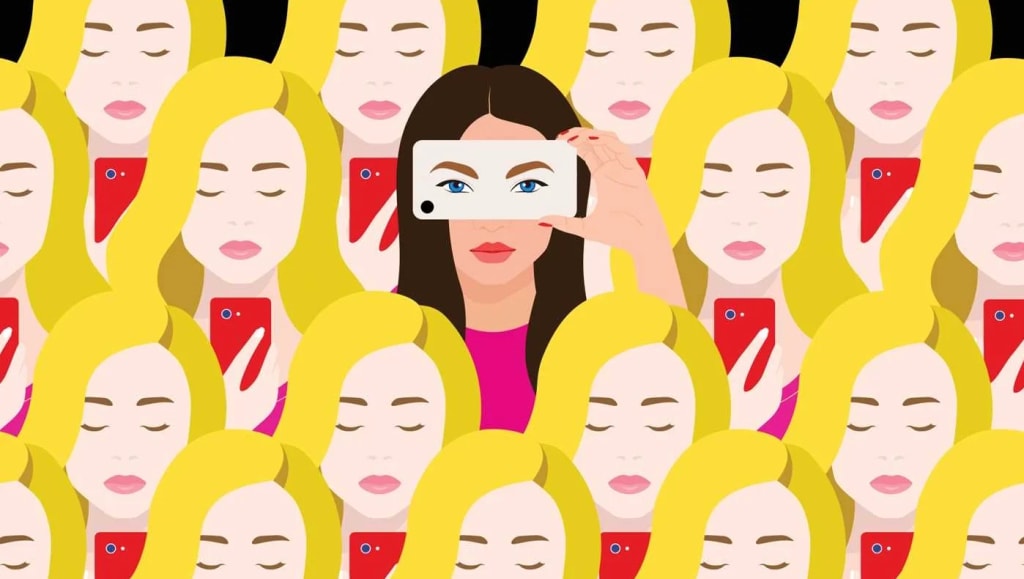
In an era where our lives are increasingly mediated through screens, filters, and carefully curated feeds, Julie Chan Is Dead by Liann Zhang emerges as a razor-sharp dissection of influencer culture, identity theft, and the dark secrets lurking behind perfectly staged social media personas. This debut psychological thriller has been making waves since its April 2025 release, earning comparisons to R.F. Kuang’s Yellowface and securing a spot on Glamour magazine’s “Best Books for Book Clubs in 2025” list. The novel is not merely entertainment but a disturbing mirror held up to our digital age, asking uncomfortable questions about authenticity, privilege, and the price of online fame.
Zhang’s background as a former skincare content creator who amassed over 20,000 followers on Instagram gives her unique insight into the mechanics of influence. Combined with her degree in psychology and criminology from the University of Toronto, she’s perfectly positioned to craft this unhinged yet deeply observant social commentary wrapped in thriller packaging. What begins as a seemingly straightforward identity swap quickly spirals into a gonzo third act that transforms the narrative into something far more sinister: part psychological horror, part cult thriller, and entirely addictive.
Published in April 2025, Julie Chan is Dead is available in hardcover, paperback, ebook, and audiobook formats through major retailers including Amazon, and independent bookshops. The audiobook has received particular praise for its gripping narration that enhances the protagonist’s increasingly unhinged interior monologue.

The twisted premise: when identity theft meets influencer ambition
At the heart of Julie Chan is Dead lies a premise so audacious it forces readers to question their own moral boundaries. Julie Chan, a 24-year-old supermarket cashier barely scraping by at SuperFoods, exists in the shadow of her identical twin sister, Chloe VanHuusen. Chloe is a wildly successful beauty influencer with millions of followers, designer clothes, and a meticulously curated life that generates hundreds of thousands of dollars. The twins were separated at age four after their parents died in a car crash caused by a drunk driver, with a wealthy white couple adopting Chloe whilst Julie was relegated to living with her abusive maternal aunt who treated her as an unwanted burden.
Their only reunion came years later when Chloe orchestrated a viral YouTube video titled “Finding My Long-Lost Twin And Buying Her A House #EMOTIONAL,” which earned Chloe tens of thousands of dollars whilst leaving Julie with a dilapidated house she couldn’t afford to repair and deeper wounds of abandonment. After this performative gesture, Chloe disappeared back into her glamorous existence without so much as a follow-up message, intensifying Julie’s resentment and obsessive consumption of Chloe’s content.
When Julie receives a cryptic, distressing phone call from Chloe with just the words “Mistake, mistake, mistake” followed by two weeks of uncharacteristic social media silence, she travels to New York City to investigate. What she discovers in Chloe’s apartment fundamentally alters both their fates: Chloe’s lifeless body on the kitchen floor. But rather than immediately calling for help, Julie finds herself paralysed, then rationalising, then making increasingly questionable decisions. She “borrows” an emerald ring from the entrance dish. She takes a self-guided tour of the apartment. When her phone dies, she uses Chloe’s device to scroll through social media accounts, discovering the staggering sums her sister earned, including learning that Chloe pocketed the entire payment from their reunion video without compensating Julie for her pain.
When first responders arrive and mistake Julie for Chloe, declaring the deceased woman to be “Julie Chan,” something clicks in our protagonist’s desperate mind. Instead of correcting the error, Julie seizes the opportunity to slip into her sister’s identity with shocking ease. After all, they’re identical twins. Who would know the difference? This calculated decision, born from years of envy, abandonment trauma, and a gnawing sense of having been cheated out of the life she deserved, propels Julie into the glittering, treacherous world of influencer culture.
Zhang’s genius lies in making Julie’s rationale almost comprehensible. Through Julie’s bitter, darkly funny first-person narration, readers are pulled uncomfortably close to every self-serving justification, every mental gymnastic employed to transform theft into fairness. “Julie Chan has nothing. Her twin sister has everything. Except a pulse,” reads the book’s tagline, a perfect encapsulation of the toxic mix of desperation, entitlement, and rage that fuels Julie’s descent.
Behind the filter: Liann Zhang’s biting social commentary on influencer culture
What elevates Julie Chan is Dead beyond a simple thriller premise is Zhang’s incisive social commentary, drawn from her own experiences navigating the influencer ecosystem. During her teenage years, Zhang struggled with cystic acne and began sharing skincare product reviews on Instagram, rapidly accumulating over 20,000 followers. She received PR packages, secured sponsorship deals, attended brand events, and gained entry into exclusive group chats where influencers discussed the industry’s inner workings. This experience left her “taken aback by the sense of entitlement she encountered behind the scenes.”
“It was just crazy to see because you go onto their feed and it would be so curated, so peaceful. They seem so kind,” Zhang revealed in an interview with CBC’s Bookends. “And just one click away in the private messaging, it’s this whole other personality.” This dissonance between public persona and private reality forms the thematic backbone of the novel. Zhang witnessed firsthand how influencer culture operates: the manufactured authenticity, the transactional nature of online relationships, the concentration of privilege among those who can afford to constantly purchase products for review, and the underlying desperation masked by confidence.
The novel doesn’t shy away from examining how social media platforms, controlled by what Zhang calls “big techno feudalistic overlords” like Google and Meta, prioritise data scaling and advertising revenue over genuine human connection. “These platforms are there for entertainment,” Zhang explained, “and there’s a lot you can try to be authentic, but at the end of the day, you can only show so much of yourself online, and anything you do show is something you actively curate for an audience watching. And when you consider an audience, how authentic is it really?”
Through Julie’s journey into Chloe’s world, readers witness the exhausting performance required to maintain an influencer persona. Every photo must be meticulously filtered. Every video carefully staged. Every product placement strategically positioned. Julie initially revels in the novelty of receiving expensive PR packages, filming unboxing videos, earning more from a single Instagram post than she made in a month at SuperFoods. But the glamour quickly reveals its hollow core. The friendships are transactional. The compliments are strategic. The lifestyle is unsustainable without constant content production and audience engagement.
Zhang’s critique extends to the followers themselves, the millions of users who consume influencer content with a parasocial intensity that borders on worship. The novel examines how audiences project idealised versions of themselves onto influencers, creating cult-like dynamics where disappointment inevitably follows when the illusion cracks. This toxic relationship between influencer and follower, between performed identity and authentic self, drives much of the novel’s psychological horror.
Perhaps most pointedly, Julie Chan is Dead interrogates the relationship between privilege and influence. Zhang deliberately structured the twins’ divergent lives to explore how opportunities distribute along class and racial lines. Chloe, adopted by wealthy white parents and raised with the surname VanHuusen, moves through elite spaces with ease. She has the financial resources to constantly purchase new products, the cultural capital to navigate high society, and the racial ambiguity that white audiences find palatable. Julie, meanwhile, raised by a resentful aunt in poverty, never stood a chance at the same trajectory. “It was intriguing to explore how, despite being essentially the same person, their lives diverged so significantly,” Zhang noted. “It raises questions about the extent to which social dynamics and power structures are influenced by individual choices versus external circumstances.”
The novel’s examination of white-washing and internalised racism adds another layer of complexity. Chloe’s success as an Asian influencer is partially predicated on her ability to perform a version of Asian identity that feels exotic yet accessible to white audiences, what Zhang describes as being valued as a “cultural intermediary” whose career hinges on explaining Chinese experiences to white consumers. This tokenisation, this reduction of identity to marketability, haunts the narrative and reflects Zhang’s own anxieties about being pigeonholed as a “diverse author.”


Identity crisis: exploring twinship and authenticity in the digital age
The novel’s exploration of identity operates on multiple intertwined levels: the literal identity swap between twins, the performative identities required by social media, and the deeper question of who we become when we inhabit someone else’s life. Zhang draws on psychological research about twins separated at birth, studies that attempt to parse nature versus nurture, to construct her narrative framework. Julie and Chloe are genetically identical yet shaped into entirely different people by their circumstances, a living experiment in how privilege, or its absence, determines outcomes.
When Julie assumes Chloe’s identity, she expects the transformation to be purely external. Wear the right clothes, use the right skincare products, post the right content. What she doesn’t anticipate is how inhabiting another person’s life begins to erode her sense of self. The constant performance required to maintain the deception, speaking differently, moving through spaces with manufactured confidence, pretending to remember people and events she never experienced, creates a disorienting psychological state. Julie finds herself haunted not just by guilt over Chloe’s death, but by vivid hallucinations of Chloe’s decomposing body, a manifestation of her fragmenting psyche.
+ Read more: The 5 life-changing books everyone must read: A complete guide to transformative literature
The novel interrogates what happens when we shed our authentic selves for curated versions designed for consumption. Every influencer, the book suggests, is engaged in a form of identity theft, stealing from their own genuine personhood to create a marketable persona that audiences will engage with. Chloe wasn’t just an influencer; she was a carefully constructed character played by a woman named Chloe, and when Julie takes on that role, she’s not so much stealing Chloe’s identity as inheriting a performance piece.
Zhang’s background in psychology informs her nuanced portrayal of this identity dissolution. Julie’s descent isn’t sudden but incremental. Small compromises and rationalisations accumulate until she barely recognises herself. The paranoia that grips her, the sense that everyone sees through her disguise, reflects the anxiety inherent in maintaining any false identity, whether the deception is as extreme as Julie’s or as commonplace as the filtered, edited versions of ourselves we present online.
The twinship element adds another dimension to this identity exploration. Twins occupy a unique psychological space, simultaneously distinct individuals and perceived halves of a whole. Julie has spent her entire life being compared to Chloe, living in her shadow, wondering what her life might have been if their circumstances had been reversed. Taking Chloe’s place isn’t just about material gain but about finally experiencing what it feels like to be the chosen one, the successful one, the one who matters. But this substitution can never be complete because Julie brings her own trauma, resentment, and inadequacy into Chloe’s carefully constructed world.
Unhinged and unputdownable: the plot twists and thriller elements
Critics and readers alike describe Julie Chan is Dead as “unhinged,” “wild,” “gonzo,” and “absolutely insane,” praise that speaks to Zhang’s willingness to abandon realism in favour of satirical escalation. The novel’s structure follows a deceptive trajectory: it begins as a relatively grounded (if morally questionable) identity swap thriller, builds tension as Julie navigates Chloe’s world and tries to avoid detection, then abruptly shifts into something altogether more extreme and horrifying.
The pivot point comes when Julie receives an invitation to an exclusive annual retreat hosted by Bella Marie, the reigning queen of the influencer world and leader of a group known as the Belladonnas, elite female influencers whom she mentors. What Julie expects to be a week of luxury on a private island quickly reveals itself as something far more sinister. The Belladonnas aren’t merely a professional network; they operate as a full-fledged cult, complete with disturbing rituals, rigid hierarchies, and worship of a divine entity called Eto.
The cult practises a twisted form of prosperity theology: they believe that making sacrifices to Eto, both metaphorical and, disturbingly, more literal, will be rewarded with fame, success, and continued relevance as influencers. Zhang’s satirical instincts are razor-sharp here, taking the already cult-like devotion many influencers inspire in their followers and literalising it into an actual religious movement. The novel asks: what’s the difference between sacrificing your authenticity, privacy, and mental health for social media success and participating in ritualistic cult practices? Perhaps less than we’d like to believe.
The retreat setting, a remote private island with limited communication to the outside world, amplifies the claustrophobia and danger. Julie, already paranoid about maintaining her cover, now finds herself trapped among women who knew the real Chloe far better than she assumed. The Belladonnas have known all along that Julie isn’t Chloe, yet they’ve allowed the deception to continue for reasons of their own. This revelation, combined with Julie’s discovery that Chloe had been preparing to expose the Belladonnas’ secrets before her death, transforms the narrative into a survival thriller.
In a shocking climax, Julie learns that Bella Marie murdered Chloe by secretly dosing her with drugs that would interact fatally with Chloe’s prescriptions, eliminating the threat of exposure. The confrontation between Julie and Bella Marie escalates into violence. Julie kills Bella with an axe in what she later claims was self-defence. But the horror doesn’t end there. Julie drugs the remaining Belladonnas, liberates a member named Isla who had been imprisoned for questioning the group’s privilege, and sets fire to the compound, killing seven trapped influencers.
This gonzo third act has divided readers. Some find it a thrilling, cathartic escalation that exposes the rot at the heart of influencer culture. Others feel the tonal shift from realistic thriller to horror-inflected massacre strains credulity. Zhang has described Julie as channeling her “frustrations regarding social media into this narrative and letting it unfold freely,” suggesting the extremity is intentional, a satirical crescendo rather than a narrative misstep.
The novel’s final twist compounds the moral complexity: Isla, whom Julie supposedly saved, reports her to authorities, providing testimony that leads to Julie’s arrest for the murders of Bella Marie, the seven Belladonnas, and even Chloe herself. Julie, now infamous rather than merely famous, decides to use her notoriety to control the narrative, leveraging social media to tell “her version of the story” whilst awaiting trial. In a darkly ironic conclusion, Julie has finally achieved the influence and attention she always craved, not through carefully curated content, but through violence, manipulation, and a willingness to burn everything down.
The themes of class, privilege, and internalised racism
Beyond its thriller mechanics and social media satire, Julie Chan is Dead offers substantive commentary on systemic inequality, racial dynamics, and the myth of meritocracy. Zhang structures the twins’ divergent trajectories to interrogate how privilege (financial, social, and racial) determines opportunities and outcomes.
Chloe’s adoption by the affluent VanHuusen family provided her with every advantage: private schools, cultural enrichment, financial security, and a surname that signals white upper-class belonging. These advantages compound over time, creating a foundation for her influencer success. She can afford to constantly purchase new products for review. She possesses the cultural capital to navigate elite spaces comfortably. Her mixed presentation (Asian features paired with white cultural markers) allows her to occupy a commercially appealing middle ground, exotic enough to seem interesting but assimilated enough to avoid threatening white audiences.
Julie, raised in poverty by a resentful aunt, never had access to these resources. Her childhood was marked by neglect, verbal abuse, and financial precarity. When Chloe bought her the dilapidated house as a publicity stunt, she didn’t provide funds for repairs or ongoing expenses, leaving Julie with a property she couldn’t afford to maintain, a perfect metaphor for performative generosity that creates more problems than it solves. The novel exposes how privilege masquerades as merit, how those born into advantage attribute their success to personal qualities rather than structural advantages.
Zhang also examines internalised racism and the complex relationship Asian individuals have with white supremacy systems. Chloe’s success requires her to perform a specific, palatable version of Asian identity, one that educates white audiences about Chinese history and culture in accessible, non-threatening ways. She becomes, as Zhang describes through the character of Athena in Yellowface parallels, “the token Asian author, valued for her role as a cultural intermediary.” This tokenisation is both opportunity and trap. It provides access and platform but reduces complex identity to marketable stereotype.
Julie’s adoption of Chloe’s identity involves not just assuming her sister’s social media accounts but also her racial positioning within influencer culture. The novel interrogates how race intersects with authenticity debates. Is Julie being more or less authentic when she performs Chloe’s version of Asian American identity? The question has no simple answer, which is precisely Zhang’s point. Authenticity itself is a construct, shaped by audience expectations, market demands, and systemic power structures.
The Belladonnas’ cult-like organisation further literalises these privilege dynamics. Their rituals and hierarchies mirror the exclusivity of elite social circles, where access depends on wealth, connections, and a willingness to conform to unspoken rules. The group’s treatment of Isla (ostracising and imprisoning her for criticising their privilege) demonstrates how those benefiting from systemic advantages punish anyone who names the inequality. The novel suggests that influencer culture, with its appearance of democratic accessibility (anyone can be famous!), actually reinforces existing hierarchies whilst gaslighting those who point out the disparities.
Julie Chan is Dead vs Yellowface: comparisons to the influencer thriller subgenre
Julie Chan is Dead has been repeatedly compared to R.F. Kuang’s 2023 satirical thriller Yellowface, and for good reason. Both novels feature protagonists who assume another’s identity, both interrogate racism and tokenisation in creative industries, and both employ dark comedy to skewer their respective milieus. However, whilst Yellowface focuses on the publishing industry and literary community, Zhang’s novel targets the newer, equally toxic ecosystem of influencer culture.
Where Yellowface examines how white author June Hayward steals her Asian friend Athena’s manuscript and succeeds by exploiting the publishing industry’s complicated relationship with diversity initiatives, Julie Chan is Dead explores how an Asian woman steals another Asian woman’s meticulously constructed persona and discovers that success in influencer culture requires different forms of exploitation. Both novels feature deeply flawed, unlikeable protagonists whose justifications for their actions reveal uncomfortable truths about their industries.
Kuang’s Yellowface has been praised as “the most granular critique of commercial publishing I’ve encountered in fiction,” offering insider perspectives on agents, editors, publicity teams, and the machinery of literary success. Zhang’s novel provides similar insider access to influencer culture: the PR packages, sponsorship negotiations, AdSense revenues, exclusive group chats, and the exhausting labour of content creation that appears effortless online.
Both novels also grapple with authenticity in creative work. Yellowface asks who has the right to tell certain stories and whether cultural appropriation can ever be justified. Julie Chan is Dead poses parallel questions about performed identity. If influencer authenticity is already a constructed performance, what makes Julie’s impersonation more fraudulent than Chloe’s original self-presentation? The novels share a satirical sensibility that makes readers laugh uncomfortably whilst recognising painful truths about creative industries, racial dynamics, and the price of success.
Zhang has acknowledged her “love-hate relationship with the internet and with influencers,” describing social media as entertainment rather than authentic connection, treating influencers “as kind of a new age reality TV show.” This perspective mirrors Kuang’s conflicted relationship with publishing, simultaneously benefiting from the industry’s mechanisms whilst critiquing its inequities. Both authors write from insider positions, which gives their satire bite and specificity that outsider critiques lack.
The comparison has proven beneficial for Julie Chan is Dead’s reception. Readers who devoured Yellowface have been eagerly seeking similar satirical thrillers that expose creative industries’ hypocrisies. Zhang’s debut has filled that niche whilst carving out its own identity through its influencer-focused lens, horror elements, and willingness to escalate into extreme violence.
For readers wondering whether to choose Julie Chan is Dead or Yellowface, both novels offer sharp social commentary and thrilling narratives, but they approach their subject matter differently. Yellowface provides a more grounded, realistic examination of publishing industry racism, whilst Julie Chan is Dead leans into horror and extreme satire. Those who loved Yellowface’s dark humour will likely appreciate Zhang’s debut, though they should prepare for a wilder, more unhinged reading experience.

Critical reception: praise and controversy
Since its April 2025 release, Julie Chan is Dead has generated significant buzz, earning largely positive reviews whilst sparking debates about its tonal shifts and moral ambiguity. Publishers Weekly called it “a witty and insightful thriller about the pitfalls of influencer culture.” Glamour magazine included it in their “Best Books for Book Clubs in 2025,” recognising its discussion-worthy themes. Readers on NetGalley described it as “unputdownable,” “outrageously fun,” “dark and weird,” and “deliciously unhinged.”
Critics particularly praise Zhang’s sharp prose, dark humour, and insider knowledge of influencer mechanics. The Harvard Crimson noted that “Zhang beautifully details the inner turmoil within Julie as she grapples with all the outrageous challenges this new life throws at her. Zhang’s affective prose perfectly captures Julie’s resentment towards her aunt, supermarket boss, and sister with such raw honesty that Julie’s decision to step into Chloe’s shoes seem almost forgivable.” The novel’s biting social commentary on white-washing, privilege, and internalised racism has been highlighted as one of its strongest elements.
However, the novel’s gonzo third act has proven divisive. The Harvard Crimson review acknowledged this tonal challenge: “While Zhang does an exemplary job bringing Julie’s character to life in the beginning half, the novel starts to unravel in its third act. The stark contrast between the real world in New York City and Bella Marie’s private island, where the Belladonnas’ annual trip takes place, almost feels like reading two disjointed novels.” Some readers feel the shift from realistic influencer satire to cult horror strains narrative cohesion, whilst others argue this escalation is precisely the point, a satirical amplification of influencer culture’s already cult-like dynamics.
Julie as a protagonist has also generated mixed reactions. Zhang deliberately crafted her as unlikeable: petty, bitter, self-serving, and increasingly unhinged. Many readers appreciate this choice, seeing it as a refreshing departure from the expectation that protagonists must be sympathetic. As one NetGalley reviewer noted: “Julie is not designed to be likeable, and I found that to be one of the novel’s most brilliant aspects. It challenges the traditional notion of what makes an engaging protagonist.” Others struggle to remain invested in a character whose moral degradation is so complete.
The novel’s ending, with Julie arrested and using her infamy to control the narrative via social media, has sparked ethical discussions. Some readers found themselves initially sympathising with Julie, even experiencing anger at Isla for reporting her, before catching themselves and recognising how thoroughly Zhang had manipulated their moral compass. This discomfort is intentional. The novel forces readers to examine their own relationship with influencer culture, parasocial relationships, and the stories we tell ourselves about deserving privilege we haven’t earned.
Zhang’s debut has been called “a contemporary horror-comedy for our times” and “a sharp reminder of the risks of chasing digital fame.” Its success suggests appetite for satirical thrillers that interrogate modern phenomena (influencer culture, social media toxicity, performative identity) with the same scrutiny traditionally applied to more established institutions like publishing or academia.

Julie Chan is Dead ending explained: what happens to Julie?
One of the most searched questions about Julie Chan is Dead concerns its ending. Without revealing every detail for those who haven’t read it yet, the conclusion deliberately subverts traditional thriller resolutions. Rather than facing immediate consequences for her identity theft, Julie’s crimes escalate throughout the novel until she’s finally arrested not just for impersonating Chloe, but for multiple murders.
The ending forces readers to confront their own complicity in influencer culture. Julie, having spent the entire novel justifying her increasingly heinous actions, ends the story by using her newfound notoriety to craft a social media narrative that positions her as victim rather than perpetrator. She’s finally achieved the fame she always wanted, but through violence and manipulation rather than the carefully curated content that made Chloe successful.
Zhang’s choice to have Isla, the woman Julie supposedly saved from the Belladonnas, be the one who reports her adds another layer of moral complexity. It challenges readers who may have been rooting for Julie despite her terrible actions, forcing them to recognise that saving someone doesn’t absolve you of murdering seven other people. The ending refuses to provide easy answers or redemption, instead leaving Julie in a state of arrested development (literally and figuratively) where she continues to perform for an audience even from behind bars.
FAQ: Frequently Asked Questions about Julie Chan is Dead
Q: Is Julie Chan is Dead worth reading?
A: For readers who enjoy dark, satirical thrillers with biting social commentary, Julie Chan is Dead is absolutely worth reading. The novel offers a unique insider perspective on influencer culture, drawn from Zhang’s own experiences as a content creator. However, it’s important to note that the book takes a sharp tonal turn in its final third, shifting from grounded thriller to more extreme horror-inflected satire. If you loved Yellowface or The Other Black Girl and don’t mind morally compromised protagonists, this book will likely appeal to you.
Q: How does Julie Chan is Dead compare to Yellowface?
A: Both novels feature identity theft at their core and interrogate racism in creative industries through dark satirical lenses. However, Yellowface focuses on the publishing industry and remains more grounded in realism throughout, whilst Julie Chan is Dead examines influencer culture and escalates into extreme, almost absurdist violence. Yellowface follows a white woman stealing an Asian woman’s work, whereas Julie Chan is Dead explores how an Asian woman steals another Asian woman’s identity. Both are excellent, but Zhang’s debut is wilder and more unhinged in its approach.
Q: What is Julie Chan is Dead about?
A: Julie Chan is Dead follows Julie Chan, a struggling supermarket cashier who discovers her wealthy influencer twin sister Chloe dead in her New York apartment. When first responders mistake Julie for Chloe, Julie seizes the opportunity to assume her sister’s identity and luxurious lifestyle. What begins as a seemingly straightforward identity swap thriller transforms into a dark exploration of influencer culture, privilege, class inequality, and the extreme lengths people will go to achieve fame and success.
Q: Does Julie Chan is Dead have plot twists?
A: Yes, the novel contains several significant plot twists, particularly in its third act. The most dramatic shift occurs when Julie attends an exclusive influencer retreat that reveals itself to be something far more sinister than expected. The ending also contains revelations about Chloe’s death and Julie’s ultimate fate that challenge readers’ assumptions about the characters and their motivations. The book’s willingness to escalate into increasingly extreme territory functions as an ongoing series of tonal and narrative surprises.
Q: Is Julie Chan is Dead part of a series?
A: No, Julie Chan is Dead is a standalone novel. As Liann Zhang’s debut, the book tells a complete story with a definitive (if morally complex) ending. There are currently no announced plans for a sequel, and the novel’s conclusion, whilst open to interpretation in some ways, wraps up Julie’s arc in a manner that doesn’t require continuation. Zhang may write more books set in similar thematic territory, but this particular story is self-contained.
Q: Where can I buy Julie Chan is Dead?
A: Julie Chan is Dead is available in multiple formats through major retailers. You can purchase the hardcover, paperback, or ebook through Amazon, independent bookshops, and other booksellers. The audiobook is available through Audible, and other audiobook platforms. The book was published in April 2025 and has been widely available since its release date.
Should you read Julie Chan is Dead? Final verdict
Julie Chan is Dead by Liann Zhang is not a comfortable read, nor is it meant to be. This is a novel that revels in discomfort, forcing readers to examine their own consumption of influencer content, their judgements about who deserves success, and their willingness to excuse terrible behaviour when committed by someone they’ve been positioned to root for. It’s a book that starts as one thing (a seemingly straightforward identity swap thriller) and transforms into something altogether more unhinged, violent, and satirically extreme.
Zhang’s insider perspective on influencer culture provides authenticity to the novel’s dissection of social media dynamics, PR relationships, content creation labour, and the concentration of privilege within supposedly democratic platforms. Her academic background in psychology and criminology informs the novel’s nuanced portrayal of identity dissolution, trauma responses, and the rationalisation mechanisms people employ to justify increasingly egregious actions. The result is a debut thriller that functions simultaneously as page-turning entertainment and social commentary.
The novel excels in its first two acts, where Zhang’s sharp wit and observational precision create a compelling portrait of Julie’s descent into Chloe’s world. The prose is brisk and engaging, the dark humour lands consistently, and the social critique cuts deep without becoming didactic. The gonzo third act will either thrill or alienate depending on your tolerance for tonal shifts and extreme escalation, but it’s undeniably memorable and discussion-worthy.
Julie Chan is Dead works best for readers who enjoy satirical thrillers with bite and social commentary (think Yellowface, The Other Black Girl, Disorientation), are interested in critical examinations of influencer culture and social media’s psychological impacts, appreciate unlikeable, morally compromised protagonists, don’t mind tonal shifts from realism to heightened, almost absurdist extremity, and want to engage with questions about identity, authenticity, privilege, and performance in the digital age.
The novel may frustrate readers seeking traditional thriller structure, consistent realism, or protagonists they can sympathise with throughout. But for those willing to embrace its provocative premise, dark humour, and willingness to follow its satirical impulses to their logical (or illogical) extremes, Julie Chan is Dead offers a wild, thought-provoking ride through the looking glass of influencer culture.
Zhang has crafted a debut that announces her as a voice worth watching, someone willing to take creative risks, interrogate uncomfortable truths about modern life, and push genre boundaries in service of her satirical vision. The novel may be unhinged, but that’s precisely its strength. In a world where influencer culture increasingly shapes our social fabric, consumer behaviour, and sense of self, perhaps an unhinged response is the only honest one.
Whether you emerge from Julie Chan is Dead disturbed, exhilarated, or somewhere in between, you won’t forget it. And in our current moment of endless content consumption and rapidly moving discourse, staying with readers beyond the final page is perhaps the greatest achievement of all. Zhang’s debut doesn’t just comment on our attention economy but demands and rewards our attention whilst holding up an unflattering mirror to the very consumption patterns that made us pick up the book in the first place. For that alone, it deserves your time.
The novel forces a reckoning with the question at its heart: in an age of performed identity and manufactured authenticity, who really owns a life? The person living it or the person consuming its curated representation? Julie Chan is Dead doesn’t provide easy answers, but it ensures you’ll never scroll through Instagram the same way again. And perhaps that’s precisely the point.


