
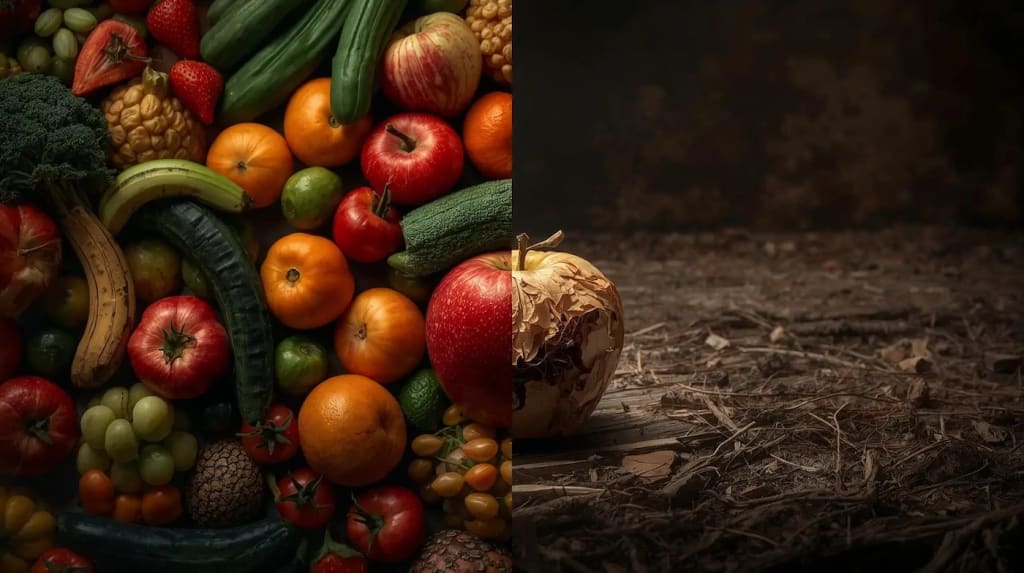
In a world where we produce enough food to feed 10 billion people, yet 735 million still go to bed hungry, something has gone fundamentally wrong. The transformation of food from a basic human necessity into a tradable commodity has created one of the most perverse paradoxes of our time. When wheat futures are traded like stocks in Chicago boardrooms and food speculation drives prices beyond the reach of those who need it most, we’ve lost sight of a fundamental truth: food as a human right is not negotiable.
The numbers from 2023-2024 tell a stark story. Food inflation hit 30% in low-income countries, with some staples seeing price increases exceeding 50%. In the United States, food prices rose 25% between 2020 and 2024. European households saw their grocery bills surge by similar margins, while in countries like Egypt and Pakistan, wheat prices more than doubled. These aren’t just statistics; they represent millions of families forced to choose between feeding their children and paying rent, between buying medicine and buying bread.
This isn’t just about charity or good intentions. It’s about recognizing that access to adequate, nutritious food is enshrined in international law as a fundamental human right. Yet across the globe, from food deserts in Detroit to speculation-driven price spikes in Mali, from the favelas of São Paulo to the housing estates of Manchester, we’re witnessing the devastating consequences of treating sustenance as just another financial instrument. The time has come to examine how this commodification creates nutritional apartheid, fuels chronic disease, and what we can do to reclaim food’s rightful place as the foundation of human dignity.

Key takeaways: Understanding the food crisis
Before diving deep into this complex issue, here are the essential points you need to know:
The crisis in numbers:
- 735 million people face chronic hunger despite global food abundance
- Food inflation reached 30% in low-income countries during 2023-2024
- 2.6 billion people cannot afford a healthy diet
- Ultra-processed foods now comprise 56% of calories in many developed nations
- Healthy foods cost more than double unhealthy alternatives per calorie
The root causes:
- Food speculation by financial institutions drives artificial price increases
- Commodification transforms essential crops into tradable financial assets
- Geographic inequality creates food deserts and food swamps in low-income areas
- Rising production costs and climate disruption compound accessibility issues
What can be done:
- Fiscal policies that tax unhealthy foods and subsidize healthy options
- Public procurement supporting local farmers and sustainable agriculture
- Regulation of food speculation and commodity trading
- Investment in community food systems and food sovereignty movements
The legal foundation: Food as a human right under international law
The food as a human right framework isn’t some utopian dream. It’s established international law with clear obligations for governments worldwide. Article 25 of the Universal Declaration of Human Rights recognizes food as part of an adequate standard of living, while Article 11 of the International Covenant on Economic, Social and Cultural Rights explicitly acknowledges both “the right to adequate food” and “the fundamental right of everyone to be free from hunger.”
But here’s what makes this more than legal paperwork: these aren’t passive rights waiting for government handouts. The UN Committee on Economic, Social and Cultural Rights defines the right to food as being realized “when every man, woman and child, alone or in community with others, have the physical and economic access at all times to adequate food or means for its procurement.” Notice that crucial phrase: “means for its procurement.” This recognizes that dignity comes not from dependency, but from having the economic power to feed yourself and your family.
The four pillars of food security
The framework rests on four pillars that reveal just how far we’ve strayed from this vision:
Availability: Enough food exists in the system. Global production currently exceeds what would be needed to feed everyone adequately. The world produces approximately 2,900 calories per person per day, far above the average human requirement of 2,000 to 2,500 calories.
Accessibility: Both physical and economic access to food. This is where the system catastrophically fails. When nearly 2.6 billion people can’t afford a healthy diet despite global food surpluses, we’re failing spectacularly on accessibility. The 2024 food price crisis pushed an additional 122 million people into this category.
Adequacy: Food must be nutritionally complete and culturally appropriate. When ultra-processed foods dominate the shelves of corner shops in low-income areas while fresh produce remains prohibitively expensive, we’re failing on both adequacy and accessibility. A diet of cheap calories that creates malnutrition and chronic disease violates this principle entirely.
Sustainability: Food production and access must not compromise future generations’ ability to feed themselves. Current industrial agriculture practices, food waste (one-third of all food produced), and climate change all threaten this pillar.
Jean Ziegler, former UN Special Rapporteur on the Right to Food, doesn’t mince words: in a world of abundance, allowing people to starve amounts to murder. It’s a harsh assessment, but when you consider that food speculation can drive up prices by 30% or more during crises, disconnected entirely from actual supply and demand, his anger becomes understandable. When financial instruments determine who eats and who goes hungry, we’ve crossed a moral line that no civilized society should tolerate.
The great transformation: How food became a financial instrument and the 2024 food price crisis
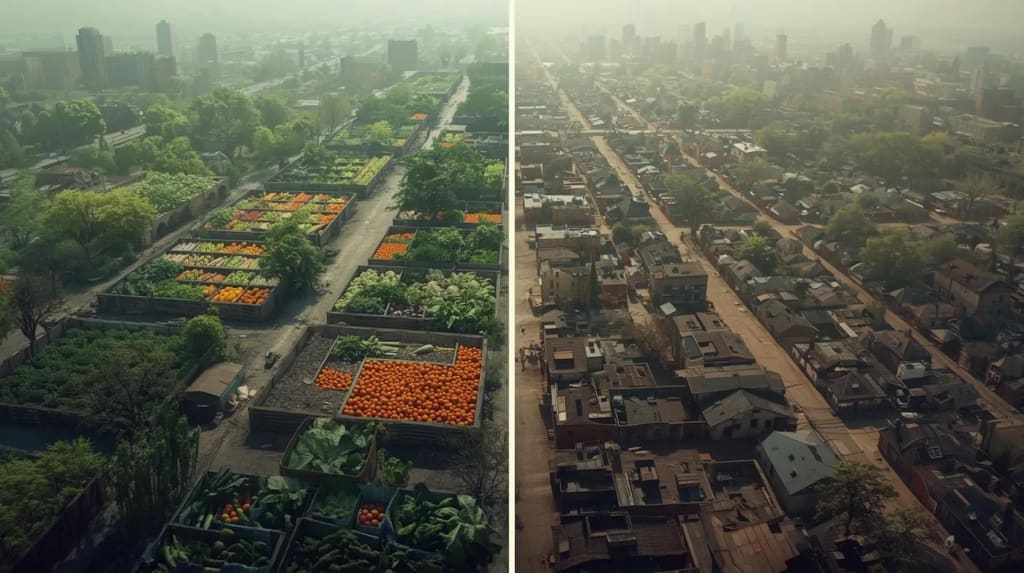
The commodification of food represents one of the most profound shifts in human economic history, yet it’s happened so gradually that we barely noticed until the consequences became undeniable. Food commodification occurs when essential crops (wheat, maize, soybeans, rice) are stripped of their fundamental role as sustenance and repackaged as financial assets to be bought, sold, and speculated upon by traders who may never have seen a farm, let alone experienced hunger.
This transformation accelerated dramatically after 2000, when the U.S. Commodities Futures Modernization Act opened agricultural markets to unprecedented financial speculation. Suddenly, investment in food commodities soared from $65 billion to $126 billion between 2007 and 2012, as pension funds, hedge funds, and investment banks piled into markets once dominated by actual farmers and food companies. By 2010, financial institutions controlled 61% of wheat futures trading. Today, that figure has only grown.
The mechanics of food speculation and rising food prices
The mechanics are both simple and devastating. When financial speculators bet on rising food prices, they create artificial demand that drives up costs regardless of actual supply conditions. During the 2021-2023 food price crisis, up to 80% of wheat purchases qualified as speculative, primarily carried out by investment funds and banks rather than food companies or governments. The result? Food inflation that peaked at 30% in low-income countries while global grain stores remained adequate.
The 2024 food crisis illustrated this perfectly. When Russia’s invasion of Ukraine disrupted grain exports, legitimate concerns about supply created a foundation for speculation. But research shows that the actual supply disruption accounted for only 40-50% of the subsequent price increases. The remainder came from speculative activity that amplified the crisis. Wheat prices rose 60% above what supply and demand fundamentals would predict. Investment banks made billions while families in Yemen, Somalia, and Afghanistan faced starvation.
What makes this particularly insidious is that food speculation can create scarcity without actual shortages. Unlike other commodities, food demand is inelastic. People need to eat regardless of price. When speculators drive up costs, the poor simply go hungry while the wealthy barely notice. This isn’t market efficiency; it’s a system that profits from desperation.
Regional impacts: How food commodification plays out globally
The impact varies by region but follows disturbing patterns:
United States: Food price inflation hit 11.4% in 2022, the highest in 40 years. By 2024, the average American family spent $1,080 more annually on groceries than in 2020. For households earning under $50,000, this represents a devastating budget crisis. SNAP benefits (food stamps) haven’t kept pace, leaving 42 million Americans food insecure.
Europe: The European Union saw food inflation reach 19% in 2023. Countries like Estonia, Lithuania, and Hungary experienced increases exceeding 25%. Energy costs compounded the crisis, as European food production relies heavily on natural gas for fertilizer production. Low-income households in the UK now spend 45% of disposable income on food to maintain the recommended healthy diet.
Africa and Middle East: The crisis hit hardest here. Egypt, which imports 80% of its wheat, saw bread prices triple. In Somalia and South Sudan, food price increases directly correlated with famine conditions. Lebanon’s economic collapse meant basic staples became unaffordable for 80% of the population. The World Food Programme estimated that food affordability crises pushed 345 million people into acute food insecurity across these regions.
Latin America: Argentina experienced food inflation of 95% in 2023. Brazil, despite being a major food exporter, saw 33 million people facing hunger by 2024. The commodification logic means countries export valuable crops while their own populations go hungry. Coffee, soybeans, and beef flow to international markets while local communities struggle to afford basic nutrition.
Research consistently shows that speculation contributes to price volatility that far exceeds what supply and demand fundamentals would predict. During the 2008 food crisis, speculative activity was identified as a key accelerating factor, amplifying price increases beyond what droughts, biofuel demand, or other real factors could explain. The pattern repeated during the Ukraine invasion, when food speculation compounded the genuine supply disruptions with additional price spikes that pushed millions more into food insecurity.
Nutritional apartheid: The geography of food inequality and food deserts
The commodification of food doesn’t just create abstract market distortions. It generates real, geographic patterns of nutritional inequality that amount to what can only be called nutritional apartheid. This isn’t hyperbole; it’s an accurate description of how food access varies dramatically based on income and location, creating systematic exclusion from healthy nutrition that mirrors historical patterns of segregation.
Mapping food deserts across developed nations
In the UK alone, approximately 1.2 million people live in food deserts: areas where accessing affordable, fresh, nutritious food requires significant time, money, or transportation that many simply don’t have. These aren’t random distributions. Food deserts cluster in areas of high deprivation: post-industrial towns, council estates, and urban areas abandoned by major supermarket chains. Meanwhile, food swamps (areas saturated with fast-food outlets and convenience stores selling ultra-processed foods) become the dominant food landscape for millions.
The United States faces an even larger crisis. The USDA identifies 19 million Americans living in food deserts, defined as urban areas where at least 33% of the population lives more than one mile from a supermarket, or rural areas where that distance extends to 10 miles. These areas overlap almost perfectly with maps of poverty and racial segregation. In Detroit, entire neighborhoods have no grocery stores. Residents rely on gas stations and corner stores where a bag of chips costs less than an apple, and fresh vegetables simply aren’t available.
European cities face similar patterns. In Paris, the banlieues (suburban housing projects) have limited access to fresh food markets that thrive in wealthier arrondissements. Berlin’s food access divides along former East-West lines. In Barcelona, immigrant neighborhoods have half the number of fresh food retailers compared to affluent areas. The European Commission estimates that 36 million people in the EU face moderate to severe food insecurity, with geographic concentration in Southern and Eastern Europe.
The statistics of nutritional inequality
The statistics are staggering and shameful. In one area of Northwest England, there are 230 fast-food outlets per 100,000 people, compared to a national average of 96. Children in the most deprived areas are nearly twice as likely to be living with obesity as those in the least deprived areas by their first year of school. By the time they leave primary school, 23% of children in the most deprived areas have experienced tooth decay in their adult teeth, compared to just 10% in the least deprived areas.
+ Read more: The paradox on the plate: How the childhood obesity industry feeds profit and poor health
This isn’t just correlation; it’s causation driven by economic reality. The most deprived fifth of the UK population would need to spend 45% of their disposable income to afford the government’s recommended healthy diet, rising to 70% for families with children. When a kilogram of broccoli costs more than several packets of instant noodles, the choice isn’t really a choice at all.
The price differential has been getting worse, not better. Over the past two years, healthy foods increased in price by 21% while unhealthy options rose by just 11%. This means that healthy foods now cost more than double what less healthy alternatives cost per calorie: £8.80 per 1,000 calories for nutritious options versus £4.30 for processed alternatives. For families already struggling with energy bills, housing costs, and stagnant wages, these price differentials make healthy eating a luxury they simply cannot afford.

Health consequences map to economic geography
The health consequences are predictable and devastating. Ultra-processed foods now make up 56% of calories consumed by older children and adults in the UK. In the United States, that figure reaches 60% for many demographics. Research consistently links these foods to increased risk of obesity, type 2 diabetes, cardiovascular disease, and even depression. When you map these health outcomes, they follow exactly the same geographic patterns as food deserts and deprivation.
In the American South, where food deserts are particularly prevalent, diabetes rates are 40% higher than the national average. Life expectancy in food desert neighborhoods in Baltimore is 20 years lower than in affluent areas just miles away. The correlation isn’t subtle; it’s a direct line from economic policy to food access to health outcomes to mortality.
The ultra-processed trap: When cheap food becomes expensive medicine
The rise of ultra-processed foods represents perhaps the most insidious aspect of food commodification. These aren’t just “processed” foods. They’re industrial formulations designed for maximum shelf-life, convenience, and profitability rather than nutrition. Think ready meals, breakfast cereals, sugary drinks, packaged snacks, and the vast majority of foods that require ingredient lists rather than growing seasons.
What makes ultra-processed foods different
The NOVA classification system, developed by Brazilian researchers, defines ultra-processed foods as industrial formulations typically containing five or more ingredients, including substances not used in culinary preparations. These products contain emulsifiers, thickeners, artificial flavors, colors, sweeteners, and other additives designed to make them hyper-palatable and shelf-stable. A typical ultra-processed breakfast cereal might contain 15-20 ingredients, none of which you’d find in a home kitchen.
The key insight is that these foods are engineered to be addictive. Food companies employ “craving optimization” techniques, using combinations of sugar, salt, and fat that activate brain reward systems similar to addictive drugs. Internal industry documents reveal deliberate strategies to create “heavy users” of their products. One major snack food company’s internal memo from 1999 explicitly discussed engineering products to bypass satiety signals, keeping consumers eating beyond nutritional need.
Targeting vulnerable populations
The targeting of these products reveals the systematic nature of nutritional apartheid. Ultra-processed foods are aggressively marketed in low-income areas precisely because they offer the highest profit margins while requiring the least investment in supply chain infrastructure. A corner shop can stock shelves with products that won’t spoil for months, require no refrigeration, and deliver immediate hunger satisfaction through engineered combinations of sugar, salt, and fat.
Marketing budgets for ultra-processed foods dwarf those for fresh produce. In 2023, the food industry spent $14 billion on advertising in the United States alone, with the vast majority promoting ultra-processed products. Children in low-income neighborhoods see an average of 13 food ads per hour during after-school television programming, compared to 7 ads in affluent areas. The products advertised? Sugary cereals, chips, candy, and fast food. Not once did these hours of programming feature ads for apples, broccoli, or beans.
The feedback loop of food insecurity and ultra-processed consumption
Research from multiple countries shows that food insecurity actually drives ultra-processed food consumption, creating a devastating feedback loop. In the US, adults experiencing very low food security consumed 55.7% of their calories from ultra-processed foods, compared to 52.6% for those with high food security. The stress of food insecurity itself alters brain chemistry, making people more vulnerable to the addictive properties of ultra-processed foods that activate neural reward pathways similar to drugs of abuse.
Brazilian research shows that households experiencing food insecurity are 30% more likely to rely on ultra-processed foods, even when caloric availability is similar. The psychological stress of not knowing where the next meal will come from makes the immediate gratification of hyper-palatable foods more compelling. This creates a vicious cycle: economic hardship drives ultra-processed food consumption, which leads to health problems, which increase medical costs and reduce earning capacity, which intensifies food insecurity.
The health impacts: From convincing evidence to crisis
The health impacts are unambiguous. A comprehensive umbrella review of meta-analyses published in the BMJ found “convincing evidence” linking ultra-processed food consumption to increased risk of cardiovascular disease, type 2 diabetes, anxiety, depression, and overall mortality. The dose-response relationship is clear: the more ultra-processed foods someone eats, the higher their disease risk.
Specific findings include:
A 10% increase in ultra-processed food consumption correlates with a 12% increased risk of cardiovascular disease and an 11% increased risk of depression. High consumption (above 4 servings daily) associates with a 32% increased risk of type 2 diabetes. Ultra-processed food intake correlates with 62% higher risk of death from cardiovascular disease and 22% higher risk of all-cause mortality.
Recent 2024 research added cancer to the list. A study following 200,000 people for 28 years found that high ultra-processed food consumption increased colorectal cancer risk by 30% in men. The mechanisms involve chronic inflammation, gut microbiome disruption, and exposure to carcinogenic compounds formed during industrial processing.
The cruel irony: Cheap food, expensive healthcare
But here’s the cruel irony: while ultra-processed foods appear cheaper upfront, they create enormous downstream costs in healthcare, lost productivity, and reduced quality of life. The NHS spends billions treating diet-related diseases that are largely preventable through access to nutritious food. In 2023, the UK spent £6.1 billion directly on treating obesity and related conditions, with total costs (including lost productivity) estimated at £27 billion annually.
The United States faces an even starker crisis. Diet-related diseases cost the American healthcare system $1.72 trillion annually. That’s 9.3% of GDP spent treating conditions that are largely preventable through proper nutrition. Type 2 diabetes alone costs $327 billion per year, with 90% of cases linked to diet and lifestyle factors influenced by food access.
We’re essentially subsidizing a food system that makes people sick, then paying again to treat the diseases it creates. This represents a catastrophic market failure where profits are privatized (food companies and their shareholders benefit) while costs are socialized (taxpayers fund healthcare, disability, and lost productivity).
Breaking the cycle: Policy solutions that work for food system reform
Despite the scale of these challenges, we’re not powerless. Around the world, governments are implementing policies that prove it’s possible to make healthy food more accessible while reducing consumption of harmful ultra-processed products. The evidence base is robust, and the early results are encouraging. What we need now isn’t more pilot programs; it’s the political will to scale proven solutions.
Fiscal policy: Making the healthy choice the easy choice
The World Health Organization now explicitly recommends combining taxes on unhealthy foods with subsidies for healthy options. Research consistently shows that even modest price changes drive significant behavioral shifts: a 10% decrease in healthy food prices increases purchases by 12%, while a 10% increase in unhealthy food prices decreases consumption by 6%. The effects are particularly strong for low-income households, who are most price-sensitive.
Sugar-sweetened beverage taxes
Several countries have successfully implemented sugar-sweetened beverage taxes, with measurable health impacts:
Mexico introduced a 10% tax on sugary drinks in 2014. Within two years, purchases decreased by 7.6% overall, with low-income households showing 11.7% reduction. By 2024, studies showed sustained behavioral change, with a 3% decrease in obesity rates among children in the most responsive population groups.
Chile implemented a comprehensive approach in 2014, combining higher taxes on sugary drinks (up to 18% for high-sugar beverages) with front-of-package warning labels and marketing restrictions. The results were dramatic: purchases of high-sugar beverages dropped 25% within three years. When combined with warning labels, unhealthy food purchases decreased by up to 25% across multiple categories.
+ Read more: Hidden sugar dangers: The sweet enemy lurking in your daily diet
UK introduced a two-tiered Soft Drinks Industry Levy in 2018. The clever design incentivized reformulation: drinks with more than 8g sugar per 100ml faced the highest tax, while those between 5-8g faced a lower rate. The result? Before the tax even took effect, manufacturers reformulated products. The proportion of high-sugar drinks fell from 49% to 15% of the market. Sugar consumption from soft drinks dropped 30g per household per week.
Healthy food subsidies
On the subsidy side, pilot programs providing vouchers for fruits and vegetables show consistent positive results:
US Supplemental Nutrition Assistance Program (SNAP) incentives: Programs like “Double Up Food Bucks” match SNAP dollars spent on fruits and vegetables. Participants increase produce purchases by 26% and consumption by one additional serving per day. Children in participating households consume 25% more fruits and vegetables.
Australia: Modeling suggests that a 20% subsidy on fresh produce would boost purchasing by up to 20% while improving health equity. The Australian government is piloting targeted programs in Indigenous communities, where food insecurity rates are highest.
France: The “Fruits et Légumes à l’École” program provides free or subsidized fresh produce to 5 million schoolchildren. Evaluation shows increased fruit and vegetable consumption extending beyond school into home eating patterns.
The key insight from global research: subsidies are actually more effective than taxes at changing dietary behavior, particularly among low-income populations who are most price-sensitive. A 10% subsidy on fruits and vegetables generates more health benefit per dollar spent than equivalent taxation on unhealthy foods. The political challenge is that subsidies require upfront government spending, while taxes generate revenue, making the latter more politically palatable despite being less effective.
Public procurement: Transforming institutional food systems
Some of the most successful interventions have focused on institutional food procurement: schools, hospitals, government offices, and other public settings where millions of meals are served daily. These programs can transform local food systems while guaranteeing markets for healthy, local produce.
School feeding programs
The World Food Programme’s home-grown school feeding programs demonstrate the potential scale of impact:
Cambodia: The program reaches 500,000 children in 17 provinces, sourcing food from 15,000 smallholder farmers. Results show improved children’s health, increased school attendance (up 6%), enhanced academic performance (test scores up 8%), and doubled incomes for participating farmers. The program creates a virtuous cycle: government money supports local farmers, who produce nutritious food, which improves child development, which strengthens future economic productivity.
Brazil’s National School Feeding Programme: This policy requires that 30% of school meal budgets be spent on food from local family farms. The program feeds 43 million children daily (every public school student) while supporting 130,000 family farms. It’s the world’s largest school feeding program and a perfect example of how food policy can simultaneously address nutrition, sustainability, and social justice. The program costs $1.5 billion annually but generates estimated returns of $4 billion in health and educational benefits.
United States: The Farm to School program now operates in 43% of American school districts, connecting 42 million students to local food. Schools report 71% improvement in student fruit and vegetable consumption. Local farmers see reliable markets for their produce. One study found that every dollar spent on local food for schools generates $2.16 in local economic activity.
Sustainable public procurement in Europe
Sweden: The country committed to making 25% of public sector food purchases organic by 2010 and achieved 32% by 2024. This single policy decision drove dramatic expansion of organic farming nationwide, from 3% of agricultural land in 2000 to 20% in 2024. Government procurement created guaranteed markets that justified farmers’ transition to organic methods. The policy extended beyond schools to hospitals, prisons, and government offices, totaling 350 million meals annually.
Denmark: Copenhagen made all food served in the city’s 1,000 public institutions (schools, daycares, senior centers, hospitals) 90% organic by 2015, with no increase in meal costs. How? They reduced meat portions, eliminated waste, and bought directly from farmers. Children’s exposure to pesticides dropped 90%. The program won international awards and has been replicated in other Danish cities and internationally.
Supporting food sovereignty movements
Perhaps the most transformative approach involves supporting food sovereignty movements that put communities back in control of their food systems. Unlike food security, which can be met through imports and industrial agriculture, food sovereignty emphasizes local production, democratic participation, and ecological sustainability.
Global food sovereignty movements
Via Campesina: Representing 200 million farmers across 81 countries, this movement has successfully advocated for food sovereignty policies in multiple nations. Their key demands include land reform, protection of traditional seeds, prohibition of GMO crops where communities oppose them, fair prices for farmers, and democratic participation in food policy.
Cuba’s agricultural transformation: Following the collapse of the Soviet Union and loss of food imports in the 1990s, Cuba transformed its food system through farmer-led agroecological practices. The Campesino a Campesino (Farmer to Farmer) movement created a network of 50,000 seed-sharing farmers practicing agroecology. By 2024, Cuba produces 70% of its food domestically using agroecological methods, with urban agriculture providing 50% or more of fresh vegetables in major cities. The transformation happened without GMO crops, synthetic pesticides, or large-scale industrial agriculture.
India’s food sovereignty movements: Organizations like Navdanya, led by Vandana Shiva, established 150 community seed banks protecting traditional crop varieties and promoting biodiversity. These movements successfully pressured the Indian government to reject certain patents on seeds and maintain programs supporting smallholder farmers, who produce 80% of India’s food.
Urban food sovereignty
In urban settings, food sovereignty takes different forms but shares the same principles of community control and access:
Soul Fire Farm (New York): This Afro-indigenous farming project runs “Soul Fire in the City,” building raised-bed gardens for families affected by food apartheid. They’ve trained 5,000 activists and farmers in liberation agriculture practices. Their model combines practical farming skills with anti-racism education, recognizing that food injustice is inseparable from racial and economic injustice.
East New York Farms! (Brooklyn): This community-based organization operates community gardens producing 21,000 kilograms of free food annually for public housing residents. Beyond food production, they run youth programs, cooking classes, and policy advocacy campaigns. Their model proves that even in dense urban environments, community-controlled food production can meaningfully improve food access.
Incredible Edible (UK): Starting in Todmorden, England, this movement plants fruit and vegetable gardens in public spaces for anyone to harvest freely. The model spread to over 100 communities across the UK and internationally. While not solving food insecurity alone, it shifts mindsets about food as a commons rather than a commodity and creates community connections around shared food resources.
Regulatory approaches to food system reform
Beyond fiscal policy and procurement, regulatory frameworks play a crucial role:
Front-of-package warning labels: Chile’s mandatory warning labels on products high in sugar, saturated fat, sodium, or calories changed the market landscape. Products displaying warnings cannot be sold in schools, cannot use cartoon characters in marketing, and must carry prominent black stop-sign warnings. Within five years, 25% of products were reformulated to avoid warnings. Consumer purchases of warned products dropped 25%.
Marketing restrictions: Quebec banned all commercial advertising directed at children under 13 in 1980. Decades of research show Quebec children consume significantly less fast food and have lower obesity rates than children in other Canadian provinces with similar demographics. The UK introduced restrictions on junk food advertising before 9pm in 2024, estimated to remove 20 billion impressions annually from children’s viewing.
Mandatory reformulation: Portugal passed legislation requiring gradual reduction of salt, sugar, and trans fats in processed foods, with annual targets and penalties for non-compliance. By 2024, average sodium content in bread decreased 30%, sugar in breakfast cereals dropped 20%. The gradual approach allowed taste adjustment without consumer backlash.
FAQ: Frequently Asked Questions about food as a human right
Q: Is food a human right?
A: Yes, food is recognized as a fundamental human right under international law. Article 25 of the Universal Declaration of Human Rights and Article 11 of the International Covenant on Economic, Social and Cultural Rights explicitly recognize the right to adequate food and freedom from hunger. This means governments have legal obligations to ensure their populations can access sufficient, safe, nutritious food.
Q: Why are food prices rising in 2024?
A: Food prices rose due to multiple factors: climate disruption affecting harvests, energy cost increases (natural gas for fertilizer, diesel for transport), ongoing impacts from the Ukraine conflict on grain exports, and significant financial speculation in commodity markets. Research shows 40-50% of recent price increases resulted from speculation rather than actual supply constraints.
Q: What causes food insecurity?
A: Food insecurity results from poverty and inequality rather than food scarcity. Despite producing enough food globally for 10 billion people, 735 million face chronic hunger because they cannot afford to buy food. Key causes include low wages, unemployment, systemic discrimination, lack of social safety nets, and food commodification that prioritizes profit over access.
Q: How can we fix the food system?
A: Evidence-based solutions include fiscal policies (taxing unhealthy foods, subsidizing healthy options), public procurement supporting local sustainable agriculture, regulation of food speculation and marketing, investment in community food systems, and support for food sovereignty movements that put communities in control of their food systems.
Q: What are food deserts?
A: Food deserts are geographic areas where residents lack access to affordable, nutritious food, typically defined as living more than 1 mile (urban) or 10 miles (rural) from a grocery store. These areas cluster in low-income communities and correlate strongly with higher rates of diet-related diseases like obesity, diabetes, and heart disease.
Q: Are ultra-processed foods bad for health?
A: Research provides convincing evidence that high consumption of ultra-processed foods increases risk of cardiovascular disease, type 2 diabetes, obesity, depression, anxiety, certain cancers, and overall mortality. The dose-response relationship shows that the more ultra-processed foods someone consumes, the higher their health risks.
The path forward: Reclaiming food as a right
The evidence is overwhelming: treating food as a commodity rather than a right creates systematic suffering that ripples through generations. Children growing up in food deserts face educational disadvantages, health problems, and reduced life prospects through no fault of their own. Adults working multiple jobs still can’t afford to feed their families nutritious food. Entire communities become trapped in cycles of poor health and economic disadvantage.
But the solutions exist, and they work when implemented with sufficient political will and resources. The most effective approaches combine multiple interventions: fiscal policies that make healthy food more affordable, public procurement that supports local farmers, regulation of food marketing and reformulation, and investment in community food systems that give people real control over their nutrition.
What individuals can do
While systemic change requires policy action, individual choices still matter:
Support local farmers through farmers markets, CSA (Community Supported Agriculture) programs, or buying local produce when possible. Your purchases create economic viability for alternatives to industrial food systems.
Advocate for policy change by contacting elected representatives about food policy, supporting organizations working on food justice, and voting for candidates who prioritize food system reform.
Participate in community food systems through community gardens, food co-ops, or volunteer work with food banks and advocacy organizations. These efforts build the infrastructure for alternative food systems while addressing immediate needs.
Share knowledge about food systems, nutrition, and food justice. Breaking through the normalization of food inequality requires raising awareness about how the current system fails and how alternatives succeed.
What’s needed from policymakers
What’s needed now isn’t more research or pilot programs. It’s the political courage to implement comprehensive food system reform. This means standing up to powerful agribusiness and food processing companies that profit from the current system. It means investing public resources in food as a public good rather than leaving everything to market forces that have demonstrably failed.
Most importantly, it means recognizing that food as a human right isn’t just a legal principle. It’s the foundation for a society that values human dignity over corporate profits. When we ensure that everyone has access to adequate, nutritious, culturally appropriate food, we create the conditions for people to flourish rather than merely survive.
The choice before us
The choice is ours. We can continue accepting a system that allows speculation to drive up food prices while cheap calories make people sick, or we can build food systems based on justice, sustainability, and genuine food sovereignty. The evidence shows what works. The question is whether we have the collective will to implement it.
Countries that have taken bold action show the benefits. Brazil’s school feeding program demonstrates how public investment in food creates multiplier effects across health, education, and rural development. Chile’s comprehensive approach to regulating ultra-processed foods proves that industry will reformulate products when faced with clear requirements. Sweden’s organic procurement policy shows how government purchasing power can transform agricultural practices nationwide.
The barriers aren’t technical or economic. We know what to do, and the costs of action are far lower than the costs of inaction. The barriers are political: powerful food corporations lobby against regulation, financial institutions resist limits on commodity speculation, and political systems struggle to prioritize long-term public health over short-term corporate profits.
Building momentum for change
Yet momentum is building. The COVID-19 pandemic exposed the fragility of global food supply chains and reignited interest in local food systems. Climate change is forcing recognition that industrial agriculture practices cannot continue. Rising healthcare costs are making the economic case for preventive nutrition interventions. A new generation of activists, farmers, and policymakers is demanding food system transformation.
International bodies are responding. The UN Food Systems Summit in 2021, despite controversies, brought global attention to food system reform. The UN Decade of Action on Nutrition (2016-2025) created frameworks for country-level policy change. The WHO’s 2024 guidance on fiscal policies for healthy diets provides governments with evidence-based recommendations and removes excuses for inaction.
Cities are leading where national governments hesitate. Milan’s Food Policy Pact now includes 250 cities worldwide committed to sustainable urban food policies. Barcelona’s food strategy prioritizes food sovereignty and public health. Amsterdam’s donut economics approach explicitly includes food justice as a social foundation. These urban innovations create laboratories for testing policies that can scale nationally.
The role of food sovereignty in addressing climate change
Food sovereignty also connects directly to climate action. Industrial agriculture contributes 25-30% of global greenhouse gas emissions, while regenerative and agroecological farming practices can sequester carbon and build soil health. Supporting smallholder farmers and local food systems reduces food miles, eliminates the need for synthetic fertilizers (made from fossil fuels), and increases biodiversity. Food system transformation and climate action are inseparable.
Research shows that shifting toward plant-rich diets and sustainable agriculture could reduce food system emissions by 70% by 2050 while improving nutrition outcomes. But this requires policy support: ending subsidies for industrial meat and dairy production, investing in agroecological training for farmers, supporting transitions away from monoculture, and creating market access for diverse crops.
Addressing the racial justice dimensions
Food justice cannot be separated from racial justice. In the United States, historical redlining created the geographic patterns that became food deserts. Discriminatory lending practices prevented Black farmers from accessing capital, leading to massive land loss. Today, Black Americans are twice as likely to live in food deserts and experience food insecurity at rates 2.5 times higher than white Americans.
Similar patterns exist globally. Colonial histories disrupted traditional food systems and land tenure arrangements, creating dependencies on imported foods and export-oriented agriculture that serve former colonial powers rather than local needs. Indigenous communities worldwide face the highest rates of food insecurity despite possessing sophisticated traditional food knowledge.
Addressing food injustice requires acknowledging and remedying these historical harms. This means land reform that returns stolen land to indigenous peoples and Black farmers. It means reparations for communities harmed by discriminatory policies. It means centering the voices and leadership of those most affected by food injustice in designing solutions.
The intersection with workers’ rights
Food system reform must also address workers’ rights throughout the supply chain. Farmworkers often face exploitative conditions, poverty wages, pesticide exposure, and immigration-based vulnerabilities. Food processing workers endure dangerous conditions, union-busting, and wages that qualify them for food assistance programs despite working in food production. Restaurant workers face wage theft, sexual harassment, and lack of benefits.
Fair food programs like those pioneered by the Coalition of Immokalee Workers show that supply chain transparency and corporate accountability can improve conditions. When Taco Bell, Subway, and Whole Foods agreed to pay an extra penny per pound for tomatoes and require humane labor standards from suppliers, farmworker conditions improved dramatically. The model has expanded to other crops and regions, proving that ethical sourcing is viable at scale.
In closing: Food as the foundation of human flourishing
In the end, transforming our food system isn’t just about policy reform. It’s about reclaiming our basic humanity. Food is sustenance, culture, community, and dignity all rolled into one. When we treat it as a commodity, we diminish ourselves. When we protect it as a right, we take a crucial step toward the kind of society we want to live in and leave for our children.
The meal on your plate tonight connects you to farmers, food workers, transport systems, and policy decisions that span the globe. The question is whether that connection serves human flourishing or corporate extraction. The choice, and the power to change things, remains in our hands.
Every purchase is a vote. Every policy advocacy effort matters. Every community garden plants seeds of change. Every conversation about food justice raises awareness. The transformation won’t happen overnight, but it begins with recognizing that the current system is neither natural nor inevitable. It was created by human choices and can be transformed by different choices.
Food as a human right isn’t a radical idea. It’s a return to the fundamental recognition that human life and dignity matter more than profit margins. It’s choosing to build an economy that serves people rather than forcing people to serve the economy. It’s honoring the farmers who grow our food, the workers who process and prepare it, and every person who deserves access to nourishment.
The path forward is clear. The evidence is robust. The solutions exist. What remains is building the political will to implement them. That work starts with understanding the problem, continues with supporting proven solutions, and culminates in demanding that our political systems prioritize human rights over corporate profits.
The food on our plates tomorrow depends on the choices we make today. Choose wisely. Choose justly. Choose a future where everyone eats with dignity.
Further reading and resources: deepening your understanding
Recommended books
- Stuffed and Starved: The Hidden Battle for the World Food System by Raj Patel. A fundamental book that exposes the paradox of a global food system that produces both obesity and hunger, often within the same communities. Patel’s comprehensive investigation reveals how a handful of corporations control the food chain, creating the devastating “waistline” problem where farmers starve while consumers suffer from diet-related diseases.
- Betraying the Larder: The Global Food Shortage (original title: L’Empire de la honte) by Jean Ziegler. The author ruthlessly details how financial speculation with agricultural commodities creates hunger and misery. Ziegler’s unflinching analysis demonstrates how treating food as a financial instrument rather than a human necessity leads to what he calls “murder” through enforced starvation.
- The Omnivore’s Dilemma by Michael Pollan. Although more focused on production chains, Pollan brilliantly shows how we’ve distanced ourselves from the origin of our food – a crucial step in allowing it to become merely a commodity. His exploration of industrial agriculture reveals the hidden costs of cheap food and the importance of reconnecting with our food sources.
Essential documentaries
Food, Inc. (2008) and Food, Inc. 2: Inside the Quest for a Better Future for Food (2023). An essential documentary that exposes how the corporate food system in the USA produces food industrially, with enormous costs to the environment, health, and workers’ rights. The film reveals the concentrated power of agribusiness giants and their impact on farmers, consumers, and food safety. Watch Food, Inc. 2 documentary on Amazon Prime Video.
King Corn (2007). This documentary shows how corn subsidy policies in the USA resulted in an excess of high-fructose corn syrup and other cheap ingredients that form the foundation of ultra-processed diets. It traces the journey from government policy to the proliferation of harmful processed foods in the American diet.
Recommended podcasts
The Urban Herald. Contemporary perspectives on health, lifestyle, entertainment, business, technology, and much more, all with a fresh and modern vision. The podcast provides cutting-edge analysis of how food systems intersect with broader social and economic trends.
The Food Chain (BBC World Service). A podcast with a global perspective that explores the science, economics, and culture behind the foods we eat, frequently addressing themes of access and food justice. Each episode provides deep dives into different aspects of the global food system and its impact on communities worldwide.
Gastropod. Looking at food through the lenses of science and history, this podcast features episodes that examine how policies and inventions transform the foods we eat. It offers fascinating insights into the historical development of our current food system and potential paths for reform.


