

It’s June 2025, and as rainbow flags unfurl globally, celebrating the vibrant spectrum of LGBTQ+ identities, a chilling paradox continues to ripple through our community: internalised homophobia. Just last month, the headlines screamed about new legislative assaults targeting transgender rights in several U.S. states, mirroring a disturbing global trend of anti-LGBTQ+ sentiment that shows no signs of abating. These attacks, as ever, disproportionately target the very individuals who have historically been at the vanguard of our fight for liberation: the gender non-conforming, the visibly queer, the unapologetically authentic.
It feels like a betrayal, doesn’t it? To fight so hard for acceptance from the outside world, only to find judgment echoing within the very spaces meant to be our refuge. The phenomenon of internalised homophobia within LGBTQ+ communities presents one of the most troubling contradictions in modern queer discourse. Despite effeminate gay men, masculine lesbians, and transgender individuals being the very architects of LGBTQ+ liberation, they continue to face discrimination from within their own community. This paradox reveals deep-seated prejudices that mirror the very societal biases the movement was founded to challenge, creating internal divisions that weaken collective progress and perpetuate harmful hierarchies based on gender expression and perceived respectability. It’s a bitter pill to swallow when those who share your struggle contribute to the very pain you seek to escape.
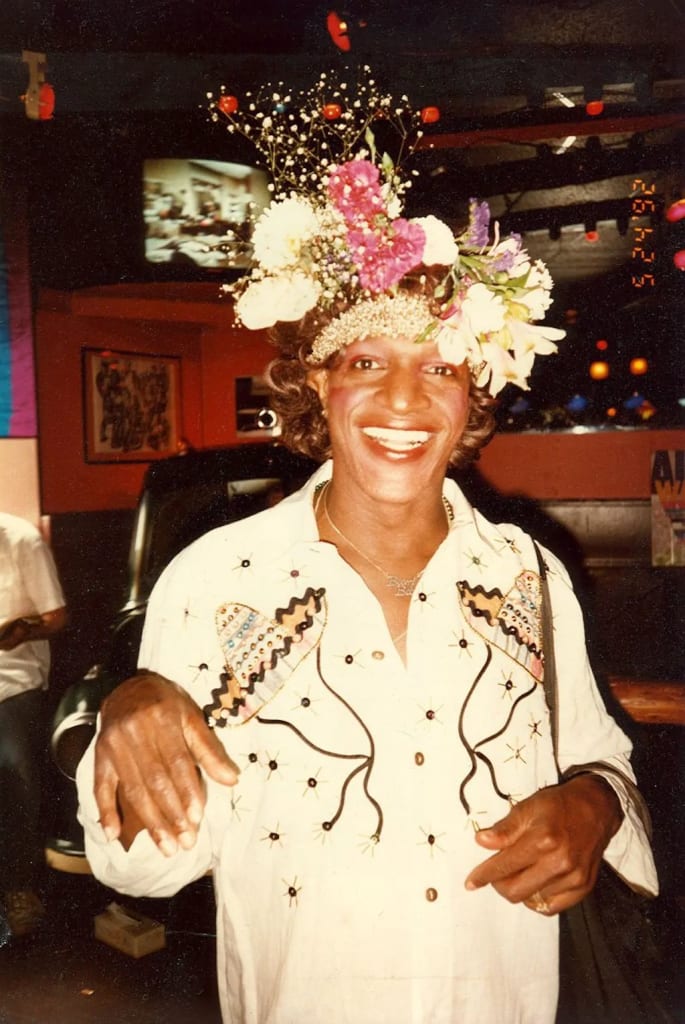
Historical context and activism: The pioneers who paved the way
Let’s rewind, shall we? Because to understand where we are, we absolutely must understand where we came from. Our history isn’t just a collection of dates and names; it’s a living, breathing testament to resilience, defiance, and the fierce courage of those who dared to be themselves when it was literally a death sentence.
The Stonewall legacy and gender non-conforming leadership
The Stonewall Riots of June 1969 represent the foundational moment of modern LGBTQ+ activism, yet the true pioneers of this movement are often overlooked in sanitised historical narratives. We often hear about Stonewall as a watershed moment, and it undeniably was. But who was actually throwing those bricks? Who was on the front lines, refusing to back down? It wasn’t always the neatly packaged, palatable image some parts of our community later tried to present.
The uprising was led predominantly by Black and Puerto Rican drag queens, transgender women, and butch lesbians who refused to accept routine police harassment. These gender non-conforming individuals bore the brunt of societal violence precisely because their visibility made them easy targets for discrimination. But this very vulnerability became their strength, their refusal to hide, the spark that ignited a revolution.
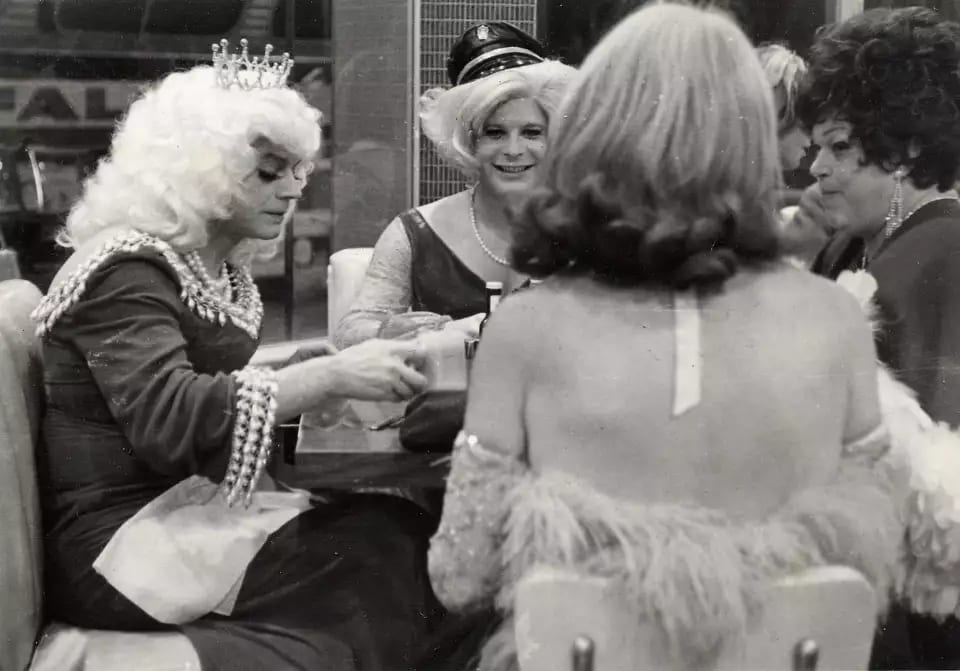
Figures like Marsha P. Johnson and Sylvia Rivera, two transgender women of colour, exemplified the courage and sacrifice that characterised early LGBTQ+ activism. Their willingness to be visible in an era when such visibility could mean death or imprisonment laid the groundwork for every right the community enjoys today. They didn’t just march; they lived their truth, often on the streets, building community where none existed. The Street Transvestites Action Revolutionaries (STAR), founded by Johnson and Rivera, provided housing and support for homeless queer youth while advocating for broader civil rights. Can you imagine the sheer audacity, the boundless love, required to do that in the face of such systemic hatred?
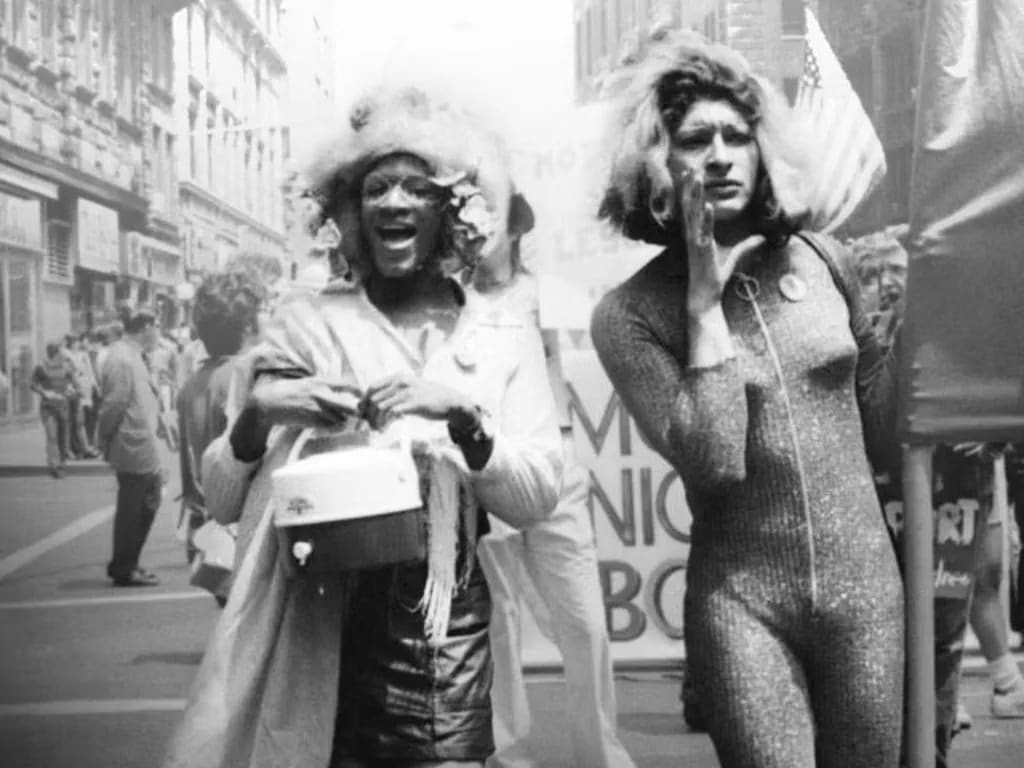
The visibility paradox: Risk and resistance
Gender non-conforming individuals faced a cruel paradox: their visibility, often dictated by their authentic gender expression, made them both vulnerable targets and powerful symbols of resistance. It’s like being a lighthouse in a storm – you guide others, but you’re also the first thing the waves crash against.
Think about butch lesbians in the 1950s and 1960s. They refused to live double lives, wearing masculine attire full-time despite the increased risk of violence and limited employment opportunities. This wasn’t a fashion statement; it was an act of profound self-affirmation and rebellion. This visibility came at tremendous personal cost but created the foundation for broader acceptance and legal protections. Their courage forged the path for future generations, including many of us who now enjoy far greater freedoms.
The concept of “passing privilege” emerges as a critical factor in understanding internal LGBTQ+ dynamics. Those who could blend into heteronormative society often did so for survival, whilst those who could not or chose not to remained visible advocates for change. It’s a stark reminder that survival strategies, while necessary, can sometimes create unconscious divisions. This created an unconscious hierarchy that persists today, where masculine-presenting gay men and feminine-presenting lesbians may experience less discrimination than their gender non-conforming counterparts. It’s a subtle, insidious form of discrimination that we, as a community, must actively dismantle.
The paradox of internalised prejudice: When the enemy is us
This is where things get uncomfortable, but it’s a discomfort we need to sit with. Internalised homophobia isn’t just about societal pressure; it’s about how those pressures seep into our own minds and manifest within our own ranks.
How societal homophobia infiltrates the community
Internalised homophobia represents the unconscious absorption of society’s negative attitudes towards LGBTQ+ people, leading to self-directed prejudice and discrimination against other community members. This phenomenon is particularly insidious because it operates beneath conscious awareness, causing individuals to perpetuate the very systems of oppression they ostensibly oppose. It’s like a virus that infects the very cells meant to fight it. Research demonstrates that traditional sources of education and socialisation contribute to higher levels of internalised homophobia among LGBTQ+ individuals. We grow up in a world that often demonises us, and even after we embrace our identities, those negative messages can linger.
The desire for respectability within LGBTQ+ spaces often translates into marginalisation of the most visibly non-conforming members. This respectability politics seeks acceptance from mainstream society by distancing the community from its most radical elements, effectively abandoning the very individuals who fought for liberation. The Mattachine Society’s 1950s approach of presenting homosexuals as “nonthreatening, upstanding members of society” exemplifies this tendency to prioritise assimilation over authentic representation. While understandable in a hostile era, this approach ultimately sacrifices the vibrancy and true diversity of our community for a sanitised image.
Gender stereotypes and masculine supremacy
Unfortunately, traditional gender hierarchies, those pesky relics of heteronormativity, persist within LGBTQ+ communities, with masculinity continuing to be valued over femininity. This isn’t just about preference; it creates real, tangible discrimination. This creates internal discrimination against effeminate gay men, who face rejection on dating platforms and social exclusion within gay male spaces. It’s disheartening to hear stories, as I often do, of gay men being rejected for being “too femme” within their own dating pools. Research indicates that gay men’s anti-effeminacy attitudes stem from both hegemonic masculinity ideology and heightened masculinity consciousness. It’s a reflection of deeper societal biases, playing out in our own backyards.
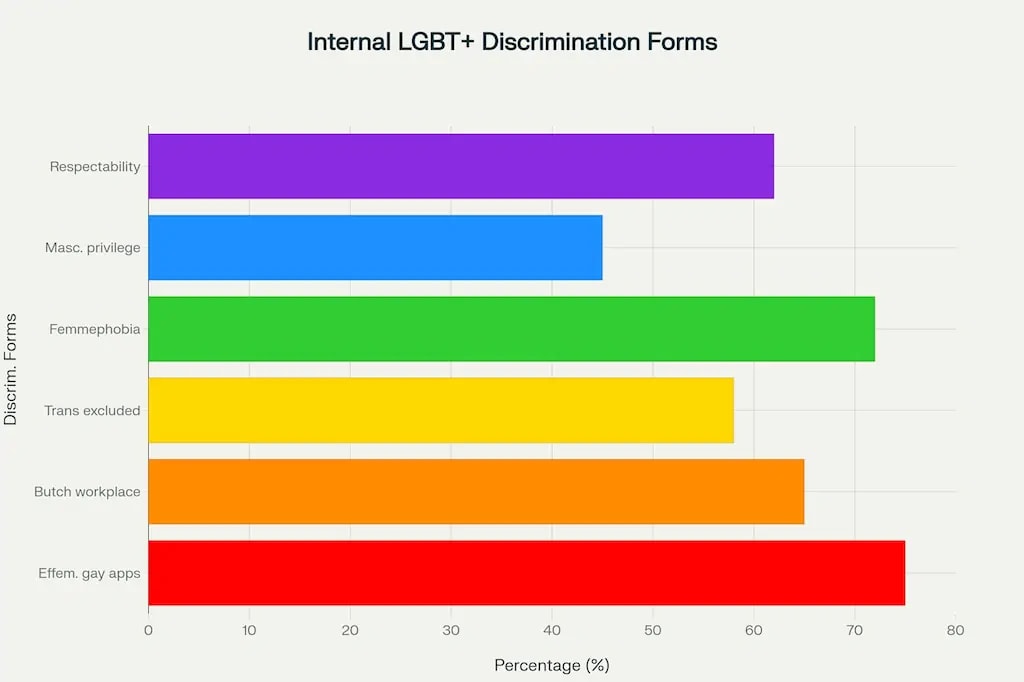
Butch lesbians face their own unique challenges, often incorrectly accused of possessing “masculine privilege” despite experiencing gender-based discrimination both within and outside LGBTQ+ spaces. This is a narrative I’ve personally heard far too often. The lesbian feminist movement of the 1970s actively discouraged butch-femme relationships, viewing them as replications of heterosexual power dynamics. This historical rejection contributed to ongoing marginalisation of masculine-presenting lesbians. It’s a tragic irony when a movement for liberation inadvertently perpetuates another form of suppression.
Intersectionality and compounded discrimination
The reality is, identity is rarely a single lane. It’s a complex, interwoven tapestry, and for many, discrimination isn’t a singular experience. The intersection of gender expression with race, class, and other identities creates additional layers of discrimination within LGBTQ+ communities. Black transgender women, for example, face disproportionate violence and exclusion, whilst working-class gender non-conforming individuals may lack access to supportive community resources. These intersecting oppressions compound the challenges faced by the most vulnerable community members. To ignore this is to ignore the full picture of injustice.

The harmful impact of internal judgment
The consequences of this internal judgment are not just theoretical; they are profoundly felt by real people, causing tangible harm.
Mental health consequences
The psychological toll of discrimination from within one’s own community can be devastating. It’s one thing to face a hostile outside world, but another entirely when the hand that pushes you down belongs to someone who should be your ally. Studies reveal that internalised homophobia correlates strongly with depression, anxiety, and suicidal ideation among LGBTQ+ individuals. When marginalised individuals face rejection from spaces meant to provide refuge, the impact on mental health can be profound. Community connectedness serves as a protective factor, but only when that community genuinely embraces diversity in gender expression. As a recent report from Belong To, an Irish LGBTQ+ youth organisation, highlighted, a strong sense of community and acceptance is crucial for the well-being of young queer people. We must ensure that sense of belonging extends to everyone.
Weakening collective power
Internal divisions undermine the LGBTQ+ community’s collective political power, creating fractures that opponents of equality can exploit. When community resources and leadership opportunities are concentrated among those deemed “respectable,” the movement loses the radical edge that made historical progress possible. This creates a feedback loop where the most marginalised voices are silenced, reducing the community’s capacity to advocate for comprehensive change. We can’t fight for our rights if we’re busy fighting each other. As GLAAD recently pointed out, unified advocacy is more critical than ever in the face of ongoing legislative attacks.
Historical erasure and forgotten contributions
The tendency to sanitise LGBTQ+ history often erases the contributions of gender non-conforming pioneers. This historical revisionism not only dishonours those who sacrificed for current freedoms but also perpetuates contemporary discrimination by disconnecting the community from its radical roots. The rejection of pre-Stonewall culture, including the dismissal of butch-femme relationships and drag performance, represents a loss of cultural knowledge and identity. We must remember our history, in all its messy, glorious truth, to truly appreciate how far we’ve come and how much further we need to go.
Building awareness and challenging internal biases
So, what do we do about it? How do we mend these fractures and build a truly inclusive community? It starts with honest self-reflection and proactive change.
Education and historical consciousness
First and foremost, we need a robust, unflinching look at our own history. Comprehensive education about LGBTQ+ history must centre the contributions of gender non-conforming individuals. This includes acknowledging the leadership of drag queens and transgender women at Stonewall, the courage of butch lesbians who refused to hide, and the ongoing activism of those who remain visibly non-conforming. Educational initiatives should emphasise how current freedoms directly result from the sacrifices of the most marginalised community members. Let’s not just celebrate Pride, let’s learn Pride.
Promoting self-reflection and growth
Individual community members must engage in honest self-examination to identify and challenge their own biases regarding gender expression. This isn’t about guilt; it’s about growth. This requires acknowledging how societal conditioning influences perceptions of masculinity and femininity, even within LGBTQ+ spaces. Support groups and peer education programmes can facilitate these conversations whilst providing safe spaces for growth and learning. We all carry biases, whether we realise it or not, and acknowledging them is the first step towards dismantling them.
Celebrating diversity in gender expression
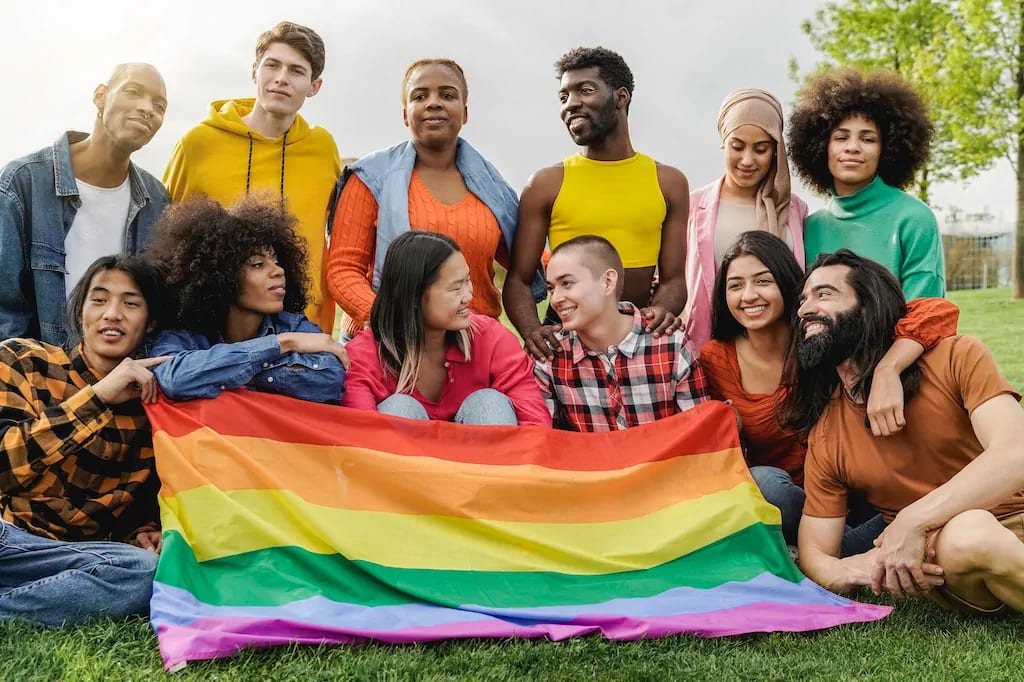
We need to shift from merely “tolerating” gender non-conformity to actively celebrating it. LGBTQ+ communities must actively celebrate the full spectrum of gender expression rather than tolerating it grudgingly. This means creating inclusive programming that showcases diverse presentations, ensuring leadership opportunities for gender non-conforming individuals, and actively challenging discriminatory language and behaviour. Safe spaces should be truly safe for all community members, not just those who can pass or conform to narrow expectations. When we elevate diverse voices, we enrich the entire community.
Concrete actions for community transformation
This isn’t just about thoughts and feelings; it’s about tangible actions. What can we do right now?
Promoting inclusive representation
Representation matters, not just on screens, but in real life, in our organisations, and in our leadership. Media representation and community leadership must reflect the diversity of gender expression within LGBTQ+ communities. This requires intentional efforts to amplify voices that have been marginalised, ensuring that effeminate gay men, butch lesbians, and transgender individuals have platforms to share their experiences and expertise. Cultural institutions and community organisations should prioritise diverse representation in programming, leadership, and resource allocation.
Supporting grassroots initiatives
Change often bubbles up from the ground, from the very communities most affected. Community transformation often begins at the grassroots level, with initiatives led by those most affected by discrimination. Supporting organisations that specifically serve gender non-conforming individuals, such as transgender community centres and programmes for LGBTQ+ youth, strengthens the entire community. Financial and volunteer support for these initiatives demonstrates concrete commitment to inclusivity. Look up local organisations like Transgender Equality Network Ireland (TENI) or BeLonG To and see how you can contribute.
Facilitating difficult conversations
Growth isn’t always comfortable. Creating safe spaces for honest dialogue about internal discrimination requires skilled facilitation and commitment to growth. These conversations must acknowledge harm whilst focusing on solutions and collective healing. Community forums, workshop series, and peer support groups can provide structured opportunities for addressing these challenging topics. It’s about listening, learning, and sometimes, apologising.
Implementing accountability measures
And finally, words are not enough. True change requires accountability mechanisms that address discriminatory behaviour within LGBTQ+ spaces. This includes clear anti-discrimination policies, reporting procedures for incidents of internal bias, and consequences for those who perpetuate harmful attitudes. Community accountability differs from punitive approaches by focusing on education, repair, and prevention rather than solely punishment. It’s about saying, “This is not acceptable here, and we will do better.”
Action plan: Combating internalised homophobia within the LGBTQ+ community
Based on research findings and expert recommendations from LGBTQ+ advocacy organisations, academic studies, and community feedback.
Immediate actions
Individual level
- Self-reflection exercises to identify personal biases about gender expression
- Education on LGBTQ+ history focusing on contributions of gender non-conforming pioneers
- Challenging stereotypes when encountering femmephobic or anti-butch attitudes
- Active allyship within the community for marginalised members
Community level
- Inclusive event programming that celebrates diverse gender expressions
- Platform sharing ensuring effeminate gay men, butch lesbians, and trans individuals have leadership roles
- Anti-discrimination policies in LGBTQ+ organisations and spaces
- Mentorship programmes connecting marginalised individuals with community support
Medium-term goals
Organisational reform
- Leadership diversity requirements for LGBTQ+ organisations
- Sensitivity training for community workers and volunteers
- Resource allocation prioritising support for most marginalised members
- Safe space protocols that actively prevent internal discrimination
Cultural change
- Media representation campaigns highlighting diverse gender expressions
- Community dialogues addressing uncomfortable truths about internal prejudice
- Intersectional approaches recognising race, class, and other identity factors
- Youth programmes preventing early internalisation of harmful attitudes
Long-term vision
Systemic transformation
- Policy advocacy that centres most marginalised voices
- Research initiatives documenting and addressing internal discrimination
- Coalition building with other marginalised communities
- International solidarity sharing best practices globally
Sustainable change
- Cultural competency as standard practice in all LGBTQ+ spaces
- Accountability mechanisms for addressing internal discrimination
- Resource sustainability ensuring long-term support for marginalised members
- Legacy protection maintaining focus on community founders’ values
Moving forward: A vision for unity
The LGBTQ+ community stands at a crossroads between its radical origins and mainstream acceptance. The choice to embrace or reject the gender non-conforming pioneers who built the movement will determine its future direction. True liberation requires acknowledging that freedom is not achieved until the most marginalised members enjoy full acceptance and equal participation. It’s a simple truth, yet profoundly complex to implement.
The ongoing attacks on transgender rights and gender-affirming care in 2024 and 2025 demonstrate the continued relevance of visibility and resistance. These legislative assaults target the same populations who led the fight for LGBTQ+ rights, revealing how external oppression and internal discrimination intersect to harm the most vulnerable community members. Now more than ever, solidarity and mutual support are essential for collective survival and progress. As we look towards Pride 2025 and beyond, let us remember the brave souls who started this movement.
The path forward requires both individual transformation and systemic change. Every community member has a role in challenging internalised prejudice, supporting marginalised voices, and creating truly inclusive spaces. The legacy of Stonewall demands nothing less than complete liberation for all LGBTQ+ people, regardless of how they express their gender or sexuality. Only by honouring this legacy can the community fulfil its founding promise of freedom, dignity, and justice for all. Let’s be the perfect friends to each other – the ones who challenge, support, and uplift, always. Go to your local Pride events, support your local LGBTQ+ charities, and speak up when you see internalised prejudice at play. Our liberation truly is bound together.


